
Soups & Stews
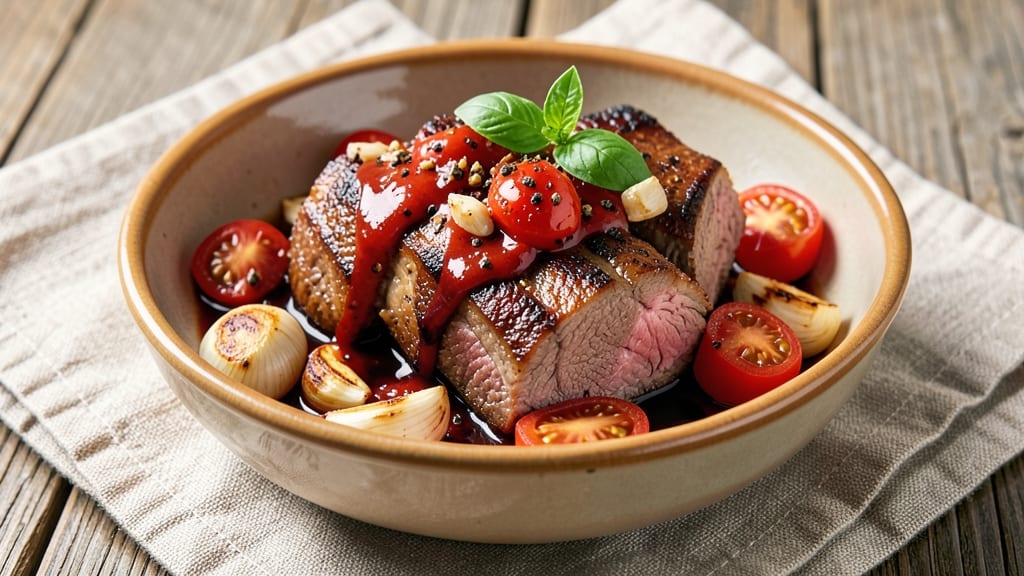
This beef arrabbiata recipe delivers restaurant-quality Italian flavors with tender beef chunks simmered in a bright, spicy tomato sauce. The secret lies in proper searing and slow simmering—techniques that transform tough cuts into melt-in-your-mouth perfection.
I’ve perfected this dish over years of testing, ensuring every bite balances heat, acidity, and richness just right.
The sauce starts with high-quality canned tomatoes, garlic, and chili flakes, deglazed with white wine for depth. The beef cooks low and slow, absorbing the vibrant, slightly sweet-tangy sauce while maintaining its texture. This isn’t just a stew—it’s a foolproof method that delivers restaurant-quality results at home, with minimal effort.
By the time you’re done, you’ll have a simmering pot of tender beef swimming in a glossy, aromatic sauce that’s perfect over pasta, polenta, or crusty bread. The dish is bold enough to stand alone but versatile enough to pair with sides like garlic knots or a simple arugula salad.
The aroma alone will have everyone asking for seconds.
No special equipment is needed—just a heavy pot and patience. The key is letting the flavors meld during the simmer, so resist the urge to rush. This recipe is designed to impress without stress, making it ideal for weeknight dinners or special occasions. Let’s get cooking!
Ingredients for beef arrabiata
Nine essential ingredients transform tough beef into melt-in-your-mouth chunks swimming in spicy tomato sauce.
| Ingredient | Amount | Notes |
|---|---|---|
| Chuck Roast 🥩 | 1 ½ lb | Cut into 1.5-inch chunks |
| San Marzano Canned Tomatoes 🍅 | 28 oz | Crushed by hand |
| Garlic Cloves 🧄 | 4 cloves | Minced, not powdered |
| Dry Red Wine 🍷 | ½ cup | Bold, like Chianti |
| Chili Flakes 🌶️ | 1 tbsp | Adjust for heat preference |
| Ground Black Pepper 🌶️ | ½ tsp | Freshly cracked |
| Kosher Salt 🧂 | 1 ½ tsp | Diamond Crystal preferred |
| Extra-Virgin Olive Oil 🫒 | 2 tbsp | For searing |
| Fresh Rosemary 🌿 | ¼ cup | Chopped, stems removed |
| Fresh Thyme Leaves 🌿 | ¼ cup | Or 1 tsp dried |
| Red Pepper Flakes 🌶️ | 1 tsp | Optional for extra heat |
| Butter 🧈 | 2 tbsp | Unsalted, for richness |
| Fresh Basil Leaves 🌿 | ¼ cup | Chopped, for garnish |
The beef makes or breaks this dish—chuck roast is your best bet for tender chunks, but sirloin works if you're in a hurry. Grab it from the meat counter at Whole Foods or your local butcher for the best quality. Look for good marbling and avoid pre-cut packages that might have been sitting too long. The San Marzano tomatoes are worth the splurge—they're sweeter and less acidic than regular canned tomatoes, which balances the heat perfectly. If you can't find them, any high-quality crushed tomatoes will do.
No red wine? Substitute beef broth with a splash of balsamic vinegar—it mimics the acidity and depth. Fresh herbs are ideal, but dried thyme at one-third the amount works if you're short on time. The chili flakes can be swapped for crushed red pepper if you prefer a smoother heat. For extra richness, add 1 tbsp tomato paste when you crush the tomatoes—it thickens the sauce beautifully. If you're feeling fancy, toast the garlic and chili flakes in the olive oil for 30 seconds before adding the beef to deepen their flavors.
This sauce tastes even better the next day—plan ahead! Store leftovers in an airtight container in the fridge for up to 5 days or freeze for 3 months. I like to portion mine into individual containers so I can grab a quick meal. The beef stays tender when reheated gently, so avoid microwaving. If you're prepping ahead, you can brown the beef and set it aside, then finish cooking it when you're ready to serve—just add it back to the sauce and simmer for 10 minutes.
Why You'll Love This Recipe
- One-Pot Magic: I swear by this recipe because it’s the kind of meal that turns my kitchen into a one-zone operation. Chuck roast goes in raw, comes out tender—no fancy searing or flipping required—while the wine and tomatoes simmer down to a rich, velvety sauce. Honestly, I’ve made it on nights when I’m too tired to stand for long, and it still tastes like I slaved over it.
- Wine-Infused Depth: That splash of dry red wine? It’s not just for show—it cuts through the richness of the chuck roast and lifts the whole dish. The San Marzano tomatoes add natural sweetness, while the garlic and chili flakes give it a bright, punchy kick. Between us, this isn’t your basic beef stew; it’s got layers, like a good conversation over dinner.
- Leftovers That Beg: I make this on Sundays because the flavor only gets better after a day or two. The sauce thickens just enough to cling to the beef, and every bite tastes like it was made fresh. My kids (who usually hate leftovers) will fight over the second helping—proof it’s not just good, but ridiculously good the next day.
- Budget-Friendly Feast: Chuck roast is my go-to for stretching a meal without breaking the bank, and canned San Marzano tomatoes keep costs low while delivering restaurant-quality taste. A few cloves of garlic, a bottle of wine you’d already open, and a pinch of chili flakes—this recipe turns inexpensive ingredients into a dish that feels special. Yes, even on a Tuesday night.
Step-by-step instructions for beef arrabiata
Here's how to transform tough chuck roast into fork-tender beef with a rich, spicy tomato sauce.
Sear the Beef for Deep Flavor
Heat 1 tablespoon of the extra-virgin olive oil in a large Dutch oven over medium-high heat until shimmering. Add the 1.5 lb chuck roast cut into 1.5-inch chunks in a single layer, working in batches if needed. Let them sear undisturbed for 3-4 minutes until deeply browned on all sides.
This initial sear creates a flavorful crust that won't dissolve in the sauce later. I press down gently on the beef chunks during the first minute to prevent them from curling and ensure even contact with the pan. Once browned, transfer the seared beef to a plate and set aside.
Build the Aromatic Base
In the same Dutch oven, add the remaining 1 tablespoon extra-virgin olive oil and 2 tablespoons butter over medium heat. Add the 4 minced garlic cloves and cook for 30 seconds until fragrant but not browned. Stir in the 0.25 cup chopped fresh rosemary, 0.25 cup fresh thyme leaves, 1 tablespoon chili flakes, 1 teaspoon red pepper flakes, 1.5 teaspoons kosher salt, and 0.5 teaspoon ground black pepper.
Cook the herbs and spices for 1 minute until the rosemary needles turn bright green and the spices are toasted but not burnt. This aromatic base forms the flavor foundation for your arrabiata sauce.
Develop the Sauce
Pour in the 0.5 cup dry red wine and scrape up any browned bits from the bottom of the pan with a wooden spoon. Let it simmer for 2-3 minutes until reduced by half. Add the 28 oz crushed San Marzano canned tomatoes and stir to combine. Bring to a gentle simmer over medium-low heat.
Now return the seared beef to the pot along with any accumulated juices. Partially cover and let it simmer for 1 hour 30 minutes until the beef is fork-tender and the sauce has thickened. I check the beef's tenderness by piercing it with a fork—it should slide in easily with no resistance.
Finish and Garnish
Once the beef is tender, stir in the 0.25 cup chopped fresh basil leaves and adjust the seasoning if needed. Remove from heat and let it rest for 5 minutes to allow the flavors to meld. The sauce should coat the back of a spoon with a rich, velvety texture and vibrant red color.
Serve immediately over crusty bread or with your choice of pasta. The beef should be so tender it practically falls apart at the touch, and the sauce should have just the right balance of spicy heat and sweet tomato flavor. This dish tastes even better the next day as the flavors continue to develop.
Pro Tips For Making Beef Arrabiata
- SEAR THE ROAST FIRST: Chuck roast needs a deep brown crust to lock in flavor—don’t skip this step. Heat your Dutch oven until it’s screaming hot (test with a drop of water—if it sizzles violently, you’re ready), then sear the meat on all sides for 3-4 minutes per side. I used to rush this, and the sauce always tasted flat afterward.
- CRUSH TOMATOES BY HAND: San Marzano tomatoes are sweet, but their skins and seeds add bitterness if left whole. After crushing them with your hands (yes, even if you’re impatient like me), strain out the seeds and skins—this makes the sauce silky. I learned this the hard way when my first batch tasted weirdly watery.
- DEGLAZE WITH WINE IMMEDIATELY: As soon as you remove the roast, pour in that red wine right away—don’t let the fond dry out. Let it bubble for 2-3 minutes to pull up all the browned bits. I once walked away for "just a minute," and half the flavor disappeared into the drain.
- ADD CHILI FLAKES LATE: Toss in the chili flakes with the last 5 minutes of cooking—this keeps their heat sharp and bright. If you add them early, they’ll mellow out and turn the sauce dull. (Your future self will thank you when the dish isn’t just "spicy" but actually exciting.)
Regional styles of this dish
Roman Arrabbiata Roots
Arrabbiata originated in Rome, where it was traditionally called "ragù all'arrabiata" or "angry sauce"—a nod to its fiery chili flakes. The original version used guanciale (cured pork cheek) instead of beef, but home cooks adapted it with whatever protein was available.
I love how the Roman version keeps the heat front-and-center with 1.5 tbsp chili flakes and minimal sweetness, creating a bold, tangy sauce that cuts through rich meats. 🌶️
Florentine Twist
Florence takes arrabbiata in a more refined direction, often incorporating white beans or potatoes> into the sauce for heartiness. The Tuscan version also uses Pecorino Romano instead of Parmesan, adding a sharper, saltier note.
I’ve seen excellent Florentine beef arrabbiata served with creamy polenta>—the contrast between the smooth polenta and spicy sauce is pure magic.
Southern Italian Heat
Down in Calabria, arrabbiata gets even hotter with the addition of Calabrian chili paste> (peperoncino), which brings deep, fruity heat. The Southern Italian approach also often includes sausage> alongside beef, creating a meaty, spicy stew.
For a true Calabrian touch, finish your dish with a drizzle of hot honey>—the sweetness balances the fire beautifully.
Northern Adaptations
Up north in Lombardy, arrabbiata becomes lighter, sometimes even served as a cold salad with raw beef> (like carpaccio) topped with the spicy tomato sauce. Milanese cooks also add bone marrow> to the sauce for richness, creating a luxurious version that’s perfect for special occasions.
The Northern style keeps the heat but adds depth with umami-rich ingredients.
American Homestyle
In the U.S., arrabbiata often gets a heartier makeover with ground beef> instead of chunks, making it more approachable for families. Many American versions also include tomato paste> to thicken the sauce, and some even add a splash of beef broth> for extra depth.
I’ve seen it served over mac and cheese>—a surprisingly delicious fusion that’s become a comfort food staple in some households.
Nutrition facts
Frequently asked questions
Can I make this beef arrabbiata with ground beef instead of chunks?
Ground beef works wonderfully—just brown it thoroughly over medium-high heat until fully cooked (5-6 minutes). The texture will be different (more like a meaty sauce than chunks), but it's perfect for quick weeknight meals. Use 1 lb ground beef and add 1 tbsp tomato paste to thicken the sauce since ground beef releases more liquid.
How do I adjust the heat level for sensitive eaters?
Start by reducing the chili flakes to 1 teaspoon instead of 1 tablespoon. For even milder heat, omit the red pepper flakes entirely and add just ½ teaspoon of chili flakes. You can also remove the seeds from the tomatoes before crushing them, which reduces natural acidity and balances the spice. Always taste as you go!
What's the best way to serve leftover beef arrabbiata?
Leftover beef arrabbiata tastes even better the next day! Serve it over al dente pasta like spaghetti or rigatoni, or spoon it onto toasted sourdough bread for an open-faced sandwich. For a heartier option, pair it with creamy mashed potatoes or buttery polenta. Reheat gently on low heat with a splash of water or broth to maintain the sauce's texture.
Why does my beef arrabbiata sauce turn out watery? Watery sauce usually means one of two things: either the beef wasn't seared properly (leaving it raw inside) or the tomatoes weren't reduced enough. For next time,
Can I make this dish in a slow cooker?
Yes! Brown the beef in a skillet first, then transfer everything to your slow cooker. Cook on low for 6-7 hours or high for 3-4 hours. The slow cooker method actually enhances the tenderness of the beef and deepens the flavors. Just