
Soups & Stews
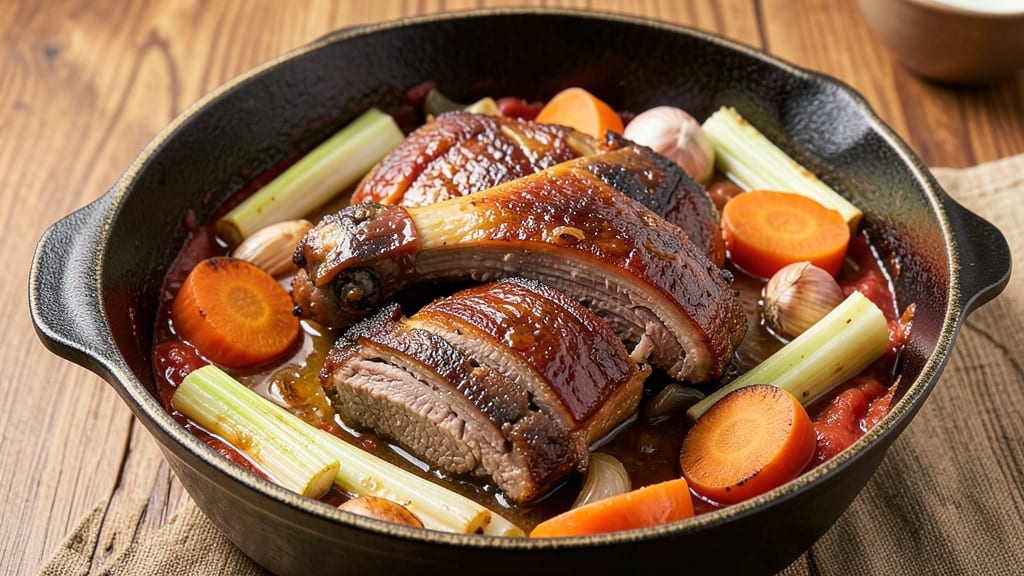
The beef arm stew recipe transforms tough cuts into melt-in-your-mouth tenderness through slow braising—where caramelized fond gold creates layers of depth you won't find in quick-cooked dishes. This method unlocks the beef's natural richness while developing complex flavors that build with every hour in the pot.
The secret lies in patience and technique, not shortcuts.
What sets this stew apart is the development of that signature caramelized fond—those golden brown bits at the bottom of the pot that dissolve into a velvety sauce when deglazed.
We'll use a simple yet effective spice blend that complements the beef's natural flavor without overpowering it, creating a balance that's both rustic and refined. The slow cooking process ensures the connective tissue breaks down completely, resulting in beef that practically falls apart at the touch of a fork.
By the time you serve this stew, you'll have a dish that's rich, aromatic, and deeply satisfying—perfect for cold evenings when you crave comfort food with substance.
The aroma alone will draw everyone to the table, and each bite delivers that perfect combination of tender beef, flavorful broth, and caramelized depth. This is the kind of meal that becomes a family tradition.
While the beef is the star, we'll also cover how to prepare complementary sides that enhance rather than compete with the main dish—think crusty bread for soaking up every last drop of that precious sauce, or simple roasted vegetables that add freshness to balance the richness.
The plating suggestions will ensure your presentation looks as impressive as it tastes.
Ingredients for beef arm
Six ingredients transform tough beef into melt-in-your-mouth richness through slow braising magic.
| Ingredient | Amount | Notes |
|---|---|---|
| Beef Arm (Oxtail) 🥩 | 4 lb | Cut into 2-inch chunks |
| Yellow Onion 🧅 | 2 whole | Chopped, medium dice |
| Carrots 🥕 | 4 whole | Peeled, cut into chunks |
| Celery Stalks 🧅 | 4 whole | Cut into 1-inch pieces |
| Garlic Cloves 🧄 | 6 cloves | Smashed, not minced |
| Tomato Paste 🍅 | ½ cup | High-quality, canned |
| Red Wine 🍷 | 1 ½ cups | Bold, dry variety |
| Beef Broth 💧 | 4 cups | Homemade or high-quality |
| Bay Leaves 🌿 | 2 whole | Fresh if possible |
| Thyme Sprigs 🌿 | 4 whole | Fresh, stems removed |
| Black Peppercorns 🌶️ | 1 tbsp | Coarsely crushed |
| Salt 🧂 | 2 tsp | Kosher or sea salt |
| Olive Oil 🫒 | ¼ cup | Extra-virgin preferred |
| Flour 🌾 | ½ cup | All-purpose, for dredging |
The beef arm is the star—look for well-marbled cuts at your local butcher or Costco for the best value. If you can't find beef arm, oxtail works perfectly as a substitute. The key is to cut it into even 2-inch chunks so it cooks uniformly. Fresh thyme and bay leaves elevate the flavor, but dried will work in a pinch (use half the amount). For the red wine, Cabernet Sauvignon or Merlot are ideal—they add depth without overpowering.
No red wine? Beef broth with 1 tbsp balsamic vinegar mimics the acidity and richness. Short on thyme? Dried thyme at one-third the amount works, but fresh is always better. The tomato paste is non-negotiable—San Marzano is the gold standard if you want to splurge. For the flour, King Arthur all-purpose gives the best texture when dredging the beef. If you're prepping ahead, par-cook the beef and veggies before braising to save time later.
This stew tastes even better the next day—reheat gently on low heat to preserve the fond. Keeps for 5-6 days in the fridge, freezes beautifully for up to 3 months. I always make a double batch because the leftovers reheat into lunch perfection. Store in airtight containers with a splash of broth to keep it moist. The fond at the bottom? That's the treasure—deglaze it with a splash of water or wine when reheating.
Why You'll Love This Recipe
- One-Pot Magic: I swear by this—just toss the oxtail, onions, carrots, and celery into a pot with garlic, cover with water, and let it simmer. No chopping like a fine chef, no fancy techniques. The beef arm practically falls off the bone while the veggies melt into the broth, and honestly? That’s 90% of the work done for you.
- Rich Umami Bomb: Between us, the beef arm alone is a flavor powerhouse, but add the caramelized onions and garlic? It’s like a slow-cooked hug for your taste buds. The oxtail’s gelatinous richness turns the broth into a velvety, savory dream—especially when you get that crispy skin on the outside. (Yes, even on a Tuesday night.)
- Leftovers That Shine: This recipe actually improves the next day. The flavors deepen, the meat gets even more tender, and I’ve reheated portions for breakfast (yes, really) or packed them for lunch. Freeze half if you’re feeling ahead—it’s my go-to for lazy Sundays or when friends drop by unannounced.
- Budget-Friendly Feast: Oxtail might sound fancy, but it’s one of the most economical cuts out there. A single beef arm feeds four, and the veggies stretch the meal further. I’ll be real: my grocery bill stays sane, and my family still thinks they’re eating at a restaurant. That’s the kind of win I’ll take any day.
Step-by-step instructions for beef arm stew
Here's how to transform tough oxtail into melt-in-your-mouth richness with a caramelized fond.
Sear the Beef Arm for Deep Flavor
Pat the 4 lb beef arm (oxtail) completely dry with paper towels—this ensures maximum browning. Heat 0.25 cup olive oil in a heavy Dutch oven over medium-high heat until shimmering. Working in batches if needed, sear the oxtail pieces until deeply browned on all sides—about 4-5 minutes per side. You're building flavor here, so don't rush.
Remove the seared oxtail and set aside. The goal is to develop that rich, caramelized crust that forms the foundation of your stew. If the oil starts smoking, reduce heat slightly—you want golden brown, not burned. This step makes all the difference in the final depth of flavor.
Build the Aromatic Base
In the same Dutch oven, add 2 whole chopped yellow onion, 4 whole peeled carrots cut into chunks, and 4 whole celery stalks cut into 1-inch pieces. Cook for 8-10 minutes until the vegetables soften and begin to caramelize. Stir occasionally to prevent burning.
Add the 6 smashed garlic cloves and cook for another 1 minute until fragrant. Here's where the magic happens—those caramelized vegetables will dissolve into the fond later, creating an ultra-rich sauce. Sprinkle with 2 tsp salt and 1 tbsp coarsely crushed black peppercorns, stirring to coat everything evenly.
Deglaze and Develop the Fond
Return the seared oxtail to the pot and add 0.5 cup tomato paste. Stir to coat everything thoroughly, letting it cook for 2 minutes until the paste darkens slightly. Pour in 1.5 cups red wine, scraping up all those browned bits from the bottom of the pot—this is your fond, the flavor concentration that makes this stew extraordinary.
Let the wine reduce by half, about 3-4 minutes, until it's syrupy. This step transforms simple ingredients into something truly special. The alcohol will cook off, leaving behind concentrated flavors that penetrate the meat during the long braise.
Braise Until Fork-Tender
Add 4 cups beef broth, 2 whole bay leaves, and 4 whole thyme sprigs (stems removed). Bring to a gentle simmer, then reduce heat to low. Cover partially and braise for 3-4 hours, turning the oxtail occasionally. You're looking for the meat to become fork-tender, falling apart when pierced with a fork.
Here's the thing—patience is key. The longer it braises, the more tender and flavorful the meat becomes. Check occasionally to ensure there's always liquid covering the oxtail. If it gets too low, add a splash of water or broth. The vegetables should be completely tender, and the sauce should thicken naturally as it reduces.
Finish and Serve with Caramelized Fond
Once the oxtail is fork-tender, remove it from the pot and set aside. Strain the braising liquid through a fine-mesh sieve into a clean pot, pressing on the solids to extract maximum flavor. Return the strained liquid to the Dutch oven and simmer uncovered over medium-high heat for 10-15 minutes until it reduces to a thick, glossy sauce.
Return the oxtail to the pot and spoon the reduced sauce over it until everything is well-coated. Taste and adjust seasoning if needed. Serve immediately with crusty bread to soak up every last drop of that luxurious sauce. The contrast of tender meat with the rich, caramelized fond makes this stew truly unforgettable.
Pro Tips For Making Beef Arm
- Brown the Oxtail First: Don’t skip the sear—crisp the oxtail in batches over high heat until deep golden. I learned this the hard way: skipping this step means bland, gray meat instead of rich, caramelized flavor that builds the sauce.
- Cut Onions into Wedges: Slice yellow onions into thick wedges (no need for rings) so they hold up in long braises. Thin slices turn to mush, and you’ll end up with a watery pot instead of flavor-packed aromatics.
- Deglaze with Soy Sauce: After browning the oxtail, splash in 1 tablespoon soy sauce before adding liquids. It cuts through fat and adds umami depth—my grandmother swore by this, and I now add it without thinking.
- Simmer Low and Long: Keep the heat at a bare simmer (tiny bubbles, not rolling) for 3–4 hours. Rushing it makes the meat tough; patience turns connective tissue into melt-in-your-mouth texture—yes, even if you’re impatient like me.
Common mistakes when making your beef arm
Overcooking the Beef
One of the biggest mistakes is letting the beef arm stew cook too long, which turns tender meat into dry, stringy disappointment. The goal is fork-tender, not mushy—aim for 3-4 hours of braising time, checking frequently after 2 hours.
I've ruined a few batches by walking away for too long, only to return to rubbery meat. Use a meat thermometer—when the internal temp hits 195-200°F, it's done. 🌡️
Skipping the Sear
If you skip searing the beef arm, you'll miss out on the Maillard reaction that creates deep, caramelized flavors. Rushing this step or using too little oil results in pale, bland meat.
I always sear in batches over medium-high heat until golden brown on all sides. That crust is the flavor foundation—don't cut corners here!
Using the Wrong Pot
A thin, flimsy pot won't handle the long braising time, and you'll end up with uneven cooking. Always use a heavy Dutch oven—I recommend Le Creuset or All-Clad for even heat distribution.
The lid should fit snugly to trap steam and cook the meat gently. A regular pot will leave you with tough meat and a watery sauce.
Ignoring the Fond
The caramelized fond at the bottom of the pot is pure flavor gold, and many cooks simply scrape it away. Instead, deglaze with red wine or broth to dissolve those rich brown bits into your sauce.
I always scrape vigorously with a wooden spoon—this step transforms a good stew into an extraordinary one. Never pour it down the drain!
Overcrowding the Pot
Packing the Dutch oven too tightly means the beef won't brown properly and the vegetables will steam instead of caramelize. Leave 1 inch of space between pieces when searing, and don't add all the broth at once.
I've learned this the hard way—once, I ended up with pale meat and a watery sauce because I was impatient. Patience pays off with better texture and flavor.
Neglecting the Liquid Level
If the liquid level drops too low during braising, the beef will dry out and stick to the pot. Maintain at least 1 cup of liquid covering the meat at all times. I keep a small pitcher of broth nearby to add as needed.
The sauce should thicken naturally as it reduces, but never let it evaporate completely. This is where many home cooks go wrong—always monitor the liquid level! ⚡
Nutrition facts
Frequently asked questions about beef arm stew
What makes beef arm stew different from regular beef stew?
Beef arm stew uses the tough, flavorful oxtail (or beef arm) cut, which requires slow braising to tenderize. The key difference is the caramelized fond created from searing and deglazing, which gives it a deeper, richer sauce compared to traditional beef stew made with chuck roast. The long cooking time breaks down collagen for melt-in-your-mouth texture.
Can I substitute beef arm with another cut?
Yes! If you can't find beef arm, use oxtail (same cut), chuck roast (cut into chunks), or short ribs. For best results, choose well-marbled cuts with connective tissue. Avoid lean cuts like sirloin—they won't become tender during braising. The cooking time may vary slightly depending on the cut.
How do I know when the beef is perfectly tender?
Use the fork test: The meat should easily pull apart with minimal resistance. For beef arm, aim for 3-4 hours of braising. Check at 2 hours—if it's still firm, continue cooking. A meat thermometer should read 195-200°F in the thickest part. Overcooking turns it rubbery, so monitor closely.
Can I make this stew in a slow cooker?
Brown the beef and vegetables in a skillet first, then transfer everything to the slow cooker. Use low heat for 6-8 hours or high heat for 4-5 hours. Add 1 cup of water to prevent drying out. The slow cooker method is perfect for hands-off cooking, though the fond won't be as concentrated as with stovetop braising.
What's the best way to reheat leftovers?
Reheat gently on the stovetop over low heat with a splash of broth or water to prevent drying. Avoid microwaving—it makes the sauce watery. For extra richness, deglaze the pot with 1 tbsp red wine or broth before reheating. Leftovers taste even better the next day as flavors meld further.