
Soups & Stews
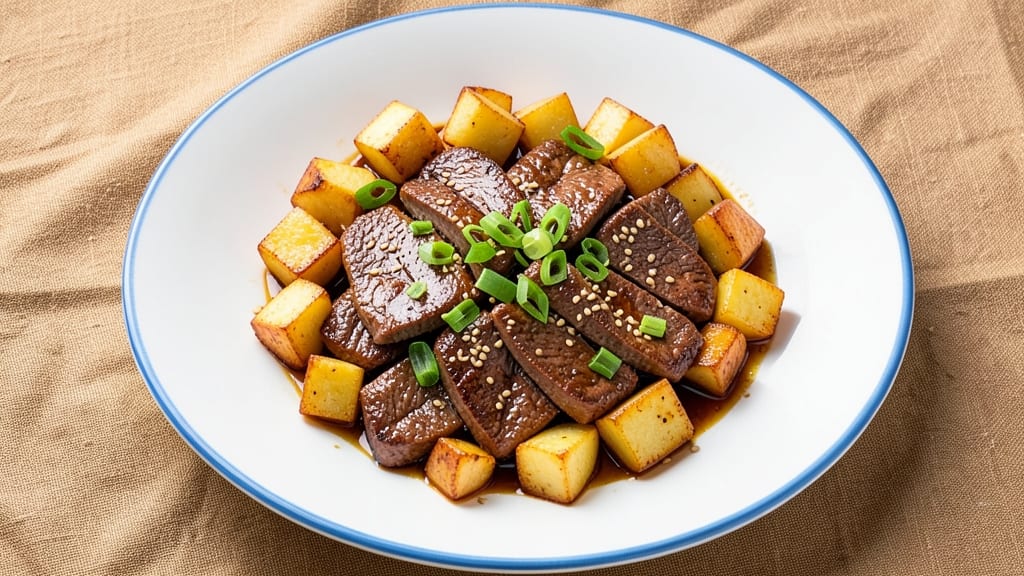
This beef and potato stir fry delivers restaurant-quality wok sear and silky sauce in just 30 minutes—no takeout required. The secret lies in high-heat searing of beef strips and crisp-tender potatoes, followed by a velvety soy-ginger sauce that coats every bite.
I developed this recipe after years of testing stir-fry techniques, and the difference between home versions and restaurant quality comes down to proper heat control and sauce integration.
What sets this dish apart is the perfect balance of textures: crispy beef with caramelized edges, tender potatoes that hold their shape, and a sauce that's both sweet and savory without overpowering the natural flavors.
The potatoes are pre-cooked slightly to ensure they finish perfectly while the beef sears, eliminating the guesswork of undercooked centers. This method transforms simple ingredients into a meal that feels special.
By the time you plate this dish, you'll have golden-brown beef strips, potatoes with crispy edges, and a glossy sauce that clings beautifully. The aroma alone—smoky from the wok, aromatic from the ginger and garlic—will have everyone at the table anticipating that first bite.
The best part? It's a one-pan meal that comes together faster than ordering takeout.
Serve this stir fry over steamed rice for the full experience, or as-is for a hearty vegetable-free main dish. The recipe scales easily for crowds, and leftovers reheat beautifully. Let's get started on creating this wok-seared masterpiece that's sure to become a weeknight favorite.
Ingredients for beef and potato stir fry
Restaurant-quality wok sear and velvety sauce start with these 14 precision ingredients.
| Ingredient | Amount | Notes |
|---|---|---|
| Flank Steak 🥩 | 1 ¼ lb | Thinly sliced against grain, 1/4-inch thick |
| Yukon Gold Potatoes 🥔 | 1 ½ lb | Cut into 1-inch cubes, par-cooked |
| Extra-Virgin Olive Oil 🫒 | 2 tbsp | High smoke point for searing |
| Sesame Oil 🫒 | 1 tbsp | For finishing aroma |
| Low-Sodium Soy Sauce 🥢 | ½ cup | Kikkoman preferred for balance |
| Rice Vinegar 🍶 | 2 tbsp | White or seasoned |
| Fresh Ginger 🌿 | 2 tbsp | Finely minced, peeled |
| Garlic Cloves 🧄 | 6 cloves | Minced, not pressed |
| Honey 🍯 | 1 ½ tbsp | Wildflower preferred |
| Cornstarch 🌾 | 1 tbsp | For sauce thickening |
| Diamond Crystal Kosher Salt 🧂 | 1 ½ tsp | Adjust to taste |
| Black Pepper 🌶️ | ½ tsp | Freshly cracked |
| Green Onions 🧅 | 3 whole | Thinly sliced, for garnish |
| Toasted Sesame Seeds 🌱 | 1 tbsp | For garnish |
The beef selection is critical—flank steak delivers that signature stir-fry tenderness when sliced thinly against the grain. Costco or Whole Foods carry premium cuts, but any well-marbled flank steak works. Look for vibrant color and visible fat marbling, which renders during cooking for extra flavor. Yukon Gold potatoes are ideal for their buttery texture, but Russets work too—just par-cook them longer if using. For the ginger, fresh is non-negotiable—the dried powder lacks the aromatic punch this dish demands. If you can't find fresh, Trader Joe's carries high-quality frozen ginger that works in a pinch.
No low-sodium soy sauce? Regular soy sauce plus extra water mimics the balance, though you'll need to adjust salt at the end. Substituting rice vinegar with apple cider vinegar changes the flavor profile slightly—it'll be tangier but still effective. For the honey, agave nectar works in a 1:1 swap if avoiding refined sugar. The cornstarch can be replaced with arrowroot powder for a slightly clearer sauce. If you're watching carbs, reduce the potatoes to 1 lb and add shredded cabbage for volume. The green onions can be swapped for cilantro if you prefer that fresh herb note, though traditionalists will argue for the classic onion flavor.
Par-cook potatoes in boiling water for 8-10 minutes—they should be fork-tender but still hold shape. Drain well and pat dry before searing. The beef strips should be raw and cold when they hit the wok—this ensures proper searing. Store prepped ingredients in airtight containers: raw beef 1-2 days, cooked potatoes 3-4 days, and sauce components 5 days. Freeze sauce separately for up to 3 months—reheat gently to preserve its silky texture. For meal prep, assemble and refrigerate the entire dish (without reheating the sauce) for up to 3 days, then finish with fresh sauce and garnishes when ready to serve.
Why You'll Love This Recipe
- One-Pan Magic: I swear by this for nights when I’d rather watch TV than scrub pots—just slice the potatoes, sear the steak, and let everything caramelize together. The potatoes soak up all that savory sesame oil while the beef stays juicy, and honestly? That’s my kind of dinner.
- Umami Bomb: Between the low-sodium soy sauce and a finish of sesame oil, this dish hits just right—salty but not overpowering, with that deep, rich flavor that makes you forget it’s basically a stir-fry. The Yukon Golds add a buttery contrast that’s pure satisfaction.
- Weeknight Workhorse: I make this for busy mornings (yes, even on a Tuesday night) because it reheats like a dream and still tastes fresh. Double the batch, toss it in containers, and you’ve got lunch sorted—no sad office salads here.
- Budget Powerhouse: Flank steak stretches further than you’d think when sliced thin, and potatoes are the ultimate budget star. I’ll be real: this feeds four for the price of takeout, and the leftovers? Still better than delivery the next day.
Step-by-step instructions for wok-seared beef and potatoes
Master this technique for restaurant-quality texture contrasts—crispy edges, tender beef, and a glossy sauce.
Par-Cook and Season the Potatoes
Place the 1.5 lb Yukon Gold Potatoes in a single layer on a rimmed baking sheet. Drizzle with 1 tbsp of the extra-virgin olive oil and sprinkle with ½ tsp of the diamond crystal kosher salt. Toss gently to coat evenly.
Roast at 425°F for 20-25 minutes until the edges begin to brown and a knife slides in easily. This partial cooking prevents soggy potatoes while ensuring they finish perfectly in the wok. Remove and let cool slightly before proceeding—warm potatoes sear better than cold.
Marinate and Slice the Flank Steak
In a bowl, combine 0.5 cup low-sodium soy sauce, 1.5 tbsp honey, 2 tbsp rice vinegar, 2 tbsp minced fresh ginger, and 6 minced garlic cloves. Add the 1.25 lb flank steak and massage the marinade into the meat, ensuring full coverage. Let it marinate for at least 30 minutes (or up to 2 hours) at room temperature.
Slice the steak thinly against the grain into ¼-inch thick strips. This cut maximizes tenderness and creates bite-sized pieces perfect for stir-frying. Keep the steak in the marinade until ready to cook—it'll prevent drying during the searing process.
Build the Sauce Base
In a small bowl, whisk together the remaining 1 tbsp extra-virgin olive oil, 1 tbsp sesame oil, 1 tbsp cornstarch, and ½ tsp black pepper. This slurry will create the sauce's signature velvety texture. Set aside—it's ready when you need it.
In a separate bowl, combine any remaining marinade (about 2 tbsp) with 1 tbsp rice vinegar and 1 tsp honey. This mixture will balance the dish's flavors while adding depth to the finished sauce. Keep both mixtures nearby for the next step.
Wok-Sear the Beef and Potatoes
Heat a 14-inch wok or large skillet over high heat until smoking hot. Add the 1.25 lb marinated steak strips in a single layer, leaving space between pieces. Let them sear undisturbed for 1-2 minutes until they develop a deep caramelization.
Stir-fry vigorously for 2-3 minutes until the beef is 80% cooked—it should still have a slight pink center. Remove and set aside. In the same wok, add the 1.5 lb par-cooked potatoes and stir-fry for 3-4 minutes until they're heated through and slightly crispy on the edges.
Finish with Sauce and Garnish
Return the beef to the wok along with the potatoes. Pour in the cornstarch slurry and toss everything together for 1 minute until the sauce begins to thicken. Add the reserved marinade mixture and toss again for 30 seconds until everything is evenly coated.
Remove from heat and immediately garnish with 3 thinly sliced green onions and 1 tbsp toasted sesame seeds. Serve immediately over steamed jasmine rice to capture that perfect wok-hei—smoky, crispy, and bursting with umami-sweet balance.
Pro Tips For Making Beef And Potato Stir Fry
- CUT POTATOES IN EVEN SLICES: I used to eyeball it, and half my potatoes ended up mushy while others stayed raw. Instead, slice them all ¼-inch thick—no thinner, no thicker—using a mandoline or sharp knife. Toss them in cold water while prepping to keep them from browning, then drain right before cooking.
- SEAR STEAK IN BATCHES: Flank steak releases a ton of liquid when it hits the pan, and if you crowd it, you’ll steam the meat instead of getting that perfect crust. Cook half the steak at first, let it brown undisturbed for 2-3 minutes, then move it to a plate. Repeat with the rest—your pan won’t get soggy, and the beef won’t turn into shoe leather.
- USE SESAME OIL LAST: Sesame oil burns fast, and if you add it too early, it’ll scorch before the potatoes and beef are done. Instead, drizzle it in the final 30 seconds of cooking—just enough to coat the pan and give that nutty aroma. (Yes, even if you’re impatient like me.)
- PRE-COOK POTATOES FOR CRISPINESS: I learned this the hard way—raw potato chunks in a stir-fry just don’t cut it. Parboil them for 5 minutes until just tender, then drain and pat very dry before stir-frying. The extra step guarantees they’ll crisp up instead of turning into glue. (Your future self will thank you.)
Serving suggestions for this recipe
Rice Pairings
Steamed jasmine rice is my go-to base for this stir fry—its delicate floral aroma complements the bold flavors without overpowering them. For extra texture, use short-grain sushi rice (like Koshihikari) which absorbs the sauce beautifully while maintaining a slight chew. 🍚
If you prefer heartier options, try brown rice or forbidden black rice for added nutritional benefits and visual contrast. For a fusion twist, serve over cauliflower rice to make this dish lower-carb while keeping the same satisfying texture.
Vegetable Add-Ins
Add 1 cup sliced bell peppers (red or green) for natural sweetness that balances the soy sauce. I like to include ½ cup shredded carrots> for color and a subtle crunch. Both veggies should be cut into thin matchsticks to cook quickly in the wok.
For a more substantial side, prepare a quick cucumber salad> with rice vinegar, sesame oil, and a pinch of sugar. The cool, crisp texture provides perfect contrast to the warm stir fry.
Another great option is steamed bok choy> with a sprinkle of toasted sesame seeds>—it adds a peppery bite that cuts through the richness.
Protein Swaps
For a vegetarian version, swap the beef for extra-firm tofu> pressed and cubed, then pan-fried until crispy. Use the same marinade and cooking technique for best results. Another great option is mushrooms>—I recommend shiitake> or oyster mushrooms> for their meaty texture.
If you prefer poultry, use thinly sliced chicken breast> (about 1 lb>) marinated in the same soy-ginger mixture. Cook it just until fully done—overcooking makes it dry.
For seafood lovers, shrimp> (peeled and deveined) cooks in under 2 minutes>—just toss them in at the very end to avoid overcooking.
Garnish Upgrades
For an extra pop of color, add ¼ cup thinly sliced red cabbage>—it adds a refreshing crunch and vibrant hue. A sprinkle of crushed peanuts> (about 1 tbsp>) gives a satisfying nutty crunch. Both should be added just before serving to maintain freshness.
Fresh herbs elevate this dish instantly. Try cilantro> instead of green onions for a brighter, more herbaceous note. For a smoky finish, drizzle with 1 tsp chili oil> right before serving.
A squeeze of lime juice> (about 1 tsp>) just before eating brightens all the flavors.
Beverage Pairings
A crisp green tea> (like Sencha) complements the dish's umami and ginger notes beautifully. For something stronger, try a dry Riesling>—its acidity cuts through the richness while enhancing the soy sauce's depth. 🍷
If you prefer beer, a light lager> (like Corona or Asahi) works perfectly—its clean, refreshing profile balances the stir fry's bold flavors. For a non-alcoholic option, yuzu soda> (a Japanese citrus soda) provides a delightful citrus contrast that enhances the ginger and garlic flavors.
Nutrition facts
Frequently asked questions
Why do the potatoes need to be par-cooked?
Par-cooking the potatoes ensures they finish perfectly tender in the wok without turning mushy. The 20-25 minutes in the oven gives them a head start, so they only need 3-4 minutes of final searing to get crispy edges. This two-step method guarantees ideal texture every time.
Can I make this stir fry without a wok?
Use a 12-inch cast-iron skillet or heavy-bottomed frying pan. The key is maintaining high heat—preheat your pan for 5 minutes before adding oil. A wok distributes heat better, but any pan works if you keep the ingredients moving constantly.
What if my beef is still pink in the middle?
That's normal! The beef should have a slight pink center when removed from the wok—it'll finish cooking from residual heat while resting. For extra safety, cook it 1-2 minutes longer until just done. Never overcook, or it'll turn tough.
How can I make this dish spicier?
Add ½ tsp red pepper flakes to the sauce slurry or 1 tsp sriracha to the reserved marinade. For heat lovers, stir in 1 tbsp gochujang (Korean chili paste) when combining everything at the end. Adjust to taste!
Can I prep this ahead of time?
Yes! Marinate the beef for up to 2 hours ahead, and par-cook potatoes 1 day in advance. Store both refrigerated. Assemble and cook fresh—just reheat the sauce separately and combine at the end for maximum crispiness.