
Main Courses
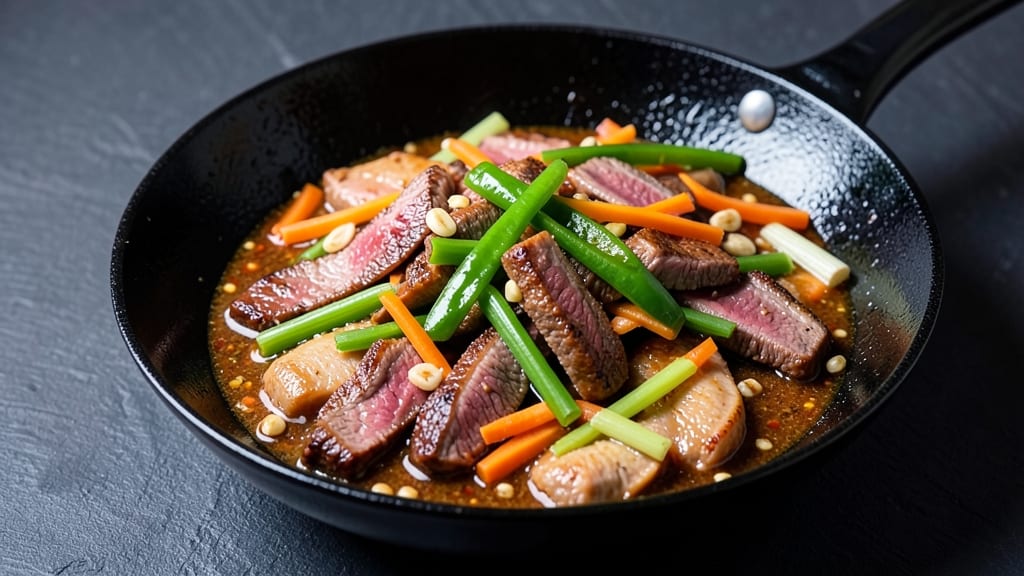
This beef and pork chop suey recipe delivers the perfect balance of wok-fired crunch and silky soy-ginger sauce that makes every bite unforgettable.
After years of perfecting stir-fry techniques, I've developed a method that transforms tough cuts of beef and pork into tender, flavorful pieces that hold up to the sauce's bold flavors.
The secret lies in high-heat searing followed by a quick sauce reduction that coats every ingredient in a glossy, aromatic finish.
What sets this recipe apart is the combination of traditional techniques and modern shortcuts—like prepping vegetables in advance and using a quick-rehydrating soy sauce blend. We'll start with thinly sliced beef and pork that cook in minutes, then add crisp-tender vegetables that maintain their texture through the stir-fry process.
The sauce, a blend of soy, oyster, and ginger, creates that signature glossy sheen while delivering deep umami flavor.
By the time you're done, you'll have a steaming wok of chop suey with perfectly seared proteins, vibrant vegetables, and a sauce that clings to every bite.
The aroma alone will have everyone gathering around the table, and the first taste will confirm why this dish has been a restaurant staple for decades. This recipe serves four and comes together in under 30 minutes—ideal for weeknight dinners or weekend gatherings.
The beauty of this chop suey is its versatility. While we're using beef and pork, you can easily swap in shrimp or chicken for a different protein profile. The same sauce works beautifully with tofu for a vegetarian version.
Garnish with toasted sesame seeds and sliced green onions for that final touch of freshness and crunch. Let's get cooking!
Ingredients for beef and pork chop suey
Thinly sliced proteins, crisp veggies, and a glossy sauce—here's what makes this chop suey shine.
| Ingredient | Amount | Notes |
|---|---|---|
| Flank Steak 🥩 | 1 lb | Thinly sliced against grain |
| Pork Shoulder 🐖 | 1 lb | Thinly sliced, trimmed |
| Green Bell Pepper 🌶️ | 1 whole | Thinly sliced, seeds removed |
| Carrots 🥕 | 2 medium | Julienned into matchsticks |
| Celery 🧅 | 2 stems | Julienned into matchsticks |
| Garlic Cloves 🧄 | 4 cloves | Minced finely |
| Fresh Ginger 🌿 | 1 inch | Peeled, grated |
| Soy Sauce 🍶 | ½ cup | High-quality, low-sodium |
| Oyster Sauce 🍲 | ¼ cup | Authentic brand preferred |
| Sesame Oil 🫒 | 1 tbsp | Toasted for aroma |
| Cornstarch 🌾 | 1 tbsp | For sauce thickening |
| Neutral Oil 🫒 | ½ cup | Vegetable or canola |
| Green Onions 🧅 | 3 whole | Sliced thin for garnish |
| Sesame Seeds 🌾 | 1 tbsp | Toasted for crunch |
| Salt 🧂 | 1 tsp | Kosher or sea salt |
The proteins are everything. Flank steak and pork shoulder are lean but tender when sliced thinly against the grain. Grab them from the butcher section—they'll cut them for you if you ask. I always check for good marbling, especially in the pork. Costco or local Asian markets usually have the best prices on these cuts. For the veggies, julienne them yourself—pre-cut stir-fry mixes lose their crunch. Look for firm carrots and celery with no soft spots. The bell pepper should be vibrant, not wilted.
No flank steak? Sirloin or ribeye works just as well—just slice it paper-thin. Swapping pork for chicken? Use boneless thighs, not breasts—they stay juicier. Running low on oyster sauce? Soy sauce plus a splash of balsamic mimics that umami depth. The sesame oil is non-negotiable for that authentic aroma—Trader Joe's has a great toasted version. Fresh ginger is ideal, but if you're using powdered, half the amount works. The cornstarch needs to be food-grade—Bob's Red Mill is my go-to.
Prep everything ahead so you're not chopping mid-cook. The proteins and veggies can sit in the fridge for 2 hours before stir-frying, but don't marinate them—they'll get mushy. The sauce keeps for 1 week in the fridge, so make extra for next time. Store leftovers in airtight containers with a paper towel on top to keep them crisp. Reheat gently in a skillet with a splash of water to restore that wok-fired crunch.
Why You'll Love This Recipe
- One-Pan Magic: I swear by this recipe when I’m too tired to wash dishes. Toss the flank steak and pork shoulder in one skillet with bell peppers, carrots, and celery—no fancy prep, just slice and stir. The veggies soften while the meat caramelizes, and suddenly you’ve got a restaurant-worthy dish with zero extra cleanup.
- Meat-Lover’s Dream: That combo of tender flank steak and juicy pork shoulder? It’s like a flavor bomb waiting to happen. The pork stays moist while the beef gets just enough chew, and the soy-ginger sauce ties everything together in a way that makes me reach for seconds. (Yes, even on a Tuesday night.)
- Lunchbox Hero: Here’s what sold me—this reheats like a champ. Pack the leftovers for work or school, and it’s still delicious hours later. The carrots and celery stay crisp, the meat doesn’t dry out, and honestly? It’s my go-to for busy mornings when I’m scrambling to get out the door.
- Budget-Friendly Feast: Flank steak and pork shoulder are affordable cuts that stretch across multiple meals. I’ve fed four people for under $15 with this recipe, and the veggies add bulk without breaking the bank. Plus, the leftovers taste just as good the next day—no sad, rubbery takeout for me.
Step-by-step instructions for wok-fired beef and pork chop suey
Let's bring this vibrant stir-fry to life with bold flavors and perfect texture.
Prep All Ingredients for Quick Cooking
Start by slicing the 1 lb flank steak and 1 lb pork shoulder thinly against the grain for tender bites. You'll want strips about ¼-inch thick—this ensures they cook quickly and evenly in the wok. While the meat rests, slice the 1 whole green bell pepper into thin strips, removing seeds first, and julienne the 2 medium carrots and 2 stems celery into matchsticks. Mince the 4 cloves garlic finely and grate the 1-inch fresh ginger—these aromatics will infuse the dish with depth.
In a small bowl, whisk together the 0.5 cup soy sauce, 0.25 cup oyster sauce, and 1 tbsp sesame oil for the sauce base. Set aside. Toast the 1 tbsp sesame seeds in a dry skillet over medium heat for 1-2 minutes until fragrant, then transfer to a plate. Thinly slice the 3 whole green onions for garnish. Having everything prepped ensures a smooth, fast cooking process—no stopping mid-stir-fry!
Sear the Meats Separately for Maximum Flavor
Heat 0.25 cup neutral oil in a wok or large skillet over high heat until shimmering. Add the 1 lb pork shoulder in a single layer and sear undisturbed for 2-3 minutes until the edges turn golden brown. Stir-fry for another 30 seconds, then remove and set aside. Repeat with the 1 lb flank steak, searing until just cooked through—2-3 minutes total. The high heat creates a caramelized crust while keeping the meat tender.
Don't overcrowd the pan—this is key to getting that perfect sear. If the oil smokes too much, reduce the heat slightly but keep it hot. The meat should release easily from the pan when ready. Keep both meats separate for now; we'll combine them later.
Stir-Fry the Vegetables Until Crisp-Tender
In the same wok, add another 0.25 cup neutral oil if needed and return to high heat. Toss in the julienned carrots, celery, and green bell pepper. Stir-fry vigorously for 3-4 minutes until the vegetables soften but still retain a satisfying crunch. Add the minced garlic and grated ginger, cooking for 30 seconds until fragrant—this is where the real flavor magic happens.
Here's the thing—vegetables cook fast, so keep moving them constantly. If they start to stick, add a splash of water and scrape up the browned bits from the bottom of the pan. These bits, called fond, are packed with flavor. Once the veggies are bright and just tender, push them to one side of the wok.
Combine Meats and Sauce for a Silky Gloss
Return both the pork shoulder and flank steak to the wok. Pour in the sauce mixture and sprinkle the 1 tbsp cornstarch over everything. Stir quickly to coat the meat and vegetables evenly in the sauce. Let it simmer for 1-2 minutes until the sauce thickens slightly and clings to the ingredients—this is your signal that the cornstarch has done its job.
Taste and adjust seasoning with the 1 tsp salt if needed. The sauce should be glossy and well-balanced, with a perfect harmony of salty, sweet, and umami flavors. If it's too thick, add a splash of water to loosen it. The goal is a sauce that coats the ingredients without being gluey.
Finish and Serve with Crunchy Toppings
Remove the chop suey from heat and immediately garnish with the toasted sesame seeds and sliced green onions. The contrast of textures—crispy seeds, tender meat, and slightly crunchy vegetables—elevates every bite. Serve hot over steamed rice or noodles to soak up that delicious sauce.
This dish is best enjoyed fresh, so don't let it sit too long. The flavors meld beautifully together, but the vegetables will continue to soften if left off the heat. Pair with a cold beer or green tea to complement the rich, savory notes. You've just made a restaurant-quality stir-fry at home!
Pro Tips For Making Beef And Pork Chop Suey
- Slice Against the Grain: Flank steak and pork shoulder both play better when cut thin and against the grain—this makes them tender enough for stir-fry. I used to fight the knife, but now I just angle it low and slice perpendicular to the muscle fibers (yes, even if it takes a few extra minutes). The difference in texture is night and day, especially when you’re tossing everything together later.
- Prep Veggies Unevenly: Skip the uniform chop—cut bell peppers into thick strips (1-inch), carrots into ½-inch chunks, and celery into 1-inch batons. The mix of textures keeps the chop suey interesting, and larger pieces stay crisp longer. I learned this after burning through three batches of mushier veggies, and now I resist the urge to make everything the same size.
- Cook Meat Separately: Don’t toss raw meat and veggies together—sear the flank steak and pork shoulder first until they’re 80% done, then set aside. This keeps the proteins juicy while the veggies get their time to shine. I used to crowd the pan, and the meat always ended up dry. Now I work in batches, and the sauce absorbs like a dream.
- Use Cold Water for Sauce: When thinning your sauce with water, use ice-cold liquid straight from the fridge. It cuts the heat faster and prevents the sauce from turning gluey mid-stir. I was skeptical until I tried it—I used to add boiling water, and the sauce would thicken into a paste. Cold water keeps it silky, even when you’re tossing everything at once.
Common mistakes when making great beef and pork chop suey
Overcrowding the Wok
This is my biggest pet peeve—packing the wok so tight that the meat and veggies steam instead of sear. When you overcrowd, the temperature drops dramatically, and you end up with soggy ingredients instead of that perfect wok-fired crunch.
I've seen home cooks try to cook everything at once, only to end up with a mushy mess. The fix? Cook proteins and veggies in batches if needed, and always leave space between ingredients for the heat to work its magic. 🔥
Skipping the Meat Rest
I can't tell you how many times I've seen people rush straight from slicing to cooking. Thinly sliced beef and pork need at least 15-20 minutes in the fridge to relax before hitting the wok.
This crucial step prevents them from curling up or releasing too much moisture during cooking. The result? Tough, chewy meat instead of tender, flavorful bites. Trust me, that short wait makes all the difference.
Using Cold Ingredients
Here's a rookie mistake that kills texture: throwing cold meat and veggies straight from the fridge into a hot wok. The temperature shock causes the proteins to seize up and release too much liquid, making everything greasy.
Always let your ingredients sit at room temperature for 10-15 minutes before cooking. This simple step ensures even cooking and maximum flavor extraction from your aromatics.
Low and Slow Cooking
Chop suey isn't a slow-cooked dish—it's all about high heat and quick cooking. I've seen people simmer their stir-fry for 10 minutes or more, and the result is always sad: mushy veggies and dry meat.
The proteins should cook in 2-3 minutes maximum, and veggies in 3-4 minutes. Keep that heat cranked high and move everything constantly. If your wok isn't hot enough, you're doing it wrong.
Neglecting the Sauce Thickening
Many home cooks pour the sauce in too early, letting it pool at the bottom instead of coating everything. The cornstarch needs to work its magic by being sprinkled over the hot ingredients, not dissolved in cold sauce.
I've seen people skip the cornstarch entirely, resulting in a watery mess. The sauce should thicken just enough to coat everything but still remain silky—about 1-2 minutes of simmering after adding the cornstarch. Taste as you go!
Poor Garnish Timing
Adding sesame seeds and green onions while the chop suey is still cooking will just make them wilt. The garnishes should go on at the very end, right when you're serving. I've seen people sprinkle them on too early, and the seeds lose their crunch while the onions turn limp.
The contrast of textures is what makes chop suey special—don't ruin that with poor timing. Save those garnishes for the final presentation. ✨
Nutrition facts
Frequently asked questions
Can I substitute chicken for the beef and pork?
Use 1 lb boneless chicken thighs instead of beef, as they stay juicier than breasts. For pork, swap with 1 lb pork tenderloin or chopped pork belly (trimmed of fat). Chicken thighs cook faster than pork—reduce their sear time to 1-2 minutes total. The sauce ratios remain the same, but chicken absorbs flavors differently, so taste and adjust salt afterward.
How do I make this vegetarian?
Replace the beef and pork with 1 lb extra-firm tofu (pressed and cubed) or 1 lb shiitake mushrooms (sliced). For umami depth, add 1 tbsp vegetarian oyster sauce or 1 tsp mushroom powder to the sauce. Tofu needs a 5-minute marinade in soy sauce before cooking, while mushrooms should brown for 3-4 minutes before adding veggies. The cornstarch helps bind the sauce to the tofu.
Can I make chop suey ahead of time?
Yes, but with a few tweaks. Cook the proteins and veggies separately, then store them in airtight containers in the fridge for up to 2 days. Reheat proteins and veggies separately over medium heat with a splash of water, then combine with fresh sauce (simmer 1 minute). For best texture, add sesame seeds and green onions just before serving. The sauce can be pre-made and stored for 1 week—just reheat gently before using.
What's the best rice to serve with this?
Jasmine rice is ideal—its slightly sweet, floral aroma complements the savory sauce beautifully. For extra texture, use short-grain sushi rice or brown rice. Cook rice to perfection: slightly sticky but not mushy. Pro tip: Rinse rice 3 times before cooking to remove excess starch, which prevents gummy texture. Serve warm to soak up every last bit of that glossy chop suey sauce!
Why does my chop suey taste bland?
Most likely, you're missing the umami boost from oyster sauce or didn't toast your sesame oil properly. For depth, add 1 tsp fish sauce or ½ tsp msg powder to the sauce. Also check your salt balance—the soy sauce alone may not be enough. Always taste as you go! The aromatics (garlic, ginger) should be cooked until fragrant (30 seconds max)—if they're raw, they'll taste harsh. Finally, ensure your wok is hot enough to develop caramelized flavors.