
Soups & Stews
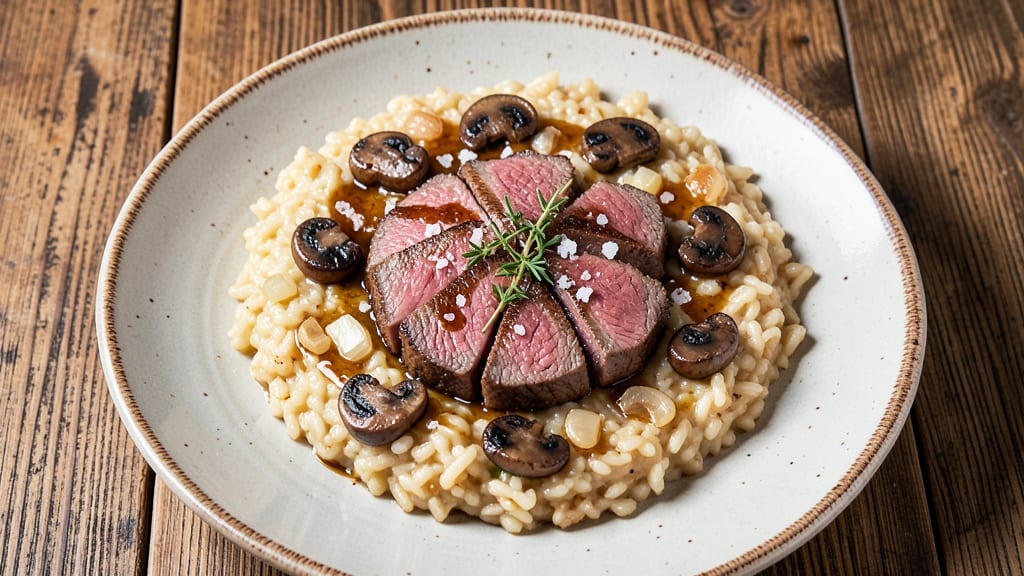
This beef and mushroom risotto delivers restaurant-quality creaminess with deep umami flavor that transforms simple ingredients into an elegant weeknight dinner. The secret lies in toasting Arborio rice until golden—this releases starches that create that signature velvety texture as you gradually add warm broth.
I've perfected this technique over years of testing, ensuring each grain stays perfectly al dente while building layers of savory depth from caramelized mushrooms and tender beef.
The process begins with searing beef strips until browned, then removing them to make room for mushrooms that develop rich, earthy notes in the same pan. Deglazing with white wine unlocks all those fond flavors, creating the flavor base before rice even enters the picture.
This isn't just risotto—it's a foolproof method that delivers professional results without requiring special skills or expensive equipment.
By the final stir, you'll have a dish that's impossibly creamy yet light, with mushrooms that melt into the rice and beef that stays tender despite the long cooking time.
The aroma alone—warm broth, toasted grains, and caramelized mushrooms—will have everyone gathering at your table. Garnish with fresh parsley and shaved Parmesan for that final touch of elegance.
Perfect for date nights, family dinners, or impressing guests, this risotto comes together in about 40 minutes with minimal active time. The key is patience—adding broth gradually allows the rice to absorb flavor without becoming mushy.
Trust the process, and you'll achieve results that taste like you spent hours in a professional kitchen.
Ingredients for beef and mushroom risotto
Toasted rice, caramelized mushrooms, and tender beef transform simple pantry staples into restaurant-quality risotto.
| Ingredient | Amount | Notes |
|---|---|---|
| Arborio Rice 🍚 | 1 ½ cups | Toasted for optimal starch release |
| Ribeye Steak 🥩 | 1 lb | Thinly sliced against grain |
| Cremini Mushrooms 🍄 | 1 ½ lb | Sliced 1/4-inch thick |
| Shallots 🧅 | 2 whole | Minced, for aromatic base |
| Garlic Cloves 🧄 | 4 cloves | Finely minced |
| Dry White Wine 🍷 | 1 cup | Bold, dry variety preferred |
| Beef Broth 💧 | 6 cups | Homemade or high-quality store-bought |
| Extra-Virgin Olive Oil 🫒 | ½ cup | For toasting rice and searing |
| Parmesan Cheese 🧀 | 1 cup | Freshly grated, for finishing |
| Fresh Parsley 🌿 | ¼ cup | Chopped, for garnish |
| Diamond Crystal Kosher Salt 🧂 | 1 ½ tsp | For seasoning and broth |
| Freshly Ground Black Pepper 🌶️ | ½ tsp | For finishing |
| Unsalted Butter 🧈 | 4 tbsp | Cold, for finishing |
The Arborio rice is non-negotiable—its high starch content creates that signature creamy texture. Barilla or Lundberg are my go-tos, but any brand labeled 'Arborio' will work. For the beef, ribeye delivers the best tenderness and flavor when sliced thinly against the grain. Most butchers will slice it for you if you ask—just bring your own packaging. Mushrooms should be firm and free of bruises; cremini or baby bella work perfectly. Shallots add depth without overpowering, so don't skip them. The white wine? Any bold, dry variety—Sauvignon Blanc or Pinot Grigio works great, but whatever's open in your fridge is fine too.
No Arborio rice? Carnaroli is the next best thing, but you'll need to toast it longer. Short on beef broth? Vegetable broth with 1 tbsp soy sauce adds umami depth. Fresh parsley wilting? Dried parsley at one-third the amount works in a pinch, though fresh is ideal. The Parmesan makes or breaks the finish—real Parmigiano-Reggiano grated yourself is worth the splurge. For extra richness, add 1 tbsp heavy cream at the very end. And if you're feeling adventurous, swap half the mushrooms for shiitake or oyster mushrooms for deeper earthy notes.
Toasted rice keeps for 3 days in an airtight container, but it's best used fresh. Beef and mushrooms can be prepped ahead—just store them separately in the fridge for up to 2 days. The finished risotto reheats beautifully; add a splash of broth and stir gently over low heat. For meal prep, portion into containers with a layer of Parmesan on top—it'll melt slightly and create a delicious crust. This dish tastes even better the next day as flavors meld together, so make extra if you can.
Why You'll Love This Recipe
- One-Pot Magic: I swear by this risotto because it’s actually one-pot—no fancy gadgets, no burnt rice. Just Arborio rice, beef broth, and a little love, all simmering together until it’s creamy without the fuss. (Yes, even on a Tuesday night.)
- Umami Bomb: That ribeye and earthy cremini mushrooms? Chef’s kiss. The mushrooms soak up the beefy richness while the shallots and garlic add a sweet, caramelized depth—every bite tastes like a hug from a French bistro.
- Weeknight to Dinner Party: Same recipe, totally different vibes. Toss it together for a lazy Thursday or dress it up with a sprinkle of Parmesan and fresh thyme for guests. The Arborio rice handles both like a champ.
- Leftovers That Don’t Suck: Most risottos turn into sad mush the next day, but this one? Not here. The ribeye stays tender, the mushrooms hold their texture, and reheating it with a splash of broth keeps it creamy. My lunch for days.
Step-by-step instructions for beef and mushroom risotto
Here's how to transform simple ingredients into a velvety, umami-rich risotto that rivals restaurant quality.
Toast the Arborio Rice for Maximum Creaminess
Heat the 0.5 cup extra-virgin olive oil in a large, heavy-bottomed pot over medium heat. Add the 1.5 cups Arborio rice and stir constantly for 3-4 minutes until the grains become translucent and slightly golden around the edges. This toasting process releases the rice's natural starches, which will later create that signature creamy texture.
I always use a heavy pot because risotto requires constant stirring, and a thin pot would make this impossible. The rice should smell nutty and toasted—this is your cue that the starches are activating. If you see the rice starting to brown too quickly, reduce the heat slightly to prevent burning.
Sear the Ribeye and Sauté the Mushroom-Shallot Base
Remove the pot from heat and set aside. In the same pot, add 0.25 cup extra-virgin olive oil and increase heat to medium-high. Add the 1 lb ribeye steak sliced against the grain, and sear for 2-3 minutes until the edges are browned and the meat is just cooked through. Remove the steak and set aside, leaving the rendered juices in the pot.
In the same pot, add the 1.5 lb cremini mushrooms sliced into ¼-inch thick pieces and the 2 whole shallots minced finely. Cook for 5-6 minutes until the mushrooms release their moisture and the shallots become soft and translucent. Add the 4 cloves garlic cloves finely minced and cook for another 30 seconds until fragrant. This aromatic base forms the flavor foundation of your risotto.
Deglaze and Build the Risotto Layer by Layer
Pour in the 1 cup dry white wine and stir vigorously, scraping up all the browned bits from the bottom of the pot. This deglazing step captures all the concentrated flavors. Let the wine reduce by half—you'll see it shrink and intensify in flavor—before adding ½ cup hot beef broth at a time, stirring constantly after each addition.
Here's the thing—risotto is all about patience. Each addition of broth should be absorbed before adding the next. This gradual process allows the rice to absorb flavor gradually while maintaining its creamy texture. It typically takes about 18-20 minutes from the point you add the first broth until the rice is al dente.
Finish with Butter, Cheese, and Herbs
When the rice is tender but still has a slight bite (it should still have a small, firm center when bitten), remove it from heat. Stir in the 4 tbsp unsalted butter and 1 cup freshly grated Parmesan cheese until fully melted and incorporated. The butter adds richness, while the Parmesan contributes a sharp, salty depth that balances the dish.
Return the seared ribeye steak to the pot and toss gently to coat in the creamy risotto. Season with 0.5 tsp freshly ground black pepper and taste—adjust the seasoning with additional salt if needed. The risotto should be creamy but not soupy, with each grain distinct yet coated in sauce.
Rest and Serve Immediately
Let the risotto rest for 2-3 minutes off the heat. This brief resting period allows the flavors to meld and the sauce to thicken slightly. Garnish with 0.25 cup chopped fresh parsley and serve immediately while still warm. The contrast of the warm risotto against the cool parsley adds a fresh finish that elevates the dish.
Each bite should deliver a perfect balance of creamy Arborio rice, earthy mushrooms, rich beef, and the umami depth from the slow-cooked broth. The texture should be luxurious—creamy yet with individual grains still discernible. Serve with a crisp white wine to complement the dish's rich flavors.
Pro Tips For Making Beef And Mushroom Risotto
- CRISP THE MUSHROOMS FIRST: I used to toss them in raw with the shallots, but that just makes the risotto taste like a sad, waterlogged stew. Sear the mushrooms in a separate pan until they’re deeply browned—almost caramelized—before adding them back. That rich, toasted flavor cuts through the creaminess later, and you’ll taste the difference right away.
- SWEAT THE SHALLOTS LOW: Don’t rush this step—high heat turns them bitter faster than you’d think. Cook them over medium-low for 5-6 minutes until they’re translucent but not colored, then add the garlic just before it hits. If they start to sizzle too much, pull the pan off the heat for a second. Patience here means no harsh, burnt notes in your risotto.
- STIR THE RICE LIKE YOU MEAN IT: I’ve seen people treat risotto like a lazy stir-fry, and that’s how you end up with gummy rice. Use a wooden spoon and scrape the bottom aggressively—every 2-3 minutes—so the starch releases properly. The goal is to break up any clumps and let that toasty crust form. Yes, it’s tedious, but that’s how you get the creamy texture without adding extra butter.
- REST THE STEAK RIGHT: Slice the ribeye against the grain after it’s rested for at least 5 minutes under foil. Cutting it too soon makes it tough, and slicing against the grain ensures each bite has that tender, melt-in-your-mouth quality. Pro tip: If you’re short on time, slice it thinner than you think you should—it’ll still taste better than if you rush the resting.
Regional styles of beef and mushroom risotto
Italian Classic
This risotto's roots trace back to Northern Italy, where it originated as a peasant dish using simple ingredients like rice, broth, and whatever vegetables were available.
The original version often included saffron for color and richness, but modern adaptations like this beef and mushroom version keep the creamy texture while adding hearty protein. In Lombardy and Piedmont, risotto is considered a staple, often served with bone broth for extra depth.
I've always found that the Italian approach focuses on slow, patient cooking—adding broth gradually to develop that signature creamy consistency. 🍷
French Influence
The French elevated risotto to fine dining with their sauce technique, particularly the use of beurre manié (butter and flour paste) to thicken the final dish. While traditional Italian risotto relies on the rice's natural starches, French chefs often finish with this paste for extra richness.
In Parisian bistros, beef and mushroom risotto is a common dish, often paired with red wine reductions. The key French touch? A shallot-infused broth that adds subtle sweetness to balance the earthy mushrooms.
I like to incorporate this by adding a splash of white wine reduction at the end for that extra layer of complexity.
American Twist
Across the US, risotto has been adapted to local tastes, with cheddar cheese replacing Parmesan in some regions and smoked sausage added for a heartier profile. In California, you'll find versions with avocado, lime, and cilantro for a fresh, zesty twist.
My favorite American adaptation? Adding a touch of cream cheese at the end for extra creaminess without overpowering the dish. The Midwest often leans into hearty mushrooms like porcini and pairs risotto with garlic bread for a satisfying meal.
The key is balancing tradition with local ingredients—whether that means swapping Parmesan for pecorino or adding a dash of hot sauce for a Southern kick.
Japanese Fusion
In Tokyo and Osaka, risotto has been reimagined with Japanese flavors, incorporating ingredients like miso paste, shitake mushrooms, and even sesame oil. The result is a dish that's both creamy and umami-rich, with a subtle sweetness from the miso.
Japanese chefs often use short-grain rice instead of Arborio, which adds a slightly sticky texture. For a fusion twist, I like adding a drizzle of soy-glazed beef and finishing with toasted sesame seeds.
The contrast of the creamy risotto with the bold, savory Japanese flavors creates a truly unique dining experience. 🌶️
Spanish Adaptation
Spain's version often includes chorizo or jamón ibérico, adding smoky, spicy notes to the dish. In Barcelona, you'll find risotto with roasted red peppers and aioli, while the Basque Country incorporates txakoli wine for a tangy finish.
The Spanish approach focuses on bold flavors—think smoked paprika and garlic-infused olive oil. I love adding a touch of smoked paprika** to the mushroom base for a subtle smokiness that pairs perfectly with the beef.
The result is a dish that's rich, smoky, and full of depth—ideal for a hearty meal.
Nutrition facts
Frequently asked questions
Can I substitute regular rice for Arborio?
Regular white rice won't work—it lacks the high starch content needed for creamy risotto. For the best results, use Carnaroli rice if you can't find Arborio, but toast it for 5-6 minutes instead of 3-4. Short-grain rice like sushi rice can work in a pinch, but the texture will be stickier rather than creamy.
How do I prevent my risotto from getting mushy?
Mushy risotto happens when rice absorbs too much liquid too quickly. Always stir constantly after adding broth, and only add the next ladle when the previous one is fully absorbed. Keep heat at medium-low—never high—so the rice cooks gently. If it looks dry before finishing, add 1-2 tbsp warm broth at a time.
What's the best way to reheat leftover risotto?
Reheating risotto is tricky—it can turn gluey if overdone. Add 1-2 tbsp broth per cup of risotto and stir over low heat for 2-3 minutes max. For best results, cover and let it sit 5 minutes off heat before serving. Microwaving is not recommended—it creates uneven textures.
Can I make this vegetarian?
Swap the beef for mushroom duxelles (finely chopped mushrooms cooked with garlic) or marinated tofu. Use vegetable broth instead of beef broth, and add 1 tbsp nutritional yeast for umami depth. The same technique applies—just build flavor through mushrooms and aromatics.
Why does my risotto taste bland?
Bland risotto usually means insufficient flavor buildup. Start by searing the beef and mushrooms until deeply browned—this creates the Maillard reaction for rich flavor. Deglaze with wine and reduce it completely. Taste as you go—add 1 tsp soy sauce or ½ tsp smoked paprika if needed. Fresh herbs at the end (parsley, thyme) brighten flavors too.