
Soups & Stews
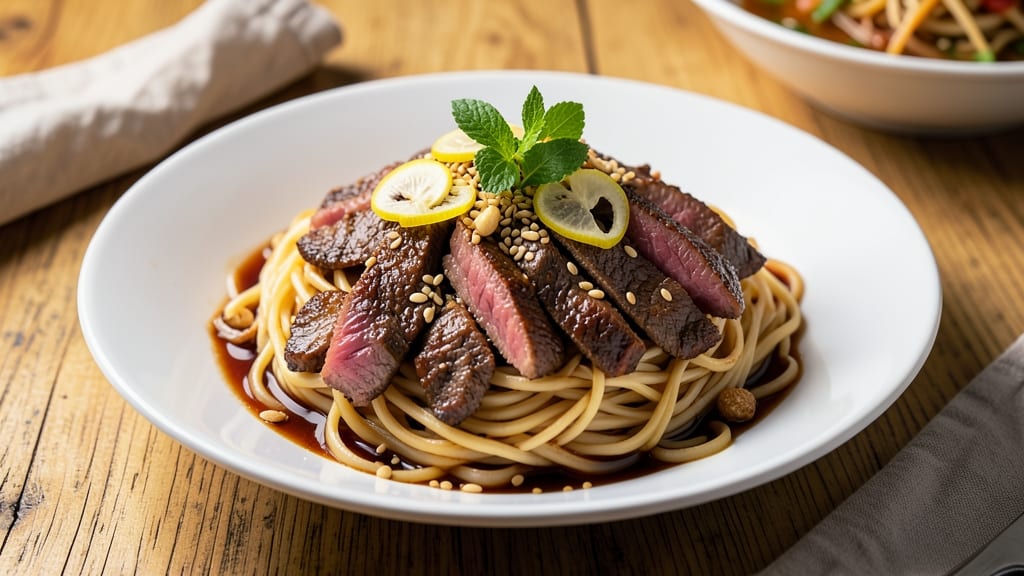
This beef and hokkien noodles recipe delivers the perfect balance of wok-fired crunch and silky soy-ginger flavors in every bite. 🌟 The secret lies in properly searing the beef for tender yet chewy texture, then combining it with chewy noodles and a rich, aromatic broth that's both savory and subtly sweet.
I've refined this recipe over countless weeknight dinners to ensure it's restaurant-quality without requiring advanced techniques.
The foundation begins with thinly sliced beef that's marinated in a blend of soy sauce, ginger, and cornstarch—this creates that signature caramelized crust while keeping the interior juicy. Meanwhile, the noodles are prepared just al dente to maintain their bite after cooking.
The real magic happens when you stir-fry everything together in a hot wok, where the high heat develops deep, complex flavors in just minutes.
What you'll end up with is a steaming bowl of beef and hokkien noodles where each component plays its part: tender beef slices, chewy noodles, and a glossy broth infused with garlic, ginger, and chili.
The aroma alone will have everyone gathering around the table, and the first bite delivers that perfect harmony of textures and flavors that makes this dish so universally loved.
This recipe serves four and comes together in about 30 minutes, making it ideal for busy weeknights when you still want to enjoy a restaurant-quality meal. The technique is straightforward but requires attention to timing—especially when stir-frying the beef and vegetables. Let's get cooking!
Ingredients for beef and hokkien noodles
Thinly sliced beef, chewy noodles, and aromatic soy-ginger flavors come together in this restaurant-quality dish.
| Ingredient | Amount | Notes |
|---|---|---|
| Flank Steak 🥩 | 1 lb | Thinly sliced against grain |
| Hokkien Noodles 🍜 | 8 oz | Dried, yellow egg noodles |
| Light Soy Sauce 🥄 | ½ cup | For marinade and sauce |
| Dark Soy Sauce 🥄 | 1 tbsp | For color and depth |
| Cornstarch 🌾 | 1 tbsp | For tenderizing beef |
| Fresh Ginger 🧄 | 1 ½ tbsp | Grated, peeled |
| Garlic Cloves 🧄 | 6 cloves | Minced for marinade |
| Sesame Oil 🫒 | 1 tbsp | For aroma |
| Vegetable Oil 🫒 | ¼ cup | High smoke point |
| Red Chili Flakes 🌶️ | ½ tsp | Adjust to taste |
| Green Onions 🧅 | 3 whole | Sliced, for garnish |
| Sesame Seeds 🌰 | 1 tsp | Toasted for garnish |
| Salt 🧂 | 1 tsp | Kosher or sea salt |
| White Pepper 🌶️ | ¼ tsp | Freshly ground |
| Water 💧 | 4 cups | For cooking noodles |
The flank steak is non-negotiable here—it's lean but tender when sliced properly. Ask your butcher to cut it thinly against the grain (about 1/8-inch thick), or do it yourself with a sharp knife. I always grab mine from Whole Foods or Costco—look for good marbling to ensure juiciness. For the hokkien noodles, King Noodle or Heng Heng brands are my go-tos, but any yellow egg noodles work in a pinch. The key is to cook them just al dente so they maintain their chewy bite after stir-frying. Fresh ginger and garlic are worth the extra minute to grate and mince—pre-minced jars lack freshness.
No light soy sauce? Substitute with regular soy sauce plus a splash of mirin for brightness. Running short on cornstarch? Arrowroot powder works 1:1. The sesame oil might seem small, but it's what gives that authentic aroma—don't skip it. For extra heat, swap red chili flakes for Sichuan peppercorns (toasted and ground). The green onions add freshness, but if you're out, cilantro or scallions work just as well. Pro tip: Toast your sesame seeds in a dry pan for 30 seconds before garnishing—they'll be more aromatic.
Store leftover beef and noodles separately in airtight containers for up to 3 days. Reheat in a hot wok with a splash of water to revive the crispiness. The marinade leftovers? Freeze for up to 3 months—perfect for quick stir-fry bases. For a shortcut, prep all ingredients ahead: slice the beef and onions, grate the ginger, and mix the marinade. Everything comes together in 15 minutes when you're ready to cook.
Why You'll Love This Recipe
- One-Pan Magic: I swear by this for nights when I’m too tired to dirty extra dishes. Sear the flank steak in the same wok where the noodles will cook—minimal cleanup, maximum flavor. The dark soy sauce caramelizes right into that pan, so you’re not left scraping burnt bits off three surfaces.
- Umami Bomb: That combo of light and dark soy sauce? It’s like a flavor explosion in your mouth. The dark soy gives the beef a glossy, caramelized crust, while the light keeps it bright and savory. Honestly, the first time I tasted it, I wondered why I didn’t make this sooner.
- Lunchbox Hero: Between us, this is my go-to for meal prep—packs perfectly for work lunches or school lunches. The noodles stay al dente even after reheating, and the beef slices neatly. (Yes, even on a Tuesday night when I’m rushing.)
- Budget Powerhouse: Flank steak stretches further than you’d think when sliced thin, and hokkien noodles are cheap but feel fancy. A single package of noodles and a pound of steak feed two people heartily, and leftovers reheat like a dream. My wallet—and my taste buds—thank me every time.
Step-by-step instructions for wok-fired beef and hokkien noodles
Master this dish with precise timing and high-heat technique for perfect texture every time.
👨🍳 Step 1: Marinate and Prep the Flank Steak
Slice the 1 lb flank steak thinly against the grain into ¼-inch thick strips. In a bowl, combine 0.5 cup light soy sauce, 1 tbsp dark soy sauce, 1 tbsp cornstarch, 1.5 tbsp grated fresh ginger, 6 minced garlic cloves, 1 tsp salt, and 0.25 tsp white pepper. Add the steak strips and toss to coat completely. Let marinate for 20-30 minutes at room temperature—this ensures maximum tenderness and flavor absorption.
Here's the thing—don't skip the cornstarch. It acts as a meat tenderizer while also helping create that signature silky texture in the finished dish. I press the marinade into the meat with my fingers to make sure every strip gets coated. If you're short on time, even 15 minutes of marinating will help, but 30 minutes is ideal.
🔥 Step 2: Cook the Noodles Al Dente
Bring 4 cups water to a rolling boil in a pot. Add the 8 oz hokkien noodles and cook for 2 minutes less than package instructions—these noodles should be al dente with a slight bite. Drain immediately and rinse briefly under cold water to stop cooking. Toss with 1 tbsp sesame oil to prevent sticking and maintain that fresh texture.
Don't overcook the noodles—they'll finish cooking in the wok. I always test one noodle by biting it—it should have a pleasant resistance but still be tender. The rinse step is crucial too; it removes excess starch that would make your noodles mushy when combined with the sauce later.
🍳 Step 3: Stir-Fry the Steak to Perfect Doneness
Heat 0.25 cup vegetable oil in a wok or large skillet over high heat until shimmering. Add the marinated steak in a single layer and let it sear undisturbed for 1-2 minutes until the edges turn golden brown. Stir-fry for another 2-3 minutes until the steak is cooked through but still slightly pink in the center—it'll finish cooking with the noodles.
This is the moment that matters: don't crowd the pan. If you add too much steak at once, the temperature will drop and you'll steam instead of sear. Work in batches if needed, keeping the cooked steak warm in a bowl. The steak should be tender but still have a slight chew—overcooking turns it tough.
🥘 Step 4: Combine and Finish with Sauce
Push the cooked steak to one side of the wok and add 0.5 tsp red chili flakes and sliced green onions. Toss the al dente noodles into the wok with the steak. Pour any remaining marinade over the noodles and stir-fry for 2 minutes until everything is well combined and heated through. The residual heat will cook the noodles perfectly while keeping them from turning mushy.
For the final touch, drizzle with an extra ½ tbsp sesame oil and sprinkle with 1 tsp toasted sesame seeds. Taste and adjust seasoning—you might want to add a splash more light soy sauce if needed. The sauce should coat the noodles lightly without making them soggy. Serve immediately while everything is hot and the textures contrast perfectly.
Pro Tips For Making Beef And Hokkien Noodles
- SLICE THIN, COOK FAST: Flank steak fights you when it’s thick—cut it against the grain into ¼-inch slices, then sear in batches on screaming-hot wok oil for 30 seconds max. I learned this the hard way after serving rubbery beef that needed a fork.
- USE DARK SOY SAUCE LAST: Splash dark soy sauce in only at the very end—it burns fast and turns bitter if you add it early. A teaspoon at the last 30 seconds gives that glossy, caramelized look without sacrificing flavor.
- DON’T BOIL THE NOODLES: Hokkien noodles should be parboiled (90 seconds in boiling water), then finished in the wok with the beef. Overcooking turns them mushy—drain them just before they’re al dente and toss straight into the pan.
- MIX CORNSTARCH WITH OIL: Skip the water slurry—whisk cornstarch with 1 tsp neutral oil instead. It clings better to the beef, creating a glossier, more even coating that thickens the sauce without clumping. (Yes, it sounds weird, but it works.)
Storing and reheating this dish
Fridge Storage Tips
Store leftover beef and noodles separately in airtight containers for up to 3 days. I use glass Pyrex containers with tight-sealing lids to maintain freshness. Keep the beef in one container and the noodles in another—this prevents sogginess when reheating.
Label with dates to track freshness, especially important since beef can dry out faster than noodles. ❄️
Freezing Components
Freeze the marinated beef separately in a single-layer tray for 1 month before transferring to a ziplock bag. This prevents freezer burn and makes portioning easier. The hokkien noodles freeze poorly due to their texture, so I recommend cooking them fresh when reheating.
For the sauce base, freeze any leftover marinade in ice cube trays—perfect for quick stir-fry boosts later. 💡
Reheating for Crispiness
Revive the beef by reheating in a hot wok with 1 tbsp vegetable oil over high heat for 2-3 minutes. Add a splash of water to create steam and prevent drying.
For noodles, cook fresh or reheat in the same wok with 1 tbsp sesame oil and a pinch of salt for 1-2 minutes—this restores their chewy texture. Never microwave both together; the beef will turn rubbery. 🔥
Sauce Refresh Tricks
If the sauce tastes flat after reheating, boost it with ½ tsp grated fresh ginger and 1 tsp light soy sauce. For extra richness, add 1 tsp oyster sauce or a splash of chicken stock.
I also keep a small bowl of chili oil on hand to drizzle for heat—it cuts through any reheating dullness. Always taste and adjust before serving. 🌶️
Make-Ahead Prep
Prep all components ahead: slice the beef, grate ginger, and mix the marinade. Store in separate containers in the fridge for up to 2 days. On cook day, stir-fry the beef and cook the noodles fresh—this ensures perfect texture.
The marinade can even be prepped 3 days ahead and stored in the fridge. This cuts active cooking time to just 15 minutes. ✨
Nutrition facts
Frequently asked questions
Why is the beef so important in this dish?
The beef provides the dish's signature texture and flavor. Using flank steak sliced thinly against the grain ensures tender yet chewy bites that contrast perfectly with the noodles. The marinade with cornstarch and soy sauce creates that signature silky texture while keeping the meat juicy.
Can I use regular egg noodles instead of hokkien noodles?
Yes, but the texture will differ slightly. Hokkien noodles have a chewier bite that holds up better to stir-frying. For a similar effect, use yellow egg noodles and cook them 1 minute less than package instructions. Rinse briefly in cold water before combining with the beef to prevent mushiness.
How do I prevent the noodles from turning mushy?
Cook the noodles al dente (1-2 minutes less than package time) and rinse briefly in cold water to stop cooking. When stir-frying, use high heat and cook for only 2 minutes with the beef. Overcrowding the pan lowers the temperature, which causes steaming instead of proper cooking.
What's the best way to add extra vegetables?
Add vegetables like bell peppers, mushrooms, or bok choy in the final 1-2 minutes of stir-frying. Start with ½ cup and adjust to taste. For crunch, add water chestnuts or snap peas last minute. Avoid soft veggies like zucchini—they'll turn mushy in the hot wok.
Can I make this dish spicier?
Add 1 tsp extra red chili flakes or swap them for 1 tbsp chili garlic sauce. For heat with depth, stir in 1 tsp Sichuan peppercorns (toasted and ground) during the final stir-fry. Always taste before serving—you can adjust, but you can't take it out!