
Soups & Stews
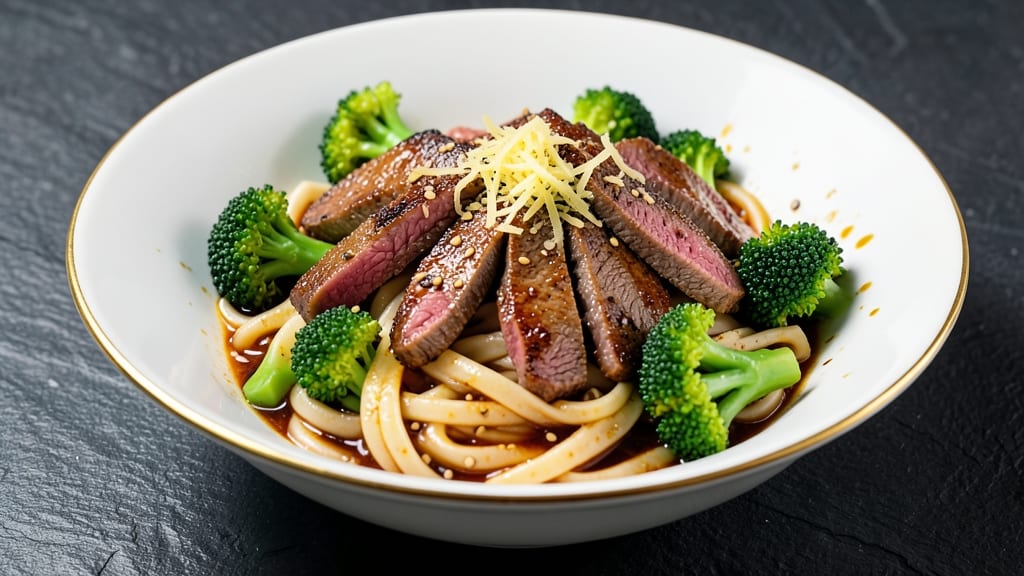
This beef and broccoli udon stir fry delivers restaurant-quality harmony in every bite—crisp-tender beef, vibrant broccoli, and silky udon noodles all wok-fired to perfection. The secret lies in high-heat searing for beef that stays juicy yet develops a caramelized crust, while the broccoli retains its satisfying crunch.
I've perfected this technique over countless weeknight dinners, balancing bold flavors with the right texture contrast that makes each component shine.
The recipe begins with properly prepping the udon noodles—soaking them just until pliable, then tossing with a touch of oil to prevent sticking during the stir-fry. Meanwhile, thinly sliced beef gets marinated in a simple soy-ginger-garlic blend, ensuring maximum flavor penetration before hitting the wok.
The sauce, a perfect balance of sweet, salty, and umami, ties everything together with its velvety consistency that coats every noodle and vegetable.
What you'll end up with is a dish that's equal parts comforting and exciting—golden-brown beef, bright green broccoli florets, and glossy udon noodles all coated in that rich, aromatic sauce.
The high-heat stir-fry technique creates the perfect texture contrast: tender beef, crisp broccoli, and silky noodles that hold their shape without becoming mushy. This is the kind of meal that transforms a simple weeknight into something special without requiring hours in the kitchen.
Serve immediately with optional garnishes like toasted sesame seeds and sliced green onions for added texture and freshness. The leftovers reheat beautifully, making this an excellent meal prep option for busy weeks. Let's create this wok-fired masterpiece that brings restaurant-quality flavor to your home kitchen.
Ingredients for beef and broccoli udon stir fry
Fourteen ingredients transform into a restaurant-quality stir-fry with perfect texture contrast and bold flavors.
| Ingredient | Amount | Notes |
|---|---|---|
| Udon Noodles 🍜 | 8 oz | Fresh or dried, dried soaked per package |
| Ribeye Steak 🥩 | 1 lb | Thinly sliced against grain |
| Broccoli Florets 🥦 | 4 cups | Fresh, cut into bite-sized pieces |
| Sesame Oil 🫒 | 1 tbsp | Toasted for aroma |
| Soy Sauce 🥄 | ½ cup | High-quality, low-sodium preferred |
| Fresh Ginger 🌿 | 2 tbsp | Grated, finely minced |
| Garlic Cloves 🧄 | 6 cloves | Minced, aromatic |
| Honey 🍯 | 2 tbsp | Pure, for balance |
| Rice Vinegar 🍶 | 2 tbsp | Seasoned preferred |
| Vegetable Oil 🫒 | ½ cup | High smoke point |
| Toasted Sesame Seeds 🌰 | 1 tbsp | For garnish |
| Green Onions 🧅 | 3 whole | Sliced, for garnish |
| Salt 🧂 | 1 ½ tsp | Diamond Crystal preferred |
| White Pepper 🌶️ | ½ tsp | Freshly ground |
The udon noodles are the foundation—fresh udon from Asian markets delivers the best texture, but dried works in a pinch. Look for ribeye steak with good marbling; Costco or Whole Foods carry excellent cuts. Broccoli should be vibrant green with tight florets—Trader Joe's organic selection is ideal. Fresh ginger and garlic are non-negotiable for authentic flavor; Penzeys spices offer premium quality. The sesame oil must be toasted—no refined versions here. For the sauce components, Kikkoman soy sauce and Miyoko's sesame oil elevate the dish.
No fresh ginger? Powdered ginger at half the amount works, though fresh is preferred. Substitute honey with maple syrup for a similar sweetness profile. Out of sesame oil? Avocado oil is a neutral alternative, though it lacks the aromatic depth. For the beef, flank steak or sirloin can replace ribeye—just slice against the grain. The udon noodles can be swapped for rice noodles if preferred, though udon's chewy texture is ideal. Broccoli can be replaced with bok choy or snap peas for variety, but maintain the 4 cups total volume for proper texture contrast.
Prep the udon noodles first—they should be soaked 3-4 minutes until pliable, then tossed with a touch of oil to prevent sticking. Store any unused fresh ginger in the freezer; it keeps for months. The sauce components can be pre-mixed and stored in the fridge for 5 days. For optimal freshness, assemble the stir-fry just before serving. Leftover beef can be repurposed in salads or grain bowls, while extra sauce keeps well for 1 week refrigerated.
Why You'll Love This Recipe
- Here’s what sold me: pack leftover stir-fry in containers with a little extra soy sauce, and it’s a grab-and-go lunch that still tastes like a restaurant meal. (Yes, even on a Tuesday night.)
- No Chopping Hassle: I swear by this one—just slice the ribeye thin (or buy pre-sliced), break the broccoli into florets, and toss everything in. Udon cooks in minutes, and the stir-fry? Done before the first commercial break.
- Umami Bomb Combo: That ribeye’s savory depth meets the chewy, slightly salty udon, while the broccoli adds a fresh crunch. A splash of sesame oil at the end? Pure flavor magic—sweet, nutty, and impossible to resist.
- Lunchbox Hero: Here’s what sold me: pack leftover stir-fry in containers with a little extra soy sauce, and it’s a grab-and-go lunch that still tastes like a restaurant meal. (Yes, even on a Tuesday night.)
Step-by-step instructions for beef and broccoli udon stir fry
Master this wok-fired harmony of tender beef, crisp broccoli, and silky udon in precise, professional steps.
Prepare the Udon Noodles and Marinate the Ribeye
Begin by preparing the udon noodles according to package instructions using boiling water. If using dried noodles, soak them for 5-7 minutes until pliable but still slightly firm to the bite. Drain immediately and rinse under cold water to stop cooking. Toss with 1 tablespoon sesame oil to prevent sticking and set aside.
While the noodles cook, slice the ribeye steak thinly against the grain into ¼-inch thick strips. In a small bowl, combine ½ cup soy sauce, 2 tablespoons rice vinegar, 2 tablespoons honey, 1.5 teaspoons salt, and ½ teaspoon white pepper. Add the sliced steak and marinate for at least 15 minutes at room temperature. This ensures even seasoning and prevents toughness during cooking.
Blanch the Broccoli and Sauté Aromatics
Bring a separate pot of salted water to a boil and blanch the 4 cups broccoli florets for 1 minute until vibrant green but still crisp. Immediately drain and plunge into ice water to halt cooking, then drain again thoroughly. This step preserves the broccoli's crunch while ensuring it cooks through in the stir fry.
In a large wok or skillet, heat ½ cup vegetable oil over high heat until shimmering. Add 6 minced garlic cloves and 2 tablespoons minced fresh ginger, stirring constantly for 20-30 seconds until fragrant but not browned. Remove the aromatics with a slotted spoon and set aside, leaving the oil in the wok for searing.
Sear the Beef and Combine Ingredients
Working in batches to avoid overcrowding, add the marinated ribeye strips to the wok in a single layer. Sear undisturbed for 1-2 minutes until deep golden brown on one side, then flip and cook another 30 seconds. Remove the beef and set aside with the aromatics.
Add the blanched broccoli florets to the wok and stir-fry for 2 minutes until heated through. Return the beef and aromatics to the wok, then add the prepared udon noodles. Toss everything together vigorously for 2-3 minutes until the noodles are evenly coated and heated through. The dish should sizzle audibly, indicating proper heat retention.
Finish and Garnish Professionally
Reduce heat to medium-low and drizzle in the remaining 1 tablespoon sesame oil while tossing continuously. This adds aroma and prevents the noodles from drying out. Taste and adjust seasoning if needed, adding a splash of water if the sauce appears too thick.
Transfer the stir fry to serving plates and garnish with 1 tablespoon toasted sesame seeds and 3 sliced green onions. Serve immediately while the noodles are hot and the broccoli retains its satisfying crunch. Each bite should deliver a perfect balance of umami from the beef, sweetness from the honey, and textural contrast between silky noodles and crisp vegetables.
Pro Tips For Making Beef And Broccoli Udon Stir Fry
- CUT STEAK IN HALF: That whole ribeye can feel intimidating, but slice it into two even pieces before cooking—it’ll sear faster and more evenly. I used to fight with one big slab, and it’d either overcook on the edges or stay raw inside. Two thinner pieces? Perfect medium-rare every time.
- BLANCH BROCCOLI FIRST: Toss broccoli florets in boiling water for 30 seconds before stir-frying—this crisps them up and keeps them bright green. Skip this, and you’ll end up with soggy florets fighting for space in your pan. (Yes, even if you’re in a rush.)
- DON’T BOIL UDON DRY: Cook udon noodles until they’re just tender—about 2 minutes less than package instructions. They’ll finish cooking in the pan, and overcooking them turns them mushy. Trust me, you can always add a splash of hot water later if needed.
- SAVE THE SEARING LIQUID: After cooking the beef, leave that delicious browned oil and fond in the pan—it’s where all the flavor hides. Deglaze with a splash of soy sauce and sesame oil right before tossing in the noodles. (This isn’t the prettiest method, but it’s the tastiest.)
Make-ahead tips for beef and broccoli udon stir fry
Prep Ahead Components
The udon noodles are your time-saver foundation. Soak them in cold water for 5-7 minutes until pliable, then toss with 1 tbsp sesame oil to prevent sticking.
Store them in an airtight container in the fridge for up to 2 days—just reheat in a steamer basket over boiling water for 2 minutes before using. 💫
Marinate the Beef Early
Slice the ribeye ¼-inch thick against the grain and marinate in the soy-ginger-garlic blend for up to 12 hours in the fridge. This deepens flavor penetration and makes the beef more tender.
Keep the marinade in a sealed container to prevent drying. I often prep this the night before for maximum convenience.
Blanch Broccoli in Advance
Blanch the broccoli florets for 1 minute, then shock in ice water to stop cooking. Store in a colander in the fridge for 1 day. This preserves their vibrant color and satisfying crunch. When ready to cook, pat them completely dry before stir-frying to ensure proper searing.
Sauce Prep Strategy
Combine all sauce ingredients (½ cup soy sauce, 2 tbsp honey, etc.) in a jar and store in the fridge for 5 days. Shake well before using.
This pre-mixed sauce ensures quick assembly when you're ready to cook. For extra flavor, let it sit at room temperature for 10 minutes before using to enhance aroma.
Assemble Like a Pro
Keep all components separate until the last 5 minutes of cooking. Reheat the udon noodles, sear the beef fresh, and stir-fry everything together. This maintains the perfect texture contrast between silky noodles, tender beef, and crisp broccoli. The sauce should coat everything evenly without making it soggy. 🔥
Storage and Reheating
Store leftovers in airtight containers for 3 days refrigerated. Reheat in a wok or skillet over medium heat with 1 tbsp water to restore moisture. For microwave reheating, cover with a damp paper towel and heat in 1-minute intervals until reaching 165°F.
The broccoli may soften slightly, but the beef and noodles will retain their texture.
Nutrition facts
Frequently asked questions
Can I use regular pasta instead of udon noodles?
While you can substitute, udon's chewy texture is key to this dish. For the closest match, use fresh egg noodles or rice noodles (like pad Thai noodles). Avoid dried pasta—it becomes too firm when stir-fried. If using rice noodles, soak them 10-15 minutes until pliable before cooking.
Why does my beef turn out tough instead of tender?
Tough beef usually means it wasn't sliced properly or cooked at the wrong temperature. Always slice ¼-inch thick against the grain and sear at high heat for 1-2 minutes max. Overcrowding the pan also causes steaming instead of searing. Work in batches and keep the wok smoking hot!
Can I make this dish without a wok?
A large skillet or cast-iron pan works perfectly—just make sure it's heavy-bottomed to retain heat. A nonstick pan with high sides helps prevent splatter. The key is maintaining high heat and stirring constantly. If your pan isn't wide enough, cook in batches.
How do I prevent the broccoli from getting soggy?
Blanching first is crucial—it removes excess moisture and preserves texture. After blanching, pat the broccoli completely dry with paper towels before stir-frying. Also, add the broccoli last when combining with other ingredients to minimize contact with moisture. Cooking at high heat for just 2 minutes keeps it crisp.
What's the best way to reheat leftovers?
Reheat in a wok or skillet over medium heat with 1 tbsp water to restore moisture. Stir constantly for 3-4 minutes until reaching 165°F. For microwave reheating, cover with a damp paper towel and heat in 1-minute intervals, stirring between each. The broccoli may soften slightly, but the beef and noodles stay intact.