
Soups & Stews
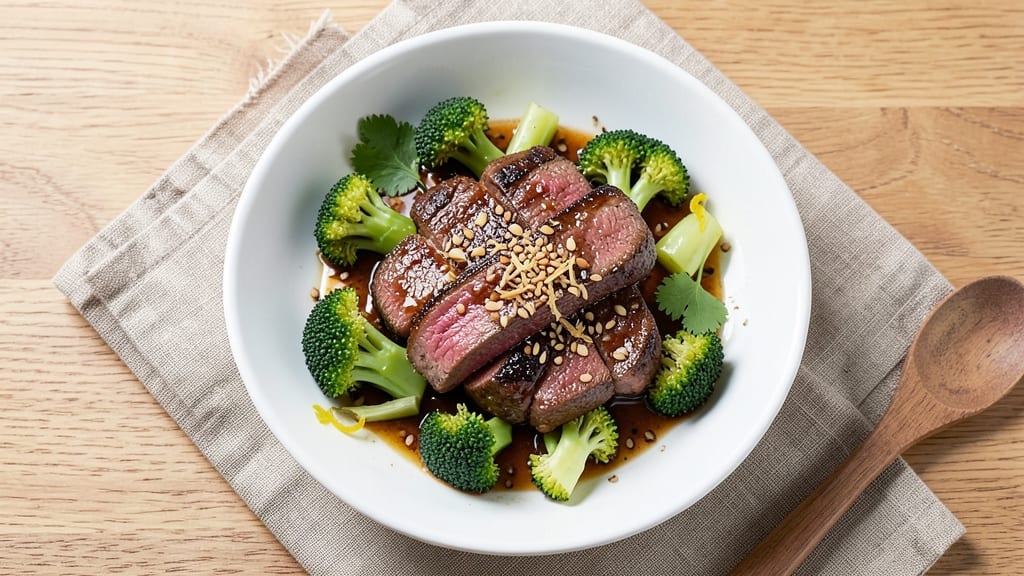
This beef and broccoli recipe no sugar delivers restaurant-quality flavor without the sweetness, using a savory soy-ginger sauce that balances rich beef with crisp-tender broccoli.
The secret lies in a monk fruit sweetener that enhances depth without adding sugar, creating a harmonious umami profile that stands up to the bold flavors. I developed this version after realizing traditional recipes often relied on hidden sugars—this one cuts them completely while keeping the dish satisfying and balanced.
The foundation of this recipe is high-heat searing for the beef, which locks in juices while developing a caramelized crust, followed by a quick stir-fry to maintain crisp-tender broccoli.
The sauce combines low-sodium soy sauce, fresh ginger, garlic, and a touch of rice vinegar for brightness, all tied together with a light cornstarch slurry to create that signature glossy finish. It’s the kind of dish that feels indulgent yet aligns with mindful eating—no sugar crashes, just clean, bold flavors.
What you’ll end up with is tender, flavorful beef slices with bright green broccoli florets that stay crisp, all coated in a savory, slightly sticky sauce that clings perfectly. The ginger adds warmth, the garlic sharpness, and the soy delivers that classic umami punch—all without any added sugar.
This is the kind of meal that satisfies cravings while keeping ingredients simple and wholesome.
Perfect for weeknight dinners or meal prep, this recipe scales easily and pairs well with steamed rice or cauliflower rice. The sauce can be made ahead, so you can focus on cooking the beef and broccoli fresh—just reheat gently to maintain that crisp texture.
Let’s make this balanced, sugar-free version of a classic dish!
Ingredients for beef and broccoli recipe no sugar
Restaurant-quality beef and broccoli without sugar—just bold soy-ginger flavors and monk fruit for subtle depth.
| Ingredient | Amount | Notes |
|---|---|---|
| Ribeye Steak 🥩 | 1 ¼ lb | Thinly sliced against grain |
| Fresh Broccoli 🥦 | 1 ½ lb | Cut into florets, stems peeled |
| Low-Sodium Soy Sauce 🍶 | ½ cup | Kikkoman or San-J Tamari preferred |
| Fresh Ginger 🌿 | 2 tbsp | Finely grated, peeled |
| Garlic Cloves 🧄 | 6 cloves | Minced, not pre-minced jar |
| Monk Fruit Sweetener 🍯 | 1 tsp | Liquid or powdered, sugar-free |
| Rice Vinegar 🍶 | 1 tbsp | Seasoned preferred for depth |
| Sesame Oil 🫒 | 1 tbsp | Toasted, for aroma |
| Cornstarch 🌾 | 1 tbsp | For sauce slurry |
| Vegetable Oil 🫒 | 2 tbsp | High smoke point |
| Sesame Seeds 🌰 | 1 tbsp | Toasted, for garnish |
| Green Onions 🧅 | 3 whole | Sliced, white and green parts |
| Diamond Crystal Kosher Salt 🧂 | 1 tsp | For seasoning |
| Ground Black Pepper 🌶️ | ½ tsp | Freshly cracked |
| Unsalted Butter 🧈 | 1 tbsp | For deglazing pan |
The ribeye is non-negotiable for texture—look for well-marbled cuts at Whole Foods or your butcher. Slice it thinly against the grain for tenderness. Broccoli should be bright green with tight florets; Trader Joe's organic crowns work perfectly. Monk fruit sweetener (like Lakanto) replaces sugar without bitterness—it's worth hunting down at specialty stores or online. Fresh ginger and garlic are essential; pre-minced jarred garlic lacks punch. For soy sauce, San-J Tamari adds depth beyond regular soy.
No monk fruit? Stevia or erythritol work, but monk fruit has the best caramel notes. Substitute low-sodium coconut aminos for soy sauce if needed. Fresh ginger too spicy? Use half the amount of powdered ginger. The cornstarch slurry is critical for that glossy finish—mix it with 2 tbsp cold water before adding to the sauce. Sesame oil should be toasted; regular will taste raw. For extra umami, add 1 tsp fish sauce (if vegetarian, use 1 tsp vegetarian fish sauce).
Prep ahead: Make the sauce 2 days in advance—flavors meld beautifully. Store in an airtight container in the fridge for 5 days. Beef and broccoli should be cooked fresh for best texture, but you can par-cook the beef and broccoli separately, then reheat gently in the sauce. Garnish with toasted sesame seeds right before serving—they add crunch. Serve over jasmine rice or cauliflower rice for a low-carb option. Leftovers reheat well, but broccoli may soften; add a splash of water to revive crispness.
Why You'll Love This Recipe
- Foolproof Sear: The ribeye’s crust happens in minutes—no fancy techniques, just a screaming-hot pan and the right cut. I’ve burned steak before, but this? Even my first attempt came out with that perfect caramelized edge.
- Ginger-Garlic Magic: Between us, that fresh ginger and garlic combo is where it’s at. The soy sauce ties it all together without overpowering, and honestly? The broccoli stays crisp-tender, not soggy. My picky eater even finishes her plate now.
- Lunchbox Hero: I double the batch every Sunday because it reheats like a dream—steak stays juicy, broccoli holds its shape. Pack it cold or warm, and you’ve got a meal that feels fancy but costs next to nothing. (Yes, even on a Tuesday night.)
- Budget Steakhouse: Ribeye on sale? Buy extra. The flavor’s rich enough that you won’t miss the sugar, and the leftovers stretch across three lunches. I’ll be real: this is my go-to when I want takeout vibes without the guilt—or the $20 check.
Step-by-step instructions for savory soy-ginger beef and broccoli
Here's the method for achieving restaurant-quality beef and broccoli with perfect balance—no sugar, all flavor.
Prepare the Beef and Broccoli for Cooking
Slice the 1.25 lb ribeye steak thinly against the grain using a sharp knife. You want strips about ¼-inch thick—this ensures tender bites that cook quickly. Place the sliced beef in a bowl and set aside. For the broccoli, cut the 1.5 lb fresh broccoli into florets, peeling the tough lower stems first. Trim any yellow florets and cut the remaining florets into even-sized pieces so they cook uniformly.
In a small bowl, combine 2 tbsp finely grated fresh ginger, 6 minced garlic cloves, 1 tsp monk fruit sweetener, 1 tbsp rice vinegar, and 0.5 cup low-sodium soy sauce. Mix well to create the marinade. Pour this mixture over the sliced beef and toss gently to coat evenly. Let the beef marinate for 15-20 minutes at room temperature while you prepare the rest.
Sear the Beef and Blanch the Broccoli
Heat 2 tbsp vegetable oil in a large skillet or wok over medium-high heat until shimmering. Add the marinated beef in a single layer, leaving space between pieces to avoid steaming. Cook undisturbed for 1-2 minutes until the beef develops a deep golden-brown crust on one side. Flip and repeat on the other side—you want the beef to reach 145°F internal temperature but still retain a slight pink center for tenderness.
Remove the beef from the skillet and set aside, tented with foil. In the same skillet, add 1 tbsp unsalted butter and swirl to coat the pan. Toss in the broccoli florets and stir-fry for 3-4 minutes until they brighten in color but remain slightly crisp. Season lightly with 1 tsp diamond crystal kosher salt and 0.5 tsp ground black pepper, then transfer the broccoli to a plate and set aside.
Build the Sauce and Finish the Dish
Return the skillet to medium heat and add 1 tbsp sesame oil. Stir in the ginger-garlic marinade from the beef, scraping up any browned bits from the bottom of the pan—this adds depth to the sauce. Let the mixture simmer for 2-3 minutes until it thickens slightly. In a small bowl, whisk together 1 tbsp cornstarch with 2 tbsp water to create a slurry. Slowly pour this into the simmering sauce while stirring constantly.
The sauce will thicken dramatically within 30-60 seconds. If it's too thick, add 1-2 tablespoons of water to reach your desired consistency. Return the beef and broccoli to the skillet, tossing gently to coat everything evenly in the sauce. Cook for an additional 1-2 minutes until everything is heated through and the sauce clings beautifully.
Garnish and Serve Immediately
Transfer the beef and broccoli to a serving platter. Drizzle with any remaining sauce from the skillet. Sprinkle evenly with 1 tbsp toasted sesame seeds and 3 sliced green onions, dividing the white and green parts for visual appeal. Serve immediately over steamed rice or noodles to soak up the rich, savory sauce.
Each bite should deliver tender beef with a crisp exterior, vibrant broccoli that retains its texture, and a sauce that balances umami, ginger heat, and subtle sweetness without any added sugar. The dish tastes best fresh, so don't let it sit too long before serving.
Pro Tips For Making Beef And Broccoli Recipe No Sugar
- CRISP THE BROCCOLI FIRST: I learned this the hard way—tossing broccoli in after the beef means it steams into mush. Blanch it for 30 seconds in boiling water, then shock in ice water before stir-frying. This keeps it bright green and holds its texture when it hits the wok.
- SALT THE STEAK BEFORE SEARING: Don’t skip this even if you’re impatient. Pat the ribeye dry, then hit it with a pinch of kosher salt 30 minutes before cooking. It’ll develop a better crust and stay juicier—no one wants a bland, rubbery steak in their beef and broccoli.
- LOW-HEAT GINGER-GARLIC BASE: After searing the beef, reduce the heat to medium-low when you add minced ginger and garlic. I used to blast it at high heat, and it’d burn before the sauce even formed. Let it simmer gently for 30 seconds—just until fragrant, not browned.
- THICKEN WITH CORNSTARCH SLURRY: Skip the sugar, but don’t skip the sauce body. Mix 1 teaspoon cornstarch with 2 tablespoons water, then stir it into the soy sauce and beef at the end. Simmer for 30 seconds—this gives you that glossy, clingy sauce without any sweetness.
Perfect pairings for these flavors
Rice Pairings
This dish shines with jasmine rice—its delicate floral notes complement the soy-ginger sauce beautifully. Cook 1 cup jasmine rice with 1.25 cups water for perfectly fluffy grains that soak up the sauce.
For a low-carb option, use cauliflower rice sautéed with 1 tbsp sesame oil and a pinch of salt until tender. 💛
Vegetable Sides
Add steamed bok choy or snow peas to your plate—their mild bitterness balances the rich beef. Toss 2 cups bok choy with 1 tbsp olive oil and ½ tsp sesame seeds, then steam for 3-4 minutes. For extra crunch, serve quick-pickled cucumbers (slice ½ English cucumber, toss with 1 tbsp rice vinegar and ¼ tsp sugar-free sweetener).
Boost the meal with Swap the soy sauce for Cool down with jasmine green tea—its light floral notes mirror the rice and sauce. For beer lovers, a light lager (like Asahi Super Dry) cuts through the richness. Sparkling water with ½ lime and ice keeps it refreshing. 🍶 Top with crispy fried shallots for texture—toss 3 shallots in 1 tbsp oil and fry until golden. Add cilantro for brightness or thinly sliced scallions for freshness. A sprinkle of toasted nori strips adds a seaweed umami punch.
Protein Additions
Sauce Variations
Beverage Pairings
Garnish Upgrades
Nutrition facts
Frequently asked questions
Can I substitute ribeye with another beef cut?
Use flank steak, sirloin, or strip steak instead—they all work well when sliced thinly against the grain. For extra tenderness, marinate the beef for 30 minutes instead of 15-20 minutes if using leaner cuts like sirloin. Avoid tough cuts like chuck roast, as they won’t tenderize properly in this quick-cooking method.
How do I keep the broccoli crisp-tender?
Cook the broccoli for only 3-4 minutes over medium-high heat—any longer and it’ll turn mushy. Start with fresh, firm florets and avoid overcrowding the pan. If reheating leftovers, add a splash of water or broth to the skillet and cover for 1 minute to restore crispness.
What if I don’t have monk fruit sweetener?
Use stevia (liquid or powder) or erythritol as substitutes, but reduce the amount by half since they’re sweeter. For a sugar-free option without sweetener, skip it entirely—the ginger and soy sauce will still provide depth. If you prefer a hint of sweetness, try 1 tsp unsweetened applesauce (strain first) for natural caramel notes.
Can I make this recipe ahead of time?
Yes! Prepare the sauce 2 days ahead and store it in an airtight container in the fridge. The beef and broccoli should be cooked fresh for best texture, but you can par-cook them separately, then reheat gently in the sauce. For leftovers, reheat in a skillet over low heat with a splash of water to prevent drying out.
Why does my sauce taste too salty?
Low-sodium soy sauce can still be salty—balance it with 1 tbsp rice vinegar or ½ tsp sugar-free sweetener to mellow the flavor. If using regular soy sauce, reduce it to ¼ cup and add ¼ cup water to dilute. Taste as you go! For extra umami without salt, stir in 1 tsp fish sauce (or vegetarian fish sauce) after thickening.