
Soups & Stews
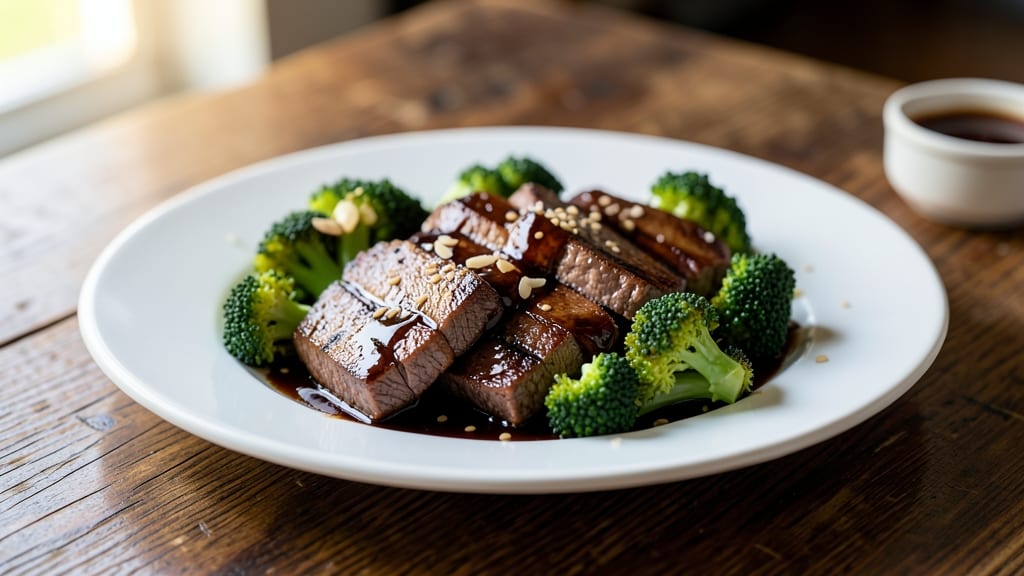
This beef and broccoli recipe Lau delivers the perfect harmony of wok-sizzled beef and vibrant broccoli, all coated in a glossy, silky sauce that balances sweet, salty, and umami notes.
The secret lies in high-heat stir-frying to lock in that signature wok hei—the smoky aroma that transforms this dish into something restaurant-worthy. I developed this version after years of testing, ensuring every element comes together in 15 minutes with minimal effort but maximum flavor impact.
The technique starts with searing the beef in small batches to render fat and create deep caramelization, then finishes with a quick stir-fry to maintain tender texture. Meanwhile, the broccoli gets just enough time to stay bright green and crisp-tender, never soggy.
The sauce—thickened with cornstarch for that signature gloss—binds everything with a velvety coat that clings to every bite.
What makes this Lau-style version stand out is the sauce's complexity: a perfect marriage of soy, brown sugar, and garlic that caramelizes slightly during cooking. The result is a dish that's rich yet balanced, with each component—beef, broccoli, sauce—playing its part without overpowering.
Serve it over steamed rice to soak up every last drop of that glossy, flavorful sauce.
This recipe is designed for weeknight dinners but delivers restaurant-quality results. The key is timing and heat control—no shortcuts, just a foolproof method that ensures crispy edges on the beef, vibrant broccoli, and a sauce so good you'll want to drizzle it over everything. Let's get cooking!
Ingredients for beef and broccoli recipe lau
High-heat searing meets silky soy balance for this restaurant-style Lau beef and broccoli masterpiece.
| Ingredient | Amount | Notes |
|---|---|---|
| Flank Steak 🥩 | 1 ½ lb | Thinly sliced against grain |
| Broccoli Florets 🥦 | 1 ½ lb | Cut into bite-sized pieces |
| Extra-Virgin Olive Oil 🫒 | 2 tbsp | For high-heat searing |
| Sesame Oil 🫒 | 1 tbsp | Toasted sesame aroma |
| Light Soy Sauce 🥫 | ½ cup | High-quality brand preferred |
| Dark Soy Sauce 🥫 | 1 tbsp | For depth of flavor |
| Brown Sugar 🍯 | 2 tbsp | Packed firmly |
| Garlic Cloves 🧄 | 6 cloves | Minced finely |
| Fresh Ginger 🌿 | 1 tbsp | Grated finely |
| Cornstarch 🌾 | 1 tbsp | For sauce thickening |
| Water 💧 | ½ cup | Room temperature |
| White Peppercorns 🌶️ | ½ tsp | Freshly cracked |
| Green Onions 🧅 | 3 whole | Sliced thinly for garnish |
| Toasted Sesame Seeds 🌾 | 1 tbsp | For finishing |
The flank steak is non-negotiable here—its lean yet tender texture holds up perfectly to the high-heat wok technique. Ask your butcher to slice it against the grain (about 1/8-inch thick) for maximum tenderness. For sourcing, Whole Foods or high-end grocery stores carry the best quality, but any reputable butcher will have it. If you're prepping ahead, slice the steak and marinate it with a touch of soy sauce and cornstarch for 30 minutes before cooking—this keeps it tender. The broccoli should be bright green and crisp—avoid any florets with yellow stems or wilted leaves, as these indicate age. Trader Joe's often has excellent organic broccoli at a reasonable price, but any fresh, firm broccoli works.
No sesame oil? Toasted peanut oil works in a pinch, though it lacks that signature aroma. For the soy sauces, Kikkoman or Pearl River Bridge brands deliver consistent quality—avoid the cheap store brands, which can taste flat. The brown sugar should be packed firmly in the measuring spoon; light brown sugar works best here. If you're short on time, pre-minced garlic and ginger from the jar are fine, but freshly grated always tastes better. The cornstarch is crucial for that signature glossy sauce—don't substitute flour, as it won't dissolve properly. For the water, room temperature ensures even mixing with the cornstarch slurry. White peppercorns add a subtle kick without the visual impact of black pepper.
The steak and broccoli can be prepped ahead and stored separately in airtight containers in the fridge for up to 2 days. The sauce, once made, keeps for 3 days refrigerated or 3 months frozen. For freezing, portion into ice cube trays before transferring to a bag—this makes reheating a breeze. The dish reheats beautifully; just warm everything in a wok or large skillet over medium heat with a splash of water to restore moisture. Garnish with fresh green onions and sesame seeds right before serving to preserve their freshness and vibrant color. Leftovers taste even better the next day as the flavors meld further.
Why You'll Love This Recipe
- One-Pan Magic: I swear by this recipe when I’m too tired to scrub pots—just sear the flank steak in olive oil, toss in the broccoli florets, and let the sesame oil work its nutty charm. The broccoli stays bright, the beef caramelizes, and the soy sauce ties it all together without a single extra dish.
- Umami Bomb: That first bite? The light soy sauce and sesame oil create this perfect balance—salty, nutty, with just a hint of sweetness from the caramelized edges of the steak. Honestly, it’s the kind of flavor that makes you pause mid-bite, like, "Wait, is this actually dinner?"
- Lunchbox Hero: Between us, this is my go-to for meal prep. Slice the steak thin, pack it with broccoli, and it holds up for days—no soggy rice or wilted veggies here. Toss it cold in a container, or reheat it quickly for a weeknight win. (Yes, even on a Tuesday night.)
- Budget Steakhouse: Flank steak is affordable, and a single cut feeds four easily. The broccoli florets stretch further than you’d think, and the sesame oil adds luxury without breaking the bank. I’ll be real: it’s the kind of dish that makes a $10 steak feel like a $30 splurge.
Step-by-step instructions for wok-sizzled beef and broccoli
Mastering this dish requires precise timing and technique to balance crisp-tender beef with velvety sauce.
Prepare the Flank Steak for Optimal Texture
Slice the 1.5 lb flank steak thinly against the grain using a sharp knife—aim for ¼-inch thick slices. This cut ensures tender bites that cook quickly in the wok. Pat the slices dry with paper towels to remove excess moisture, which prevents them from steaming instead of searing.
In a small bowl, combine 1 tbsp cornstarch with 0.5 tsp white peppercorns and toss the steak slices in this mixture until evenly coated. The cornstarch creates a light crust that helps thicken the sauce while keeping the beef tender. Let the coated steak rest for 10 minutes at room temperature—this allows for even cooking and prevents overcrowding the wok later.
Blanch the Broccoli for Crisp-Tender Perfection
Bring a pot of water to a rolling boil and add the 1.5 lb broccoli florets. Blanch for exactly 1 minute, then immediately drain and plunge into ice water to stop the cooking process. This brief cooking preserves the broccoli's vibrant color and crisp texture while softening it enough to absorb the sauce.
Drain well and pat dry thoroughly. The broccoli should be bright green and still hold its shape when squeezed gently. If any florets feel too soft, return them to the ice bath for an additional 30 seconds—this ensures they'll withstand the high heat of the wok without turning mushy.
Build the Flavor Base in the Wok
Heat a wok or large skillet over high heat until smoking, then add 2 tbsp extra-virgin olive oil. Once the oil shimmers but isn't smoking excessively, add 6 cloves minced garlic and 1 tbsp freshly grated ginger. Stir-fry for 30 seconds until fragrant—this releases their aromatic oils without burning. Here's the thing: if the garlic darkens too quickly, reduce the heat slightly and add 1 tsp water to deglaze.
Add 1 tbsp dark soy sauce and 2 tbsp brown sugar, stirring constantly for 1 minute until the sugar dissolves and the mixture caramelizes slightly. This creates the deep umami foundation that balances the dish. The dark soy sauce adds color and complexity, while the sugar enhances the sauce's glossy finish.
Sear the Beef in Batches for Maximum Crispiness
Working in batches to avoid overcrowding, add the prepared steak slices to the wok. Cook undisturbed for 1 minute until the edges develop a golden-brown crust. Here's where it gets critical: resist the urge to stir too soon. You'll know it's ready when the steak releases easily from the wok—this ensures a perfect sear.
After the initial sear, toss the beef with tongs and cook for an additional 30 seconds until just cooked through. The steak should reach an internal temperature of 135°F (medium-rare). Remove the beef and set aside, tented with foil to keep warm. Repeat with remaining batches, adding 1 tsp sesame oil to the wok between batches if needed to maintain high heat.
Finish with Broccoli and Silky Sauce
Return the wok to high heat and add the blanched broccoli florets. Stir-fry for 1-2 minutes until heated through and slightly wilted. The broccoli should retain its bright color and crisp texture—if it softens too much, reduce the cooking time next time.
Pour in the 0.5 cup light soy sauce and 0.5 cup water, scraping up any browned bits from the bottom of the wok. Add the cooked beef back to the wok and toss everything together for 1 minute to combine. In a small bowl, whisk 1 tbsp cornstarch with 2 tbsp water to create a slurry, then pour it into the wok while stirring constantly. The sauce will thicken immediately into a glossy, velvety consistency.
Garnish and Serve Immediately
Remove the beef and broccoli from the wok and transfer to a serving platter. Drizzle with 1 tbsp sesame oil and sprinkle evenly with 1 tbsp toasted sesame seeds. Garnish with 3 whole green onions, sliced thinly on the bias for visual appeal.
Serve immediately over steamed jasmine rice or noodles. The dish should be hot, with the beef maintaining its pink center and the broccoli offering a satisfying crunch. Each bite should deliver a perfect balance of savory, slightly sweet, and umami flavors with a textural contrast between the tender beef and crisp broccoli.
Pro Tips For Making Beef And Broccoli Recipe Lau
- Slice Against the Grain: Flank steak’s tough fibers run diagonally—cutting against them (45-degree angle) shortens them, making each bite tender. I used to fight the knife, then realized this is the only way to avoid chewing like you’re eating shoe leather.
- Blanch Broccoli First: Toss florets in boiling water for 30 seconds, then ice bath. This stops cooking, keeps them bright green, and ensures they crisp up perfectly when stir-fried later. Skipping this means soggy, limp broccoli that’s sad to eat.
- Don’t Overcrowd the Pan: Cook the steak in batches if needed—even if it means two trips to the stove. Crowding steams the meat instead of searing, turning it mushy. A hot, empty pan is your friend here.
- Finish with Sesame Oil: Add that last splash of sesame oil after everything’s off heat—it burns fast and tastes bitter if you’re not careful. A teaspoon drizzled in at the end gives real aroma without ruining the dish. (Yes, even if you’re impatient like me.)
Storing and reheating your beef and broccoli recipe lau
Refrigerator Storage
Store cooked beef and broccoli separately in airtight containers for up to 3 days in the fridge. I always use glass Pyrex containers with tight-sealing lids to maintain freshness.
The beef should be kept in one container while the broccoli goes in another—this prevents moisture transfer that could make the broccoli soggy. Label containers with the date to track freshness. 💛
Freezer Prep Tips
For longer storage, freeze components separately in single-serving portions. Portion the sauce into ice cube trays—once frozen, transfer cubes to a ziplock bag for easy reheating. The beef and broccoli can go into freezer-safe bags with all air removed to prevent freezer burn.
I like using quart-sized bags for family portions. Label everything with the date—this dish stays fresh-tasting for 3 months in the freezer.
Stovetop Reheating
My preferred method is reheating in a wok or cast-iron skillet over medium-high heat. Add the beef and broccoli to the pan with 1 tbsp sesame oil and 1 tbsp water, then cover for 3-4 minutes until heated through.
The oil helps restore that signature wok aroma, while the water prevents drying. Stir frequently to ensure even heating—this keeps the beef tender and broccoli crisp.
Microwave Shortcut
For quick meals, use the microwave with a paper towel barrier. Place beef and broccoli on a microwave-safe plate, cover loosely with a damp paper towel, and heat on 70% power for 2-3 minutes.
Stir halfway through, then add 1 tsp water if the beef looks dry. This method takes about 4 minutes total—perfect for busy weeknights.
Sauce Refresh
If reheating leftovers, always add 1 tbsp fresh sauce (or a slurry of 1 tsp cornstarch + 1 tbsp water) to restore that glossy texture. The sauce thickens as it cools, so a little extra goes a long way.
I often reheat just the sauce separately in a small saucepan over low heat, then toss it with the beef and broccoli at the end for maximum flavor impact. 🔥
Garnish Like Fresh
Always add fresh green onions and sesame seeds right before serving—these garnishes lose their pop when reheated. I keep a small bowl of pre-sliced green onions in the fridge for quick garnishing. For extra flair, drizzle with 1 tsp toasted sesame oil just before eating to recreate that restaurant-fresh aroma.
Nutrition facts
Frequently asked questions
Can I use a different cut of beef instead of flank steak?
Yes, but choose thinly sliced cuts that cook quickly. Sirloin or ribeye work well if sliced against the grain to ¼-inch thickness. Flank steak is ideal because its lean texture holds up perfectly to high-heat stir-frying without becoming tough. Avoid fatty cuts like chuck roast, as they release too much fat and won't sear properly.
Why does my sauce turn out too thin or too thick?
The sauce consistency depends on proper cornstarch slurry technique. For a glossy finish, whisk 1 tbsp cornstarch with 2 tbsp cold water until smooth, then pour into the wok while stirring constantly. If too thin, simmer uncovered for 1-2 minutes to reduce. If too thick, thin with 1 tsp water while stirring. The key is high heat and constant movement.
How do I get that restaurant-style wok hei aroma?
Wok hei (breath of the wok) comes from intense heat and proper technique. Use a carbon steel or cast iron wok on the highest heat setting until smoking. Work in batches to avoid overcrowding, and keep the beef moving only after it releases from the pan. A splash of 1 tsp sesame oil at the end adds that signature nutty aroma. Practice makes perfect—this takes 2-3 tries to master!
Can I make this dish ahead of time?
Prep components separately: cook the beef and sauce, then store in airtight containers in the fridge for 2 days. Reheat the beef in a wok with 1 tbsp sesame oil and 1 tbsp water for 2-3 minutes until piping hot. Blanch broccoli fresh and stir-fry just before serving to maintain crispness. The sauce can be reheated separately and combined at the end for maximum glossiness.
What's the secret to keeping broccoli bright green and crisp?
Blanching is your best friend! Cook broccoli in boiling water for exactly 1 minute, then immediately shock in ice water to stop cooking. Pat completely dry before stir-frying—any moisture will steam the broccoli instead of searing it. For extra vibrancy, add ½ tsp baking soda to the blanching water (rinse well afterward). Stir-fry for only 1-2 minutes on high heat to preserve texture.