
Soups & Stews
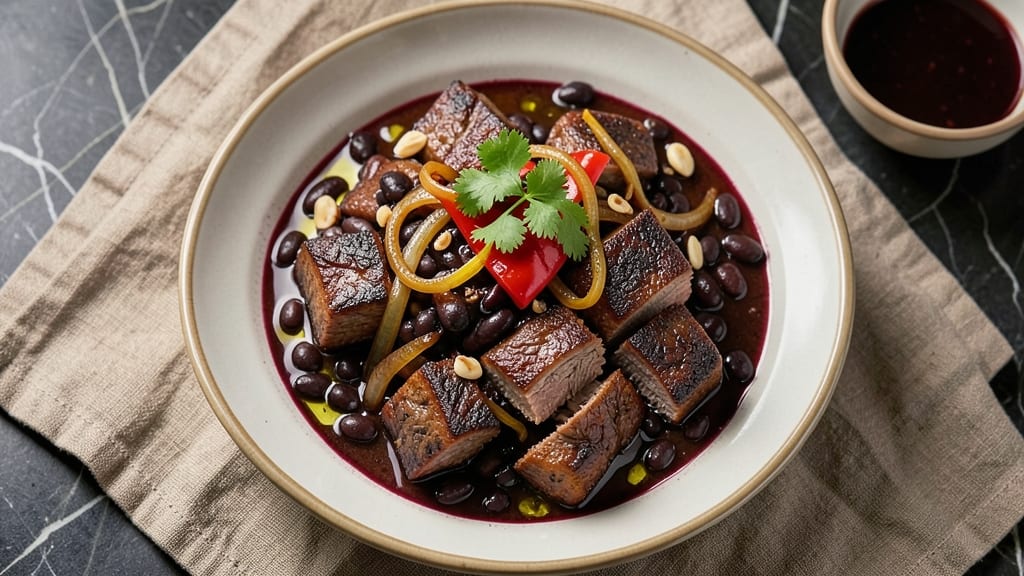
This beef and black bean stew recipe delivers deep, smoky flavors in a single pot that'll have everyone reaching for seconds. The secret lies in browning the beef properly—those caramelized bits form the flavor foundation—before letting it simmer for hours until tender.
I developed this version after years of testing, balancing rich beef with earthy black beans and aromatic spices for a stew that's both hearty and complex.
The recipe builds flavor through three key steps: sautéing onions and garlic until fragrant, deglazing the pot with red wine to capture all those browned bits, and slow-cooking until the beef practically melts.
This method ensures every spoonful is packed with depth, while the black beans add texture and plant-based protein. The result is a stew that's restaurant-quality but made entirely at home.
By the time you're done, you'll have a pot of rich, aromatic stew with tender beef, perfectly cooked beans, and a sauce that's thick enough to coat every spoonful. The smoky spices linger on your palate, making this more than just a meal—it's an experience.
Serve it with warm cornbread or crusty bread to soak up every last drop of that flavorful broth.
Whether you're using a slow cooker for hands-off cooking or a stovetop for quicker results, this recipe adapts to your schedule while delivering the same incredible depth of flavor. The instructions are straightforward, but the technique ensures professional-quality results every time.
Ingredients for beef and black bean stew
Six hearty ingredients build this stew's rich, smoky foundation—everything else enhances what's already there.
| Ingredient | Amount | Notes |
|---|---|---|
| Chuck Roast 🥩 | 2 lb | Cut into 1.5-inch cubes, boneless |
| Black Beans 🌱 | 2 cups | Drained and rinsed, or 1 can |
| Yellow Onion 🧅 | 1 whole | Diced, about 1.5 cups |
| Garlic Cloves 🧄 | 4 cloves | Minced, for deep flavor |
| Red Bell Pepper 🌶️ | 1 whole | Diced, for sweetness and color |
| Dry Red Wine 🍷 | 1 cup | Bold Cabernet or Merlot preferred |
| Beef Broth 💧 | 3 cups | Low-sodium preferred |
| Tomato Paste 🍅 | 2 tbsp | For rich depth |
| Smoked Paprika 🌶️ | 1 tbsp | For signature smoky flavor |
| Ground Cumin 🌿 | 1 tsp | Toasted for warmth |
| Oregano 🍃 | 1 tsp | Dried, Mexican preferred |
| Bay Leaves 🌿 | 2 whole | For aromatic depth |
| Olive Oil 🫒 | 2 tbsp | Extra-virgin for richness |
| Salt 🧂 | 1 ½ tsp | Kosher or sea salt |
| Black Pepper 🌶️ | ½ tsp | Freshly ground |
The chuck roast is non-negotiable here. Look for well-marbled cuts at the butcher counter or pre-cubed section—Costco or Whole Foods carry excellent quality. If you're buying a whole roast, cube it yourself for even cooking. The black beans? Low-sodium canned is fine, but rinse thoroughly to cut excess salt. For extra depth, toast the beans in a dry pan for 2 minutes before adding to the stew. The red wine should be bold—Cabernet or Merlot—not some cheap cooking wine. If you're avoiding alcohol, use beef broth with a splash of balsamic vinegar instead.
No smoked paprika? Substitute with a mix of regular paprika and a pinch of liquid smoke—start with 1/4 tsp liquid smoke and adjust to taste. Fresh bell pepper is ideal, but frozen works in a pinch (thaw and drain first). The tomato paste can be swapped for crushed tomatoes if you prefer, though paste gives a deeper, thicker base. Trader Joe's sells excellent canned tomatoes for this purpose. For the cumin, toast it in a dry skillet for 30 seconds until fragrant—this step makes all the difference. If you're short on time, skip it, but your stew will taste flatter. The bay leaves are optional but add that subtle complexity that separates home cooking from restaurant-quality.
This stew tastes even better the next day as flavors meld. Store in an airtight container in the fridge for up to 5 days or freeze for 3 months. For freezing, portion into meal-sized containers with a little extra broth to prevent drying. Reheat gently on the stove with a splash of water or broth to restore moisture. The beef should be fork-tender, and the beans should hold their shape but be tender. If the sauce thickens too much upon reheating, thin it with a little water or broth. Leftovers make fantastic lunches or can be repurposed into tacos, quesadillas, or stuffed peppers.
Why You'll Love This Recipe
- One-Pot Magic: I swear by this recipe when I’m too tired to scrub pots. Chuck roast and black beans simmer together—no separate pans, no extra bowls—just dump everything in, stir, and let it work its flavor. The onion and bell pepper soften into the meat, so you’re not left with a pile of chopped scraps to deal with.
- Deep, Smoky Richness: That slow-cooked chuck roast? It practically melts in your mouth, tender enough to shred with a fork. The black beans soak up all the garlic and onion caramelization, turning this into something hearty yet balanced—like a hug in a bowl. Honestly, the first time I made it, I ate straight from the pot.
- Meal Prep Goldmine: Between us, this stew is my lazy Sunday night savior. Cook a big batch, and you’ve got lunches for the week—reheat portions with rice or cornbread, or even toss it into tacos for a quick dinner. My college-aged kid still texts me asking for leftovers, and that’s a win.
- Budget-Friendly Powerhouse: Chuck roast is cheap, black beans are cheap, and you’re not buying fancy spices. A single pot feeds four for under $15, and the leftovers? Even better the next day. I’ll be real: this is the kind of recipe that makes me feel like I’m feeding a crowd without breaking the bank.
Step-by-step instructions for beef and black bean stew
This one-pot method builds deep, smoky flavor through precise layering and timing.
Sear the Chuck Roast for Rich Foundation
Heat the 2 tablespoons olive oil in a large Dutch oven over medium-high heat until shimmering. Pat the 2 lb chuck roast dry with paper towels—this ensures a proper sear. Working in batches if needed, add the beef cubes and sear for 3-4 minutes per side until deeply browned and caramelized. You'll see the edges develop a dark crust and the interior should still feel slightly cool to the touch.
Remove the beef and set aside. The browned bits (fond) that remain in the pot are pure flavor—don't scrape them out. This step creates the base for your stew's depth. If your pot gets crowded, reduce heat slightly to prevent steaming instead of searing.
Build the Aromatic Base
In the same Dutch oven, add the diced yellow onion and cook for 5 minutes until softened and translucent. Add the diced red bell pepper and cook for another 4 minutes until slightly blistered. Stir occasionally to prevent burning.
Push the vegetables to one side of the pot and add the minced garlic cloves. Cook for 30 seconds until fragrant—this prevents the garlic from burning. Sprinkle in the 1 tablespoon smoked paprika and 1 teaspoon ground cumin, stirring constantly for 1 minute until the spices release their aroma. This aromatic trio forms the flavor backbone of your stew.
Develop the Sauce with Wine and Tomato
Pour in the 1 cup dry red wine and scrape up all the browned bits from the bottom of the pot with a wooden spoon. Let the wine simmer for 3-4 minutes until reduced by half and slightly thickened. This deglazing step captures all the meaty flavors you just created.
Add the 2 tablespoons tomato paste and stir to combine. Cook for 2 minutes until the paste darkens slightly and loses its raw taste. This step adds richness and helps thicken the stew naturally. If the mixture looks too thick, add 2 tablespoons beef broth now to loosen it.
Simmer the Stew to Tender Perfection
Return the seared beef to the pot. Add the 2 cups black beans, 3 cups beef broth, 1.5 teaspoons salt, 0.5 teaspoon black pepper, 1 teaspoon oregano, and 2 whole bay leaves. Stir gently to combine, then bring to a gentle boil.
Once boiling, reduce heat to low and cover partially. Let the stew simmer for 2 hours, stirring occasionally. The beef should become fork-tender and pull apart easily. The liquid should reduce slightly but still coat the back of a spoon. If it gets too thick, add 2 tablespoons water at a time to maintain proper consistency.
Finish and Rest for Maximum Flavor
Remove the 2 whole bay leaves and adjust seasoning if needed. Taste the stew and consider whether it needs more salt, acid (a splash of wine or lemon juice), or sweetness (a pinch of sugar). Let the stew rest off heat for 15 minutes before serving—this allows flavors to meld and the meat to absorb any remaining liquid.
Serve hot with crusty bread or over rice. Each spoonful should deliver tender beef, hearty black beans, and a complex blend of smoky, spicy, and slightly sweet flavors. The stew will taste even better the next day as the flavors continue to develop.
Pro Tips For Making Beef And Black Bean Stew
- SEAR THE CHUCK ROAST: Hit that chuck roast with a screaming-hot pan—no rushing—until it’s deep brown in spots. I learned this the hard way: skipping the sear leaves the stew tasting like it simmered in water instead of caramelized beef. Use about 2 tablespoons of oil, spread it thin, and let it develop crust for 3-4 minutes per side before pulling back.
- SOAK BEANS OVERNIGHT: Drain those black beans after soaking, but don’t skip the overnight soak—even if you’re in a hurry. Canned beans work in a pinch, but soaked beans break down smoother and thicken the stew naturally. Rinse them well after soaking to cut down on gas, or add a splash of vinegar to the soaking water for extra tenderness.
- SWEAT ONIONS LOW AND SLOW: Onions turn to mush fast—cover the pan and keep the heat at a simmer, not a boil. I used to crank the heat to speed things up, but that just burns the sugar and turns the stew bitter. A few minutes of patience here means your onions stay sweet and jammy, not bitter or watery.
- ADD BELL PEPPER LATE: Toss the red bell pepper in at the very end—after the beef and beans have cooked for at least 45 minutes. It stays crisp and vibrant instead of turning to mush. If you’re worried about texture, slice it into thin strips first so it cooks faster without disappearing into the stew.
Pro cooking tips for this recipe
Sear Like a Pro
That deep, caramelized crust on your beef isn't just for looks—it's where 80% of the stew's flavor develops. Use a large Dutch oven (I love my All-Clad) and work in batches if needed. Pat the beef bone-dry with paper towels before searing—this ensures maximum browning.
The goal is deep golden-brown edges with a slightly cool center. If your pot gets crowded, reduce heat to medium to prevent steaming instead of searing. 🔥
Deglaze with Purpose
The deglazing step transforms those flavorful browned bits into a rich sauce. Use 1 cup dry red wine (Cabernet or Merlot) and let it simmer until reduced by half—this concentrates the flavors. Scrape every last bit from the bottom with a wooden spoon (metal spatulas can scratch your pot).
If you're avoiding alcohol, substitute with 1 cup beef broth + 1 tablespoon balsamic vinegar for similar depth. Never skip this step—it's what separates good stew from great stew.
Spice Toasting Matters
Toast your smoked paprika and cumin in the pot for 30 seconds after adding the garlic. This releases their essential oils, creating aromas that infuse the entire stew. I like to use Penzeys brand smoked paprika—it has a more complex, slightly sweet profile.
For extra depth, add a pinch of ground coriander (½ tsp) during this step. The spices should smell intoxicating before you even add liquid. This simple technique adds layers of complexity most home cooks miss. 🌶️
Low-and-Slow Wins
Resist the urge to rush the simmering process. The beef needs at least 2 hours on low heat to become fork-tender. If you're short on time, use an Instant Pot on high pressure for 45 minutes (then natural release for 10 minutes).
The key is maintaining a gentle simmer—you should see small bubbles but not a rolling boil. Stir occasionally to prevent the bottom from sticking. The longer it cooks, the more the flavors meld together into a cohesive, restaurant-quality dish.
Rest Before Serving
This is one of the most underrated steps in stew-making. After removing from heat, let your stew rest for 15-20 minutes before serving. This allows the juices to redistribute throughout the meat and beans, resulting in moist, tender bites instead of dry ones.
I often find that resting also helps the flavors come together more harmoniously. Serve directly from the pot—those caramelized bits on the bottom are pure flavor gold. 💫
Adjust Seasonings Like a Chef
Always taste your stew before serving and adjust as needed. Most stews need another pinch of salt—don't be afraid to add it. For brightness, add 1 teaspoon lemon juice or a splash of red wine.
If it needs sweetness, a pinch of sugar (¼ tsp) balances the spices beautifully. The goal is to create a perfect balance of smoky, spicy, and slightly sweet notes. Remember, you can always add more seasoning, but you can't take it out once it's in there.
Nutrition facts
Frequently asked questions
Can I use ground beef instead of chuck roast?
You can substitute, but the texture will differ. Ground beef cooks much faster and won't develop the same tender, melt-in-your-mouth quality. If using, brown it well first, then add 1/2 cup beef broth to help thicken the stew. For best results, stick with chuck roast—its marbling creates rich flavor and tender meat when slow-cooked.
How do I make this stew in a slow cooker?
Follow the same searing steps, then transfer everything to your slow cooker. Cook on low for 7-8 hours or high for 4-5 hours. The slow cooker's gentle heat ensures tender beef without drying. Add 1/2 cup broth if the stew gets too thick during cooking. The flavors will meld beautifully over time!
What can I do if my stew tastes too salty?
Add 1/2 cup additional beef broth or water to dilute the saltiness. For a quick fix, stir in 1/2 cup plain yogurt or sour cream—the acidity balances the salt. If using canned beans, always rinse them first to reduce sodium. Prevention is key: taste as you go and adjust seasoning gradually!
Can I prepare this stew ahead of time?
This stew tastes even better the next day! Store in an airtight container in the fridge for up to 5 days or freeze for 3 months. Reheat gently on the stove with a splash of broth to restore moisture. The flavors deepen overnight, making it perfect for meal prep. Just reheat until steaming hot.
What are the best sides to serve with this stew?
Warm cornbread, crusty sourdough bread, or fluffy white rice work perfectly. For extra freshness, add a simple green salad with lime vinaigrette. The hearty stew pairs well with anything that can soak up the rich sauce—think tortillas for tacos or even over mashed potatoes.