
Soups & Stews
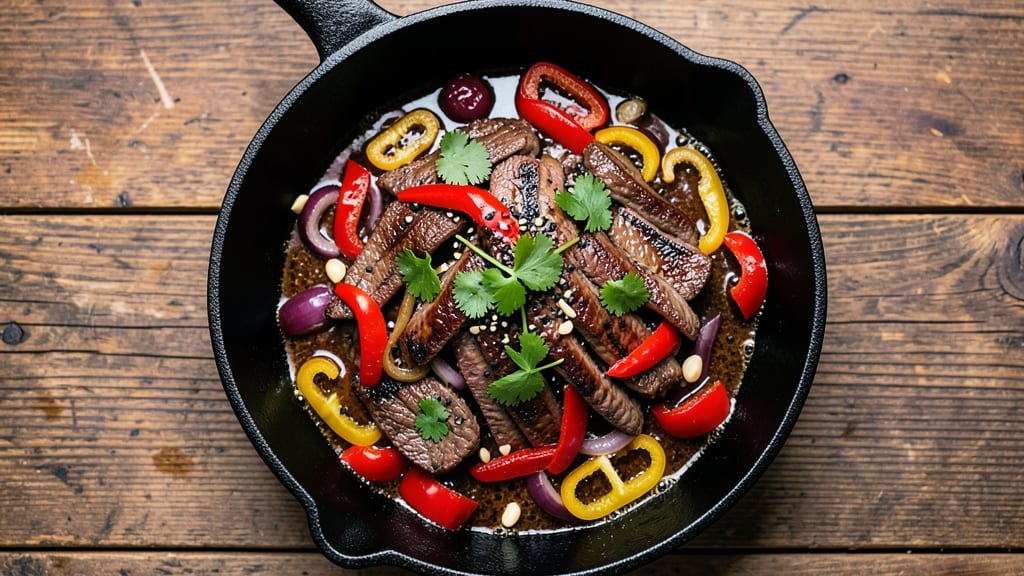
This beef and bell peppers cowboy bebop recipe brings the bold, smoky flavors of space cowboys to your kitchen with a one-pan dish that’s equal parts hearty and dramatic. Inspired by the show’s aesthetic—where neon lights meet rustic diners—this recipe delivers charred peppers, tender beef, and layers of umami that feel like a meal from another galaxy. The secret? High-heat searing for crispy edges and a quick marinade that infuses the beef with deep, savory notes.
What sets this dish apart is its simplicity: just 15 minutes of active prep, a single pan, and ingredients you likely already have. The beef gets marinated in soy sauce, garlic, and a touch of brown sugar, then sears alongside bell peppers and onions until caramelized.
The result is a dish that’s rich, slightly sweet, and packed with texture—crispy peppers, tender beef, and a sauce that clings to every bite like a well-worn spacesuit.
This recipe is designed to feel like a meal from a neon-lit diner on the edge of the solar system. Serve it over steamed rice for a classic touch or with crusty bread to soak up every last drop of that umami-rich sauce.
The charred peppers add a smoky depth that balances the beef’s richness, making it a dish that’s as visually striking as it is delicious.
Perfect for a weeknight dinner that feels special, this beef and bell peppers dish is also versatile enough to adapt to your taste. Add a sprinkle of sesame seeds for extra crunch or swap in mushrooms for an earthier flavor.
The key is keeping the heat high and the flavors bold—just like the show’s iconic soundtrack. Let’s get cooking!
Ingredients for beef and bell peppers cowboy bebop
Bold flavors, one pan—just 15 minutes to transform simple ingredients into a dish that feels like a neon-lit diner on the edge of space.
| Ingredient | Amount | Notes |
|---|---|---|
| Flank Steak 🥩 | 1 ½ lb | Thinly sliced against grain |
| Bell Peppers 🧅 | 3 whole | Mixed colors, sliced into strips |
| Yellow Onion 🧅 | 1 whole | Sliced into half-moons |
| Garlic Cloves 🧄 | 6 cloves | Minced for marinade |
| Soy Sauce 🥄 | ½ cup | Low-sodium preferred |
| Brown Sugar 🍯 | 2 tbsp | Light or dark variety |
| Sesame Oil 🫒 | 1 tbsp | Toasted for aroma |
| Vegetable Oil 🫒 | 2 tbsp | For high-heat searing |
| Ginger 🌿 | 1 tbsp | Fresh, grated finely |
| Hoisin Sauce 🥄 | 2 tbsp | For umami depth |
| Long-Grain White Rice 🍚 | 1 ½ cups | Uncooked, for serving |
| Sesame Seeds 🌰 | 1 tbsp | Toasted for garnish |
| Salt 🧂 | 1 tsp | Kosher or sea salt |
| Black Pepper 🌶️ | ½ tsp | Freshly ground |
| Red Wine Vinegar 🍶 | 1 tbsp | For brightness |
The flank steak is your star—thinly sliced against the grain for tender bites that practically melt in your mouth. Costco or Whole Foods carry great cuts, but any butcher will trim it perfectly if you ask. Look for good marbling, not too much fat. The bell peppers? Mixed colors add visual drama, but red or yellow work just fine if that's what's on sale. For the garlic, fresh is non-negotiable—jarred stuff tastes like sawdust. Toast your sesame seeds in a dry pan for 30 seconds before adding them to the dish—they'll release their nutty aroma and take your dish to another galaxy.
No soy sauce? Coconut aminos or tamari work in a pinch, though the flavor won't be identical. Swapping bell peppers for mushrooms? Cremini or shiitake hold up best to high heat. The hoisin sauce is key for that deep umami—Lee Kum Kee is my go-to, but store-brand works too. Short on ginger? Substitute 1/2 tsp ground ginger, but fresh is worth the extra minute. The rice? Jasmine or basmati adds a fragrant touch, but long-grain white is fine for simplicity. And if you're missing red wine vinegar, a splash of apple cider vinegar keeps the brightness.
This dish reheats beautifully—3-4 days in the fridge, 3 months frozen. I always make extra because it tastes even better the next day as the flavors meld. Store the beef and peppers separately if you're prepping ahead—they'll stay fresher longer. For serving, I like to toast the sesame seeds in a small pan right before plating so they're perfectly crisp. The sauce thickens as it cools, so a splash of water thins it back out if needed. Portion into containers for easy lunches—just add rice when reheating.
Why You'll Love This Recipe
- One-Pan Magic: I swear by this recipe when I’m too tired to scrub pots—just sear the steak, toss in the sliced peppers and onion, and let the garlic and soy sauce work their flavor spell. No extra dishes, no stress.
- Umami Bomb: That first bite of caramelized onion and soy-glazed steak? It’s like a flavor explosion. The bell peppers add a sweet crunch, but the real star is the deep, savory punch from the garlic and soy—simple, but ridiculously satisfying.
- Leftovers That Don’t Suck: Between us, most beef stir-fries turn into sad, dry meals the next day. Not this one. The steak stays tender, and the peppers hold their bite—perfect for quick lunches or tossing into salads. Honestly, I make double batches just for this.
- Budget-Friendly Powerhouse: Flank steak stretches further than you’d think, and bell peppers last forever in the fridge. A single onion and a few garlic cloves go a long way, so you’re not breaking the bank for a meal that feels like a restaurant dish. (Yes, even on a Tuesday night.)
Step-by-step instructions for beef and bell peppers Cowboy Bebop recipe
Master this bold Asian-inspired stir-fry with perfectly charred peppers and tender beef slices.
Prep and Marinate the Flank Steak
Slice the 1.5 lb flank steak thinly against the grain into ¼-inch strips. This ensures tender bites that cook quickly. In a bowl, combine the sliced steak with 0.5 cup soy sauce, 2 tbsp brown sugar, 1 tbsp sesame oil, 1 tbsp finely grated ginger, 2 tbsp hoisin sauce, and 1 tbsp red wine vinegar. Mix gently to coat evenly. Let it marinate for at least 30 minutes—this balances the flavors and tenderizes the meat.
While marinating, slice the 3 whole bell peppers into 1-inch strips and cut the 1 whole yellow onion into ½-inch half-moons. Minced 6 cloves garlic for the stir-fry. The vegetables should be ready to cook as soon as the steak finishes marinating.
Cook the Rice Separately
Rinse the 1.5 cups long-grain white rice under cold water until the water runs clear. Cook it according to package instructions in a separate pot—1.5 cups rice typically yields about 3 cups cooked, perfect for serving alongside the stir-fry. I like to use a 1:2 rice-to-water ratio and simmer for 15 minutes after boiling, then let it rest covered for 10 minutes before fluffing with a fork.
While the rice cooks, keep the stir-fry ingredients at room temperature. This ensures even cooking and prevents the vegetables from steaming instead of charring.
Stir-Fry the Vegetables
Heat 2 tbsp vegetable oil in a large skillet or wok over high heat until shimmering. Add the sliced bell peppers and onions in batches to avoid crowding the pan. Stir-fry for 4-5 minutes until the edges start to blister and turn deep golden brown. Remove the vegetables and set aside—this prevents overcooking while you finish the beef.
Watch the pan closely—you want the vegetables to develop a smoky char without burning. If they look undercooked, return them to the pan for another 30 seconds to finish.
Cook the Marinated Beef
In the same skillet, add the marinated flank steak strips in a single layer. Let them sear undisturbed for 1-2 minutes until they develop a deep brown crust on one side. Flip and cook for another 1 minute—the beef should be caramelized but still slightly pink in the center.
Add the stir-fried vegetables back into the pan along with the minced garlic. Toss everything together for 1-2 minutes until the garlic becomes fragrant and lightly golden. The residual heat will finish cooking the beef while infusing the vegetables with garlic flavor.
Finish and Serve
Remove the skillet from heat and drizzle with 1 tbsp toasted sesame oil. Sprinkle with 1 tbsp toasted sesame seeds and season with 1 tsp salt and 0.5 tsp black pepper. Toss gently to combine, letting the sesame oil and seeds coat the beef and vegetables evenly.
Serve immediately over the cooked long-grain white rice, ensuring each portion has a generous helping of beef and charred peppers. The contrast of tender beef, sweet-savory sauce, and crisp-tender vegetables makes this dish a standout—just like the iconic energy of Cowboy Bebop.
Pro Tips For Making Beef And Bell Peppers Cowboy Bebop
- Slice Against the Grain: Flank steak’s tough fibers run one way—cut them perpendicular to the grain for that Cowboy Bebop-style tender bite. I used to ignore this and ended up with chewy, disappointing strips. A sharp knife and a steady hand make all the difference.
- Char the Peppers First: Toss the sliced bell peppers and onions into a screaming-hot pan for 3–4 minutes before adding anything else. That initial burst of color and smoky depth is what turns this from "stir-fry" to "restaurant-quality." (Yes, even if you’re impatient like me.)
- Salt the Steak Twice: Pat the flank steak dry, then season it generously with salt right after slicing it. Let it sit for 10 minutes before cooking, then salt again after searing. I learned this the hard way—dry, flavorless beef is no one’s idea of a good time.
- Use Less Soy Sauce: The recipe might call for 2 tablespoons, but start with 1 and taste as you go. Soy sauce is sneaky—too much turns your dish into a salty, one-note mess. A splash of rice vinegar or a pinch of sugar can brighten things up if needed. (Trust me, you’ll want to.)
Troubleshooting your beef and bell peppers cowboy bebop
Undercooked Beef
If your beef feels tough or rubbery, it’s likely undercooked. Flank steak should reach an internal temperature of 145°F for medium-rare, but since it’s thinly sliced, it cooks faster than thicker cuts.
Use an instant-read thermometer to check the thickest slice—if it’s below 140°F, return the pan to medium-high heat for another 30-60 seconds. Overcrowding the pan also slows cooking, so work in batches if needed. 🔥
Mushy Vegetables
Bell peppers and onions should be crisp-tender, not soggy. The key is high heat and quick cooking—don’t let them sit in the pan too long. If your veggies turn mushy, you likely used too much oil or didn’t cook them long enough.
Next time, stir-fry in batches over high heat for 4-5 minutes until edges blister. Remove them immediately and set aside while you finish the beef. ⚡
Sauce Too Thin
The sauce can thin out if you add too much liquid during cooking. The marinade and hoisin already provide enough moisture, so avoid adding extra water or broth. If it’s too thin, remove the pan from heat and let it reduce naturally for 2-3 minutes.
For extra thickness, mix 1 tsp cornstarch with 1 tbsp water, stir into the sauce, and simmer until it glistens. 💫
Overpowering Soy Sauce
If the dish tastes too salty, the soy sauce likely overpowered the other flavors. To fix it, add a splash of red wine vinegar or lemon juice (about 1 tbsp) to brighten the dish.
For future attempts, reduce the soy sauce to ¼ cup and add 1 tbsp honey or brown sugar to balance the saltiness. Taste as you go—adjust gradually! 💡
Burnt Garlic
Garlic burns quickly, turning bitter if left too long. Add it only in the last 30 seconds of cooking with the beef and veggies. If it’s already burnt, remove the pan from heat immediately and stir in fresh minced garlic (about 1 tsp) to restore flavor.
For extra safety, sauté the garlic separately in ½ tbsp oil for 10 seconds before adding it back to the pan. ✨
Dry Rice
Undercooked rice is dry and crunchy, while overcooked rice turns mushy. For perfect rice, use a 1:2 rice-to-water ratio and simmer for 15 minutes after boiling. Then, let it rest covered for 10 minutes—this steams the rice evenly.
If it’s dry, sprinkle 1 tbsp water over the rice and cover for another 5 minutes. For extra flavor, add a pinch of salt to the cooking water. 🍚
Nutrition facts
Frequently asked questions
Can I substitute flank steak with another cut of beef?
Yes! For this recipe, you can use sirloin, ribeye, or even thinly sliced top round. The key is slicing against the grain for tenderness. Flank steak is ideal because it's lean and flavorful, but ribeye will add extra richness. Just reduce marinating time to 20 minutes if using a thicker cut like ribeye, as it's more tender.
How do I make this recipe vegetarian?
Swap the beef for extra-firm tofu or tempeh, pressed and sliced into strips. Marinate the tofu in the same sauce for 20 minutes (no need to slice thinly), then pan-fry until golden. Add 1 tbsp cornstarch to the marinade to help it crisp up. The dish will still have that smoky, umami-rich flavor—just plant-based!
What's the best way to reheat leftovers?
Reheat in a skillet over medium heat with 1 tbsp oil until warmed through (3-4 minutes). Avoid microwaving—it makes the beef tough. For extra flavor, add 1 tsp soy sauce or sesame oil while reheating. Leftovers keep well for 3-4 days in the fridge or 3 months frozen.
Can I make this dish spicy?
Add 1 tbsp gochujang (Korean chili paste) or 1 tsp red pepper flakes to the marinade for heat. For extra kick, stir in 1 sliced jalapeño with the vegetables. Balance the spice with 1 tsp honey or brown sugar in the marinade to keep it from being overwhelming.
Why does the recipe call for high heat?
High heat creates that signature charred, smoky flavor from the bell peppers and beef—key to the dish's depth. It also prevents the vegetables from steaming (which makes them soggy) and helps develop the beef's crust. If your pan isn't hot enough, the beef will release juices that steam the veggies instead of caramelizing them. A cast-iron skillet or wok works best for even heat distribution.