
Soups & Stews
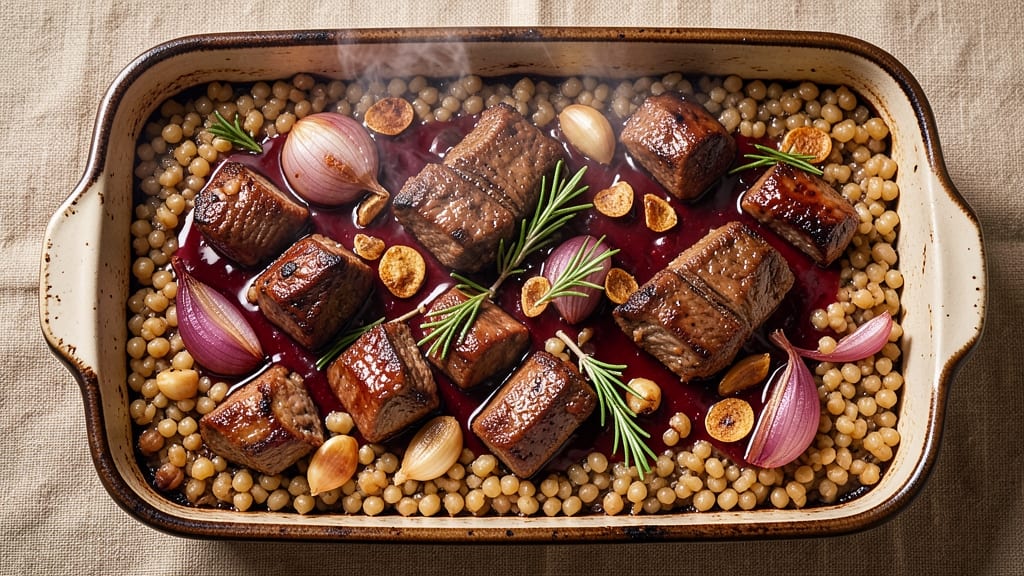
This beef and barley casserole recipe transforms tough cuts into melt-in-your-mouth tenderness through slow-simmered spices and rich broth. The secret lies in layering flavors—caramelized onions, toasted spices, and hearty barley—all melding together over hours to create a dish that tastes even better the next day.
Perfect for feeding a crowd or meal prepping, this casserole delivers restaurant-quality depth with minimal effort.
The beauty of this recipe is its foolproof technique: brown the beef first to develop deep flavor, then combine everything in one pot and let the slow simmer work its magic. Barley absorbs the savory broth while the beef becomes fork-tender, creating a harmonious balance of textures and tastes.
The spices—thyme, bay leaf, and a touch of Worcestershire—build complexity without overpowering the natural richness of the beef.
By the time it's done, you'll have a rich, hearty casserole with a golden crust on top and tender layers beneath. The barley adds satisfying texture, while the beef stays juicy and flavorful. It's the kind of dish that feels indulgent but comes together with simple ingredients and patience.
Serve with crusty bread to soak up every last drop of that aromatic broth, or pair it with roasted vegetables for a complete meal. This casserole reheats beautifully, making it ideal for leftovers. Let's get started!
Ingredients for beef and barley casserole
Sixteen ingredients transform tough beef into restaurant-quality casserole through slow-simmered depth.
| Ingredient | Amount | Notes |
|---|---|---|
| Chuck Roast 🥩 | 2 ½ lb | Cut into 1.5-inch cubes for even cooking |
| Pearl Barley 🌾 | 1 cup | Uncooked, rinsed thoroughly |
| Yellow Onions 🧅 | 2 whole | Medium size, thinly sliced |
| Garlic Cloves 🧄 | 4 cloves | Minced for even distribution |
| Beef Broth 💧 | 3 cups | Low-sodium preferred for flavor control |
| Dry Red Wine 🍷 | ½ cup | Cabernet Sauvignon recommended |
| Tomato Paste 🍅 | 2 tbsp | Smooth, no sugar added |
| Fresh Thyme 🌿 | 1 tbsp | Leaves only, chopped fine |
| Bay Leaves 🍃 | 2 whole | Dried, standard size |
| Worcestershire Sauce 🍯 | 1 tbsp | Lea & Perrins brand preferred |
| All-Purpose Flour 🌾 | 2 tbsp | For thickening sauce |
| Kosher Salt 🧂 | 1 ½ tsp | Diamond Crystal preferred |
| Ground Black Pepper 🌶️ | 1 tsp | Freshly cracked preferred |
| Unsalted Butter 🧈 | 2 tbsp | Cold, cubed for topping |
| Shredded Gruyère Cheese 🧀 | ½ cup | Freshly grated for best flavor |
The chuck roast is non-negotiable here—its marbling delivers unmatched tenderness. Costco or Whole Foods carry excellent cuts, but any well-marbled beef works. Ask for pre-cubed at the butcher counter to save time. Pearl barley needs thorough rinsing to remove excess starch, which can make the casserole gummy. Bob's Red Mill brand is consistently reliable, though any food-grade barley will suffice. For the onions, caramelizing them before adding to the pot develops sweetness that elevates the entire dish—don't skip this step, even if it adds 10 minutes to prep.
No red wine? Beef broth with 1 tbsp balsamic vinegar replicates the depth perfectly. Fresh thyme is ideal, but dried works at one-third the amount if you're in a pinch. The tomato paste can be substituted with 1/4 cup crushed tomatoes for a slightly different texture. Worcestershire sauce contains anchovies, so for a vegetarian version, replace with 1 tbsp soy sauce plus 1 tsp vinegar. Gruyère can be swapped for Parmesan or sharp cheddar, though the flavor profile will differ noticeably. For the flour, all-purpose is fine, but bread flour adds a subtle chewiness to the final crust.
This casserole tastes even better the next day, so make it ahead if possible. Store in an airtight container in the fridge for up to 4 days, or freeze portions for 3 months. When reheating, cover with foil and bake at 350°F until bubbly. The barley absorbs flavors beautifully over time, so leftovers often surpass the first serving. For optimal texture, let the casserole sit for 5 minutes after baking before serving—this allows the juices to redistribute throughout the dish.
Why You'll Love This Recipe
- One-Pot Magic: I swear by this recipe—just dump everything in one pot, stir twice, and walk away. The chuck roast practically melts into tender perfection while the barley soaks up all that rich beef broth, turning into pillowy bites without a single extra dish to wash.
- Umami Bomb: That slow-cooked chuck roast? Deep, savory, and impossible to resist. The onions caramelize just enough to add sweetness, while the garlic cloves—roasted right in the broth—infuse every bite with warmth. Honestly, this isn’t just a casserole; it’s a flavor experience.
- Meal Prep MVP: Make a double batch on Sunday, and you’ve got lunch for the week. The barley holds up beautifully, and the beef stays juicy even after reheating. My go-to for busy mornings—just grab a container, microwave, and enjoy. (Yes, even on a Tuesday night.)
- Budget-Friendly Feast: Chuck roast and pearl barley are cheap, but this dish feels like a restaurant meal. I feed my family four hearty portions for under $15, and we’re all left asking for seconds. That’s the kind of value that makes me want to cook more.
Step-by-Step instructions for beef and barley casserole
Master this hearty dish through precise technique and slow-simmered depth.
Sear the Chuck Roast for Maximum Flavor
Pat the 2.5 lb chuck roast dry with paper towels and cut it into 1.5-inch cubes for even cooking. Heat a large Dutch oven over medium-high heat and add the cubes in a single layer, working in batches if needed. Let them sear undisturbed for 3-4 minutes per side until deeply browned—this creates the Maillard reaction that builds rich, caramelized flavor.
Remove the seared beef and set it aside. In the same pot, add the 2 whole yellow onions and 4 cloves minced garlic, cooking for 5-6 minutes until the onions soften and turn golden. This step develops the aromatic foundation for the entire dish. The onions should be tender but not browned, as they'll continue cooking later.
Build the Flavor Base with Wine and Broth
Deglaze the pot with the 0.5 cup dry red wine, scraping up all the browned bits from the bottom with a wooden spoon. Let it simmer for 3-4 minutes until reduced by half, intensifying the wine's depth. This step is crucial—those browned bits contain concentrated flavor that will carry through the entire casserole.
Stir in the 2 tbsp tomato paste, 1 tbsp Worcestershire sauce, and 1 tbsp fresh thyme, cooking for 1 minute to meld the flavors. Add the 3 cups beef broth, 2 whole bay leaves, 1.5 tsp kosher salt, and 1 tsp ground black pepper, bringing everything to a gentle simmer. Return the seared beef to the pot and stir to coat evenly in the liquid.
Incorporate Barley and Simmer Until Tender
Add the 1 cup pearl barley and 2 tbsp all-purpose flour, stirring well to distribute the barley evenly. The flour will help thicken the sauce slightly as it simmers. Bring the mixture to a full boil, then reduce heat to low and cover the pot. Let it simmer for 45-50 minutes, stirring occasionally, until the barley is tender and the beef is fork-tender.
Check for doneness by piercing a beef cube with a fork—it should slide in easily with minimal resistance. If the barley isn't fully tender, continue simmering for another 10-15 minutes. The barley should have a firm but creamy texture, absorbing the rich flavors of the beef and broth. This slow cooking transforms tough chuck roast into melt-in-your-mouth tenderness.
Finish with Butter and Cheese for Richness
Remove the casserole from heat and stir in the 2 tbsp unsalted butter, allowing it to melt completely into the sauce. This adds a velvety texture and balances the savory flavors. Taste and adjust seasoning if needed—you may need a pinch more salt or pepper to complement the deep, slow-cooked flavors.
Sprinkle the 0.5 cup shredded Gruyère cheese evenly over the top, stirring gently to distribute it throughout the casserole. The cheese should melt into the sauce, creating a luscious, creamy finish. For best results, let the casserole rest for 10 minutes before serving—this allows the flavors to fully meld and the cheese to set slightly, ensuring each bite is rich and cohesive.
Pro Tips For Making Beef And Barley Casserole
- BROWN THE CHUCK ROAST FIRST: I learned this the hard way—skipping the sear means bland, stringy beef. Get that roast screaming hot in a Dutch oven for 3-4 minutes per side until deep brown, then pull it out and let it rest while you prep everything else. That crust locks in flavor and keeps the meat tender.
- SOAK THE BARLEY (YES, REALLY): Pearl barley’s dry as a bone straight from the bag. Toss it in cold water for 30 minutes before adding to the pot—it cooks faster and absorbs flavors better. Drain well before mixing with the beef, or you’ll end up with a soup instead of a casserole.
- DON’T DROWN THE ONIONS: Onions release their sweetness when caramelized, not drowned. Cook them low and slow in the Dutch oven for 10-12 minutes until golden, stirring occasionally. If the pan’s too crowded, work in batches—rushed onions taste sad, and no one wants sad onions.
- USE STARCHY BROTH (OR THICKEN IT): Cheap beef broth? Add 1-2 tablespoons of cornstarch mixed with cold water to the simmering pot in the last 10 minutes. It’ll give your casserole that rich, velvety texture without turning it gluey. (Or just grab a high-quality bouillon cube—your future self will notice the difference.)
Best sauces and condiments for this recipe
Classic Gravy Base
The rich, savory sauce in this casserole comes from the beef drippings, red wine reduction, and tomato paste—all simmered together for depth. For extra richness, I like to whisk in 2 tbsp cold butter at the end, which creates a velvety finish.
This technique works perfectly with the Gruyère cheese topping, creating a luxurious mouthfeel. 🧈
Creamy Mustard Sauce
If you want to brighten the dish, stir in 2 tbsp Dijon mustard with the barley during the final 10 minutes of simmering. The tangy heat cuts through the richness of the beef while adding complexity.
For a smoother texture, blend ½ cup of the broth with the mustard first, then return it to the pot. This variation pairs beautifully with the nutty barley and caramelized onions. 🌶️
Mushroom Enhancement
Add 1 cup sliced mushrooms (cremini or shiitake) with the onions during Step 1. Their earthy flavor absorbs the wine and beef broth, creating a deeper umami profile.
For extra richness, finish with 1 tbsp truffle oil drizzled on top before serving—it elevates the dish to restaurant-quality without overpowering the beef. 🍄
Herb-Infused Broth
Boost the broth with 1 sprig rosemary and 1 sprig thyme tied together with kitchen twine. Simmer them alongside the bay leaves during Step 2 for an aromatic infusion.
Remove the herb bundle before adding the barley, but leave the bay leaves in—they add subtle piney notes that complement the wine and Worcestershire. 🌿
Cheesy Topping Variations
Swap the Gruyère for Parmesan (½ cup grated) and 2 tbsp breadcrumbs for a crispy crust. Or try sharp cheddar (½ cup) mixed with 1 tbsp smoked paprika for a smoky kick.
For a vegetarian twist, use nutritional yeast (¼ cup) with 1 tbsp olive oil to create a golden, cheesy finish. Each variation adds a unique texture and flavor profile. 🧀
Sweet-Savory Balance
Add 1 tbsp honey or maple syrup with the tomato paste in Step 2 to balance the acidity of the wine. This subtle sweetness enhances the caramelized onions and complements the rich beef.
It’s a trick I learned from French cuisine—just a touch of sweetness rounds out savory dishes beautifully. 🍯
Nutrition facts
Frequently asked questions
Can I substitute pearl barley for another grain?
For a quicker cook time, use 1 cup quick-cooking barley (cooks in 20-25 minutes) or ½ cup wild rice blend. For a nuttier flavor, try ½ cup farro—just increase simmering time by 10-15 minutes. The key is using a grain that holds its shape but absorbs the rich flavors.
Why does my beef turn out tough instead of tender?
Tough beef usually means the cooking time wasn't long enough or the heat was too high. This recipe requires low-and-slow cooking—cover the pot and simmer for the full 45-50 minutes (or longer if needed). For extra tenderness, sear the beef longer (5 minutes per side) to build flavor, then use the Dutch oven's lid to trap steam.
How can I make this casserole ahead of time?
This dish actually tastes better the next day! Assemble everything up to Step 3, then refrigerate uncovered for 1 hour to thicken slightly. Cover and refrigerate for up to 4 days or freeze for 3 months. When reheating, bake at 350°F until bubbly (30-45 minutes), adding 1-2 tbsp broth if it seems dry.
What's the best way to reheat leftovers?
Transfer to an oven-safe dish and cover with foil. Reheat at 350°F for 30-45 minutes until piping hot. For microwave reheating, cover with a damp paper towel and heat in 1-minute intervals, stirring between each. The barley absorbs flavors better when warmed slowly—never microwave uncovered.
Can I make this dish in an Instant Pot?
Yes! Sear the beef and onions as directed, then add all ingredients except cheese. Cook on high pressure for 20 minutes, then quick-release. Stir in butter and cheese, then let sit for 5 minutes before serving. The pressure cooker cuts time but may need 1 cup extra broth to prevent drying out.