
Main Courses
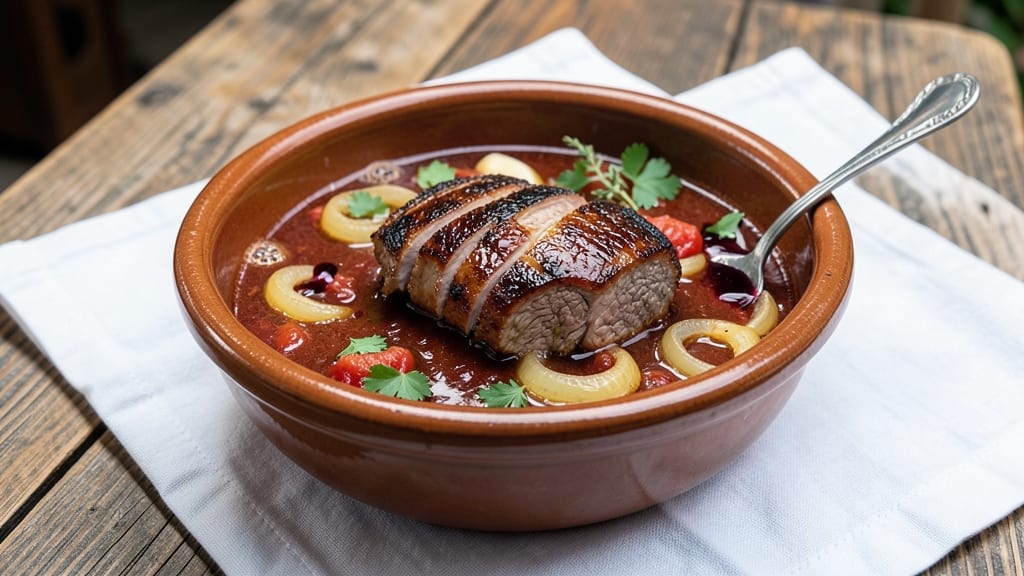
This authentic beef stifado recipe brings the rich, slow-simmered flavors of Greek home cooking to your table. The dish transforms tender beef, fragrant onions, and ripe tomatoes into a deeply aromatic stew, elevated by warm spices like cinnamon and allspice.
What sets this recipe apart is the careful balance of red wine and herbs, creating a sauce that's both bold and refined—exactly as it's been made for generations.
The secret lies in the technique: browning the beef deeply for maximum flavor, then simmering it low and slow until the meat becomes fork-tender and the sauce thickens into velvety perfection. Traditional recipes call for hours of simmering, but this version streamlines the process without sacrificing authenticity.
The result is a dish that's hearty enough for a family dinner but elegant enough for a special occasion.
By the time you serve this stifado, your kitchen will be filled with the intoxicating aroma of tomatoes, wine, and spices, while the table is ready for crusty bread to soak up every last drop of that slow-simmered tomato-wine richness.
Each bite delivers layers of flavor—juicy beef, caramelized onions, and a sauce that's perfectly balanced between tangy and sweet. This is comfort food at its finest, with a touch of sophistication.
The beauty of stifado is its versatility—serve it with orzo for extra heartiness, or pair it with fluffy mashed potatoes to let the sauce shine. The leftovers only improve with time, making this a recipe worth doubling.
Let's bring the flavors of Greece to your kitchen with this authentic beef stifado that's sure to become a family favorite.
Ingredients for authentic beef stifado
Nothing beats the aroma of slow-cooked beef, tomatoes, and spices for a Greek-inspired family dinner.
| Ingredient | Amount | Notes |
|---|---|---|
| Beef Chuck Roast 🥩 | 2 lb | Cut into 1-inch cubes |
| Yellow Onions 🧅 | 2 whole | Thinly sliced, about 2 cups |
| Garlic Cloves 🧄 | 6 cloves | Minced, not crushed |
| Ripe Tomatoes 🍅 | 2 lb | Roma or vine-ripened, chopped |
| Red Wine 🍷 | 1 cup | Bold dry variety like Cabernet |
| Tomato Paste 🍅 | ½ cup | High-quality, not watery |
| Fresh Oregano 🌿 | ¼ cup | Chopped, or 1 tbsp dried |
| Ground Cinnamon 🌶️ | 1 tsp | Freshly toasted preferred |
| Allspice Berries 🌶️ | 4 whole | Crushed, or 1 tsp ground |
| Olive Oil 🫒 | ¼ cup | Extra-virgin for richness |
| Salt 🧂 | 1 ½ tsp | Kosher or sea salt |
| Black Pepper 🌶️ | ½ tsp | Freshly ground preferred |
| Beef Broth 💧 | 2 cups | Low-sodium preferred |
The beef is the star—chuck roast gives you that melt-in-your-mouth texture. Look for good marbling at Whole Foods or your local butcher shop. If you're short on time, most grocery stores carry pre-cubed chuck. The tomatoes should be ripe but firm—Roma or vine-ripened hold up best during simmering. For the wine, any bold red works—Cabernet, Merlot, whatever's open. The tomato paste makes all the difference, so don't skimp on quality. I always grab the San Marzano brand when I can find it.
No red wine? Beef broth with a splash of balsamic works in a pinch. Fresh oregano is ideal, but dried at one-third the amount gets you close. The allspice berries are key—if you can't find whole ones, ground works fine. For the onions, yellow or red both work, but avoid sweet varieties like Vidalia. The olive oil should be extra-virgin—it adds richness that regular olive oil can't match. If you're using dried herbs, toast them lightly in a dry pan for 30 seconds to wake up the flavors.
This stew tastes even better the next day, so make extra. Keeps 4-5 days in the fridge or 3 months frozen. I always portion mine into containers so lunches are ready to grab. For serving, crusty bread is a must—fresh baguette or warm pita soaks up all that sauce. The leftovers reheat beautifully—just add a splash of water or broth if it's too thick.
Why You'll Love This Recipe
- One-Pot Magic: I swear by this recipe—just sear the beef, toss in chopped onions and garlic, then let the wine and tomatoes work their slow-motion alchemy. No extra pans, no fuss, and that rich sauce practically cooks itself while you chop parsley.
- Wine-Infused Depth: That first sip of red wine hitting the pan? It’s not just flavor—it’s transformation. The beef gets tender, the tomatoes melt into a velvety sauce, and the garlic? Oh, it’s there, but it’s elevated, not overpowering. (Between us, this is the only time I let my cheap wine out of the cabinet.)
- Weeknight to Dinner Party: Make it for Tuesday with a hunk of bread, or serve it with crusty baguette and a simple salad for company. The same dish works both times—just adjust the portions. Honestly, I’ve brought this to potlucks and had people ask for the recipe before dessert even came out.
- Budget-Friendly Feast: A chuck roast stretches further than you’d think, especially when braised until fall-apart. Leftovers? Even better—reheat with a splash of water, and it’s like the sauce got richer overnight. I’ve fed four people for under $15, and no one ever guessed.
Step-by-step instructions for authentic beef stifado
This slow-cooked Greek classic delivers deep, spiced flavors that'll transport you to a taverna.
Sear the Beef Chuck Roast
Heat the 0.25 cup olive oil in a large Dutch oven over medium-high heat. Pat the 2 lb beef chuck roast dry with paper towels and season generously with 1 tsp salt and 0.5 tsp black pepper. Add the beef in a single layer and sear for 4-5 minutes per side until deeply browned. You want that rich, caramelized crust that'll form the base of your sauce.
Once browned, remove the beef from the pot and set it aside. Don't drain the oil—those browned bits (fond) are flavor gold. If the oil isn't hot enough to get good browning, let it heat up a bit more before adding the beef again. Patience here makes all the difference for that authentic stifado depth.
Build the Spiced Tomato Base
In the same Dutch oven, add the 2 whole yellow onions (thinly sliced) and cook for 5-6 minutes until softened and golden. Add the 6 cloves minced garlic and cook for 30 seconds until fragrant—don't let it burn. Stir in the 0.5 cup tomato paste and cook for 2 minutes until it darkens slightly.
Now add the 1 tsp ground cinnamon and 4 crushed allspice berries, stirring to toast them for 30 seconds until you can smell their warm, aromatic notes. This spice blend is the heart of authentic stifado. Pour in the 1 cup red wine and scrape up all those delicious browned bits from the bottom of the pot with a wooden spoon.
Simmer the Tomato-Wine Sauce
Add the 2 lb chopped ripe tomatoes and 2 cups beef broth to the pot. Bring everything to a gentle boil, then reduce heat to low and let it simmer uncovered for 20 minutes. You want the sauce to thicken slightly and the tomatoes to break down into a rich, jammy consistency. Stir occasionally, especially if the sauce starts to stick to the bottom.
Here's where the magic happens: the wine reduces, the tomatoes soften, and all those spices meld together. The sauce should coat the back of a spoon with a velvety texture. If it's too thin, simmer uncovered for another 5-10 minutes to reduce it further. This slow reduction builds the deep, complex flavor that makes stifado special.
Braise the Beef to Tender Perfection
Return the seared beef to the pot, along with any accumulated juices. Add the 0.25 cup chopped fresh oregano and bring everything to a gentle simmer. Cover the pot and cook on low heat for 2-2.5 hours, turning the beef occasionally and spooning some of the sauce over it to keep it moist.
The beef should become fork-tender and easily pull apart. If the sauce gets too thick during cooking, add a splash of water or broth to maintain the right consistency. The key is low and slow—this isn't a quick weeknight meal, but the results are worth every minute. You'll know it's done when the beef is tender and the sauce has thickened into a rich, glossy coating.
Finish and Serve
Once the beef is tender, remove it from the pot and set it aside. Strain the sauce through a fine-mesh sieve to remove any large tomato pieces or herbs, then return the sauce to the pot. Taste and adjust seasoning with additional salt if needed—sometimes the beef needs more, sometimes the sauce does.
Slice the beef against the grain and serve it with the strained sauce ladled over the top. Traditional stifado is served with crusty bread or over buttered orzo pasta to soak up every last bit of that rich, spiced tomato-wine sauce. The dish tastes even better the next day as the flavors continue to meld, so make extra if you can—it's that good.
Pro Tips For Making Authentic Beef Stifado
- Sear the Chuck First: Don’t rush this—get that Dutch oven smoking hot before adding the beef chuck. I used to skip this step, thinking the slow braise would fix it, but nothing replaces that deep, caramelized crust. Cut the roast against the grain into 1.5-inch chunks, pat them very dry, and let them sizzle undisturbed for 3-4 minutes per side. (Yes, even if you’re impatient like me.)
- Char the Onions Low: After sweating the onions for 10 minutes, crank the heat to medium-low and let them turn golden-brown—not crispy, just deeply caramelized. I learned this the hard way—burning them once made the whole dish taste bitter. Stir occasionally and resist the urge to rush; this is where the flavor builds. (Your future self will notice the difference.)
- Deglaze with Wine Twice: After searing the beef, scrape up every last bit of browned bits with the wine—all of it. Then, after the onions and garlic join, add another splash of wine to dissolve the fond again. Sounds weird, but it works: the second deglaze pulls in more flavor that would’ve otherwise stuck to the pot. (Skip this, and you’re missing out on layers of depth.)
- Tomatoes Should Be Rough: Don’t blend those tomatoes into a smooth paste—chop them into rough chunks and let them simmer until they break down naturally. I was skeptical until I tried it: the texture stays vibrant, and the acidity cuts through the richness of the beef and wine. If using canned tomatoes, crush them by hand instead of straining. (This isn’t the prettiest method, but it’s the tastiest.)
Flavor customization for this recipe
Spice Level Control
Start with the classic 1 tsp cinnamon and 4 crushed allspice berries for a balanced, aromatic foundation. For mild heat, add ½ tsp cayenne pepper or 1 tsp smoked paprika—these add warmth without overpowering.
If you love spice, boost to 1 tsp cayenne or 1 tbsp crushed red pepper flakes, but remember: allspice and cinnamon already bring warmth. 🌶️
Sweet-Tangy Balance
Adjust the sauce's sweetness by adding 1 tbsp honey or 1 tbsp brown sugar during the final 10 minutes of simmering. For extra tang, stir in 1 tbsp balsamic vinegar or 1 tbsp lemon juice at the end—this brightens the rich tomato-wine base.
I often add both for a perfect balance.
Herb Variations
Swap fresh oregano for thyme or rosemary (use 1 tbsp dried or ¼ cup fresh) for a more Mediterranean twist. For a brighter profile, add 2 tbsp fresh parsley at the end.
Avoid mint—it clashes with the warm spices. Fresh herbs like dill or basil work too but lean more toward a summery vibe.
Wine Alternatives
No red wine? Use 1 cup beef broth + 1 tbsp balsamic vinegar for depth. For a lighter touch, try ½ cup white wine + ½ cup broth, though the sauce will be less rich.
If you prefer sweetness, substitute ½ cup red wine + ½ cup tomato juice. The key is acidity—never skip it, even in substitutions. 🍷
Texture Adjustments
For a chunkier sauce, leave the tomatoes whole or lightly crush them. For a smoother texture, strain the sauce through a fine-mesh sieve before serving. If the sauce is too thick, thin it with 2 tbsp water or broth at the end.
For extra body, stir in 1 tbsp cornstarch mixed with 2 tbsp water and simmer for 2 minutes.
Protein Swaps
Use pork shoulder instead of beef for a lighter version—it cooks faster (1.5 hours) and stays tender. For a vegetarian option, swap beef for mushrooms (8 oz cremini) + 1 cup lentils, simmering for 1 hour.
Chicken thighs work too but need 45 minutes of braising. Always adjust cooking time based on the protein’s density. 🥩
Nutrition facts
Frequently asked questions
What makes this beef stifado recipe authentic?
The authenticity comes from the slow-simmered tomato-wine sauce, traditional spice blend of cinnamon and allspice, and the proper technique of browning beef deeply before braising. Many recipes skip the wine or use too much sugar—this version stays true to Greek taverna-style cooking.
Can I make this stifado in a slow cooker?
Yes! Sear the beef first, then transfer everything (including onions and tomatoes) to your slow cooker. Cook on low for 6-7 hours or high for 3-4 hours. The texture will be slightly different but still delicious. Just add a splash of broth if the sauce gets too thick during cooking.
Why does my stifado sauce turn out too thin?
This usually happens when the tomatoes aren't broken down enough or the wine wasn't reduced properly. For next time, simmer the sauce uncovered for 10-15 extra minutes to thicken it. If it's already too thin, mix 1 tbsp cornstarch with 2 tbsp water, stir it in, and simmer for 2 minutes until thickened.
What's the best way to reheat leftover stifado?
Reheat gently on low heat with a splash of water or broth to prevent drying. For best results, cover and warm slowly for 10-15 minutes until heated through. Leftover stifado actually tastes better the next day as flavors meld further—just add a bit more liquid if needed.
Is there a quicker version of this recipe?
For a 3-hour version, use tender beef cuts like sirloin instead of chuck, and pressure cook for 45 minutes after searing. Or try 30-minute stifado with ground beef and pre-chopped ingredients—just skip the long braising time. The flavor won't be identical, but it's still delicious for busy nights.