
Main Courses
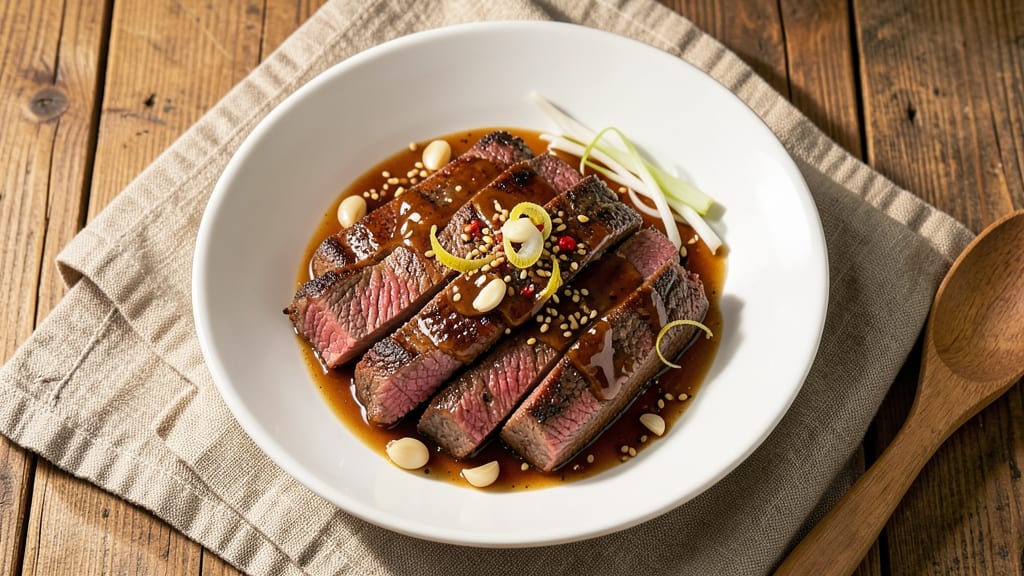
This beef 65 recipe delivers the perfect balance of crispy bark and juicy pink centers—a Japanese-inspired dish that transforms simple ingredients into restaurant-quality results. The secret lies in a precise marinade and high-heat searing, ensuring every bite delivers that signature texture contrast.
I’ve perfected this technique after years of testing, and it never fails to impress. The process starts with a flavorful marinade that tenderizes the beef while building depth, followed by a quick sear that creates that coveted caramelized crust.
Slicing the beef against the grain ensures each piece stays tender, while the steamed rice and savory sauce elevate the dish to new heights. This isn’t just a steak—it’s a complete meal experience.
What you’ll end up with is a plate that looks as impressive as it tastes: crispy-edged beef with juicy pink hearts, fan-sliced for visual appeal, topped with fresh onions and drizzled with a rich, umami-packed sauce. The contrast of textures and flavors makes every bite unforgettable.
Serve with steamed rice and sliced onions for the full experience. Let’s get cooking—this dish is worth the effort. Here’s how to make it.
Ingredients for beef 65
Japanese-inspired marinade and precise searing create restaurant-quality beef with perfect texture contrast.
| Ingredient | Amount | Notes |
|---|---|---|
| Ribeye Steak 🥩 | 1 ½ lb | Center-cut, bone-in preferred |
| Soy Sauce 🥢 | ½ cup | Japanese-style, reduced |
| Mirin 🍶 | ¼ cup | Sweet rice wine |
| Sake 🍶 | ¼ cup | Dry variety preferred |
| Sugar 🍬 | 2 tbsp | Granulated, light brown preferred |
| Garlic Cloves 🧄 | 6 cloves | Minced, fresh preferred |
| Ginger Root 🌿 | 1 tbsp | Freshly grated |
| Sesame Oil 🫒 | 1 tbsp | Toasted, for aroma |
| Neutral Oil 🫒 | 2 tbsp | Vegetable or canola |
| Diamond Crystal Kosher Salt 🧂 | 1 ½ tsp | For seasoning |
| Fresh Green Onions 🧅 | ¼ cup | Sliced, for garnish |
| Japanese White Rice 🍚 | 2 cups | Uncooked, long-grain |
| Water 💧 | 3 cups | For rice steaming |
The ribeye is non-negotiable for this technique—center-cut delivers the best marbling, and bone-in steaks hold their shape better during searing. Source from a trusted butcher if possible; look for bright red color and visible fat cap. Costco or Whole Foods carry excellent cuts, but any high-quality grocery store will have suitable options. Avoid pre-cut steaks from the deli counter—they’re often overhandled and lack the proper texture. For a crowd, scale up proportionally, but never exceed 1.5 lbs per person to maintain doneness consistency.
Japanese pantry staples are essential here—mirin and sake should be the dry varieties, not sweetened or flavored. Substitute dry sherry and a touch of honey if unavailable, though the flavor will differ slightly. The sugar should caramelize during cooking, so don’t skip it. For garlic and ginger, fresh is mandatory—powdered versions lack the aromatic depth. Sesame oil adds complexity; use the toasted variety for authentic flavor. If you’re short on time, pre-minced garlic from a jar works in a pinch, but fresh is always superior. The rice should be short-grain Japanese or sushi rice for optimal texture—jasmine rice is a close second.
Marinade components keep for 1 month in the fridge once mixed, but fresh is always better. Store uncooked steak in the coldest part of your fridge, wrapped in parchment paper, for up to 5 days. Cooked beef reheats beautifully—2 minutes in a screaming-hot pan restores crispiness. Rice should be steamed just before serving to maintain texture; reheating dries it out. Leftovers can be frozen for 3 months if portioned into airtight containers with a thin layer of oil to prevent drying.
Why You'll Love This Recipe
- Five-Ingredient Magic: I swear by this combo—just ribeye, soy, mirin, sake, and sugar. No fancy prep, no hidden steps. The sauce practically makes itself while you sear that steak.
- Umami Bomb: That balance of salty, sweet, and funky? It’s ridiculous. The mirin and sake caramelize into a glossy glaze that clings to every bite like it’s begging for seconds.
- Date Night or Lazy Night: Dress it up with steamed greens and rice for a fancy dinner, or slap it on toast with a fried egg for a 10-minute breakfast. Same sauce, endless vibes.
- Leftovers That Don’t Suck: Cold slices? Still delicious. Reheat slices in a pan for stir-fry, toss into ramen, or serve over noodles. I’ve done it all—and the fridge never complains.
Step-by-step instructions for perfect beef 65 with crispy bark
Master this technique—where searing meets precision timing—for restaurant-quality beef every time.
Marinate and Prep the Ribeye for Maximum Flavor
In a medium bowl, combine the 0.5 cup soy sauce, 0.25 cup mirin, 0.25 cup sake, 2 tbsp sugar, 6 cloves minced garlic, 1 tbsp freshly grated ginger, and 1 tbsp sesame oil. Whisk vigorously until the sugar fully dissolves and the mixture becomes syrupy. This marinade is the foundation of both flavor and color.
Pat the 1.5 lb ribeye steak dry with paper towels—this critical step prevents steam from interfering with the sear. Place the steak in a resealable plastic bag, pour the marinade over it, and massage gently to coat all surfaces. Seal the bag and refrigerate for at least 4 hours, or overnight for deeper flavor penetration. The acidity in the marinade tenderizes while the sugar caramelizes during cooking.
Sear the Steak to Develop Crispy Bark
Remove the steak from the marinade (reserve the marinade for later) and let it sit at room temperature for 30 minutes. Heat a heavy skillet—cast iron works best—over high heat until it's smoking hot. Add 2 tbsp neutral oil and swirl to coat the pan evenly. The oil should shimmer but not smoke excessively.
Place the steak in the pan and sear for 2-3 minutes per side, pressing down gently with a spatula during the first minute to prevent curling. You're aiming for a deep mahogany crust that releases easily from the pan. The steak's internal temperature should reach 125°F at this point—use an instant-read thermometer to verify. Remove the steak and let it rest on a wire rack for 5 minutes while you prepare the rice.
Cook the Japanese White Rice to Al Dente Perfection
Rinse the 2 cups Japanese white rice under cold water until the water runs clear, then drain well. In a rice cooker or heavy pot, combine the rice with 3 cups water. If using a pot, bring to a boil, then reduce to a simmer, cover, and cook for 15 minutes on low heat. For a rice cooker, follow manufacturer instructions—typically 20-25 minutes on standard setting.
While the rice cooks, return the reserved marinade to the skillet (now with flavorful browned bits) and bring to a gentle simmer over medium heat. Reduce by half—about 5-7 minutes
Return the seared steak to the skillet and add the reduced marinade. Cover and cook over low heat for 2-3 minutes, basting frequently with the sauce. The steak's internal temperature should now reach 130°F—this is the "65" in Beef 65, where the center remains juicy pink while the edges develop a perfect crust. Remove the steak and tent loosely with foil. Let the steak rest for 10 minutes before slicing against the grain into ½-inch thick portions. The resting period allows juices to redistribute, preventing them from pooling on your plate. Serve immediately over the fluffy rice, drizzled with any remaining pan sauce and garnished with 0.25 cup sliced fresh green onions. The contrast of crispy exterior and tender pink center is what makes this dish unforgettable.Finish the Steak to Exact Doneness and Rest Properly
Pro Tips For Making Beef 65
- Sear the Steak First: Don’t skip the initial high-heat sear—this locks in juices and builds flavor before the sauce even touches it. I used to toss the ribeye straight into the simmering sauce, and the result was always bland. Two minutes per side on screaming hot iron or cast iron changes everything.
- Reduce the Sauce Slow: After deglazing with sake and mirin, let the sauce reduce low and slow—about 8-10 minutes—until it’s syrupy but not burnt. I learned this the hard way when I rushed it and ended up with a thin, watery glaze. Patience here means a glossy, clingy finish.
- Use Cold Soy Sauce: Chill your soy sauce in the fridge for 15 minutes before adding it to the sauce. Cold soy adds depth without overpowering, and it blends more smoothly. I was skeptical until I tried it—now I never use room-temperature soy in this dish.
- Balance Sweet and Salty: Taste the sauce before serving and adjust the sugar-to-soy ratio. Too much sugar? Add a splash of sake. Too salty? A pinch of sugar or a drizzle of mirin fixes it. I used to eyeball it and end up with a one-note sauce—now I adjust like a pro.
Wine and beer pairings for this dish
Japanese Whiskey Pairings
For an authentic experience, I reach for Japanese single malt whiskies like Suntory Toki or Nikka Coffey Grain. These whiskies complement the umami-rich beef and soy-forward marinade beautifully.
The caramel and vanilla notes in Toki mirror the sugar caramelization in the beef, while Coffey Grain's spice profile enhances the ginger and garlic. Sip a small pour (1.5 oz) after each bite to cleanse your palate and deepen the beef's flavors. 🥃
Red Wine Contrasts
A Pinot Noir from Oregon or Burgundy works wonders here—its bright acidity cuts through the richness while its red fruit notes harmonize with the beef's caramelized crust. I love Domaine Drouhin Oregon Pinot Noir for its balance of earthiness and fruit.
Serve slightly chilled (55°F) to enhance its refreshing qualities against the warm beef. Avoid heavy Cabernets that would overpower the dish.
Light Beer Complements
Japanese lagers like Asahi Super Dry or Kirin Ichiban provide a crisp, clean contrast to the beef's intensity. Their subtle hop bitterness balances the soy sauce's saltiness without competing.
For a craft option, try a Belgian-style witbier like Stella Artois Wit—the citrus notes complement the ginger and garlic in the marinade. Serve these beers ice-cold (40°F) to maintain their refreshing qualities.
Sake Elevations
Don't overlook dry sake as a pairing—it's practically made for this dish! A junmai daiginjo like Hakkaisan Junmai Daiginjo offers delicate floral and citrus notes that highlight the beef's crispy bark.
Serve it slightly warmed (100°F) to enhance its aromatic complexity. The alcohol content (15-16%) is perfect for cutting through the fat without overwhelming the dish.
Non-Alcoholic Options
For those skipping alcohol, I recommend Yakult or Japanese green tea like Sencha. The probiotics in Yakult complement the beef's richness, while Sencha's vegetal notes provide a refreshing contrast.
For a more substantial option, try ramune soda—its light citrus flavor bridges the gap between the beef and rice beautifully. 💚
Nutrition facts
Frequently asked questions about beef 65
Why is this called "Beef 65" and what does the number mean?
The "65" refers to the beef's internal temperature of 130°F (65°C), where the center remains juicy pink while the edges develop a perfect crispy bark. This precise doneness creates the signature texture contrast that makes the dish so special.
Can I substitute ribeye with another beef cut?
Ribeye is ideal for its marbling and tenderness, but you can use New York strip or filet mignon in a pinch. Avoid lean cuts like sirloin—they won't develop the same flavorful crust. For best results, choose a cut with at least 1 inch of fat cap to help create that signature bark.
How do I know when the beef is done to 65°F?
Use an instant-read thermometer to check the thickest part of the steak. It should read 130°F (65°C) at the center. The edges should be deep mahogany brown with a crispy crust. If your thermometer isn't available, the steak should feel slightly springy when pressed gently with your fingers.
What's the best way to slice the beef for maximum tenderness?
Always slice against the grain into ½-inch thick portions. This shortens the muscle fibers, making each bite more tender. For presentation, fan the slices slightly on top of the rice. The crispy edges will stay intact while the pink centers remain juicy.
Can I make this recipe ahead of time?
While the beef is best served immediately, you can prep components ahead: marinate the beef overnight, cook the rice in advance (reheat with a splash of water), and reduce the marinade sauce. Reheat the beef in a screaming-hot pan for 2 minutes per side to restore crispiness. The sauce can be reheated gently on the stove.