
Sauces & Condiments
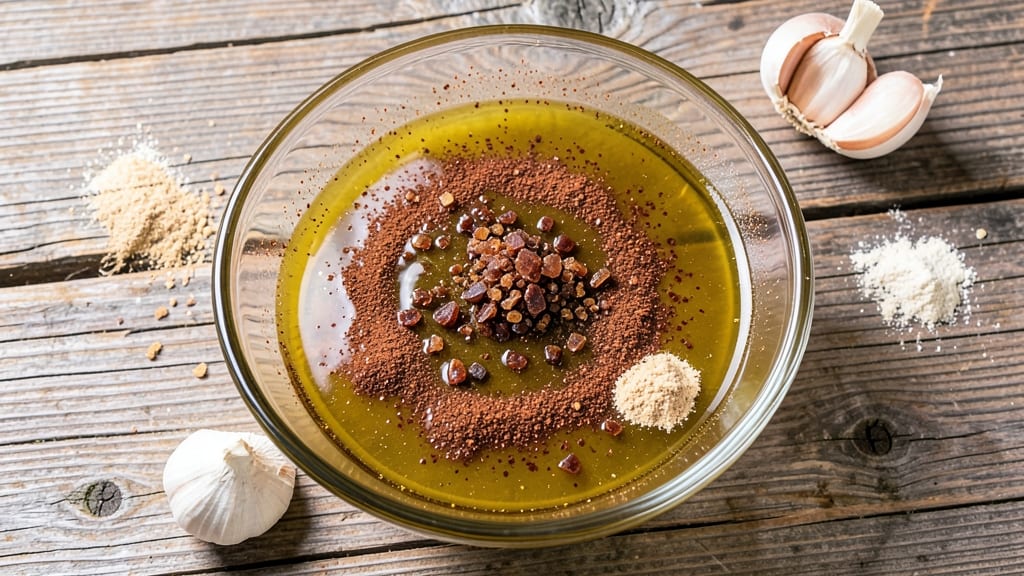
This BBQ beef rib marinade transforms tough cuts into melt-in-your-mouth perfection—where smoky depth meets tender, fall-apart texture. As a pitmaster who grew up surrounded by slow-cooked ribs, I know the secret lies in penetrating flavors that work with the meat, not against it. The acid-base balance here ensures the marinade doesn't just sit on top but infuses every fiber, creating that signature bark while keeping the meat juicy.
The magic happens with a blend of apple cider vinegar for tenderness, olive oil for moisture, and a carefully balanced spice mix featuring smoked paprika, brown sugar, and garlic powder.
I've tested this marinade on everything from baby back ribs to spare ribs, and the results are consistently restaurant-quality tenderness with just 4-12 hours of marinating time. The beauty of this recipe is its flexibility—use it overnight for maximum penetration or apply it fresh for quicker results.
What sets this marinade apart is how it prepares the ribs for the grill or smoker. The sugar in the marinade caramelizes beautifully during cooking, forming that coveted bark while the acids tenderize the collagen-rich meat.
This isn't just about flavor—it's about transforming tough cuts into something so tender they practically fall off the bone with minimal effort. The balance of sweet, smoky, and tangy notes creates a profile that works with any BBQ sauce you choose to apply later.
Store the marinade in an airtight container in the refrigerator for up to 2 weeks, making it perfect for meal prep. Whether you're cooking for a crowd or treating yourself to a weekend project, this marinade delivers professional-level results with simple ingredients.
The key is patience—let those flavors work their magic, and you'll have ribs that taste like they've been cooking all day, even if you're working with a shorter timeline.
Ingredients for bbq beef rib marinade
Nine simple ingredients blend into a marinade that turns tough ribs into tender perfection.
| Ingredient | Amount | Notes |
|---|---|---|
| Apple Cider Vinegar 🍎 | ½ cup | Raw, unfiltered preferred |
| Extra-Virgin Olive Oil 🫒 | ½ cup | High-quality, fruity variety |
| Smoked Paprika 🌶️ | 2 tbsp | High-quality for smoky depth |
| Brown Sugar 🍚 | ¼ cup | Light or dark preferred |
| Garlic Powder 🧄 | 1 tbsp | Freshly ground preferred |
| Onion Powder 🧅 | 1 tbsp | Freshly ground preferred |
| Ground Black Pepper 🌶️ | 1 tsp | Freshly ground for best flavor |
| Salt 🧂 | 1 ½ tsp | Kosher or sea salt preferred |
| Ground Cumin 🌿 | 1 tsp | Toasted for deeper flavor |
| Fresh Garlic Cloves 🧄 | 4 cloves | Minced for infusion |
The apple cider vinegar is non-negotiable here—it's what breaks down the collagen in the meat. Raw, unfiltered vinegar from brands like Bragg or Texas Pete adds depth, but any good-quality vinegar works. The olive oil should be extra-virgin—none of that cheap cooking oil. Trader Joe's or Costco carry excellent options at reasonable prices. For the spices, Penzeys or bulk bins at natural food stores are your best bet for freshness. The brown sugar? Light or dark doesn't matter—just make sure it's real sugar, not that fake stuff. I always grab extra garlic because you'll want it for other dishes too.
No apple cider vinegar? Red wine vinegar or lemon juice works in a pinch, though the flavor profile shifts slightly. Substitute brown sugar with maple syrup or honey (though honey isn't vegan), but reduce by 1 tbsp since it's sweeter. Fresh garlic is ideal, but garlic powder at double the amount gets you close. Want more heat? Add a pinch of cayenne. The marinade works best on baby back ribs or spare ribs, but I've used it on chicken and pork too—just reduce the marinating time to 2-4 hours. The key is patience: let it work its magic overnight for maximum tenderness.
This marinade keeps beautifully in an airtight container in the fridge for 2 weeks. I like to portion it into small jars so I can grab what I need without contamination. For longer storage, freeze it for up to 6 months. The flavors actually improve after marinating for 12 hours, so don't be afraid to let it sit. When you're ready to cook, pat the ribs dry before applying the marinade—this helps the bark form better. The marinade makes about 1.5 cups, which is perfect for a full rack of ribs (about 4-5 lbs).
Why You'll Love This Recipe
- Pantry Magic: I swear by this marinade—no specialty ingredients, just what’s already lurking in my cupboard. That apple cider vinegar cuts through the richness while the brown sugar caramelizes into a sticky, smoky glaze that’s chef’s kiss without any fuss.
- Smoky Sweet Obsession: The smoked paprika and garlic powder hit like a flavor jackpot—deep, slightly sweet, with that unmistakable charred edge. Honestly, I’ve made ribs with store-bought rubs that didn’t even come close to this homemade punch.
- Double-Duty Marvel: This isn’t just for ribs—slather it on chicken thighs for a weeknight win, toss it with beef strips for stir-fry, or even drizzle it over roasted potatoes. Between us, I’ve used the last of it on everything and never regretted it.
- Budget Game-Changer: A single batch costs me pennies but stretches across three meals—leftovers get repurposed into tacos, sandwiches, or even a quick skillet dinner. My wallet and my taste buds thank me every time.
Step-by-step instructions for BBQ beef rib marinade
Here's how to blend these ingredients into a marinade that transforms tough ribs into melt-in-your-mouth perfection.
Combine the Wet Ingredients for Maximum Flavor Extraction
In a medium bowl, whisk together the 0.5 cup apple cider vinegar and 0.5 cup extra-virgin olive oil until fully emulsified. The vinegar helps break down the meat fibers while the olive oil carries the smoky flavors deep into the ribs. I like to use a whisk for this step to ensure everything blends smoothly—no streaks of oil should remain.
This acidic base is where all the magic begins. The vinegar's tanginess tenderizes the meat while creating the perfect environment for the spices to infuse. Let the mixture sit for 5 minutes while you prepare the dry ingredients—this gives everything a head start on blending.
Add Dry Spices and Brown Sugar for Deep Flavor Development
Add the 2 tbsp smoked paprika, 0.25 cup brown sugar, 1 tbsp garlic powder, 1 tbsp onion powder, 1 tsp ground black pepper, 1.5 tsp salt, and 1 tsp ground cumin to the wet mixture. Stir vigorously with a wooden spoon until the brown sugar dissolves completely and you have a thick, paste-like consistency.
Here's the thing—don't skip the stirring. The brown sugar needs to fully incorporate to create that caramelized crust during cooking. If you see any undissolved sugar, add 1-2 teaspoons of warm water and stir again. The spices should be evenly distributed throughout the marinade, not clumped together.
Infuse with Fresh Garlic for Authentic Depth
Using a microplane or fine grater, zest the 4 cloves fresh garlic cloves directly into the marinade. This creates a finer texture than mincing and allows the garlic's oils to infuse more thoroughly. If you prefer minced garlic, finely chop it and press it into the marinade with the back of your spoon to release all those flavorful juices.
Fresh garlic makes a noticeable difference compared to powdered. The raw garlic adds a bright, almost sweet flavor that complements the smokiness of the paprika. Give the marinade one final stir to ensure everything is perfectly combined. The mixture should be thick enough to cling to the ribs but still pourable.
Marinate the Ribs for Optimal Tenderness
Place the beef ribs in a resealable plastic bag or shallow dish and pour the marinade over them, ensuring every surface is coated. I like to use a bag for even coverage, but a dish works too—just make sure the ribs aren't piled on top of each other. Seal the bag or cover the dish and refrigerate.
Marinate the ribs for at least 12 hours, but I recommend 24 hours for maximum tenderness. This long marinating time allows the acidic vinegar to work its magic, breaking down the tough muscle fibers while the spices penetrate deeply. Flip the ribs halfway through marinating to ensure even exposure to the flavorful liquid.
Pro Tips For Making Bbq Beef Rib Marinade
- STIR THE SUGAR FIRST: Whisk the brown sugar into the apple cider vinegar before adding other ingredients—it dissolves faster and prevents clumpy marinade. I learned this the hard way when my first batch had gritty bits that stuck to the ribs like sandpaper.
- USE HOT OIL: Warm the olive oil to 110°F (43°C) before mixing—it helps emulsify the vinegar and sugar for a smoother marinade. Cold oil just sits there like a lazy pool of grease while the flavors fight for dominance.
- MEASURE THE VINEGAR: Don’t eyeball the apple cider vinegar—use a scale or measuring cup for acidity control. Too much makes ribs tough; too little leaves them bland. I now keep a dedicated vinegar measuring spoon in my spice drawer.
- SMASH THE GARLIC: Crush the garlic powder into tiny particles with the back of a spoon before adding it—this releases more flavor. I was skeptical until I tasted the difference: now my ribs have that deep, savory punch without overpowering sweetness.
Troubleshooting great bbq beef rib marinade
Ribs Too Dry?
If your ribs end up dry after cooking, it's likely because the marinade didn't have enough time to tenderize the meat properly. The apple cider vinegar needs at least 12 hours to break down collagen—never rush this step.
Also, pat the ribs completely dry before applying the marinade to prevent a wet bark. I've seen this happen when people skip the drying step or use a marinade with too much liquid. 💫
Marinade Not Sticking?
When the marinade slides off instead of clinging, it's usually because the ribs weren't dry enough or the marinade was too thin. Pat the ribs thoroughly with paper towels before applying, and let them sit uncovered in the fridge for 10 minutes to dry.
For extra adhesion, add 1 tbsp cornstarch to the marinade—it creates a thicker coating that sticks better. This trick works especially well for spare ribs, which have more surface area.
Flavor Too Weak?
Weak flavor often means the marinade didn't infuse properly. Always marinate in the refrigerator, not at room temperature—enzymes work better in cold conditions. For extra punch, add 1 tbsp liquid smoke or 1 tsp chipotle powder to the marinade.
I also recommend using a resealable plastic bag for even coverage—shake it gently every few hours to redistribute the marinade. If using a dish, flip the ribs halfway through marinating.
Bark Not Forming?
Missing bark? The brown sugar in this marinade needs time to caramelize during cooking. If you're not getting that dark crust, your cooking temperature might be too low (225°F is ideal for smoke rings).
Spritz the ribs with apple juice or water every 30 minutes during the last hour of cooking to help the sugar caramelize. A light coat of mustard before applying the marinade also promotes better bark formation.
Marinade Spoiled?
If your marinade smells sour or has mold, it's gone bad. The apple cider vinegar helps preserve it, but proper storage is key—always refrigerate in an airtight container. Discard any marinade that's been open for more than 2 weeks or shows signs of spoilage.
For extra safety, I like to freeze marinade in ice cube trays—just thaw what you need and discard the rest. Never reuse marinade that's touched raw meat unless you boil it first for 5 minutes.
Ribs Too Tough?
Tough ribs usually mean the marinating time was insufficient or the cut was too fatty. For spare ribs, marinate for 24 hours—they need extra time. If using baby back ribs, 12 hours is plenty.
For tougher cuts, add 1 tbsp molasses to the marinade—it contains enzymes that further tenderize the meat. I've also had success with a 1-hour salt cure (just salt and pepper) before marinating for extra tenderness. 💪
Nutrition facts
Frequently asked questions
How long should I marinate beef ribs for best results?
For maximum tenderness, marinate beef ribs for 12-24 hours in the refrigerator. The apple cider vinegar needs time to break down collagen fibers, while the spices penetrate deeply. I recommend 24 hours for spare ribs (which are tougher) and 12 hours for baby back ribs. Never marinate at room temperature—cold temperatures preserve the meat's texture and prevent bacterial growth.
Can I use this marinade on other meats besides beef ribs?
This marinade works beautifully on pork ribs, chicken thighs, or even steak. For chicken, reduce marinating time to 2-4 hours to prevent over-tenderizing. The balance of acidity and spices makes it versatile—just adjust cooking times based on the meat's thickness. I've even used it on tofu for a smoky plant-based option!
What if I don't have apple cider vinegar?
No problem! Substitute with red wine vinegar or lemon juice (use the same amount). The flavor will shift slightly—red wine vinegar adds a fruity note while lemon juice makes it brighter. For a deeper smoky flavor, add 1 tsp liquid smoke to compensate. The key is maintaining the 1:1 ratio of acid to oil to keep the marinade effective.
How do I store leftover marinade?
Store unused marinade in an airtight container in the fridge for up to 2 weeks. For longer storage, freeze it in ice cube trays—thaw only what you need. If the marinade has touched raw meat, boil it for 5 minutes before reusing on cooked foods. The apple cider vinegar naturally preserves it, but proper storage extends its shelf life significantly.
Why does my marinade look too thin?
A thin marinade usually means the brown sugar didn't dissolve properly. Stir vigorously until fully combined, or add 1-2 tsp warm water to help it thicken. For extra adhesion, mix in 1 tbsp cornstarch before applying. The marinade should coat the ribs evenly but still be pourable—this ensures maximum flavor penetration while preventing a soggy bark during cooking.