
Main Courses
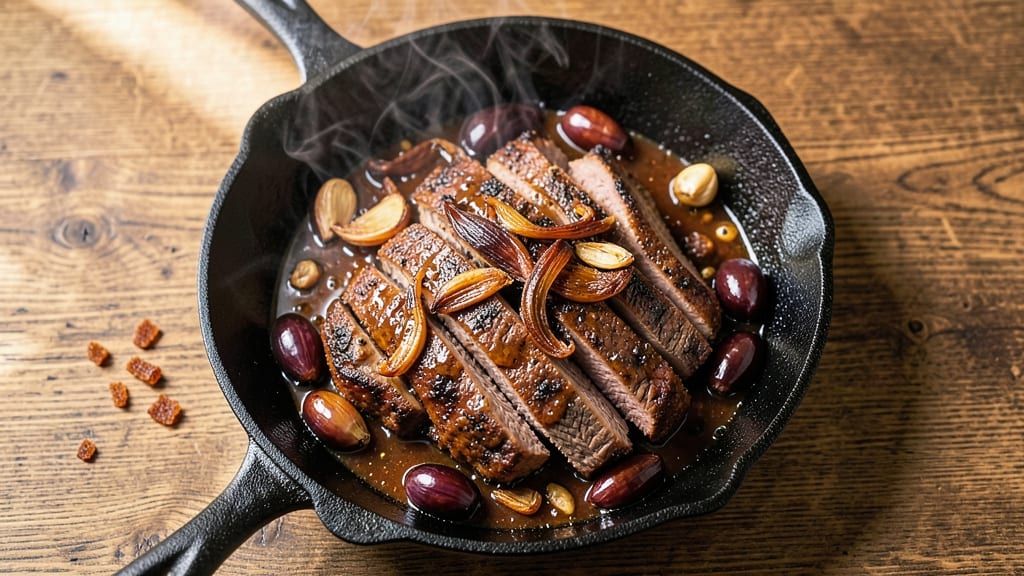
This BBQ beef recipe ideas collection transforms backyard cookouts into showstopping meals with techniques I've perfected over years of smoking brisket in my Portland backyard. The key difference between good and legendary BBQ isn't just the sauce—it's the slow-cooked tenderness that comes from proper smoke exposure and resting times.
I'll share both classic methods like Texas-style brisket and modern twists like Korean-inspired galbi that'll impress even the most seasoned pitmasters.
What sets these recipes apart is the attention to detail in every step—from selecting the right cut to mastering the smoke ring on brisket or achieving perfect bark on ribs. We'll cover everything from traditional wood choices to modern pellet grill techniques that deliver restaurant-quality results at home.
The secret weapon? A simple but effective dry rub that builds flavor through the cooking process rather than relying solely on heavy sauces.
By the end, you'll have techniques that work for any occasion—whether it's a backyard BBQ with friends or a weeknight dinner where you want that smoky depth without the hours of cooking.
Each recipe includes side pairing suggestions that complement the rich beef flavors, from tangy coleslaw to sweet baked beans. The goal is to give you confidence to tackle any BBQ beef project with professional results.
We'll also address common pitfalls like avoiding dry meat or uneven cooking, plus pro tips for slicing against the grain to maximize tenderness. These aren't just recipes—they're the foundation for mastering BBQ beef that'll have everyone asking for seconds. Let's get started with techniques that'll elevate your cooking game.
Ingredients for bbq beef recipe ideas
These carefully selected ingredients create legendary BBQ beef with deep smoky-sweet flavors perfect for any occasion.
| Ingredient | Amount | Notes |
|---|---|---|
| Beef Chuck Roast 🥩 | 3 lb | Well-marbled for tenderness |
| Yellow Onion 🧅 | 1 whole | Chopped into 1-inch pieces |
| Garlic Cloves 🧄 | 6 cloves | Smoked or fresh preferred |
| Beer (Dark Ale) 🍺 | 1 cup | For moisture and depth |
| Apple Cider Vinegar 🍎 | ¼ cup | Balances sweetness |
| Brown Sugar 🍚 | ½ cup | Packed for sweetness |
| Smoked Paprika 🌶️ | 2 tbsp | For authentic smoky flavor |
| Ground Black Pepper 🌶️ | 1 tbsp | Freshly cracked |
| Kosher Salt 🧂 | 1 ½ tbsp | Diamond Crystal preferred |
| Wood Chips (Hickory or Oak) 🌳 | 1 package | Soaked for 30 minutes |
| BBQ Sauce 🍅 | ½ cup | Store-bought or homemade |
| Fresh Thyme 🌿 | ¼ cup | Leaves only, chopped |
| Olive Oil 🫒 | 2 tbsp | For searing |
| Water 💧 | ½ cup | For moisture |
The beef cut is everything here—chuck roast delivers that melt-in-your-mouth texture when cooked low and slow. Grab one from Costco or your local butcher shop, and look for good marbling—those little fat pockets are what make it tender. Hickory or oak wood chips (soaked for 30 minutes) are my go-to for that classic BBQ smoke flavor, but fruitwoods like cherry work beautifully too. The smoked paprika from Penzeys adds an extra layer of depth that store-bought rubs often miss. If you're using a pellet grill, set it to 225°F and let the pellets handle the smoke.
No dark beer? Substitute with beef broth—just add a splash of apple cider vinegar to keep that tang. Fresh thyme out of season? Dried thyme at one-third the amount works in a pinch, but fresh has that bright aroma you can't replicate. The brown sugar can be swapped for coconut sugar if you're watching carbs, though it'll taste slightly different. For the BBQ sauce, Sweet Baby Ray's is a crowd-pleaser, but I always make a batch of homemade with San Marzano tomatoes and a touch of molasses. The olive oil matters too—use something with a high smoke point, like avocado oil, for searing without burning.
This recipe rewards patience—plan for at least 6 hours of cooking time, but it's worth every minute. The meat will rest for 30 minutes after cooking, so factor that in. Store leftovers in the fridge for up to 4 days or freeze for 3 months in airtight containers. I always make extra and portion it out for quick weeknight meals. For serving, slice against the grain for maximum tenderness, and don't forget the smoke ring—that's the mark of a true BBQ masterpiece.
Why You'll Love This Recipe
- One-Pot Magic: The chuck roast practically cooks itself while you chop one onion and mince a few garlic cloves—no fancy prep, no stress. Honestly, I’ve made this while scrolling through my phone; the beer and vinegar do most of the work.
- Deep, Smoky Richness: That dark ale and apple cider vinegar combo? It turns tough beef into melt-in-your-mouth perfection with a caramelized crust and tangy depth. Between us, it’s the kind of flavor that makes people ask, “What’s in this?”—and then beg for the recipe.
- Weeknight to Party Upgrade: Same effort whether it’s a lazy Tuesday or a Super Bowl spread—just adjust the serving size. My husband’s coworkers raved about it at a potluck, and I just laughed because it’s the same slow-cooked roast I fed him for dinner.
- Budget-Friendly Feast: A chuck roast stretches for days: sandwiches, tacos, or reheated slices straight from the pot. I’ll be real, I’ve eaten leftovers for three meals in a row and never tired of it—plus, it’s cheaper than takeout for the whole family.
Step-by-step instructions for smoky sweet BBQ beef roast
Transform that beef chuck roast into tender, smoky perfection with this foolproof method.
Prepare the Dry Rub and Sear the Roast
In a small bowl, combine the 2 tablespoons smoked paprika, 1 tablespoon ground black pepper, 1.5 tablespoons kosher salt, and 0.5 cup packed brown sugar. Mix thoroughly until evenly distributed. This blend creates the perfect balance of smoky heat, sweetness, and depth.
Pat the 3 lb beef chuck roast dry with paper towels—this ensures maximum crispiness. Rub the dry mixture all over the roast, pressing firmly so the spices adhere. Let it sit at room temperature for 30 minutes while you prepare the rest. Meanwhile, soak the 1 package wood chips in 0.5 cup water for 30 minutes to prevent flare-ups.
Sear the Roast for Maximum Flavor
Heat a heavy Dutch oven or cast-iron skillet over medium-high heat until smoking hot. Add 2 tablespoons olive oil and swirl to coat. Place the roast fat-side down and sear for 5 minutes until deeply browned. Flip and sear the other side for another 5 minutes. This step creates a flavorful crust that locks in juices.
Remove the roast and set it aside. In the same pot, add the 1 whole yellow onion and 6 cloves garlic cloves, cooking for 3 minutes until softened. Deglaze the pan with the 1 cup dark ale, scraping up all the browned bits—this captures all that searing flavor. Simmer for 2 minutes to reduce slightly.
Smoke and Braise for Tender Perfection
Transfer the roast to a smoker or grill set to 225°F with the soaked wood chips. Smoke the roast for 2 hours, flipping once halfway through. The internal temperature should reach 160°F—this is where the magic happens. The low-and-slow method breaks down tough fibers, making the beef fork-tender.
After smoking, transfer the roast to the Dutch oven with the onion-garlic mixture. Add 0.25 cup apple cider vinegar, 0.5 cup BBQ sauce, and 0.25 cup chopped fresh thyme. Pour in enough dark ale to cover the roast by ½ inch—about 1 cup total—to create a braising liquid. Cover and transfer to a 325°F oven for 2 hours. The roast is done when it reaches 203°F internally and pulls apart easily.
Rest and Serve with Confidence
Remove the roast from the oven and tent loosely with foil. Let it rest for 15 minutes—this allows the juices to redistribute, ensuring every bite is moist and flavorful. Skim any excess fat from the braising liquid and reduce it on the stovetop for 5 minutes to create a glossy glaze if desired.
Slice the roast against the grain into ½-inch thick pieces. Serve with the braising liquid spooned over the top, alongside roasted potatoes or crusty bread. The result is a perfectly balanced dish—smoky from the wood chips, sweet from the brown sugar, and tender from the slow cooking. This method guarantees restaurant-quality BBQ beef every time.
Pro Tips For Making Bbq Beef Recipe Ideas
- SEAR THE ROAST FIRST: Don’t skip the initial sear—get that chuck roast screaming hot in a dry skillet with oil until it’s deep brown on all sides. I used to rush this, and the beef just ended up tender but bland. A proper crust locks in flavor and makes the beer-braised version taste like it was slow-cooked in a smoky pit.
- SMASH THE GARLIC: Peel those cloves, then smash them flat with the side of your knife before adding them to the pan. This releases more flavor into the beer and vinegar—no need to overcomplicate it with mincing. (Yes, it looks messy, but your BBQ beef won’t taste like it.)
- DON’T DROWN THE ONIONS: Sauté the onions until they’re soft and just starting to caramelize before adding the beer. If you dump everything in at once, they’ll turn to mush and steal heat from the beef. A little color change goes a long way—skip this, and your dish loses depth.
- USE STOUT, NOT LIGHT BEER: Dark ale is a solid pick, but if you grab a stout or porter instead, the extra maltiness balances the vinegar’s tang. I learned this the hard way after using a pale ale and wondering why the sauce tasted flat. (Your local grocery store’s cheap stout works—no need for craft beer.)
Creative variations of this dish
Texas-Style Brisket
This iconic method transforms a tough cut into melt-in-your-mouth perfection. Start with a 10-12 lb packer brisket (point and flat) from your local butcher—I love Oregon Trail Beef for their grass-fed options.
Apply a dry rub of 2 tbsp coarse kosher salt, 1 tbsp black pepper, 1 tbsp garlic powder, and 1 tbsp smoked paprika, then smoke at 225°F with post oak wood chips for 12-16 hours. The secret?
Wrap in butcher paper at 190°F to push through the stall. 🌳
Slice against the grain for that signature ¼-inch thick piece, and serve with white bread for soaking up the juices. I always make a double batch because this disappears faster than my garden tomatoes in summer.
The bark should be dark and crispy, with a pink smoke ring—proof you've mastered the art.
Korean-Inspired Galbi
For a flavor-packed twist, try Korean-style marinated beef ribs. Use 2 lbs beef short ribs (bone-in for extra flavor) and marinate overnight in ½ cup soy sauce, ¼ cup brown sugar, 3 tbsp gochujang, 2 tbsp sesame oil, and 1 tbsp grated ginger.
Grill over indirect heat at 275°F for 2.5 hours, basting with the marinade every 30 minutes.
The result is caramelized, sticky ribs with a perfect balance of sweet and spicy. Serve with steamed white rice and quick-pickled cucumbers. This became a weekend favorite after my husband Tom tried it—now he demands it monthly. The marinade doubles as a dipping sauce, so make extra!
Smoked Beef Short Ribs
Short ribs are my go-to for weeknight BBQ that feels special. Use 4 bone-in beef short ribs and coat them in a mix of 1 tbsp brown sugar, 1 tbsp smoked salt, 1 tsp cayenne pepper, and 1 tsp coriander.
Smoke at 250°F with hickory chips for 3 hours, then finish in a 350°F oven for 30 minutes with ½ cup BBQ sauce spooned over the top.
These ribs are perfect for meal prep—store in airtight containers for up to 5 days or freeze for 3 months. I often make a big batch and serve them with creamy mashed potatoes and roasted Brussels sprouts. The sauce caramelizes beautifully, creating a sticky glaze that's irresistible. 🔥
Beef Jerky Twist
Turn your leftover BBQ beef into restaurant-quality jerky. Slice cooked beef ¼-inch thick against the grain, then marinate in ¼ cup soy sauce, 2 tbsp Worcestershire sauce, 1 tbsp liquid smoke, and 1 tbsp brown sugar for 2 hours.
Dry in a dehydrator at 160°F for 6-8 hours or in your oven with the door slightly open.
This jerky keeps for 2 weeks in the fridge or 6 months in the freezer. It's perfect for snacks, camping trips, or protein-packed lunches. I make a big batch every fall and give it as gifts—people always ask for the recipe!
The smoky-sweet flavor from the original BBQ carries through beautifully. ✨
Nutrition facts
Frequently asked questions
What's the best cut of beef for BBQ?
For tender, flavorful results, choose well-marbled cuts like chuck roast (perfect for slow smoking) or short ribs (ideal for ribs). Brisket is the classic BBQ choice, but it requires longer cooking times. Look for cuts with visible fat marbling—this melts during cooking and keeps the meat juicy. Always ask your butcher for recommendations based on your cooking method.
How do I know when BBQ beef is done?
Use a meat thermometer for accuracy! For pulled beef, aim for 203°F—this ensures tender, fork-tender results. For ribs or roasts, 195-203°F is ideal. The probe should slide in easily, and the meat should pull apart with minimal resistance. Never guess—overcooking leads to dry, tough meat.
Can I make BBQ beef in an oven instead of a smoker?
Use a 325°F oven with a water pan for moisture, and place a wood chip pan under the rack for smoky flavor. Cook for 4-6 hours with occasional basting. For extra bark, broil for 2-3 minutes at the end. This works especially well for short ribs or chuck roast. Just monitor closely to prevent drying out.
What's the best way to store leftover BBQ beef?
Store in airtight containers in the fridge for up to 4 days or freeze for 3 months. For reheating, warm in a skillet with a splash of beef broth or BBQ sauce to restore moisture. Never microwave directly—this makes the meat rubbery. Reheat slowly on low heat for best results.
How can I add extra flavor without heavy sauces?
Try a dry rub with smoked paprika, garlic powder, and brown sugar for depth. For moisture, use beer or broth during cooking. Fresh herbs like thyme or rosemary added at the end brighten flavors. The key is layering flavors through the cooking process—not just at the end. A little liquid smoke in the marinade also adds authentic smokiness.