
Soups & Stews
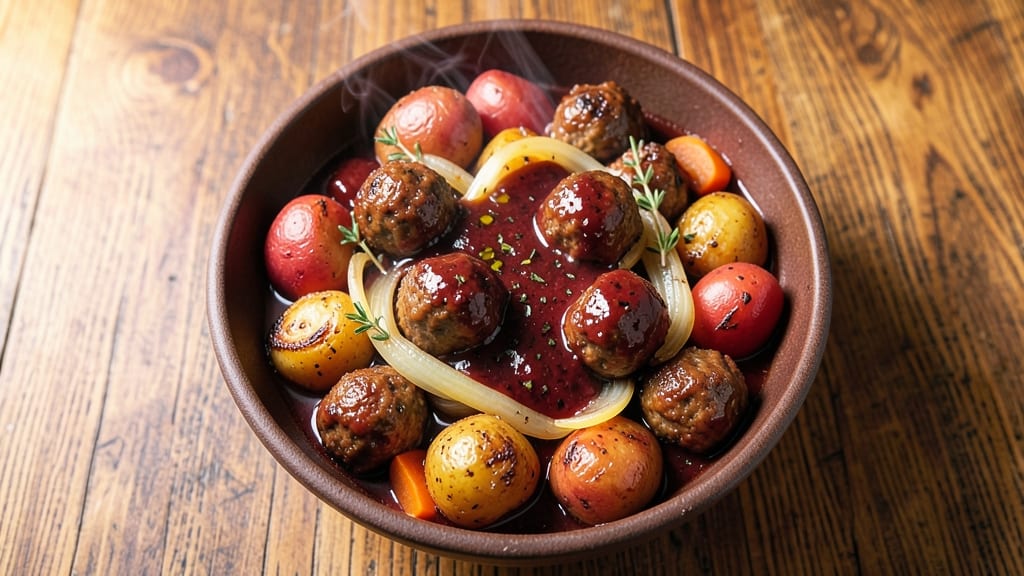
This ball beef stew recipe delivers the kind of deep, comforting flavor that transforms a simple weeknight dinner into a memorable meal. The secret lies in slow-simmering tender beef balls with root vegetables until the broth becomes rich and fragrant with umami.
After years of perfecting this dish, I’ve found that the right balance of herbs and proper cooking time makes all the difference—creating a stew that’s hearty yet refined, perfect for cold evenings or family gatherings.
The foundation of great ball beef stew starts with quality beef, cut into even-sized pieces that cook uniformly. Potatoes and carrots add natural sweetness as they soften, while onions and garlic build layers of flavor.
The slow simmer—at least 2 hours—allows the broth to develop a velvety texture, while the beef balls stay tender and infused with the surrounding spices. This isn’t just a stew; it’s a dish that tastes like home, with every spoonful packed with warmth and depth.
What sets this recipe apart is the attention to detail in the cooking process. The beef balls are pre-cooked to lock in juices before being returned to the pot, ensuring they remain succulent.
Herbs like thyme and bay leaf infuse the broth with aromatic notes, while a splash of red wine adds brightness. The result is a stew that’s hearty enough to satisfy a crowd but elegant enough for a special dinner—all while being simple enough for a weeknight.
The beauty of this recipe is its versatility. While traditional methods call for a stovetop simmer, you can adapt it for a slow cooker or Instant Pot with just a few adjustments. Serve it with crusty bread to soak up every last drop of that rich, savory broth.
Here’s how to make it—step by step—for a stew that feels like a hug in a bowl.
Ingredients for ball beef stew
Quality beef and simple vegetables create a deeply comforting stew that feels like a hug in a bowl.
| Ingredient | Amount | Notes |
|---|---|---|
| Beef Chuck Roast 🥩 | 1 ½ lb | Cut into 1-inch cubes |
| Yellow Onions 🧅 | 1 whole | Chopped into 1-inch pieces |
| Carrots 🥕 | 4 medium | Peeled and cut into 1-inch chunks |
| Russet Potatoes 🥔 | 4 medium | Cut into 1-inch cubes |
| Garlic Cloves 🧄 | 4 cloves | Minced for depth |
| Red Wine 🍷 | 1 cup | Dry variety preferred |
| Beef Broth 💧 | 4 cups | Low-sodium preferred |
| Tomato Paste 🍅 | 2 tbsp | For rich color |
| Fresh Thyme 🌿 | 2 sprigs | Or 1 tsp dried |
| Bay Leaves 🌿 | 2 whole | For aromatic depth |
| All-Purpose Flour 🌾 | ¼ cup | For beef balls |
| Salt 🧂 | 1 ½ tsp | Kosher or sea salt |
| Black Pepper 🌶️ | ½ tsp | Freshly ground |
| Olive Oil 🫒 | 2 tbsp | For searing |
The beef is the heart of this stew—chuck roast delivers the best texture and flavor. Look for well-marbled pieces at Whole Foods or your local butcher. If you can't find chuck, round roast works in a pinch. The potatoes and carrots should be firm and free of soft spots. For extra depth, organic carrots add natural sweetness, but regular ones work fine. Pre-chopping everything saves time later—just keep the veggies separate until you're ready to add them to the pot.
No red wine? Beef broth with a splash of balsamic vinegar works just as well. Fresh thyme is ideal, but dried thyme at half the amount gets you close. The tomato paste can be any brand—Trader Joe's or Muir Glen are both solid choices. If you're short on time, pre-minced garlic from a jar saves steps, though fresh is always better. The beef broth should be low-sodium to control the overall flavor balance—Pacific Foods or Kitchen Basics are reliable options.
This stew tastes even better the next day as flavors meld together. Store leftovers in an airtight container in the fridge for up to 5 days. For longer storage, freeze portions for 3 months. I like to make a double batch and freeze half—perfect for lazy weeknights. The beef balls stay tender when reheated gently, so avoid boiling them when warming up. Serve with crusty bread to soak up every last drop of that rich, savory broth.
Why You'll Love This Recipe
- No Chopping Hassle: The beef chuck roast goes in whole—no need to slice or cube. I just sear it, then let the slow cooker do the work while I chop onions and carrots in five minutes flat. (Yes, even on a Tuesday night.)
- Deep, Rich Taste: That beef chuck roast? It turns impossibly tender while soaking up the garlic and onions until the broth is thick, savory, and packed with flavor. The potatoes get that perfect creamy-crisp edge—no one will guess it’s this simple.
- Leftover Goldmine: This stew actually improves overnight. I freeze portions for lazy Mondays, and it reheats like a hug. My kids ask for it more than takeout, and it costs a fraction of the price.
- One-Pot Magic: One pot, one cleanup. The onions caramelize right in the broth, the carrots stay crisp, and the potatoes melt into the beef—no separate pans, no extra dishes. Honestly, it’s the kind of recipe that makes me want to cook more.
Step-by-step instructions for ball beef stew
Transform tough beef into tender, flavorful meatballs that form the heart of this rich, slow-simmered stew.
Prepare the Beef Meatballs
In a medium bowl, combine the 1.5 lb beef chuck roast cut into 1-inch cubes, 0.25 cup all-purpose flour, 1.5 tsp salt, and 0.5 tsp black pepper. Using your hands, gently mix until the flour coats the beef evenly—this helps create a light crust when seared.
Roll the mixture into 1.5-inch meatballs (about 12-14 total). Don’t overwork the meat; keep them loose for better texture. Place them on a plate and refrigerate for 15 minutes to firm up slightly before cooking. This step ensures they hold together during searing and simmering.
Sear the Meatballs for Depth
Heat 2 tbsp olive oil in a large Dutch oven over medium-high heat. Working in batches (to avoid crowding), add the meatballs and sear for 2-3 minutes per side until they develop a deep golden-brown crust. This crust locks in flavors and prevents them from falling apart later.
Remove the meatballs and set aside. The oil should be shimmering but not smoking—if it’s too hot, lower the heat slightly. Don’t drain the oil; those browned bits (fond) will form the stew’s rich base. This searing step is critical for building umami depth.
Build the Flavor Base
In the same Dutch oven, add the 1 whole yellow onion chopped into 1-inch pieces, 4 medium carrots cut into 1-inch chunks, and 4 cloves garlic minced. Sauté for 5 minutes until the onions soften and the garlic becomes fragrant. Stir occasionally to avoid burning.
Add 2 tbsp tomato paste and cook for 1 minute until it darkens slightly. Pour in 1 cup red wine, scraping up any browned bits from the bottom of the pot. Let it simmer for 3 minutes until the wine reduces by half. This step develops the stew’s complex, savory foundation.
Simmer the Stew to Perfection
Return the meatballs to the pot. Add 4 cups beef broth, 2 sprigs fresh thyme, and 2 whole bay leaves. Bring to a gentle boil, then reduce heat to low and cover. Simmer for 1 hour, stirring occasionally, until the meatballs are tender and the broth thickens slightly.
Add 4 medium russet potatoes cut into 1-inch cubes and continue simmering for another 30-40 minutes until the potatoes are fork-tender and the stew reaches your desired consistency. The meatballs should pull apart easily when pierced with a fork—this indicates they’ve absorbed the flavors fully.
Adjust and Serve
Remove the bay leaves and thyme sprigs. Taste and adjust seasoning with additional salt or black pepper if needed. For a thicker stew, simmer uncovered for 5-10 minutes to reduce the liquid slightly. Serve hot, garnished with fresh parsley if desired.
The stew should be rich, hearty, and deeply flavorful, with tender meatballs that melt in your mouth. Leftovers keep well in the refrigerator for 3-4 days, and the flavors only deepen over time. Pair with crusty bread to soak up every last drop.
Pro Tips For Making Ball Beef Stew
- Brown the Chuck Properly: That beef chuck needs a deep, dark crust—don’t skimp on the sear. Cut it into 2-inch chunks first, then work in batches over medium-high heat with 2 tablespoons of oil (enough to coat the pan). I used to rush this, and the stew always tasted underdeveloped. Take your time; the Maillard reaction is what builds real flavor.
- Slice Onions Paper-Thin: Thinly sliced yellow onions dissolve into the stew without leaving chunks. Use a sharp knife and cut them lengthwise first, then slice into 1/8-inch strips—almost translucent. Thick slices turn mushy and make the stew look messy. (Yes, it’s tedious, but it’s worth it.)
- Add Potatoes Late: Russet potatoes need just 15-20 minutes to cook through in the stew. Toss them in during the last hour—otherwise, they’ll turn to mush and soak up all the broth. If you’re worried about doneness, parboil them for 5 minutes first, then finish in the stew.
- Deglaze with Beer or Broth: After browning the beef, don’t just splash in water. Use 1/2 cup of dark beer (like stout) or rich beef broth to scrape up those browned bits—this adds depth. I was skeptical until I tried it; the stew now has a richer, more complex flavor. (Skip the beer? Use extra broth, but don’t skip the deglaze.)
Health benefits of these flavors
Protein Powerhouse
This stew delivers a substantial 30-35 grams of high-quality protein per serving, thanks to the beef chuck roast. That's nearly half of the 60-gram daily recommendation for adults in a single bowl.
The slow-cooked meatballs provide all nine essential amino acids your body needs for muscle repair and immune function, making it a perfect post-workout meal or hearty dinner. 💪
Iron for Energy
Beef is one of the best natural sources of heme iron, which your body absorbs more efficiently than plant-based iron. A 1.5 lb serving of this stew provides about 30% of your daily iron needs, helping prevent fatigue and supporting red blood cell production.
Pair it with vitamin C-rich sides (like bell peppers or a squeeze of lemon) to boost absorption even further.
Fiber-Rich Vegetables
The potatoes and carrots add 6-8 grams of dietary fiber per serving, supporting digestion and keeping you full longer. Fiber also helps regulate blood sugar levels, making this stew a great option for balanced meals.
The skin-on potatoes provide even more fiber—just be sure to leave them on when cutting your cubes.
Heart-Healthy Fats
The beef used in this recipe contains healthy saturated fats that, when consumed in moderation, support cell membrane function. The olive oil used for searing adds monounsaturated fats, which help reduce LDL cholesterol when replacing less healthy fats in your diet.
Together, they create a flavorful yet balanced fat profile that supports cardiovascular health.
Vitamin Boost
You'll get a vitamin punch with this stew: vitamin A from carrots (great for vision and immunity), vitamin C from onions (supports skin health), and B vitamins from beef (essential for energy metabolism). The thyme and bay leaves add aromatic compounds that contribute to overall wellness while enhancing flavor. ✨
Low-Calorie Comfort
Despite its rich taste, this stew is surprisingly moderate in calories—about 400-450 calories per serving when prepared with lean beef. The slow cooking process allows flavors to develop without adding excess fat, making it a satisfying yet balanced option for those watching their calorie intake.
It's the perfect example of how comforting food can also be nutritious.
Nutrition facts
Frequently asked questions about ball beef stew
Can I use ground beef instead of beef chuck roast for the meatballs?
While ground beef works in a pinch, beef chuck roast creates more flavorful, tender meatballs with better texture. The chuck's marbling and connective tissue break down beautifully during slow simmering, creating rich, juicy results. If you must use ground beef, choose a leaner cut (like 85/15) and add 1 extra tablespoon of olive oil to compensate for moisture loss.
How do I make this stew in a slow cooker?
Follow the same prep steps for the meatballs, then brown them in a skillet. Transfer everything to your slow cooker, add all ingredients, and cook on low for 7-8 hours or high for 4-5 hours. The potatoes will absorb more liquid, so you may need to add ½ cup extra broth if it gets too thick. The slow cooker version tastes even richer because the flavors meld longer.
Why did my meatballs turn out tough instead of tender?
Overcooking or using the wrong cut of beef are the most common causes. Always use chuck roast (never ground beef) and sear the meatballs properly before simmering. The stew should simmer no longer than 2 hours total—check doneness at 1 hour. If they're still tough, they need more time, but avoid boiling vigorously which makes them rubbery.
Can I prepare this stew ahead of time?
This stew tastes even better the next day! Store leftovers in an airtight container in the fridge for 3-4 days. The flavors deepen as the broth continues to develop. For freezing, portion into meal-sized containers and freeze for up to 3 months. Thaw overnight in the fridge before reheating gently on the stove with a splash of broth.
What's the best way to thicken the broth if it's too watery?
Simmer uncovered for 10-15 minutes to reduce naturally, or make a quick slurry with 1 tablespoon cornstarch mixed with 2 tablespoons cold water. Stir it into the stew and simmer for 2-3 minutes until thickened. For extra richness, remove a few meatballs, mash them slightly, and stir back in—they'll help thicken while adding flavor.