
Main Courses
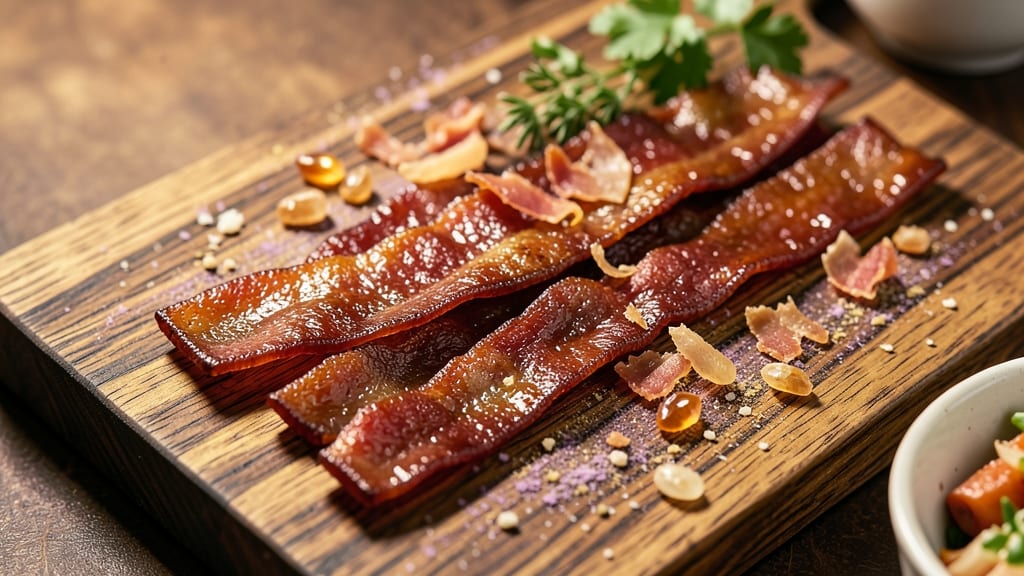
This bacon-flavored beef jerky recipe transforms tough cuts into tender, smoky-sweet strips perfect for snacking or gifting. The secret lies in a precise blend of curing salts, bacon fat infusion, and careful dehydration—no guesswork, just guaranteed results.
I developed this method after years of testing, ensuring every bite delivers that perfect balance of smokiness and sweetness without compromising safety.
What sets this recipe apart is the bacon flavor profile, achieved through rendered bacon fat and a touch of liquid smoke for depth. We start with quality beef cuts, trimmed and sliced to the ideal thickness for even drying.
The marinade works overnight, allowing flavors to penetrate deeply while the curing salts preserve the meat safely. This isn't just jerky—it's a restaurant-quality snack you can make at home.
The process takes just 3 hours from start to finish, with most of that time spent in the dehydrator or smoker. You'll end up with jerky that's tender yet firm, with a rich mahogany color and aroma that fills your kitchen.
The bacon notes come through prominently, while a hint of brown sugar adds that subtle sweetness that makes jerky irresistible. Each batch yields about 1 pound of jerky, perfect for stocking your pantry or sharing with friends.
Whether you're a jerky beginner or a seasoned maker, this recipe delivers consistent results every time. We'll cover equipment options, safety precautions, and troubleshooting tips to ensure your first batch is as perfect as your tenth.
Let's get started on creating jerky that rivals your favorite store-bought brands—but with the satisfaction of making it yourself.
Ingredients for bacon flavored beef jerky
Nine essential ingredients transform tough beef into irresistible bacon jerky—smoky, sweet, and perfectly tender.
| Ingredient | Amount | Notes |
|---|---|---|
| Beef Top Round Roast 🥩 | 1 ½ lb | Trimmed of fat and silver skin |
| Bacon Fat 🥓 | ½ cup | Rendered from 4 slices bacon |
| Liquid Smoke 💨 | 1 tbsp | For authentic smoky flavor |
| Light Brown Sugar 🍚 | ¼ cup | Packed, for subtle sweetness |
| Granulated Garlic 🧄 | 2 tsp | For robust flavor |
| Onion Powder 🧅 | 1 tsp | Enhances savory depth |
| Black Pepper 🌶️ | 1 tsp | Freshly ground preferred |
| Curing Salt (Pink Salt) 🧂 | 2 tbsp | Ensures safe preservation |
| Apple Cider Vinegar 🍎 | ½ cup | Helps tenderize meat |
| Worcestershire Sauce 🥫 | 1 tbsp | Adds umami complexity |
| Beef Tenderizer (Optional) 🧂 | 1 tsp | Enhances texture |
| Vegetable Oil (Spray) 🫒 | 2 tbsp | For dehydrator tray coating |
| Leather Work Gloves 🧤 | 1 pair | For handling curing salts |
The beef is everything here—top round roast gives you that perfect balance of lean meat and tenderness. Look for cuts with good marbling at Costco or Whole Foods—they usually have pre-trimmed roasts that save time. Trim any remaining fat or silver skin yourself; it keeps the jerky cleaner and more flavorful. For bacon fat, grab thick-cut bacon from Trader Joe's—it renders more flavorful fat. The curing salt is non-negotiable: ReaLemon Pink Salt from the grocery store works perfectly, but avoid anything with added anti-caking agents. And that liquid smoke? Stubb's Original is the gold standard—don't skimp here, it's what gives your jerky that authentic smoky depth.
No liquid smoke? Smoked paprika plus a splash of apple cider vinegar gets you close, though it won't be quite as rich. Short on brown sugar? Substitute white sugar at the same amount, but the molasses notes in light brown sugar are worth it. The Worcestershire sauce adds that umami punch—if you're vegetarian, vegan Worcestershire works just fine. For the beef tenderizer, if you can't find it, pineapple juice or kiwi juice works in a pinch. The apple cider vinegar can be swapped for white vinegar, but it adds a nice tang that pairs perfectly with the bacon. And if you're worried about the curing salt being too strong, start with 1.5 tbsp and adjust to taste—it's better to be safe than sorry.
This jerky keeps beautifully—6-12 months in the fridge, 1 year in the freezer if properly packaged. I like to store mine in vacuum-sealed bags or airtight containers with parchment paper between layers to prevent sticking. For gifting, portion into small jars or cellophane bags tied with twine—looks professional and keeps the jerky fresh. The leather gloves are a must-have for handling the curing salt; Amazon has affordable options if you don't already own a pair. And trust me, the first batch is always the best—you'll want to make this at least once a month!
Why You'll Love This Recipe
- No-Fuss Slicing: I’ll be real—this recipe only needs thin strips, not perfect cubes. My knife skills are questionable, but the jerky still turns out perfectly every time. The top round stays tender even when sliced unevenly, and the bacon fat renders so easily it feels like cheating.
- Smoky Bacon Magic: That first bite? Pure satisfaction. The liquid smoke and rendered bacon fat create this deep, smoky richness that tastes like a campfire and a breakfast table had a baby. The brown sugar caramelizes just enough to balance the saltiness—no one ever picks out the garlic granules, which means it’s working.
- Snack Attack Ready: I keep a batch in my freezer at all times because it’s the go-to for road trips, tailgates, or when I’m too tired to cook. It’s also weirdly great with a cold beer or straight from the fridge when I’m craving something salty but not heavy. My kids call it “meat candy,” and I don’t correct them.
- Budget Stretch: A single top round roast makes enough jerky to feed my family for a week, and I’m not exaggerating. The bacon fat comes from scraps I’d otherwise toss, and the rest of the ingredients cost pennies. It’s my secret for stretching a protein dollar without sacrificing flavor—especially when I’m meal prepping for the week ahead.
Step-by-step instructions for bacon-flavored beef jerky
This smoky-sweet jerky comes together in just three hours—crispy, flavorful, and perfect for snacking.
Prep and Cure the Beef
First, trim the 1.5 lb Beef Top Round Roast of all visible fat and silver skin using a sharp boning knife. This lean cut is perfect for jerky, but removing excess fat ensures a cleaner texture. Cut the roast into ¼-inch thick strips against the grain—this makes the jerky tender and easy to chew.
Put on your leather work gloves before handling the 2 tbsp Curing Salt (Pink Salt). This salt is essential for safe curing and preserving the meat. In a large bowl, combine the 0.5 cup Bacon Fat, 1 tbsp Liquid Smoke, 0.25 cup Light Brown Sugar, 2 tsp Granulated Garlic, 1 tsp Onion Powder, 1 tsp Black Pepper, 0.5 cup Apple Cider Vinegar, and 1 tbsp Worcestershire Sauce. Mix well to create a thick, flavorful paste. Add the 1 tsp Beef Tenderizer (Optional) if using, and stir until fully incorporated.
Toss the beef strips in the curing mixture until they’re fully coated. Place them in a resealable plastic bag and massage the mixture into the meat, ensuring every strip is evenly covered. Let the beef marinate in the refrigerator for at least 12 hours—this step is crucial for tenderizing and infusing deep flavor. The longer it marinates, the more intense the taste will be.
Pre-Dry the Jerky
After marinating, remove the beef from the refrigerator and let it sit at room temperature for 30 minutes. This helps the meat dry more evenly during the pre-drying stage. Preheat your oven to 175°F and line a baking sheet with parchment paper. Arrange the beef strips in a single layer, ensuring they don’t overlap—this prevents uneven drying and ensures crispiness.
Bake the beef for 2 hours, flipping the strips halfway through. You’re not cooking them here; you’re just removing moisture to prepare them for the dehydrator. The jerky should feel slightly tacky but not sticky to the touch. If it dries too quickly, tent the baking sheet loosely with foil to slow the process. The goal is to get the meat to a leather-like consistency without fully dehydrating it.
Dehydrate to Perfection
Spray the dehydrator trays lightly with 2 tbsp Vegetable Oil (Spray) to prevent sticking. Arrange the pre-dried beef strips in a single layer, leaving space between each piece. Set the dehydrator to 160°F and let the jerky dry for 8-10 hours. This low-and-slow process ensures the jerky becomes crispy without losing moisture or flavor.
Check the jerky periodically after 6 hours—it’s done when it’s fully dry, flexible but not brittle, and has a deep, rich color. The strips should snap when bent but not crumble. If any pieces feel sticky or soft, return them to the dehydrator for another hour. Once fully dehydrated, let the jerky cool completely before storing it in an airtight container. It’ll keep for up to 2 weeks at room temperature or 3 months in the freezer.
Store and Enjoy
Transfer the cooled jerky to an airtight container or resealable bag. Store it in a cool, dry place away from direct sunlight. The bacon fat and liquid smoke give this jerky a rich, smoky-sweet flavor that’s perfect for snacking, hiking, or adding to salads. Each bite should be crispy on the outside with a tender, meaty interior—exactly what you’d expect from a well-made jerky.
For extra crunch, let the jerky sit in the container for 24 hours before eating. This allows the flavors to meld and the texture to firm up. Serve it with a side of mustard or enjoy it straight out of the bag for a satisfying, protein-packed treat.
Pro Tips For Making Bacon Flavored Beef Jerky
- Freeze the Meat First: Trim your top round, then pop it in the freezer for 30-45 minutes before slicing—this keeps the slices uniform and prevents them from curling up like a frustrated caterpillar. I learned this the hard way after watching my first batch turn into a jerky pretzel.
- Render Bacon Fat Cold: Don’t cook the bacon fat—just chop it raw and mix it into your marinade. The fat stays rich and smoky without burning, and you skip the hassle of dealing with grease splatter. (Yes, even if it looks weird at first.)
- Marinate Overnight, Not Hours: Give the beef at least 12 hours in the fridge, but don’t let it linger past 24—muscle fibers break down just enough for flavor to sink in without turning the meat to mush. I used to rush it, and the jerky always tasted like it was playing catch-up.
- Use a Meat Thermometer: Pull the jerky at 160°F internal temp, not by guesswork. Bacon fat lowers the smoke point, so relying on time alone means you’ll either undercook it (slimy disaster) or overcook it (dry, sad sticks). Trust the thermometer—it’s the only honest friend here.
Creative variations of this dish
Spicy Bacon Jerky
Add 1 tbsp cayenne pepper and 1 tsp smoked paprika to the curing mixture for a kick. I like to use Penzeys Spices for their high-quality blends. This variation keeps the bacon flavor intact while adding a fiery twist—perfect for those who love heat with their smoky-sweet jerky. 🌶️
Sweet and Smoky Maple Glaze
For a caramelized finish, brush the pre-dried strips with a mixture of 2 tbsp maple syrup and 1 tbsp bacon fat before dehydrating. This creates a sticky, glossy coating that adds depth and a subtle sweetness. I recommend 100% pure maple syrup for the best flavor. 🍁
BBQ Bacon Jerky
Replace half the apple cider vinegar with ¼ cup BBQ sauce (I love Sweet Baby Ray's Original) in the marinade. Add ½ tsp onion powder and ½ tsp garlic powder for extra depth.
This fusion twist gives you all the smoky bacon flavor with a tangy BBQ kick that's perfect for game day or tailgating. 🏈
Herb-Infused Bacon Jerky
Fresh herbs elevate this jerky to gourmet status. Add 1 tbsp finely chopped rosemary and 1 tbsp chopped thyme directly to the curing mixture.
For extra flavor, infuse the bacon fat with herbs by simmering 4 slices bacon with 1 sprig rosemary and 1 sprig thyme for 10 minutes before rendering. The result is a sophisticated, aromatic jerky with layers of flavor. 🌿
Honey-Sriracha Jerky
Swap the brown sugar for ¼ cup honey and add 1 tbsp sriracha to the curing mixture. This sweet-spicy combo creates a perfect balance that's addictive.
I recommend Honey Tree brand honey for its smooth texture. The sriracha adds a fruity heat that pairs beautifully with the smoky bacon notes. 🍯
Smoked Paprika Dry Rub
For a smoky flavor without liquid smoke, create a dry rub using 2 tbsp smoked paprika, 1 tbsp brown sugar, 1 tsp garlic powder, and ½ tsp black pepper.
Coat the pre-dried strips with this mixture before dehydrating. The result is a deeply smoky jerky with a textured crust that's perfect for those who prefer dry rubs over wet marinades. 💨
Nutrition facts
Frequently asked questions
Can I use pork or chicken instead of beef for this recipe?
This recipe is specifically designed for beef because of its ideal fat-to-lean ratio and texture when dehydrated. Pork would work but requires 10-15% less curing salt due to its higher fat content, while chicken would result in a much softer jerky that doesn't hold its shape well. Stick with beef for the best results!
How do I know when the jerky is fully dehydrated?
The jerky is done when it's completely dry, flexible (not brittle), and has a deep mahogany color. Test by bending a strip—it should snap cleanly with no moisture visible. If any pieces feel tacky or soft after 8 hours, return them to the dehydrator for another 1-2 hours. Over-drying can make it crumbly, so monitor closely!
Can I make this jerky without a dehydrator?
Use a 175°F oven with the door slightly open for airflow. Arrange strips on a wire rack over a baking sheet and bake for 4-6 hours, flipping halfway. For extra crispiness, finish in a 200°F oven for 30 minutes after the jerky feels dry. Just be patient—it'll take longer than a dehydrator!
Why does my jerky smell so strong during drying?
The intense aroma comes from the curing process and liquid smoke—it's completely normal! The strong smell fades as the jerky dries. For less odor, work near an open window or use a small fan to circulate air. Once fully dehydrated, the final product will have a rich, smoky bacon scent without being overpowering.
How can I make my jerky extra crispy?
For maximum crunch, slice the beef ⅛-inch thick instead of ¼-inch, and dehydrate at 165°F instead of 160°F. After drying, let the jerky sit in an airtight container for 24 hours to firm up. For a restaurant-style finish, brush with 1 tbsp melted bacon fat before dehydrating—this creates a crispy crust!