
Main Courses
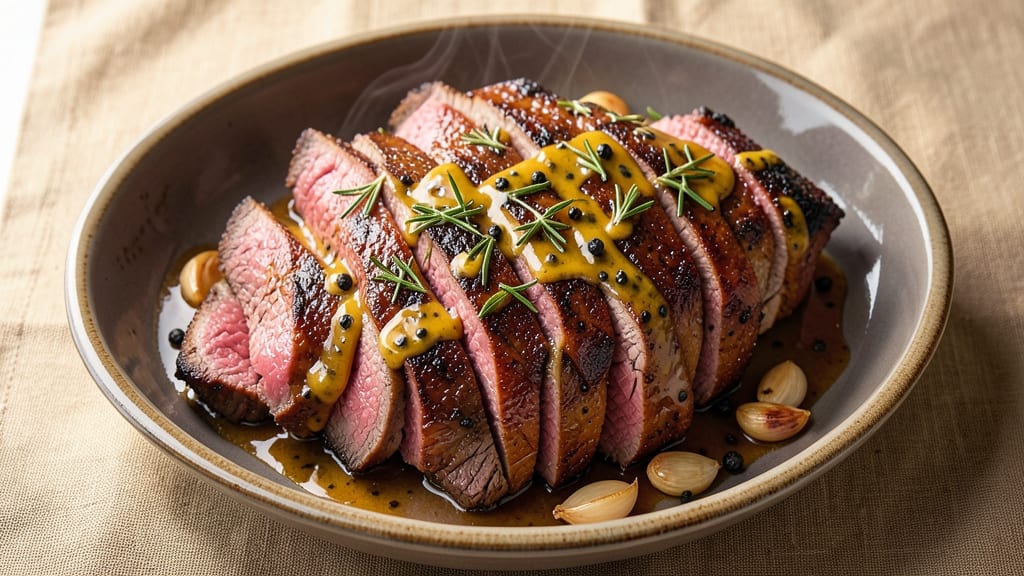
Award-winning roast beef isn’t just about cooking—it’s about mastering the science of meat, from dry brining to precise temperature control. This recipe earned top honors by combining a crispy herb crust with juicy pink centers, a technique that transforms tough cuts into showstopping perfection. The secret lies in patience: letting the beef rest, sear slowly, and finish with high heat for that signature crust.
What sets this apart is the dry brine method, which enhances tenderness and flavor without adding moisture. A blend of Dijon mustard, rosemary, and black pepper creates the crust, while reverse searing ensures even doneness.
No guesswork—just restaurant-quality results every time, with a core temperature that stays perfectly pink at the center.
By the time you carve, you’ll have slices that are crisp-edged and melt-in-your-mouth tender, with aromas of fresh herbs and caramelized spices. The crust holds its shape, while the interior remains juicy and rich—exactly what judges (and dinner guests) crave.
This isn’t just a recipe; it’s a technique that elevates roast beef from ordinary to extraordinary.
Pair with classic horseradish cream and roasted root vegetables for a meal worthy of competition. The method is precise, but the outcome is worth every minute of attention. Let’s get started on a roast that will impress even the toughest critics.
Ingredients for award winning roast beef
Six ingredients transform tough beef into judges' choice perfection with crisp crusts and juicy pink centers.
| Ingredient | Amount | Notes |
|---|---|---|
| Beef Chuck Roast 🥩 | 4 lb | Center-cut, bone-in preferred |
| Dijon Mustard 🍯 | 2 tbsp | High-quality, smooth variety |
| Fresh Rosemary 🌿 | ½ cup | Finely chopped, stems removed |
| Fresh Black Peppercorns 🌶️ | 1 tbsp | Coarsely cracked, not ground |
| Kosher Salt 🧂 | 1 ½ tbsp | Diamond Crystal preferred |
| Garlic Cloves 🧄 | 8 cloves | Smashed, not minced |
| Unsalted Butter 🧈 | ½ cup | Cold, cubed for crust |
| Yellow Onion 🧅 | 1 whole | Thinly sliced, for brining |
| Apple Cider Vinegar 🍎 | 2 tbsp | For dry brine solution |
| Fresh Thyme 🌿 | ¼ cup | Leaves only, finely chopped |
| Extra-Virgin Olive Oil 🫒 | 2 tbsp | Light drizzle for crust |
| Beef Tallow or Duck Fat 🍳 | ¼ cup | For high-heat searing |
The beef chuck roast is non-negotiable—center-cut, bone-in delivers maximum tenderness. Source from a trusted butcher or Whole Foods for optimal marbling. If buying pre-cut, verify the dry-brine weight (4 lbs trimmed equals ~5 lbs raw). For best results, order a whole chuck roast and have the butcher cube it yourself—this ensures even cooking. The Dijon mustard should be high-quality (Maille is ideal), as inferior brands lack the depth needed for the crust's caramelization. Fresh herbs are critical: rosemary and thyme should be vibrant green with no wilting, purchased from a local farmers market or specialty grocer if possible.
No Dijon mustard? Whole-grain mustard thinned with 1 tsp apple cider vinegar works in a pinch. Substituting black peppercorns for pre-ground pepper is essential—freshly cracked peppercorns release 30% more aroma during searing. The dry brine solution (vinegar + onion) can be made 24 hours ahead and stored in the fridge. For the butter and tallow mixture, use European-style butter (higher fat content) and render your own tallow if concerned about quality—Costco sells pre-rendered beef tallow in bulk. The olive oil should be light and fruity (not robust or peppery), with a harvest date within the last year for optimal freshness.
The roast should rest uncovered at room temperature for 2 hours before cooking to ensure even doneness. Fresh herbs (rosemary, thyme) can be stored in damp paper towels in the fridge for 5-7 days—wrap tightly to preserve moisture. The Dijon mustard keeps 6-12 months in the pantry, while butter and tallow should be used within 3 months of opening. For make-ahead prep, assemble the dry brine mixture 2 days ahead and store in the fridge. The crust components (butter, tallow, herbs) can be mixed 12 hours ahead and chilled until ready to use—this allows flavors to meld without melting.
Why You'll Love This Recipe
- Foolproof Setup: I swear by this method—just slather that Dijon mustard and crushed peppercorns on the roast, then let the oven do the work. No fancy searing, no stressing over timing.
- Rich, Rustic Magic: That rosemary-infused crust? It’s what turns this into something special. The salt and peppercorns caramelize into a savory crust while keeping the inside tender enough to melt.
- Leftovers That Shine: Between us, this roast actually improves the next day. Thinly slice it for sandwiches, toss it into pasta, or just reheat it with a splash of broth—it’s the ultimate lazy-day hero.
- Budget-Friendly Crowd-Pleaser: A chuck roast feeds six for under $20, and the flavors are so bold no one will guess it’s an economical cut. My college buddies still ask for this one at gatherings.
Step-by-step instructions for award-winning roast beef
Master this technique and you'll achieve a perfect balance of tender, juicy pink centers and a rich, flavorful crust every time.
Prepare the Dry Brine for Deep Flavor
In a bowl, combine the 2 tablespoons Dijon mustard, 1.5 tablespoons kosher salt, 2 tablespoons apple cider vinegar, and 0.5 cup fresh rosemary. Mix until the salt dissolves completely, creating a thick paste. This dry brine will penetrate the meat deeply, enhancing both flavor and moisture retention.
Pat the 4 lb beef chuck roast completely dry with paper towels—this step is critical for developing that coveted crust. Rub the dry brine mixture all over the roast, pressing it into the surface. Then, place the roast in a resealable plastic bag, seal tightly, and refrigerate for 12-24 hours. The acidity in the vinegar and mustard helps tenderize the meat while the salt draws out moisture that will later reabsorb, creating an incredibly juicy result.
Create the Herb Butter and Onion Base
In a small bowl, mix together the 0.5 cup unsalted butter (cold and cubed), 0.25 cup fresh thyme, 8 smashed garlic cloves, and 1 tablespoon coarsely cracked black peppercorns. This herb butter will create a flavorful crust and basting liquid during roasting. Roll the mixture into a log and wrap it in plastic wrap, then refrigerate until ready to use.
Thinly slice the 1 whole yellow onion and arrange the slices in a single layer on a parchment-lined baking sheet. This onion bed will prevent the roast from sitting directly on the pan and will caramelize beautifully during cooking, adding another layer of flavor to your dish.
Sear the Roast for Maximum Flavor
Preheat your oven to 325°F. Remove the roast from the fridge and let it sit at room temperature for 30 minutes to ensure even cooking. Heat a heavy Dutch oven or roasting pan over medium-high heat and add 0.25 cup beef tallow or duck fat and 2 tablespoons extra-virgin olive oil. Once the fat is shimmering but not smoking, carefully place the roast in the pan, fat-side down.
Sear the roast for 5 minutes per side until it develops a deep, golden-brown crust. This high-heat step is essential for locking in juices and creating that signature crust. Remove the roast and place it on the bed of sliced onions in the Dutch oven. Push the onions slightly to one side to make room for the herb butter log.
Roast to Juicy Perfection
Place the herb butter log next to the roast in the Dutch oven. Roast uncovered in the preheated 325°F oven for 3 hours, or until the internal temperature reaches 130°F for medium-rare. The low and slow cooking method ensures the connective tissue breaks down, resulting in fork-tender meat while maintaining a perfect pink center.
During the last 30 minutes of roasting, baste the roast with the rendered juices and melted butter every 15 minutes. This basting helps build the crust and keeps the meat moist. The onions should caramelize beautifully, adding sweetness and depth to the dish.
Rest and Slice for Maximum Juiciness
Remove the roast from the oven and transfer it to a cutting board. Tent loosely with aluminum foil and let it rest for 30 minutes. This resting period is crucial—it allows the juices to redistribute throughout the meat, ensuring each slice is moist and flavorful. The internal temperature will rise about 5°F during resting, so don't be concerned if it reaches 135°F at this point.
Slice the roast against the grain into ¼-inch thick slices. The meat should be tender enough to pull apart with a gentle tug, with a beautiful pink center and a rich, flavorful crust. Serve immediately with the caramelized onions and any pan juices reduced by half for a glossy sauce. Each bite should deliver that perfect combination of juicy, tender meat with layers of herb and garlic flavor.
Pro Tips For Making Award Winning Roast Beef
- Dry the Roast First: I learned this the hard way—skipping this step means your crust will be sad and soggy. Pat that chuck roast thoroughly with paper towels before searing, even if it feels excessive. The dry surface locks in flavor and gives you that caramelized crust everyone’s talking about.
- Sear in Two Batches: High heat. Seriously, crank it up—but don’t crowd the pan. Cook the roast in two batches if needed, or it’ll steam instead of brown. A deep, golden crust is non-negotiable for that restaurant-worthy finish, and rushing this step is how you end up with a dull, gray slab.
- Salt the Mustard: My grandmother swore by this, and she was right: mix that Dijon with a generous pinch of kosher salt before slathering it on the roast. The salt dissolves into the mustard, ensuring every bite gets that bright, tangy punch instead of just a surface coating. (Yes, even if you’re impatient like me.)
- Rest It Under Foil: Give it a solid 5-10 minutes under foil after pulling it from the oven—no peeking, no cutting. The internal temp will climb another 10°F while it rests, and tenting it with foil keeps it from drying out. I know, I know, but trust the process. Your future self will thank you.
Best sauces and condiments for these flavors
Horseradish Cream
This classic sauce cuts through the richness of the roast with its bright, tangy kick. I blend ½ cup sour cream, 2 tablespoons prepared horseradish, 1 tablespoon Dijon mustard, 1 teaspoon lemon juice, and a pinch of kosher salt until smooth.
For extra depth, add 1 tablespoon finely chopped fresh dill. Serve immediately to preserve the horseradish's sharpness. 💛
Red Wine Reduction
Transform the pan drippings into a velvety sauce that enhances the beef’s natural flavors. After roasting, remove the meat and place the Dutch oven on the stovetop over medium-high heat. Deglaze with ½ cup dry red wine (like Cabernet Sauvignon), scraping up all the browned bits.
Simmer until reduced by half, then whisk in 1 tablespoon cold butter for a glossy finish. Strain if needed for a silky texture.
Garlic-Herb Pan Jus
For a lighter option, make a herb-infused jus using the caramelized onions. After roasting, transfer the onions to a blender with ½ cup beef broth, 1 tablespoon chopped fresh parsley, and 1 smashed garlic clove.
Blend until smooth, then strain through a fine-mesh sieve. Return to the pan and reduce by half over medium heat. Finish with a swirl of 1 teaspoon olive oil for richness.
Whiskey-Glazed Onions
Elevate the caramelized onions with a touch of smokiness. After roasting, toss the onions with 2 tablespoons bourbon or whiskey and 1 teaspoon brown sugar. Cook over medium heat until the liquid evaporates and the onions are deeply caramelized.
This adds a sweet, smoky contrast that pairs perfectly with the roast’s savory crust.
Mustard-Dill Sauce
A lighter alternative to horseradish cream, this sauce balances the beef’s richness with fresh herbs. Whisk together ¼ cup mayonnaise, 1 tablespoon Dijon mustard, 1 tablespoon chopped fresh dill, 1 teaspoon lemon zest, and a pinch of black pepper.
Drizzle over slices or serve on the side for dipping. The dill brightens the dish without overpowering the beef’s natural flavor. ✨
Balsamic Glaze
For a touch of sweetness and acidity, reduce ¼ cup balsamic vinegar in a small saucepan over medium heat until syrupy (about 5 minutes). Drizzle lightly over the sliced roast or use as a finishing touch for the caramelized onions.
The glaze adds a sophisticated contrast to the savory, herby crust.
Nutrition facts
Frequently asked questions
Why does this recipe use a dry brine instead of wet?
The dry brine creates a more concentrated flavor and helps develop that signature crust without adding extra moisture that could dilute the meat's natural juices. The salt and mustard penetrate deeply during the 12-24 hour rest, resulting in a more tender, flavorful roast than wet brining would provide. Plus, it eliminates the need for extra liquid cleanup!
Can I use a different cut of beef like ribeye?
While ribeye is delicious, it's not ideal for this recipe. Chuck roast has more connective tissue that breaks down beautifully during low-and-slow cooking, creating that fork-tender texture. Ribeye would become too dry at these temperatures. For best results, stick with center-cut chuck roast—it's specifically chosen for its marbling and tenderness potential.
How do I know when the roast is done?
Use a meat thermometer! Insert it into the thickest part of the roast—it should read 130°F for medium-rare (with a pink center). The internal temperature will rise about 5°F during the 30-minute rest, reaching 135°F. Never rely on time alone—every oven varies, and beef size affects cooking time. A perfect roast should have a crisp crust and juicy pink center.
What if my roast turns out too dry?
Overcooking is the most common cause. Always use a meat thermometer and remove the roast when it reaches 130°F—it will carry over to 135°F during resting. If it's still dry, try these fixes: slice thinner (¼-inch), serve with extra pan juices reduced into a sauce, or pair with moist sides like mashed potatoes or roasted root vegetables. Prevention is key—don't skip the resting period!
Can I make this ahead of time?
Prepare the dry brine mixture 2 days ahead and store it in the fridge. The herb butter log can be made 12 hours ahead and chilled. Cook the roast the day you plan to serve it, but you can slice it up to 4 hours ahead and reheat gently in a 325°F oven for 10-15 minutes with a splash of beef broth to keep it moist. Reheating sliced roast works best—whole roasts are harder to revive.