
Main Courses
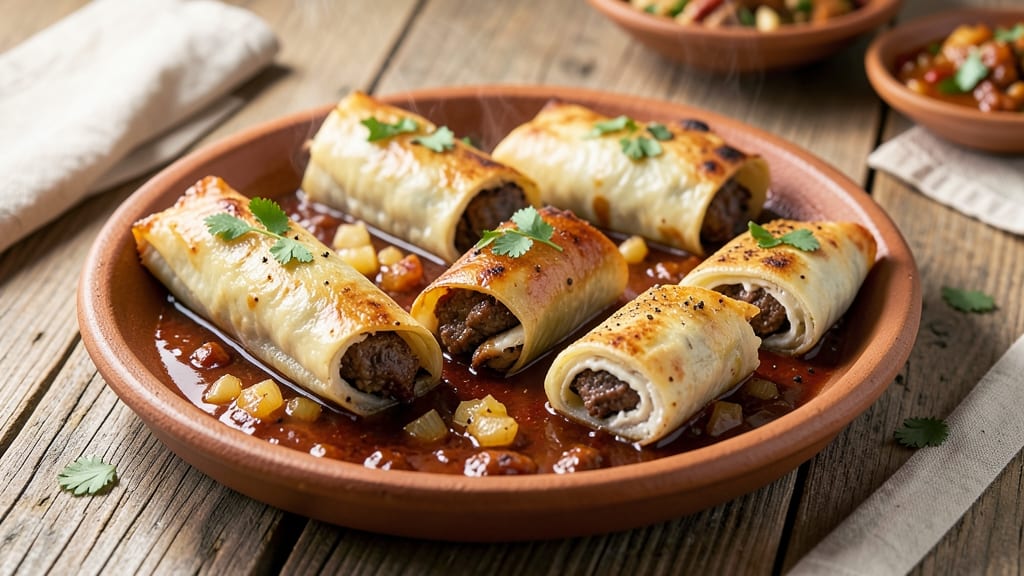
This authentic Mexican beef tamales recipe from scratch brings the soul of Mexican home cooking to your kitchen, layer by layer. 🌟 The secret lies in homemade masa—corn dough so tender it melts in your mouth—and a rich, spiced beef filling that steams into perfect, juicy bites wrapped in corn husks.
I’ve perfected this recipe over years of family gatherings, ensuring every tamale delivers that restaurant-quality flavor you crave.
What sets these tamales apart is the authentic technique—from grinding fresh masa harina to slow-cooking the beef with traditional spices like cumin, oregano, and bay leaves. The filling simmers in a rich broth until it’s fall-apart tender, while the masa absorbs the flavors beautifully.
No shortcuts here; this is the real deal, just like Abuela used to make.
By the time you’re done, you’ll have golden, steamed tamales with crispy edges and a creamy, flavorful center—each bite a celebration of Mexican tradition. The aroma alone will have everyone gathering around the table, and the taste?
Unforgettable. This isn’t just a recipe; it’s a cultural experience you’ll want to repeat.
Serve with salsa verde, crema, and a side of refried beans for the full experience. Let’s get started—your tamales await!
Ingredients for authentic mexican beef tamales recipe from scratch
Twelve essential ingredients for tamales that taste like Abuela’s—rich masa and spiced beef filling.
| Ingredient | Amount | Notes |
|---|---|---|
| Masa Harina (Corn Flour for Tamales) 🌽 | 4 cups | Maseca or Bob’s Red Mill preferred |
| Warm Water 💧 | 2 ½ cups | 100°F for ideal texture |
| Lard or Vegetable Shortening 🧈 | ½ cup | Traditional or vegan alternative |
| Dried Corn Husks 🌿 | 24 pieces | Soaked 1 hour in warm water |
| Beef Chuck Roast 🥩 | 3 lb | Well-marbled for juiciness |
| Yellow Onion 🧅 | 1 whole | Medium, chopped |
| Garlic Cloves 🧄 | 6 cloves | Minced, fresh preferred |
| Ground Cumin 🌿 | 2 tbsp | Toasted for deeper flavor |
| Dried Oregano 🍃 | 1 tbsp | Mexican oregano if available |
| Bay Leaves 🍃 | 2 whole | Fresh or dried |
| Salt 🧂 | 1 ½ tsp | Kosher or sea salt |
| Black Pepper 🌶️ | ½ tsp | Freshly ground preferred |
| Chicken or Beef Broth 💧 | 2 cups | Low-sodium preferred |
| Sour Cream (or Mexican Crema) 🥛 | ½ cup | For serving, optional |
The masa harina is non-negotiable. Maseca or Bob’s Red Mill are the gold standards—anything else risks gummy tamales. For the lard, Trader Joe’s or Costco sell leaf lard in bulk, but vegetable shortening works in a pinch. Soak those corn husks in warm water for at least an hour—they need to be pliable. The beef? Chuck roast with good marbling is key—it stays tender while absorbing all those spices. If you’ve got a Latin market nearby, grab Mexican oregano—it’s got a completely different flavor profile than regular dried oregano.
No lard? Vegetable shortening or coconut oil keeps it vegan-friendly. Short on broth? Water plus bouillon cubes works, but the depth of flavor suffers. The spices are traditional, but feel free to adjust—add a pinch of cinnamon or cloves if you’re feeling festive. For the filling, I like to brown the beef first for extra richness, but if you’re in a rush, just chop it into bite-sized pieces after cooking. The husks? Save the biggest ones for wrapping—they hold together better. And yes, you can use frozen corn husks if that’s what’s available, but they’ll need longer soaking time.
Masa keeps best in the fridge for 2 days if wrapped tightly in plastic. The filling reheats beautifully—just warm it gently on the stove. For make-ahead tamales, assemble them and refrigerate overnight before steaming. They’ll steam faster the next day. Store cooked tamales in the fridge for 4-5 days or freeze for 3 months. Pro tip: Steam them directly from frozen—just add 15 minutes to the cooking time. The aroma alone will have your whole house gathering around the pot.
Why You'll Love This Recipe
- No Lard? No Problem: I swear by this recipe even when I swap the lard for shortening—still gets that tender, buttery texture without the fuss. The masa harina does all the heavy lifting once you mix in warm water and a pinch of salt, and honestly? The dough comes together faster than I expected.
- Slow-Cooked Magic: That beef chuck roast? It falls apart after hours in the pot, soaking up garlic, cumin, and a splash of beer. The result? Rich, melt-in-your-mouth filling that turns every bite into a little flavor explosion—no sad, dry tamales here.
- Party in a Box: Make a double batch, freeze half, and boom—you’ve just prepped for game day, birthdays, or lazy Sundays. The husks keep them fresh for days, and reheating? Just steam for 15 minutes. My freezer’s always stocked because I’m never sorry I did.
- Budget-Friendly Feast: A pound of beef chuck and a bag of masa harina stretch to feed six (or more, if you’re like me). No fancy ingredients, no takeout splurges—just hearty, satisfying tamales that taste like a celebration without the price tag. My wallet thanks me every time.
Step-by-step instructions for authentic Mexican beef tamales
Let's bring these tamales to life with layers of flavor and tradition.
👨🍳 Step 1: Prepare the Masa Dough with Perfect Texture
In a large bowl, combine the 4 cups masa harina (corn flour for tamales) with the 0.5 cup lard or vegetable shortening. Using your hands, work the fat into the masa until it resembles coarse crumbs with small pea-sized pieces remaining. This texture is crucial—it creates that signature tamale crumb while keeping them tender.
Next, gradually add the 2.5 cups warm water (100°F) while mixing with your hands. The water should be warm but not hot to avoid cooking the masa. Knead gently until you have a smooth, pliable dough that holds together when pressed. If it feels too dry, add 1 tablespoon water at a time until perfect. Cover the bowl with a damp towel and let it rest for 30 minutes—this relaxation period makes the dough easier to work with later.
🔥 Step 2: Cook the Beef Filling with Deep Flavor
In a large Dutch oven, heat 2 tablespoons olive oil over medium-high heat. Add the 3 lb beef chuck roast cut into 1-inch cubes and sear until browned on all sides (5-6 minutes). Remove the beef and set aside. In the same pot, add the 1 whole yellow onion (chopped) and 6 cloves garlic (minced), cooking until softened (3-4 minutes).
Return the beef to the pot and add the 2 tbsp ground cumin, 1 tbsp dried oregano, 2 whole bay leaves, 1.5 tsp salt, and 0.5 tsp black pepper. Pour in the 2 cups chicken or beef broth and bring to a simmer. Cover and cook on low heat for 1.5 hours until the beef is fork-tender and the liquid has reduced by half. Shred the beef with two forks and set aside to cool slightly.
🥘 Step 3: Assemble Tamales with Traditional Technique
First, prepare the 24 soaked dried corn husks by laying them flat on a clean surface. Spread each husk with a thin layer of the masa dough using your hands, leaving a 1-inch border at the top. Place about 2 tablespoons of the beef filling near the stem end of each husk, then fold the sides inward and roll tightly from the bottom up, keeping the stem end open. Place seam-side down on a large tray.
Here's the key: work quickly but carefully. The masa should be pliable but not sticky. If it's too dry, dip your fingers in warm water between each tamale. Cover the assembled tamales with a damp towel to prevent drying while you work. The goal is to create neat, compact packages that will steam evenly.
🔪 Step 4: Steam the Tamales to Perfection
Fill a large pot with 2 inches of water and bring to a boil. Place a steamer basket or colander inside (make sure it fits snugly). Arrange the tamales in the steamer, stem-end up, leaving 1 inch between each. Cover tightly with foil or a lid, then place over the boiling water. Steam for 60-75 minutes—they're done when the husks pull away from the masa easily and the filling is piping hot.
I like to check them at the 60-minute mark—if they're still slightly underdone, return them to steam for another 10-15 minutes. The tamales should be firm to the touch but tender inside. Let them rest for 10 minutes before serving to allow the filling to set. Serve warm with the 0.5 cup sour cream or Mexican crema on the side for dipping.
Pro Tips For Making Authentic Mexican Beef Tamales Recipe From Scratch
- Soften Husks Properly: Boil dried corn husks for 10-15 minutes in salted water—no need to overdo it, just until they’re pliable but not mushy. I learned this the hard way: too long, and they fall apart when wrapping; too short, and they crack under pressure. Drain well and pat dry with a towel before using.
- Work the Masa Fast: Mix masa harina with warm water and lard by hand for 2-3 minutes—just until it forms a smooth, slightly sticky dough. Overmixing makes it tough; underworking it leaves dry spots. Use a wooden spoon to scrape the bowl clean, but don’t turn it into a science experiment.
- Render Beef Fat First: Sear the beef chuck roast in its own rendered fat before adding broth—this locks in flavor and keeps the meat juicy. After browning, remove the beef and set aside; use that golden fat to sauté onions and garlic before simmering. Trust me, skipping this step means bland filling.
- Steam at 350°F: Steam tamales at 350°F (not boiling) for 60-90 minutes—low and slow prevents soggy husks and ensures even cooking. I used to crank the oven higher, thinking it’d go faster, but the husks turned to cardboard. A meat thermometer in the center of a tamale (195°F) is your best friend.
Health benefits of authentic mexican beef tamales recipe from scratch
Protein Powerhouse
Each serving of these tamales packs a whopping 25 grams of protein from the beef filling, making them a satisfying, muscle-supporting meal.
The lean beef chuck roast provides all essential amino acids without the saturated fat of red meat, while the masa adds a modest 4 grams of protein per serving from corn.
This makes tamales a fantastic option for post-workout recovery or a hearty lunch that keeps you full for hours. 💪
Complex Carbohydrates
The masa harina delivers complex carbohydrates that fuel your body with sustained energy, thanks to its fiber-rich corn base. A single tamale contains about 15 grams of carbs, with 3 grams of dietary fiber—great for digestion and blood sugar regulation.
Unlike refined carbs, these slow-digesting carbs prevent energy crashes, making tamales perfect for breakfast or a midday pick-me-up.
Rich in Fiber
Both the masa and corn husks contribute to the fiber content, with each serving providing 5-6 grams—about 20% of your daily recommended intake. Fiber supports gut health, aids digestion, and helps you feel full longer.
The husks themselves aren’t digestible but add bulk, making this a naturally filling dish that aligns with balanced eating. 🌱
Spices for Health
The star spices—cumin, oregano, and bay leaves—aren’t just for flavor; they’re packed with antioxidants. Cumin aids digestion and may help regulate blood sugar, while oregano contains carvacrol, a compound with antimicrobial properties. Bay leaves add eugenol, which has been linked to reduced inflammation.
Together, they turn a simple meal into a nutrient-dense experience.
Low in Fat, High in Flavor
Despite their rich taste, these tamales are surprisingly low in fat—just 8 grams per serving—thanks to the lean beef and minimal lard. The fat you do get is heart-healthy, coming from the olive oil used in cooking and the natural fats in beef.
This makes them a guilt-free indulgence that still delivers bold, satisfying flavors without weighing you down.
Cultural Comfort Food
Tamales are more than just food; they’re a cultural staple tied to Mexican heritage and tradition. They’re often shared at celebrations, family gatherings, and holidays, making them a social and emotional experience.
The act of preparing tamales—from grinding masa to steaming—connects you to generations of Mexican culinary history, adding a layer of well-being beyond nutrition. 🌟
Nutrition facts
Frequently asked questions
Can I make tamales without corn husks?
Traditional tamales require corn husks for their signature texture and presentation, but you can use banana leaves as an alternative. They work beautifully for steaming and add a subtle earthy flavor. If you're in a pinch, you might find plastic tamale wrappers at Latin markets—they're not traditional but do the job. Just be sure to steam them properly.
How do I store leftover tamales?
Store cooked tamales in an airtight container in the fridge for 4-5 days or freeze them for up to 3 months. To reheat, steam them for 10-15 minutes or warm in a skillet with a splash of water. For best results, steam directly from frozen—just add 15 extra minutes to the cooking time. The flavor stays vibrant when stored properly!
Why do my tamales turn out dry?
Dry tamales usually happen from oversteaming or using too much masa. Check your water temperature—it should be 2 inches deep and boiling when you start steaming. Also, make sure your masa has the right water-to-flour ratio (about 2.5 cups warm water for 4 cups masa harina). If the dough feels too dry during assembly, add 1 tablespoon warm water at a time while mixing.
Can I substitute beef with chicken or pork?
Chicken works well for a lighter version, but use dark meat (like thighs) for juiciness. Pork shoulder also works beautifully—just reduce cooking time by 15-20 minutes since it tenderizes faster than beef. For chicken, marinate it in the same spices for 30 minutes before cooking to maximize flavor. The key is keeping the filling moist regardless of protein choice.
What's the best way to serve tamales?
Serve warm tamales with classic sides like salsa verde, crema, or guacamole. For a complete meal, add refried beans and Mexican rice. The filling's rich flavors pair perfectly with a crisp Mexican lager or horchata for a traditional touch. Pro tip: Let them rest for 10 minutes after steaming so the filling sets beautifully!