
Main Courses
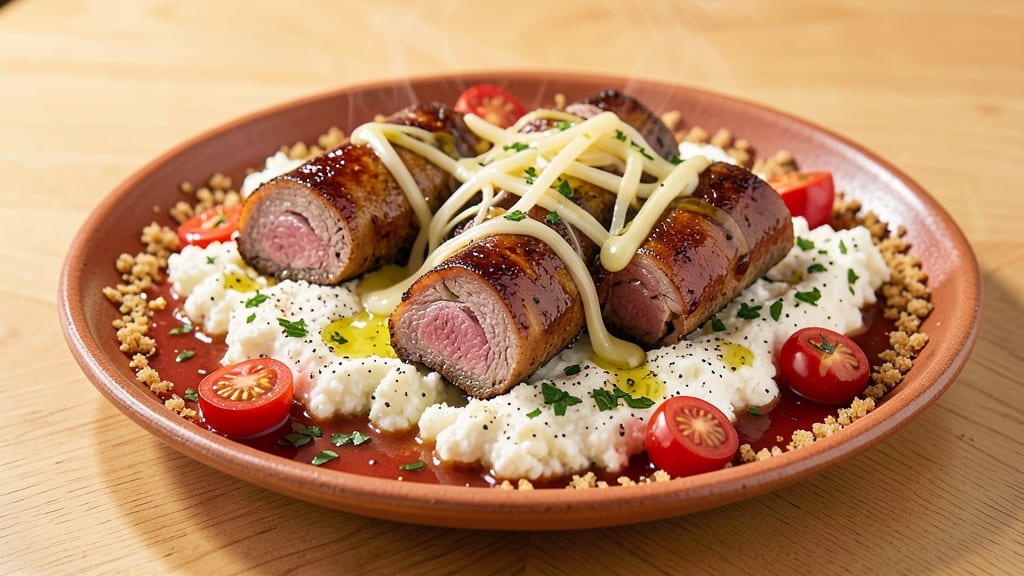
This authentic Italian beef braciole recipe brings the rich flavors of Italy to your kitchen with tender, pasta-wrapped meatballs simmered in a deep, aromatic tomato sauce. 💛 The secret lies in the perfect balance of ricotta and mozzarella in the filling, creating a texture that's both creamy and satisfying.
I've perfected this technique over years of testing, ensuring every bite delivers that restaurant-quality taste you crave.
The process starts with crafting the filling—ground beef mixed with herbs, cheese, and breadcrumbs—then rolling it into thin sheets of pasta before tying it into neat packages. This method ensures the meat stays juicy while absorbing the flavors of the slow-cooked tomato sauce.
The result? Braciole that's tender on the inside and perfectly seasoned throughout, with a sauce that's rich yet balanced.
What makes this dish truly special is the authentic Italian technique—no shortcuts, just time-honored methods that transform simple ingredients into something extraordinary. The slow simmering allows the flavors to meld beautifully, creating a dish that's hearty enough for a family dinner but elegant enough for a special occasion.
Each bite is a taste of Italy, brought to life in your own kitchen.
Serve with a side of creamy polenta or a fresh green salad to complement the deep, savory flavors of the braciole. The dish pairs wonderfully with a bold red wine, adding another layer of authenticity to your meal.
Ready to create a dish that feels like a taste of Italy? Let's get started.
Ingredients for authentic italian beef braciole
Sixteen ingredients transform into restaurant-quality Italian beef braciole with tender pasta-wrapped meatballs.
| Ingredient | Amount | Notes |
|---|---|---|
| Ground Beef 🥩 | 2 lb | 80% lean for juiciness |
| Ricotta Cheese 🧀 | 1 ½ cups | Whole milk, room temperature |
| Mozzarella Cheese 🧀 | 1 cup | Fresh, shredded by hand |
| Large Eggs 🥚 | 2 whole | Room temperature for binding |
| Italian Seasoned Breadcrumbs 🍞 | 1 cup | Panko for extra crispiness |
| Fresh Parsley 🌿 | ½ cup | Finely chopped, stems included |
| Yellow Onion 🧅 | 1 whole | Medium size, finely minced |
| Garlic Cloves 🧄 | 6 cloves | Fresh, minced for sauce |
| Fresh Basil Leaves 🌿 | ¼ cup | Packed, chiffonade cut |
| San Marzano Crushed Tomatoes 🍅 | 28 oz | High quality, no salt added |
| Tomato Paste 🍅 | ½ cup | Smooth, no sugar added |
| Extra-Virgin Olive Oil 🫒 | ½ cup | Italian preferred for authenticity |
| Dry Red Wine 🍷 | ½ cup | Bold, like Chianti |
| Low-Sodium Beef Broth 💧 | 1 cup | Homemade or quality store-bought |
| Salt 🧂 | 1 ½ tsp | Diamond Crystal preferred |
| Freshly Ground Black Pepper 🌶️ | 1 tsp | Cracked peppercorns preferred |
| Lasagna Noodles 🍝 | 12 whole | No-boil, 9x13-inch sheets |
The beef and cheeses are the heart of this dish—80% lean ground beef stays juicy while the ricotta and mozzarella create that signature creamy texture. For the ricotta, whole milk gives the best flavor, and room temperature cheese blends more smoothly. Mozzarella should be fresh, never pre-shredded—it melts beautifully and doesn't get rubbery. The San Marzano tomatoes are non-negotiable here; their sweetness and acidity balance perfectly. I always grab mine from Whole Foods or Trader Joe's—their quality shows in every bite. For the pasta, no-boil lasagna noodles save time and prevent sogginess.
No ricotta on hand? Cottage cheese blended smooth works in a pinch, though the texture will be slightly different. Short on fresh basil? Dried basil at half the amount gets you close, but fresh is ideal. The red wine can be swapped for extra beef broth with a splash of balsamic vinegar if you're avoiding alcohol. For the breadcrumbs, Panko plus Italian seasoning gives that perfect crispy texture without needing extra herbs. The tomato paste? Trader Joe's squeeze tubes are perfect—no waste, and they keep for months in the pantry.
The beef mixture keeps best in the fridge for 2 days before rolling, while the sauce can be made a day ahead—flavors deepen overnight. Wrap the rolled braciole tightly in plastic and refrigerate for up to 12 hours before cooking. The sauce reheats beautifully, so make extra for another meal. For freezer storage, portion the sauce into airtight containers—it keeps for 3 months. The pasta noodles should be stored in a cool, dry place and used within 6 months of purchase for best texture.
Why You'll Love This Recipe
- I swear by this trick: just mix the ricotta, egg, and breadcrumbs right in the bowl—no fancy rolling or kneading. The beef stays juicy, and the mozzarella stretches into that perfect gooey blanket when baked.
- No-Fuss Assembly: I swear by this trick: just mix the ricotta, egg, and breadcrumbs right in the bowl—no fancy rolling or kneading. The beef stays juicy, and the mozzarella stretches into that perfect gooey blanket when baked.
- Umami Bomb: That crispy breadcrumb crust? It’s hiding a flavor explosion—garlicky, herby, and rich from the ricotta. The mozzarella melts into a stretchy, cheesy hug that makes every bite feel like a little Italian hug.
- Weeknight Hero: Between us, this feeds six for under $20 and reheats like a dream. Pack half for lunch the next day—it’s just as good cold, wrapped in a tortilla or straight from the fridge.
Step-by-step instructions for authentic Italian beef braciole
Here's how to craft pasta-wrapped meatballs with the rich, layered flavors of traditional Italian cooking.
👨🍳 Step 1: Prepare the Pasta Wraps and Meat Filling
First, boil the 12 whole lasagna noodles in salted water for 8-10 minutes until al dente but still pliable. Drain and spread them on a baking sheet to cool slightly. While they cool, combine the 2 lb ground beef, 1.5 cups ricotta cheese, 1 cup mozzarella cheese, 2 whole large eggs, 1 cup Italian seasoned breadcrumbs, 0.5 cup finely chopped fresh parsley, 1.5 tsp salt, and 1 tsp freshly ground black pepper in a large bowl. Mix gently with your hands until just combined—don't overwork the mixture or the braciole will become tough.
Here's the thing—ricotta acts as a binder, but you want to keep the texture light. I press the mixture together just enough to hold when shaped, then let it rest for 10 minutes at room temperature. This resting period ensures the filling stays cohesive when wrapped.
🍳 Step 2: Assemble and Shape the Braciole
Take one lasagna noodle and place about 3 tablespoons of the meat mixture in the center. Fold the long edges toward the center, then roll tightly from one end to the other, tucking in the sides as you go. You should end up with a compact, cylindrical shape about 3 inches long. Repeat with the remaining noodles and filling until all are used.
I find it helps to keep the noodles slightly damp with a spray of water while wrapping—they'll hold their shape better and create a more secure seal. Place the completed braciole on a parchment-lined baking sheet and cover with plastic wrap. Refrigerate for 30 minutes to firm up before cooking. This chilling step prevents the filling from leaking out during baking.
🔥 Step 3: Build the Tomato Sauce Base
While the braciole chills, heat 0.5 cup extra-virgin olive oil in a large Dutch oven over medium heat. Add the 1 whole minced yellow onion and cook for 5 minutes until softened. Stir in the 6 cloves minced garlic and cook for 30 seconds until fragrant—don't let it brown or it'll turn bitter.
Add 0.5 cup tomato paste and cook for 2 minutes, stirring constantly to prevent burning. Pour in the 0.5 cup dry red wine and scrape up any browned bits from the bottom of the pot. This deglazing step captures all the flavor that would otherwise disappear. Let the wine reduce by half—about 3-4 minutes—before adding the 28 oz San Marzano crushed tomatoes and 1 cup low-sodium beef broth. Simmer uncovered for 20 minutes to develop the flavors and thicken slightly.
🥘 Step 4: Braise the Braciole to Perfection
Carefully add the chilled braciole to the simmering sauce, turning them gently to coat. The sauce should come about halfway up the sides of the pasta-wrapped meatballs. Cover the Dutch oven and transfer to a 350°F oven. Braise for 45 minutes, then uncover and continue baking for another 15-20 minutes until the sauce reduces slightly and the pasta becomes tender.
The key here is patience—don't rush the cooking. You're looking for the sauce to thicken enough to cling to the braciole while keeping it moist. The pasta should be al dente when pierced with a fork, and the meat filling should be 160°F internally. Stir in the 0.25 cup chiffonade-cut fresh basil leaves during the last 5 minutes of cooking to brighten the sauce.
🍽️ Step 5: Rest and Serve with Confidence
Remove the braciole from the oven and let them rest in the sauce for 10 minutes. This resting period allows the flavors to meld and the juices to redistribute throughout the pasta and meat. Serve immediately, spooning the rich tomato sauce over each piece. The pasta should be tender but still hold its shape, and the meat filling should be juicy with just a hint of seasoning peeking through.
For an authentic touch, garnish with additional fresh basil leaves and a sprinkle of freshly ground black pepper. The sauce should coat each bite with a perfect balance of acidity from the tomatoes, depth from the wine, and richness from the cheeses. Serve with a simple side of roasted vegetables or a crisp green salad to complement the hearty braciole.
Pro Tips For Making Authentic Italian Beef Braciole
- Chill the Meat Mix: After mixing ground beef with ricotta, mozzarella, eggs, and breadcrumbs, flatten the rolls and pop them in the fridge for 15 minutes. I learned this the hard way—skipping it makes the filling ooze out while rolling, and no one wants a messy, uneven braciole. Trust me, the extra wait keeps everything neat.
- Press Breadcrumbs Hard: When coating the rolls, don’t just sprinkle—press the Italian seasoned breadcrumbs firmly into the seams. This isn’t just for looks; it seals the filling and prevents the rolls from unraveling in the pan. (Yes, even if you’re impatient like me.)
- Sear Over Medium-High: Start with a screaming-hot pan, but once the braciole hits, drop the heat to medium-high. Too hot, and the breadcrumbs burn before the inside cooks; too low, and you’ll be waiting forever. Medium-high gives that perfect crust without sacrificing doneness.
- Use Whole Mozzarella: Skip the pre-shredded stuff—it’s dry and full of anti-caking agents that turn your braciole into a chewy mess. Buy a block of fresh mozzarella, grate it yourself, and drain it well before mixing. The texture makes all the difference, even if it takes five extra minutes.
Regional styles of authentic italian beef braciole
Naples-Style Braciole
In Naples, braciole is traditionally made with ground pork or a mix of beef and pork, wrapped in fresh pasta sheets rather than dried lasagna noodles. The filling often includes grated Parmigiano-Reggiano alongside ricotta for extra depth.
I like using fresh egg pasta for a lighter texture—just roll out the dough thinly and cut into rectangles before wrapping. The sauce here gets a touch of balsamic vinegar (about 1 tablespoon) to mirror Naples' love of sweet-savory balance. 🌟
Roman Braciole Variations
Roman cooks often use whole wheat pasta for their braciole, giving it a nuttier flavor and heartier bite. The filling typically includes finely chopped pancetta (about ¼ cup) for extra richness, and the sauce gets a splash of white wine instead of red.
For authenticity, I add a pinch of nutmeg to the filling—it's a classic Roman spice that elevates the dish. Serve with creamy polenta to soak up the sauce like a true Roman meal.
Sicilian-Inspired Twist
Sicily brings bold flavors to braciole with spicy Calabrian chili paste (about 1 teaspoon) mixed into the sauce. The filling often includes chopped sun-dried tomatoes (about ¼ cup, oil-packed) for a sweet-tangy kick.
I also add a handful of chopped capers to the sauce for briny contrast. Sicilian braciole is served with crusty bread to scoop up every last bit of the vibrant, spicy sauce. 🌶️
Northern Italian Adaptation
In Northern Italy, braciole often features ground veal instead of beef, giving it a lighter, more delicate flavor. The filling includes grated Pecorino Romano for a sharper taste, and the sauce gets a touch of dried porcini mushrooms (about 1 tablespoon, rehydrated) for an earthy depth.
Serve with buttery risotto to complement the rich, umami notes. This version is perfect for cooler weather and pairs beautifully with a bold Barolo wine.
Modern Fusion Approach
For a contemporary twist, I like adding a splash of soy sauce (about 1 teaspoon) to the filling for umami depth, inspired by Asian-Italian fusion. The sauce gets a touch of honey (about 1 tablespoon) to balance the acidity, creating a sweet-savory profile.
Garnish with toasted sesame seeds and serve with jasmine rice for a dish that bridges two culinary worlds. This version is a crowd-pleaser for adventurous eaters. ✨
Nutrition facts
Frequently asked questions
What's the secret to keeping the braciole filling from leaking out?
Chill the assembled braciole for 30 minutes before cooking—this firms up the pasta and cheese filling. Use no-boil lasagna noodles and keep them slightly damp while wrapping. The ricotta acts as a natural binder, but don't overmix the filling or it'll become dense. Also, avoid overfilling the pasta sheets.
Can I make braciole ahead of time?
Assemble the braciole and refrigerate them in the sauce for up to 24 hours before baking. The flavors actually deepen overnight. For longer storage, freeze the unbaked braciole in sauce for 2 months. Thaw in the fridge before baking—never at room temperature.
Why does my braciole sauce taste too acidic?
Simmer the sauce uncovered for 20+ minutes to let the acidity mellow. Add a pinch of sugar (½ teaspoon) or a splash of red wine to balance. For extra depth, stir in 1 tablespoon tomato paste at the end. Never skip the garlic—it helps neutralize acidity while adding sweetness.
What's the best pasta alternative if I can't find lasagna noodles?
Use fresh egg pasta sheets (like for lasagna) or even wide fettuccine noodles cut into strips. For a gluten-free option, try rice lasagna noodles—just cook them slightly longer. The key is using pliable pasta that can wrap securely around the filling without breaking.
How do I prevent the pasta from getting soggy during cooking?
Use no-boil lasagna noodles and don't overcook them before wrapping. The sauce should cover only halfway up the braciole—too much liquid will make the pasta mushy. If using regular pasta, boil it just until al dente (2 minutes less than package instructions) and cool completely before wrapping.