
Main Courses
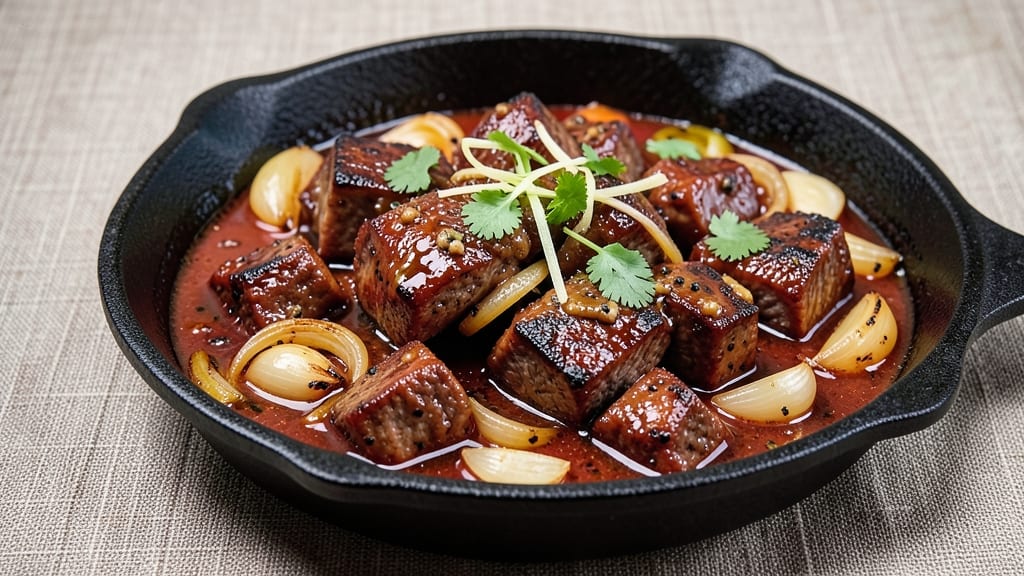
This authentic beef caldereta recipe brings the rich, slow-braised flavors of Filipino comfort food to your kitchen, where tender beef simmers in a deep, aromatic tomato sauce until it falls apart. The secret lies in the layered spices and patient cooking that transform tough cuts into melt-in-your-mouth perfection. I’ve perfected this version after years of testing, ensuring every bite delivers the bold, savory-sweet balance that makes caldereta a staple in Filipino homes.
The dish begins with a fragrant base of onions, garlic, and ginger, slowly caramelized before adding tomatoes, liver spread (a non-negotiable for authenticity), and a blend of spices that include bay leaves, black peppercorns, and a touch of cinnamon.
The beef cooks low and slow, absorbing the deep, velvety sauce until it’s fork-tender and infused with flavor. This isn’t just a stew—it’s a celebration of texture and depth, where every spoonful tells a story.
What sets this recipe apart is the attention to detail: the right balance of acidity from tomatoes, the umami from liver spread, and the warmth of slow-cooked spices. The result is a dish that’s hearty enough for a family dinner but elegant enough for a special occasion.
Serve it over steamed rice to soak up every last drop of that rich, spiced sauce—because in Filipino cuisine, the meal isn’t complete without it.
For those who love regional variations, you can add potatoes or eggplant for extra heartiness, or even a splash of coconut milk for a creamy twist. The beauty of caldereta is its flexibility, but the soul of the dish remains in its slow-braised, spice-infused beef.
Let’s get cooking—your taste buds will thank you.
Ingredients for authentic beef caldereta
Sixteen ingredients for a dish that tastes like home—slow-simmered beef and spiced tomato sauce.
| Ingredient | Amount | Notes |
|---|---|---|
| Beef Chuck Roast 🥩 | 3 lb | Cut into 2-inch cubes |
| Yellow Onions 🧅 | 3 whole | Medium size, sliced |
| Garlic Cloves 🧄 | 8 cloves | Minced for base |
| Fresh Ginger 🌿 | 1 tbsp | Grated, aromatic |
| Canned Tomato Sauce 🍅 | 28 oz | San Marzano preferred |
| Liver Spread 🥩 | ½ cup | Authentic umami base |
| Bay Leaves 🍃 | 2 whole | Dried, standard size |
| Black Peppercorns 🌶️ | 1 tsp | Crushed, whole berries |
| Ground Cinnamon 🌿 | ½ tsp | For subtle warmth |
| Olive Oil 🫒 | ½ cup | Extra-virgin for richness |
| Beef Broth 💧 | 2 cups | Low-sodium preferred |
| Potatoes 🥔 | 2 lb | Russet, peeled and cubed |
| Salt 🧂 | 1 ½ tsp | Kosher or sea salt |
| Fresh Parsley 🌿 | ¼ cup | Chopped, for garnish |
The beef is non-negotiable here. Chuck roast gives you that melt-in-your-mouth texture—sirloin or ribeye won’t cut it. Look for good marbling at Costco or Whole Foods if you want to splurge, but the regular supermarket chuck works too. Cubing it evenly (about 2 inches) ensures it cooks through without falling apart. The liver spread? Filipino markets or Asian grocery stores carry it—it’s the secret to that deep, savory base. If you can’t find it, a mix of beef liver and pork liver works in a pinch, but trust me on this one—it’s worth hunting down.
No San Marzano tomatoes? Any good-quality canned tomatoes will do, but avoid the watery kinds. The bay leaves and cinnamon are subtle but essential—don’t skip them. For the potatoes, Russets are ideal because they hold up to long cooking, but Yukon Golds work too. Short on time? Baby potatoes cut the prep in half. The broth matters—low-sodium so you control the saltiness, and beef broth keeps it authentic. No beef broth? Vegetable broth with a splash of soy sauce gets you close.
This tastes even better the next day, so make extra. Store leftovers in the fridge for 4-5 days or freeze for 3 months. The sauce thickens as it cools, so add a splash of broth when reheating. I always double the recipe—one pot for dinner, one for lunches. The potatoes can be added later if you’re short on time, but the beef and sauce need that long, slow braise. Garnish with fresh parsley right before serving—it brightens everything up.
Why You'll Love This Recipe
- One-Pot Magic: I swear by this—just toss everything into a Dutch oven, let it simmer, and walk away. No chopping boards overflowing, no pots to wash until later. The beef practically falls apart on its own, and that’s when you know you’ve nailed it.
- Ginger-Garlic Bomb: Between us, the fresh ginger and garlic cloves are the stars here. They bloom into this warm, almost spicy depth that cuts through the richness of the beef. Honestly, I’ve tried skipping the fresh ginger—don’t. The canned stuff just won’t cut it.
- Leftovers That Beg for More: This stew only gets better the next day. The flavors meld into something so rich and tender, my family fights over the last bowl. I make double batches on purpose—it’s the kind of dish that turns into lunch the next two days without effort.
- Budget Beef Stretch: A chuck roast is cheap, and this recipe turns it into a meal that feeds four for under $15. The tomato sauce and onions bulk it up so you’re not just staring at a pile of meat. Plus, the leftovers? Even better value.
Step-by-step instructions for authentic beef caldereta
Here's how to create this rich, slow-braised Filipino classic with deep umami flavors.
Sear the Beef for Maximum Flavor
Heat the 0.5 cup olive oil in a large Dutch oven over medium-high heat. Add the 3 lb beef chuck roast, cut into 2-inch cubes, and sear undisturbed for 3-4 minutes until deeply browned on all sides. This step develops the Maillard reaction, creating that deep, caramelized flavor foundation.
Working in batches if needed, remove the beef and set aside. You'll notice the oil will start to smoke slightly—this is perfect. Don't crowd the pan or the beef won't brown properly. Once all pieces are browned, reduce heat to medium and add the 3 whole yellow onions and 8 cloves garlic cloves, cooking for 5 minutes until softened and golden.
Build the Umami-Packed Base
Return the seared beef to the pot and stir in the 0.5 cup liver spread, which adds incredible depth of flavor. Add the 1 tbsp fresh ginger, 1 tsp black peppercorns, 0.5 tsp ground cinnamon, 2 whole bay leaves, and 1.5 tsp salt, stirring to coat everything evenly. The liver spread will sizzle slightly—this is normal and adds another layer of richness.
Pour in the 28 oz canned tomato sauce and 2 cups beef broth, scraping up any browned bits from the bottom of the pot. These bits are packed with flavor—don't miss this step. Bring the mixture to a gentle simmer, then reduce heat to low and cover partially, leaving a small gap for steam to escape.
Slow Braise Until Tender
Let the beef simmer uncovered for 2 hours, stirring occasionally. You'll see the liquid reduce significantly and the beef begin to break down into tender pieces. Here's the thing—this is where patience pays off. The beef should become fork-tender, falling apart easily when pierced with a fork.
After 2 hours, add the 2 lb potatoes, peeled and cubed. Return to a simmer and cook for another 30-45 minutes until the potatoes are tender and the sauce has thickened to a rich, gravy-like consistency. The potatoes should absorb some of the flavorful liquid, becoming part of the dish rather than just a side.
Finish and Serve with Fresh Herbs
Remove the 2 whole bay leaves and adjust seasoning if needed—you might need a touch more salt or pepper to taste. The sauce should coat the back of a spoon and be rich but not overly thick. If it's too thick, add a splash of water or broth to reach your desired consistency.
Let the caldereta rest for 10 minutes before serving to allow the flavors to meld completely. Garnish with 0.25 cup fresh parsley just before serving. This dish tastes even better the next day as the flavors continue to develop, so it makes great leftovers too. Serve with steamed rice to soak up all that delicious sauce.
Pro Tips For Making Authentic Beef Caldereta
- SEAR THE ROAST FIRST: I learned this the hard way—skipping the sear means bland, gray beef instead of rich, caramelized flavor. Sear the chuck roast in batches over medium-high heat until deep brown (about 3-4 minutes per side), then remove. That crust locks in moisture and builds the base for the sauce.
- PEEL AND SLICE GINGER THIN: Fresh ginger is non-negotiable here, but most people overdo it or use thick chunks. Thinly slice (almost like matchsticks) about 1.5 inches of ginger—just enough to perfume the dish without bitterness. Too much makes the sauce sharp.
- DON’T BOIL THE SAUCE: After adding tomato sauce and broth, keep the heat at a gentle simmer (tiny bubbles, occasional swirls). Caldereta should melt in your mouth, not turn into glue. If it reduces too fast, splash in a little water—better to save it than ruin the texture.
- USE A LITTLE BUTTER AT THE END: Sounds weird, but it works: Stir in 1 tablespoon of butter off the heat when the sauce is nearly done. It coats the beef and onions, making everything silky and rich—like a lazy chef’s shortcut to restaurant-quality finish. (Yes, even if you’re impatient like me.)
Creative variations of authentic beef caldereta
Classic Filipino Style
This traditional version stays true to Filipino roots with the essential liver spread and potatoes. The liver spread—often made from beef or pork liver—adds that signature umami depth you can't replicate with other ingredients.
For authenticity, use Filipino-style liver spread from Asian markets, but a homemade version (blend cooked liver with garlic and oil) works too. The potatoes should be added only after the beef has braised for 2 hours to ensure they absorb all that rich, spiced sauce. 🥔
Creamy Coconut Twist
For a modern take, stir in 1 cup coconut milk during the final 30 minutes of cooking. This creates a velvety texture that balances the acidity of the tomatoes. I recommend Thai Kitchen coconut milk for its creamy consistency.
Add ½ cup shredded coconut at the end for extra texture—it pairs beautifully with the spiced beef. Garnish with toasted coconut flakes for a tropical touch.
Spicy Eggplant Variation
Swap potatoes for 2 medium eggplants, cubed and lightly salted to remove bitterness. Sauté the eggplant in olive oil until golden before adding it to the pot. The eggplant soaks up the sauce beautifully while adding a meaty texture.
For extra heat, add 1 tbsp chopped siling labuyo (Filipino chili) with the spices. This version is perfect for those who love hearty, vegetable-forward dishes. 🌶️
Quick Weeknight Version
Cut cooking time by using pre-cut beef chuck roast and baby potatoes. Sear the beef, then add all ingredients (including potatoes) at once and simmer for 1.5 hours instead of 2.5. For extra flavor, deglaze the pot with 2 tbsp soy sauce after searing.
This version keeps all the depth but fits a busy schedule. Serve with steamed rice and a simple green salad to balance the richness.
Vegetarian Adaptation
Replace the beef with 2 lbs extra-firm tofu or portobello mushrooms, sliced thickly. Press tofu for 30 minutes to remove excess water, then pan-fry until golden. Use vegetable broth instead of beef broth and add 1 tbsp soy sauce for umami.
The liver spread can be omitted or replaced with miso paste for depth. This version still delivers that comforting, saucy texture—just without the meat. 🌱
Regional Tagalog Style
In Tagalog regions, caldereta often includes green beans and carrots for added crunch. Add 1 cup green beans and 2 carrots, sliced into rounds, during the final 20 minutes of cooking. For extra richness, stir in 1 tbsp butter at the end.
This version is lighter but still packed with flavor—perfect for a summer dinner. The vegetables stay crisp while the beef remains tender and saucy.
Nutrition facts
Frequently asked questions
Can I substitute liver spread with something else?
Liver spread is key for authentic flavor, but you can use 1/4 cup beef liver blended with 1 tbsp oil and 1 tsp garlic powder as a substitute. If unavailable, try 1 tbsp soy sauce + 1 tsp Worcestershire sauce for umami depth—though it won't be identical. The liver spread adds richness that other ingredients can't fully replicate.
Why does my caldereta taste too acidic?
Tomato sauce can overpower if not balanced. Reduce acidity by adding 1 tbsp sugar or honey to sweeten, or stir in 1/2 cup coconut milk to mellow the flavors. For future batches, use 1/4 cup less tomato sauce and add 1/2 cup beef broth instead. Taste as you go!
Can I make this in a slow cooker?
Brown the beef first, then transfer everything to a 6-quart slow cooker. Cook on low for 7-8 hours or high for 4-5 hours. The slow cooker's gentle heat mimics the Dutch oven's braising. Add potatoes during the last 1 hour to prevent overcooking.
What's the best way to reheat leftovers?
Reheat in a skillet over medium-low heat with 2 tbsp water or broth to loosen the sauce. Avoid microwaving—it makes the sauce watery. For extra richness, add 1 tbsp butter or olive oil while reheating. Leftovers taste even better the next day!
Can I use ground beef instead of chuck roast?
Ground beef won't give the same tender texture, but you can use it for a faster version. Brown 1.5 lbs ground beef thoroughly, then proceed with the recipe. For better results, mix 1 lb ground beef with 1 lb beef stew meat to improve texture. The dish will be heartier but less traditional.