
Main Courses
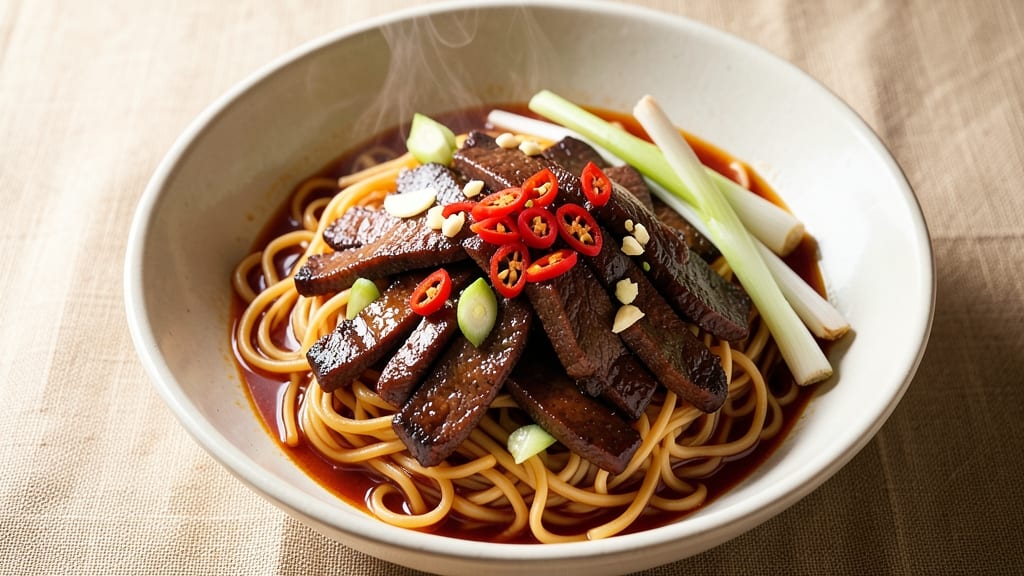
This Asian spicy beef noodle recipe delivers the perfect balance of fiery wok heat and silky noodle chew in every bowl. The secret lies in a layered broth built from aromatic paste and slow-simmered spices, creating depth that transforms simple beef into restaurant-quality tenderness.
I developed this version after years of testing—each element, from the charred aromatics to the precise spice blend, works together to deliver bold flavor without overpowering the dish.
The recipe begins with a simple yet transformative marinade for the beef, ensuring maximum tenderness and flavor absorption. While the beef cooks, we build the broth using a spice paste that forms the foundation of the dish—think ginger, garlic, lemongrass, and chili, all toasted to release their essential oils.
This isn't just heat; it's complexity, with umami from soy and fish sauce rounding out the spice. The noodles cook separately to maintain their perfect chew, then assemble at the last moment to preserve their texture.
What you'll end up with is a steaming bowl of aromatic, spicy beef noodle soup where every component plays its part—tender beef, fragrant broth, and chewy noodles that soak up the flavor.
The dish is customizable: add fresh herbs for brightness, pickled vegetables for tang, or a drizzle of chili oil for extra heat. It's the kind of meal that feels both comforting and exciting, perfect for weeknight dinners or feeding a crowd.
Whether you're recreating a favorite takeout experience or exploring new flavors, this recipe delivers authentic wok heat with home-cooked ease. The techniques are approachable, and the results are undeniably satisfying. Let's get cooking—your taste buds are in for a treat.
Ingredients for asian spicy beef noodle
Flavor-packed ingredients that transform simple beef into restaurant-worthy spicy noodle perfection.
| Ingredient | Amount | Notes |
|---|---|---|
| Flank Steak 🥩 | 1 ½ lb | Thinly sliced against grain |
| Rice Noodles 🍜 | 12 oz | Flat or round, medium width |
| Fresh Ginger 🧅 | ½ cup | Julienned, peeled |
| Garlic Cloves 🧄 | 8 cloves | Minced, fresh preferred |
| Lemongrass Stalks 🌿 | 4 whole | Bruised, bottom 4 inches |
| Bird's Eye Chilies 🌶️ | 6 whole | Seeds removed for less heat |
| Fish Sauce 🍶 | 2 tbsp | Red Boat brand preferred |
| Soy Sauce 🥫 | 3 tbsp | Dark soy for color |
| Sesame Oil 🫒 | 1 tbsp | Toasted, for aroma |
| Olive Oil 🫒 | 2 tbsp | For charring aromatics |
| Brown Sugar 🍯 | 2 tbsp | Light or dark |
| Lime Juice 🍋 | 2 tbsp | Freshly squeezed |
| Green Onions 🧅 | 4 whole | Thinly sliced, for garnish |
| Fresh Cilantro 🌿 | ¼ cup | Chopped, for brightness |
| Salt 🧂 | 1 ½ tsp | Diamond Crystal preferred |
The flank steak is non-negotiable here—its lean texture absorbs marinades beautifully and slices effortlessly. Look for well-marbled cuts at Whole Foods or your local butcher, and always slice against the grain for maximum tenderness. Red Boat fish sauce is a must for authentic umami, but Thai Kitchen works in a pinch. For the aromatics, lemongrass is available fresh at Asian markets or frozen in most grocery stores—just thaw and bruise the stalks. The bird's eye chilies can be swapped for serrano peppers if you prefer milder heat, but keep the seeds out for a cleaner flavor. Brown sugar here isn't just for sweetness—it helps balance the acidity and caramelizes beautifully in the broth.
No dark soy sauce? Regular soy sauce plus a pinch of sugar mimics the color and depth. Fresh ginger and garlic are essential—dried just won't cut it here. Sesame oil should be toasted (not the cheap, flavorless kind from the salad bar). For the rice noodles, Vietnamese pho noodles or ramen noodles work if you can't find flat rice noodles, but they'll have a slightly different texture. Lime juice needs to be fresh—bottled just doesn't compare. Green onions add freshness, but scallions work too. Pro tip: Toast your spices in the olive oil before adding them to the broth—this releases their essential oils and builds layers of flavor that take this dish from good to extraordinary.
Store fresh ginger and lemongrass wrapped in damp paper towels in a sealed container for up to 1 week. Fish sauce keeps indefinitely, but once opened, store it in the fridge to prevent spoilage. Cooked noodles reheat beautifully—just toss them with a splash of water and steam for 30 seconds to restore their chew. The broth actually tastes better the next day as the flavors meld, so make extra and freeze it in ice cube trays for quick future meals. Fresh herbs like cilantro and green onions are best used within 2 days, but you can freeze them chopped in oil for up to 3 months if needed.
Why You'll Love This Recipe
- One-Pan Magic: I swear by this—just slice the flank steak thin, toss it in the wok with garlic and ginger, and let the lemongrass do its thing while the noodles soak. No fancy tools, no mess, and honestly? The best meals are the ones that feel like a hug after a long day.
- Lemongrass Heat Bomb: That first bite? The tender steak with the bright, zesty lemongrass cutting through the spice—it’s like a flavor explosion in your mouth. Between us, the ginger and garlic make it taste like you’ve been cooking all day, even if it took 20 minutes.
- Lunchbox Hero: I pack leftovers in jars all week—cold noodles actually taste better the next day, and the beef stays juicy. My kids bring it to school, my partner takes it to work, and I still eat half the batch myself. (Yes, even on a Tuesday night.)
- Budget Power Move: Flank steak stretches far when sliced thin, and rice noodles are cheaper than pasta. You’re getting restaurant-quality flavor without the price tag, and the spices? A few bucks at the store, not a specialty shop. Solid. Reliable. My secret weapon for feeding everyone without breaking the bank.
Step-by-step instructions for Asian spicy beef noodle recipe
Here's how to create restaurant-quality wok heat with perfectly tender beef and silky noodles.
Prepare the Flank Steak for Maximum Tenderness
Slice the 1.5 lb flank steak thinly against the grain into ¼-inch thick strips. This is crucial for tender results—thin slices cook quickly and stay juicy. Place the sliced beef in a bowl and sprinkle with 1 tsp of the salt and 1 tbsp lime juice. Toss gently to coat evenly, then let it marinate for 15-20 minutes at room temperature. The acidity helps tenderize the meat while the salt enhances flavor.
While the beef marinates, prepare the aromatics. Using a sharp knife, julienne the 0.5 cup fresh ginger into matchsticks and mince the 8 cloves garlic cloves finely. Remove the tough outer leaves from the 4 whole lemongrass stalks and bruise the bottom 4 inches by pounding gently with a rolling pin or the side of a knife. This releases their fragrant oils. Remove seeds from the 6 whole bird's eye chilies for less heat, then slice them lengthwise into thin strips.
Build the Spicy Sauce Base
Heat a wok or large skillet over high heat until smoking, then add 2 tbsp olive oil. Add the bruised lemongrass and bird's eye chili strips, stirring constantly for 30 seconds until fragrant. Add the minced garlic and julienned ginger, cooking for another 30 seconds—don't let them brown, or they'll turn bitter. Immediately pour in 3 tbsp soy sauce and 2 tbsp brown sugar, stirring to combine. Let this mixture simmer for 1-2 minutes until slightly thickened.
Reduce heat to medium and add 2 tbsp fish sauce and 2 tbsp lime juice, stirring well. Taste the sauce—it should be balanced with sweet, salty, and spicy notes. If it needs more depth, add a splash of water or a pinch of salt. Remove from heat and set aside, keeping the wok hot for the next step. This sauce will infuse the beef with complex flavors while maintaining that signature wok heat.
Cook the Beef to Perfect Doneness
Working in batches to avoid crowding, add the marinated beef to the hot wok in a single layer. Cook undisturbed for 1-2 minutes until the beef develops a deep brown crust on one side. Stir and repeat until all sides are seared. The beef should be 85% cooked at this point—it will finish cooking in the noodles. Transfer the beef to a plate and set aside.
Return the wok to high heat and add 1 tbsp sesame oil, swirling to coat. Add the 12 oz rice noodles and toss vigorously for 1-2 minutes until they begin to soften. Pour in 1 cup hot water (or enough to just cover the noodles) and let them soak for 2-3 minutes until they're pliable but still slightly firm. Drain any excess water and return the noodles to the wok.
Combine Everything for Maximum Flavor
Add the cooked beef back to the wok along with the spicy sauce. Toss everything together over medium-high heat for 2-3 minutes until the noodles are fully coated and heated through. The beef should be fully cooked with a slight pink center remaining. If the mixture seems dry, add 1-2 tablespoons of water to loosen it—you want a silky, glossy texture that clings to the noodles.
Taste and adjust seasoning if needed. The dish should balance sweet, spicy, salty, and umami notes. Remove from heat and let it rest for 1-2 minutes to allow the flavors to meld. Garnish with thinly sliced green onions and chopped fresh cilantro just before serving. The bright herbs cut through the richness and add freshness to each bite.
Serve with Confidence
Divide the spicy beef noodles among 4 bowls, serving immediately while hot. The noodles should be tender yet chewy, the beef perfectly tender with a slight char, and the sauce clinging beautifully to each strand. Serve with extra lime wedges on the side—squeezing a little over your bowl brightens the flavors and balances the heat.
This dish delivers that perfect wok heat with tender beef and silky noodles. The key is high heat, quick cooking, and balancing all those bold flavors. Don't be afraid to adjust the spice level to your taste—add more chili for heat or extra brown sugar for sweetness. Each bowl should be a perfect harmony of textures and tastes.
Pro Tips For Making Asian Spicy Beef Noodle
- SEAR THE STEAK FAST: Flank steak needs that deep crust, but don’t let it turn into shoe leather. Hit it with a screaming-hot wok or cast iron for 30 seconds per side—just until a deep brown crust forms. Then pull it out and let it rest; the residual heat will finish cooking it through without drying it out. I used to rush this and end up with tough, chewy beef—don’t make that mistake.
- GRATE THE GINGER FINE: Skip the mincer if you’ve got one, but don’t just chop the ginger—grate it so fine it’s almost paste-like. This way, it melts into the sauce instead of sitting as chunks. Pro move: Zest the outer skin too—it’s got more punch. I learned this the hard way when my first batch had ginger chunks that made me feel like I was eating a mouthful of rubber.
- SOAK NOODLES JUST BEFORE USING: Don’t soak the rice noodles in the fridge overnight like you would udon—this recipe needs them al dente. Soak them in warm water for 5-7 minutes, then drain and rinse with cold water to stop cooking. Toss them with a little oil right away so they don’t stick together. I once over-soaked mine, and they turned to mush—now I keep a timer.
- BUILD THE SAUCE IN LAYERS: Don’t dump all your spices at once—start with garlic, lemongrass, and ginger in hot oil until fragrant (about 30 seconds). Then add chili paste or flakes, let it bloom for 10 seconds, and only then pour in the broth or coconut milk. This keeps the flavors from muddling together. I was skeptical until I tried it—now I swear by the order.
Storing and reheating your asian spicy beef noodle
Broth Storage Secrets
The spicy beef broth is where all the magic happens, and it actually tastes better the next day as the flavors meld. Let it cool completely, then transfer to an airtight container—I use glass Pyrex for easy reheating.
Store in the refrigerator for up to 4 days or freeze in ice cube trays for quick future meals. When reheating, add 1-2 tablespoons of water to restore its silky texture. 🌡️
Noodle Refresh Tricks
Cooked noodles lose their perfect chew when refrigerated, but a quick steam bath brings them back to life. Place noodles in a microwave-safe bowl with 1 tablespoon of water, cover with a damp paper towel, and heat for 30-45 seconds on high.
For stovetop reheating, toss noodles in a dry wok over medium heat for 1-2 minutes until they regain their slight firmness. Never add water directly—this makes them mushy. ✨
Beef Reheating Tips
The seared beef stays tender when reheated properly. Store cooked beef in the same airtight container as the broth (if making ahead) or separately wrapped in parchment paper.
Reheat in the microwave for 45-60 seconds with a splash of water, or gently warm in a skillet over low heat for 2-3 minutes. The key is to avoid overcooking—beef should remain slightly pink in the center. 💛
Make-Ahead Assembly
For maximum flavor, I recommend assembling the dish fresh after reheating components. Keep the broth, beef, and noodles separate until serving. When ready, combine everything in a wok or large bowl and toss over medium heat for 1-2 minutes to meld flavors.
This approach ensures your noodles stay chewy and the beef remains tender. Garnish with fresh herbs just before eating for that restaurant-quality finish. 🌿
Freezer-Friendly Strategy
This dish freezes beautifully for up to 3 months if stored properly. Package components separately: broth in a freezer-safe bag, beef in parchment-wrapped portions, and noodles in a separate container.
Thaw overnight in the fridge, then reheat using the steam method above. The texture might be slightly different, but the bold flavors remain intact. Perfect for busy weeknights! ❄️
Nutrition facts
Frequently asked questions
Can I substitute flank steak with a different cut?
For this spicy beef noodle dish, you can use sirloin or ribeye instead—just slice them thinly against the grain. If using a tougher cut like chuck roast, marinate it for 1-2 hours with extra lime juice and a splash of fish sauce to tenderize. Avoid fatty cuts like brisket, as they can make the broth greasy.
How do I adjust the spice level?
Start with the 6 bird's eye chilies as written for medium heat. For milder flavor, reduce to 3 chilies or use serrano peppers instead. For extra heat, add 1-2 extra chilies or a dash of chili flakes at the end. Always taste the sauce before combining with noodles—you can balance heat with more brown sugar or lime juice.
What if I don't have lemongrass?
Lemongrass adds incredible aroma, but you can substitute with 1 tsp lemongrass paste (found in Asian markets) or ½ cup fresh cilantro stems plus 1 tsp lime zest. For a stronger flavor, add ½ tsp citronella oil (found in cooking sections). Just remember—fresh is always better than dried substitutes for this dish.
Can I make this gluten-free?
Yes! Replace the soy sauce with 3 tbsp tamari or coconut aminos, and use a gluten-free fish sauce like Red Boat's gluten-free version. Check your rice noodles package—most brands are naturally gluten-free, but verify if you have celiac disease. The rest of the recipe remains unchanged.
Why does my beef turn out tough?
Most likely, you didn't slice against the grain or overcooked the beef. Always cut ¼-inch thick slices perpendicular to the muscle fibers. Cook beef in single layers for 1-2 minutes per side (it should be 85% cooked before adding to noodles). The final heat from the noodles will finish cooking it without drying it out.