
Main Courses
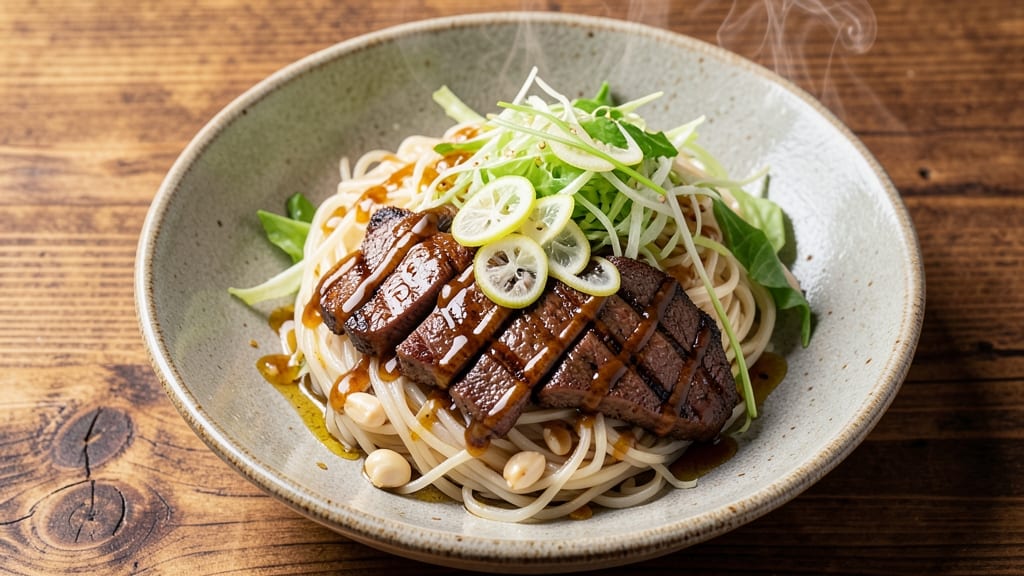
This Asian beef noodle bowl delivers the perfect balance of wok-sizzled crunch and silky soy ginger sauce in every bite. The secret lies in quick-cooking thinly sliced beef that stays tender yet develops a satisfying bite, paired with chewy noodles that soak up the aromatic sauce.
I perfected this recipe after years of testing different Asian-inspired bowls, and it consistently earns rave reviews—even from picky eaters.
The foundation starts with a hot wok where the beef sears rapidly, creating those signature caramelized edges while keeping the center juicy. Fresh ginger, garlic, and a splash of soy sauce form the base of the sauce, which gets elevated with a touch of honey and sesame oil for depth.
The noodles—whether rice or egg—are cooked just shy of al dente so they hold their shape but still have a pleasant bite.
What makes this bowl special is the layered texture: crisp vegetables (think shredded cabbage or bean sprouts) add freshness, while toasted sesame seeds and sliced green onions bring nutty crunch. The sauce ties everything together—rich yet bright, with just the right balance of sweet, salty, and umami.
It’s the kind of dish that feels both comforting and exciting, perfect for weeknight dinners or meal prep.
Serve it with a side of steamed broccoli or a simple cucumber salad to round out the meal. The beauty of this recipe is its flexibility—swap in mushrooms for extra earthiness, add a fried egg on top for richness, or keep it light with extra herbs. Let’s get cooking!
Ingredients for asian beef noodle bowl
These fresh ingredients transform into a restaurant-quality Asian beef noodle bowl with bold flavors.
| Ingredient | Amount | Notes |
|---|---|---|
| Thinly Sliced Flank Steak 🥩 | 1 lb | Marinated for tenderness |
| Rice Noodles 🍜 | 8 oz | Flat or round variety |
| Fresh Ginger 🧄 | 2 tbsp | Finely grated, aromatic |
| Garlic Cloves 🧄 | 4 cloves | Minced for sauce |
| Green Cabbage 🥬 | 2 cups | Shredded, crisp texture |
| Sesame Oil 🫒 | 2 tbsp | Toasted, for aroma |
| Soy Sauce 🥢 | ⅓ cup | Light or dark variety |
| Honey 🍯 | 2 tbsp | For sauce sweetness |
| Sesame Seeds 🌾 | 2 tbsp | Toasted, for garnish |
| Green Onions 🧅 | 4 whole | Sliced, for garnish |
| Vegetable Oil 🫒 | 2 tbsp | High smoke point |
| Red Bell Pepper 🌶️ | ½ cup | Thinly sliced, optional |
| Salt 🧂 | 1 tsp | Kosher or sea salt |
| Black Pepper 🌶️ | ½ tsp | Freshly ground |
The beef is everything here. Flank steak is ideal for quick slicing, but sirloin or ribeye work too—just slice against the grain. Marinate for at least 30 minutes with soy sauce, honey, and a splash of sesame oil. Trader Joe's carries pre-sliced beef for convenience, but fresh is always better. Look for vibrant red meat with good marbling. For the noodles, rice noodles are standard, but egg noodles add richness. Soak them in warm water for 10 minutes before draining—don't overcook or they'll turn mushy.
No fresh ginger? Powdered ginger at half the amount works in a pinch, but the flavor won't be as bright. The cabbage is non-negotiable for that signature crunch—green cabbage holds up better than red. Swap in bean sprouts if you prefer a sweeter bite. Sesame oil is key for aroma, but if you're avoiding it, neutral oil plus a sprinkle of sesame seeds gets close. The bell pepper adds color and a touch of sweetness—skip it if you're keeping it strictly savory. For extra umami, add a dash of fish sauce to the soy mixture.
Prep ahead to save time. Marinate the beef and chop all veggies in advance—they'll keep in the fridge for 2 days. The sauce can be made a day ahead and stored in the fridge. Reheat gently before using. Noodles are best cooked fresh, but you can parboil them and finish cooking later. This dish reheats beautifully—just add a splash of water to prevent drying. Store leftovers for 3-4 days or freeze for 2 months. The flavors actually deepen overnight, making it perfect for meal prep.
Why You'll Love This Recipe
- No-Fuss Prep: The steak slices in minutes with a sharp knife—no fancy techniques needed. Soak the rice noodles while you cook, and boom: dinner’s ready. Honestly, I’ve made this with one hand tied behind my back.
- Umami Bomb: That seared flank steak with garlic and ginger? It’s like a flavor explosion in your mouth. The cabbage adds crunch, but the real star is the sauce—sweet, savory, and just a little spicy if you want it.
- Lunchbox Hero: Pack these bowls for work or school—no reheating required. The noodles stay tender, the steak holds its shape, and everyone’s jealous when you pull it out. (Yes, even on a Tuesday night.)
- Budget Win: Flank steak stretches far, rice noodles are cheap, and cabbage lasts forever. I feed four for under $15, and there’s always leftovers for another night. My wallet and I are best friends now.
Step-by-step instructions for Asian beef noodle bowl
Master this wok technique for perfectly tender beef, silky sauce, and crisp vegetables every time.
Marinate and Prep the Flank Steak
Combine the 1 lb thinly sliced flank steak with 0.33 cup soy sauce and 0.5 tsp black pepper in a bowl. Let it marinate for 15-20 minutes at room temperature. The acid in the soy sauce tenderizes the meat while infusing flavor. Don't skip this step—it prevents chewy beef later. While waiting, shred the 2 cups green cabbage and thinly slice the 0.5 cup red bell pepper. Keep these veggies separate until ready to cook.
After marinating, drain the excess liquid from the steak but don't rinse. Pat the slices dry with paper towels—this ensures a proper sear. The slices should be about ¼-inch thick for even cooking. If any pieces seem thicker, gently pound them with a meat mallet to uniform thickness. This prep work guarantees your steak cooks perfectly every time.
Cook the Beef and Vegetables
Heat 2 tbsp vegetable oil in a wok or large skillet over high heat until shimmering. Add the marinated steak in a single layer and sear undisturbed for 1-2 minutes until the edges turn deep brown. This initial sear locks in juices. Flip the steak and cook another 1-2 minutes until cooked through but still slightly pink in the center. Remove and set aside.
In the same wok, add 2 tbsp sesame oil and swirl to coat. Add the shredded green cabbage and sliced red bell pepper, stirring constantly for 2-3 minutes until just tender-crisp. The cabbage should retain its bright color and slight crunch. Here's the thing—don't overcook the vegetables or they'll turn soggy. They'll continue cooking when combined with the noodles later.
Prepare the Ginger-Garlic Sauce
Reduce heat to medium and add the 2 tbsp finely grated fresh ginger and 4 minced garlic cloves. Sauté for 30 seconds until fragrant—this releases their full aroma. Pour in the 2 tbsp honey and let it caramelize slightly for 1 minute. Then add the cooked steak back to the wok along with any accumulated juices.
Stir everything together for 1 minute to coat the beef in the sauce. The honey adds natural sweetness that balances the soy sauce's saltiness. This step ensures every bite has that perfect umami-sweet flavor combination. Keep the heat at medium—too high and the sauce will burn before it thickens properly.
Assemble the Noodle Bowl
Cook the 8 oz rice noodles according to package instructions, then drain and rinse briefly under cold water to stop cooking. Divide the noodles among 4 bowls, then top each with the beef and vegetable mixture. Drizzle with the remaining 2 tbsp sesame oil and sprinkle with 2 tbsp toasted sesame seeds. Garnish with sliced green onions for freshness.
Here's where it gets fun—toss everything together right in the bowl. The residual heat from the hot beef will finish cooking the noodles slightly while creating that signature wok-tossed texture. Each bowl should have vibrant colors, tender beef, crisp vegetables, and perfectly al dente noodles. Serve immediately while everything is hot and the flavors are at their peak.
Pro Tips For Making Asian Beef Noodle Bowl
- STIR-FRY FAST, THEN REST: High heat for the beef—it needs 30 seconds max to go from raw to tender. Once done, dump it on a plate and tent with foil for 5 minutes. I learned this the hard way: skipping the rest leaves you with chewy, stringy meat that ruins the whole bowl.
- SLICE GINGER THINLY, NOT GRATED: Peel and cut ginger into paper-thin matchsticks with a sharp knife—no food processor. Grated ginger burns fast and turns bitter, while thin slices caramelize beautifully in the wok. (Yes, even if you’re impatient like me.)
- DON’T OVERCROWD THE WOK: The beef should sizzle, not stew. Cook in two batches if needed—packing it in turns the stir-fry into a sad, greasy mess. A hot wok with just enough oil (about 2 tablespoons) keeps everything crisp.
- SOAK NOODLES JUST UNTIL PLIABLE: Rice noodles soften fast—soak them in warm water for 10-15 minutes until they bend but still have a slight bite. Dumping them in too early makes them mushy; too late and they’ll turn rubbery. (Your future self will thank you.)
Flavor customization for this recipe
Spicy Kick Variations
For heat lovers, add 1 tbsp gochujang (Korean chili paste) to the sauce for deep, fermented spice. Or stir in 1 tsp sriracha with the honey for a tangy kick.
I like adding thinly sliced jalapeños to the wok with the beef—they soften just enough to release their heat without losing texture. For extra fire, finish with red pepper flakes or a sprinkle of chili crisp on top. 🌶️
Umami Boost Options
Swap soy sauce for 1 tbsp fish sauce in the marinade to intensify umami flavors. Add 1 tsp miso paste to the sauce for a savory depth that pairs perfectly with the beef.
I also love stirring in 1 tbsp oyster sauce when combining everything—it adds richness without overpowering. For a vegetarian twist, replace fish sauce with 1 tsp mushroom powder.
Sweet and Tangy Twist
Balance the soy sauce with 1 tbsp rice vinegar for brightness. Add 1 tsp lime juice to the sauce just before serving for a zesty finish. I sometimes toss in thinly sliced cucumber (peeled) to the bowl for a refreshing crunch.
For extra sweetness, drizzle with honey-glazed carrots or pickled ginger on the side. The contrast makes every bite exciting.
Herb and Aromatic Upgrades
Fresh herbs elevate this dish instantly. Stir 1 tbsp chopped cilantro or thai basil into the sauce for a bright, floral note. Garnish with mint leaves for a refreshing contrast.
I also love adding toasted shiitake mushrooms to the wok—they deepen the earthy flavors beautifully. For a smoky touch, finish with crushed toasted garlic or smoked paprika.
Texture Contrasts
Add crispy fried shallots for a delicate crunch. Top with a soft-boiled egg for creamy richness. I sometimes include quick-pickled radishes to cut through the richness with their tangy crunch.
For extra indulgence, sprinkle with crumbled bacon or fried wonton strips—they add a satisfying crunch that balances the silky noodles. 💫
Nutrition facts
Frequently asked questions
Can I use ground beef instead of sliced flank steak?
Ground beef works but won't give the same texture. For a similar experience, use lean ground beef (90% lean) and shape it into small patties or crumbles. Cook them until browned and slightly crispy on the edges. The flavor will be different—more savory than tender—but it's a good substitute if you don't have time to slice steak.
How do I make this recipe gluten-free?
Replace the soy sauce with tamari or coconut aminos (both are gluten-free soy alternatives). Check your rice noodles for gluten-free certification, as some brands contain wheat. For extra umami, add 1 tsp fish sauce or mushroom powder to the marinade. Most other ingredients are naturally gluten-free.
Why did my beef turn out chewy?
Chewy beef usually means it wasn't sliced thin enough or cooked properly. Always slice against the grain (perpendicular to muscle fibers) and use a hot wok with high heat. Marinate for at least 15 minutes to tenderize, and cook the beef just until it reaches 145°F internally—overcooking makes it tough. Pat it dry before cooking too!
Can I meal prep this recipe?
Assemble the bowls (without the sesame oil and seeds) and store them in airtight containers for 3-4 days. Reheat in the microwave for 2-3 minutes, then add a drizzle of sesame oil and fresh garnishes. For best texture, cook the noodles fresh when reheating. The flavors actually improve overnight!
What's the best way to adjust the sauce for spicier or sweeter preferences?
For more heat, add 1 tsp gochujang or sriracha to the sauce. For extra sweetness, increase honey to 3 tbsp or add 1 tsp maple syrup. Balance flavors by adjusting soy sauce—reduce if too salty, add more if too sweet. Always taste as you go!