
Soups & Stews
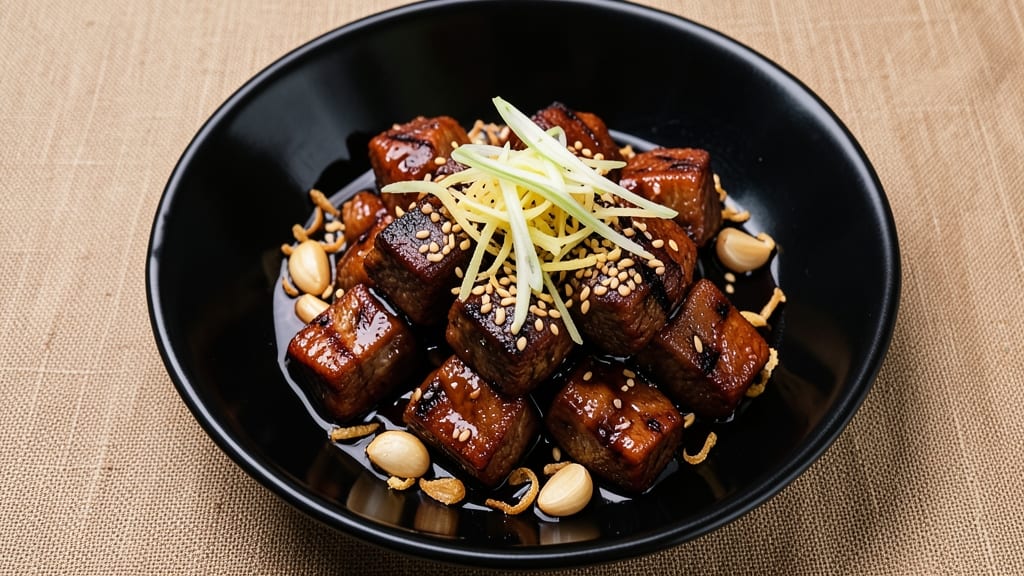
This Asian ginger beef recipe transforms tough beef into tender, fragrant bites with a deep umami richness that lingers long after the last bite.
The secret lies in a slow braise where ginger, garlic, and soy marry together over low heat, creating layers of complexity that balance sweet, savory, and spicy notes.
What makes this dish special is how the ginger doesn't just flavor the beef—it infuses the entire pot, turning simple ingredients into something restaurant-quality.
Unlike quick stir-fries, this method relies on patience: beef simmers until fork-tender while absorbing the aromatic broth, which thickens into a glossy, caramelized sauce.
The result is a dish that's equally at home on weeknight tables or special occasions, with a depth of flavor that comes from letting the ingredients work their magic. No fancy techniques required—just time and attention to the simmer.
The final dish delivers melt-in-your-mouth beef swimming in a sauce that's both rich and bright, with just the right amount of ginger's sharpness cutting through the sweetness.
Serve it over steamed rice to soak up every last drop of that fragrant liquid, or pair with quick-pickled vegetables for a perfect balance of textures. This is comfort food elevated—simple to make but impossible to forget.
Perfect for feeding a crowd or meal prepping, the flavors only improve as the dish sits, making it ideal for those who want restaurant-quality results without the effort.
The technique is straightforward, but the reward is a dish that feels like a hug in every bite. Let's get started on creating this aromatic masterpiece.
Ingredients for asian ginger beef
Six aromatic ingredients transform tough beef into melt-in-your-mouth bites with restaurant-quality depth.
| Ingredient | Amount | Notes |
|---|---|---|
| Chuck Roast 🥩 | 3 lb | Cut into 1.5-inch cubes |
| Fresh Ginger Root 🌿 | ½ cup | Finely grated, skin on |
| Garlic Cloves 🧄 | 8 cloves | Minced, not pre-minced jar |
| Low-Sodium Soy Sauce 🍶 | ½ cup | Kikkoman preferred |
| Dark Soy Sauce 🍶 | 2 tbsp | For color and depth |
| Brown Sugar 🍯 | ¼ cup | Light or dark |
| Sesame Oil 🫒 | 1 tbsp | Toasted sesame oil |
| Rice Vinegar 🍶 | 2 tbsp | White or seasoned |
| Star Anise Pods 🌟 | 2 whole | Crushed lightly |
| Cinnamon Sticks 🌿 | 2 whole | 2-inch pieces |
| Bay Leaves 🍃 | 2 whole | Fresh preferred |
| Red Chili Flakes 🌶️ | 1 tsp | Adjust to taste |
| Black Peppercorns 🌶️ | ½ tsp | Freshly cracked |
| Water 💧 | 1 ½ cups | Filtered preferred |
| Cornstarch 🌾 | 1 tbsp | For thickening |
The chuck roast is your secret weapon—look for well-marbled cuts at Whole Foods or your local butcher. Pre-cut cubes save time, but if buying whole, ask for 1.5-inch chunks (smaller pieces cook faster but may dry out). Fresh ginger matters here—organic ginger root from Trader Joe's or the produce section has more punch than powdered versions. For the star anise and cinnamon, spice markets like Penzeys carry whole pods that release flavor better than ground spices. If you can't find whole, crushed pods work too, but toast them lightly in a dry pan first for deeper aroma.
No fresh ginger? Powdered ginger at half the amount works in a pinch, but you'll lose that bright, fresh kick. Swap soy sauces? Coconut aminos for a gluten-free option, but reduce by 10% since it's saltier. The brown sugar can be honey or maple syrup for a different depth, though traditional brown sugar caramelizes beautifully. Chili flakes too spicy? Substitute with a pinch of smoked paprika for warmth without heat. The cornstarch is non-negotiable for that glossy finish—arrowroot powder works too, but cornstarch gives the classic texture.
This braise tastes even better the next day—plan ahead and make extra. Store in an airtight container in the fridge for 4-5 days, or freeze portions for up to 3 months. To reheat, add a splash of water or broth and simmer until heated through. The sauce thickens as it cools, so a little extra water when reheating keeps it silky. For meal prep, portion over rice and freeze in single servings—just thaw and reheat for an easy weeknight dinner.
Why You'll Love This Recipe
- One-Pan Magic: I swear by this recipe when I’m too tired to scrub pots—just sear the chuck roast, toss in the ginger and garlic, let it slow-cook in its own juices with soy sauces. The dark soy gives it that glossy, caramelized crust without extra effort.
- Ginger-Garlic Bomb: That fresh ginger? It’s the star—sharp, zesty, and lingering. The garlic cloves (minced or smashed, no judgment) melt into the beef, creating layers of warmth that make every bite feel like a hug. Honestly, I’ve made this for people who “don’t like ginger,” and they’re hooked.
- Lunchbox Hero: Between us, this beef is ridiculously good cold. Slice it thin, pack it with rice, and it’s my go-to for work lunches or school lunches (my kid’s favorite, weirdly). The soy sauces keep it flavorful even after reheating—or not.
- Budget Stretch: A chuck roast feeds six for under $15, and the leftovers? They’re even better the next day. I’ll be real: I’ve eaten this for breakfast with eggs and rice—no shame. It’s my secret weapon for stretching groceries without sacrificing taste.
Step-by-step instructions for Asian ginger beef
This method delivers deeply flavorful beef with a perfect balance of sweet, savory, and aromatic notes.
Prepare the Beef and Aromatics
Cut the 3 lb chuck roast into 1.5-inch cubes, working efficiently to keep the meat cold. Place them in a large bowl and set aside. In a separate bowl, combine the 0.5 cup finely grated fresh ginger root (skin on) and 8 cloves minced garlic. This fresh ginger will infuse the beef with bright, zesty flavor that balances the rich soy braise.
In a small saucepan, toast the 2 whole star anise pods, 2 whole cinnamon sticks (cut into 2-inch pieces), and 2 whole bay leaves over medium heat for 1 minute until fragrant. Immediately transfer them to a heatproof bowl and let cool. These spices form the aromatic base that will permeate the entire dish. The light toasting enhances their natural oils without burning them.
Sear the Beef for Depth
Heat 1 tablespoon of the toasted sesame oil in a large Dutch oven over medium-high heat. Working in batches, sear the beef cubes until they develop a deep golden brown crust on all sides, about 2-3 minutes per batch. Don't overcrowd the pan—this ensures proper browning. Transfer the seared beef to a plate as you work.
This searing step is crucial. The Maillard reaction creates complex flavors that form the foundation of the dish. If your beef releases easily from the pan when ready to flip, it's properly browned. The beef will finish cooking in the braise, so we're focusing on flavor development here rather than complete doneness.
Build the Braising Liquid
In the same Dutch oven, add 1 tablespoon of the remaining toasted sesame oil and reduce heat to medium. Add the ginger-garlic mixture and sauté for 1 minute until fragrant. Pour in the 0.5 cup low-sodium soy sauce, 2 tablespoons dark soy sauce, and 0.25 cup brown sugar, stirring to combine. The dark soy sauce will give the braise its signature deep color while adding umami depth.
Add the 1.5 cups water, 2 tablespoons rice vinegar, 1 teaspoon red chili flakes, and 0.5 teaspoon freshly cracked black peppercorns. Return the seared beef to the pot along with the toasted spices. Bring to a gentle simmer, then reduce heat to maintain a low bubble just breaking the surface. This controlled simmer prevents the beef from becoming tough while allowing the flavors to meld.
Braise Until Tender
Cover the Dutch oven and simmer for 2 hours, stirring occasionally. The beef is ready when it's fork-tender with no resistance. I check for doneness by piercing a piece with a fork—it should slide in easily and the meat should pull apart cleanly. The braising liquid should have reduced by about one-third, creating a thick, glossy sauce that coats the beef.
If the sauce reduces too quickly, add 2-3 tablespoons of hot water to maintain the proper consistency. The spices should be completely infused into the beef and sauce, creating that signature aromatic complexity. This slow cooking transforms the tough chuck roast into melt-in-your-mouth beef with incredible depth of flavor.
Thicken and Finish
Remove the beef and spices from the braising liquid and set aside. In a small bowl, whisk together the 1 tablespoon cornstarch with 2 tablespoons of the braising liquid until smooth. Return the mixture to the pot and bring to a gentle simmer, stirring constantly for 1-2 minutes until the sauce thickens to a glossy consistency.
Return the beef to the pot and stir to coat evenly. Taste and adjust seasoning if needed—you may want to add a touch more soy sauce for saltiness or a splash of rice vinegar for brightness. Serve immediately over steamed rice, allowing the aromatic beef to soak into each bite. The sauce should cling beautifully to the beef, delivering all those complex flavors with every forkful.
Pro Tips For Making Asian Ginger Beef
- SEAR THE CHUCK FIRST: Chuck roast has a stubborn fat cap—don’t skip browning it first. Hit the meat with high heat until it’s deep golden, then pull it out and let the pan cool slightly before deglazing. That crust locks in flavor and keeps the beef from turning into shoe leather later.
- GRATE THE GINGER FINE: I used to chop ginger into matchsticks, and it’d sit like rocks in the sauce. Now I grate it—no peeling needed—and it dissolves into the sauce smoothly. A microplane works best; you’ll need about 2 tablespoons packed, and it’ll disappear completely.
- DON’T BOIL THE SOY SAUCE: Simmering soy sauce too hard turns it bitter and ashy. Keep the heat at a gentle bubble—just enough to see tiny ripples in the liquid. If you’re worried about burning, add a splash of water or broth first. The dark soy sauce will thicken the sauce naturally without scorching.
- REST THE MEAT AFTER COOKING: Slicing chuck roast straight off the heat means dry, stringy meat. Wrap it in foil and let it sit for 10-15 minutes—yes, even if you’re starving. The residual heat keeps it warm while the juices redistribute, and the slices will glide apart like butter. (Trust me, I’ve cried over this before.)
Wine and beer pairings for these flavors
Asian-Inspired Reds
This dish's rich umami and ginger-forward profile pairs beautifully with Pinot Noir from China's Yunnan province—look for Yunnan Changyu Cabernet Sauvignon or Xingren Cabernet. The wine's earthy notes and moderate tannins complement the beef's caramelized sweetness while the ginger's spice mirrors the wine's herbal undertones.
Serve slightly chilled (55-60°F) to enhance the wine's freshness against the dish's warmth. 🍷
Japanese Sake Pairing
For a lighter option, dry junmai sake like Dassai 23 or Kubota Junmai bridges the gap between the beef's depth and ginger's brightness. The sake's clean finish cuts through the sauce's richness while its subtle umami enhances the soy and garlic flavors.
Serve at room temperature—warm sake (around 70°F) works best with hot dishes, letting the alcohol's warmth mellow as it cools. 🍶
Craft Beer Options
If wine isn't your thing, try a Japanese-style lager like Asahi Super Dry or Sapporo Premium Beer. The crisp, clean profile with hints of citrus refreshes your palate between bites of rich beef.
For a bolder choice, Korean hoppy lagers like Hite Beer add a light bitterness that balances the dish's sweetness. Serve at 40-45°F to maintain crispness. 🍺
Non-Alcoholic Choices
A ginger-infused iced tea made with Yunnan pu-erh tea and fresh ginger mirrors the dish's flavors perfectly. Brew 2 tbsp loose pu-erh with 1 cup boiling water, steep for 3 minutes, then add 1 tbsp grated ginger and chill.
The tea's earthy depth and ginger's kick enhance the beef's aroma without overpowering it. For a fruity twist, try sparkling yuzu soda—the citrus cuts through the richness beautifully. 🍵
Regional Variations
In Taiwan, this dish would traditionally pair with high-mountain tea like Oolong or Jasmine tea, which complements the beef's sweet-savory balance. For a Korean-inspired twist, serve with makgeolli (rice wine), where its creamy texture and slightly sweet profile harmonize with the braised beef's depth.
Both options highlight the dish's cross-cultural appeal. 🌏
Pro Serving Tip
When pairing, always serve the beverage slightly cooler than the dish's temperature. For hot beef, a room-temperature wine or chilled beer creates the best contrast. I like to pour wine or beer just before serving—this ensures the drink's freshness matches the meal's peak moment.
Trust me, this small detail elevates the whole experience! ✨
Nutrition facts
Frequently asked questions
Can I substitute chuck roast with a different beef cut?
Yes! For tender results, use chuck shoulder, brisket, or stew meat—all have similar fat content for flavor. Avoid lean cuts like sirloin, which dry out during braising. If using a tougher cut, increase braising time by 30 minutes to ensure tenderness. For quicker cooking, try flank steak (cut into strips) with a reduced braising time of 1 hour.
How do I adjust the spice level for sensitive palates?
Reduce or omit the red chili flakes entirely for a mild version. For warmth without heat, substitute with 1/2 teaspoon smoked paprika or a pinch of white pepper. The ginger and garlic already provide natural sharpness, so you won't lose flavor—just the spicy kick. Taste the sauce before serving and adjust with a splash of rice vinegar for brightness if needed.
Can I make this recipe in a slow cooker?
Brown the beef first in a skillet, then transfer everything (including spices) to the slow cooker. Use the low setting for 6-8 hours or high for 4-5 hours. The slow cooker's gentle heat works perfectly for tenderizing the beef. Skip the cornstarch thickening—just stir in 1 tablespoon arrowroot powder with 2 tablespoons water at the end to thicken the sauce.
What's the best way to reheat leftovers?
Reheat gently in a saucepan over low heat with 2-3 tablespoons water or broth to prevent drying. Stir occasionally until warmed through (5-7 minutes). For microwave reheating, cover with a damp paper towel and heat in 30-second intervals, stirring between each. The sauce thickens as it cools, so add a splash of water if needed. Leftovers taste even better the next day!
Why does my ginger beef turn out too salty?
Most likely, your soy sauce is saltier than expected. Use low-sodium soy sauce and reduce the amount by 10% if needed. For existing dishes, balance the salt by adding 1/4 cup water or broth and simmering for 5 minutes to dilute. A splash of rice vinegar also helps brighten flavors. Always taste before serving!