
Main Courses
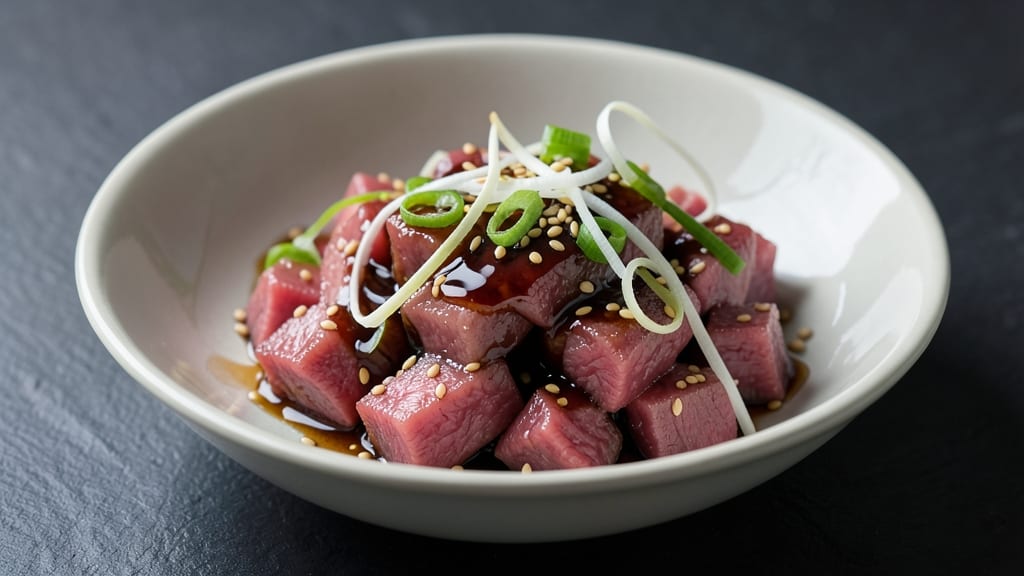
This Asian beef tartare recipe transforms raw beef into luxurious, silky bites with a bold soy-ginger marinade and crispy sesame finish. 🔥 The secret lies in proper meat selection—only the freshest, highest-quality beef works—and a careful balance of umami-rich ingredients to elevate every flavor.
Food safety is critical, so we’ll cover handling raw meat with precision to ensure a restaurant-worthy dish without compromise.
The marinade blends soy sauce, ginger, and sesame oil for a deep, aromatic base, while toasted sesame seeds add a satisfying crunch. This dish draws inspiration from Japanese gyu tartare and Korean yukhoe, but with a modern twist that keeps the texture tender yet vibrant.
The crispy sesame finish isn’t just for show—it’s the perfect contrast to the silky beef.
What makes this recipe stand out is the crispy sesame crust, achieved through a quick pan-toast that locks in flavor without overpowering the delicate beef. Garnishes like scallions and chili oil add brightness and heat, turning each bite into a harmonious balance of textures and tastes.
With the right technique, you’ll create a dish that’s both elegant and approachable.
Whether you’re serving this as an appetizer or a bold main course, the plating matters—think delicate piles of beef with a drizzle of sauce and a sprinkle of seeds. Follow these steps carefully, and you’ll master a dish that’s as impressive as it is delicious. Let’s get started!
Ingredients for asian beef tartare
High-quality beef and aromatic Asian ingredients transform into silky, restaurant-worthy bites with crispy sesame contrast.
| Ingredient | Amount | Notes |
|---|---|---|
| Extra-Fat Beef Tenderloin 🥩 | 12 oz | Trimmed of fat and silver skin |
| Japanese Soy Sauce 🍶 | ¼ cup | Kikkoman preferred for balance |
| Fresh Ginger 🧄 | 1 ½ tbsp | Finely grated, aromatic |
| Toasted Sesame Oil 🫒 | 1 tbsp | Lightly toasted for aroma |
| Sesame Seeds 🥜 | ¼ cup | White or black, toasted |
| Scallions 🧅 | 3 whole | Thinly sliced, white and green |
| Chili Oil 🌶️ | 1 tbsp | Homemade or store-bought |
| Sesame Seeds 🥜 | 1 tbsp | Extra for crispy finish |
| Garlic Cloves 🧄 | 2 cloves | Minced, aromatic |
| Rice Vinegar 🍶 | 1 tbsp | For brightness |
| Diamond Crystal Kosher Salt 🧂 | 1 tsp | Fine grain preferred |
| Black Pepper 🌶️ | ½ tsp | Freshly cracked |
| Unsalted Butter 🧈 | 1 tbsp | Cold, for crispy finish |
The beef selection is non-negotiable—extra-fat tenderloin delivers that luxurious, melt-in-your-mouth texture. Look for USDA Prime or Choice at specialty butchers like D'Artagnan or your local high-end grocer. The fat content (about 10-12%) ensures tenderness while providing rich flavor. If your butcher doesn't carry it pre-trimmed, ask for the silver skin removed—it can be tough. For the soy sauce, Japanese brands like Kikkoman strike the perfect balance between saltiness and umami, while Chinese varieties can be slightly sweeter. The ginger should be fresh, firm, and aromatic—avoid any with soft spots or sprouting. Toast your sesame seeds in a dry pan over medium heat until fragrant (about 2 minutes), then cool completely before using.
No Japanese soy sauce? High-quality tamari works in a pinch, or a mix of half soy sauce and half coconut aminos for a lighter profile. Substituting fresh ginger? Ginger paste (from the Asian aisle) is fine, but reduce to 1 tbsp—it's more concentrated. For the crispy sesame finish, toasted sesame seeds are essential—store-bought works, but toasting your own (as mentioned above) adds depth. The chili oil can be homemade (mix chili flakes with neutral oil) or store-bought like La Choy's. Scallions add brightness, but green onions in a pinch will do. The butter for the crispy finish? European-style unsalted (like Plugrá) has higher fat content and melts beautifully, but any good-quality unsalted will work.
Handle raw beef with care—wash all surfaces and utensils immediately after use to prevent cross-contamination. The tartare should be served immediately after assembly for optimal texture, but you can prep components ahead: marinate the beef for up to 4 hours in the fridge, toast sesame seeds in advance, and mix the sauce components separately. Store any unused beef in an airtight container and consume within 1 day. The crispy sesame mixture (butter + seeds) can be prepped ahead and stored at room temperature for 2 days—just reheat gently before using. For leftovers (unlikely with this dish), consume within 24 hours due to the raw beef component.
Why You'll Love This Recipe
- No Knife Skills Needed: I swear, the beef tenderloin is so tender it practically falls apart with a fork—no dice or julienne work required. Just chop the ginger into tiny bits (or grate it if you're feeling fancy) and let the soy sauce and sesame oil do the heavy lifting.
- Umami Bomb Alert: That Japanese soy sauce? It’s the star here—deep, salty, and just a little sweet, cutting through the richness of the beef. Add a splash of toasted sesame oil at the end, and suddenly you’ve got flavor that hits every time, no fancy techniques needed.
- Weeknight or Date Night: Between us, this is my go-to when I want something special but don’t have hours to cook. Serve it with steamed rice and quick-pickled veggies for a full meal, or pile it onto crusty bread for a fancy-but-easy appetizer. (Yes, even on a Tuesday night.)
Step-by-step instructions for Asian beef tartare
Master this technique for perfectly silky, flavor-packed bites with a crispy sesame finish.
🔪 Step 1: Prep and Freeze the Beef for Perfect Texture
Trim the 12 oz extra-fat beef tenderloin of any visible fat and silver skin, then slice it into ¼-inch thick medallions. For optimal texture, place the slices in a single layer on a baking sheet and freeze for 30 minutes. This prevents the beef from overcooking during the quick sear while maintaining a tender, almost mousse-like consistency.
Real talk: the freezing step is non-negotiable. It creates tiny ice crystals that break down during cooking, resulting in that signature silky texture. Don't skip it—your tartare will be tough and chewy instead of luxurious and velvety.
🍳 Step 2: Sear the Beef for Maximum Flavor Concentration
Heat a nonstick skillet over high heat until smoking hot. Add the frozen beef slices and sear for 20-25 seconds per side until they reach 125°F internally. You want them just barely cooked through—they'll finish in the sauce. Remove immediately and transfer to a cutting board.
Here's the thing—high heat is crucial. It creates a flavorful crust while keeping the interior raw and tender. If you see any slices brown too much, reduce heat slightly next time. The beef should release easily from the pan when ready to flip.
👨🍳 Step 3: Create the Signature Soy-Ginger Marinade
In a mixing bowl, combine the 0.25 cup Japanese soy sauce, 1.5 tbsp finely grated fresh ginger, 1 tbsp toasted sesame oil, 1 tbsp rice vinegar, 1 tsp Diamond Crystal kosher salt, and 0.5 tsp freshly cracked black pepper. Whisk until fully emulsified and the mixture is smooth.
Add the seared beef slices and 3 whole scallions (thinly sliced), then gently fold everything together. Let it marinate for 10 minutes at room temperature—this allows the flavors to meld without overcooking the beef. The marinade should coat the beef evenly, with a glossy sheen indicating proper emulsification.
🥘 Step 4: Assemble with Crispy Sesame Garnishes
Transfer the marinated beef to a serving platter. Drizzle with 1 tbsp chili oil and 1 tbsp cold unsalted butter, then gently fold together. The butter adds richness while the chili oil introduces subtle heat that balances the soy's saltiness.
For the crispy finish, toast 0.25 cup sesame seeds in a dry skillet over medium heat for 2-3 minutes until golden brown. Immediately sprinkle over the tartare along with 1 tbsp extra sesame seeds and 2 cloves minced garlic cloves. The seeds should be crackling when they hit the warm beef.
⏰ Step 5: Serve Immediately with Fresh Accompaniments
Serve the tartare immediately on a chilled platter, garnished with additional thinly sliced scallions and a final drizzle of toasted sesame oil. The contrast between the silky beef, crispy sesame seeds, and fresh garnishes creates the perfect bite every time.
This dish is best enjoyed fresh—waiting even 5 minutes will compromise the texture. Pair with crispy rice crackers or fresh baguette slices for the ultimate presentation. The combination of textures and flavors should sing with each bite: tender beef, aromatic ginger, umami-rich soy, and that satisfying crunch from the sesame seeds.
Pro Tips For Making Asian Beef Tartare
- CHILL THE MEAT FIRST: Grab that extra-fat tenderloin straight from the fridge—no thawing, no room temp nonsense. Cold meat slices cleaner and holds its shape better when you’re dicing it into perfect cubes. I used to rush this, and the texture got mushy. Trust me, a 15-minute fridge chill before cutting makes all the difference.
- GRATE THE GINGER FINE: Skip the mincer and use a microplane for the ginger—you want it almost powdery, not chunky. Fresh ginger’s bite disappears if it’s too thick, and you’ll end up tasting the raw edge instead of the warm, aromatic depth it brings. (Yes, even if you’re impatient like me.)
- TOAST SESAME OIL LAST: Add the toasted sesame oil right before serving—heat kills its nutty aroma. A few drops over the finished tartare brightens the dish without overpowering the beef’s richness. I learned this the hard way when I tossed it in early and the whole plate smelled like burnt peanut oil.
- SALT THE BEEF IN STAGES: Don’t drown the meat in soy sauce right away—start with a light sprinkle of flaky salt (about ½ tsp per pound) and let it sit for 10 minutes before mixing in the sauce. This helps the beef absorb flavor evenly and keeps it from turning into a salty slurry. (Your future self will thank you.)
Wine and beer pairings for this dish
Sake Pairings
For a refined match, opt for a dry junmai sake like Dassai 23—its crisp acidity and subtle sweetness complement the soy-ginger marinade without overpowering the beef. Serve it slightly chilled (45-50°F) to enhance the dish's delicate flavors. 🍶
Light Beer Options
A Japanese lager such as Asahi Super Dry or Sapporo Premium works beautifully—its clean, crisp profile balances the umami and ginger notes. Avoid heavy ales or IPAs, which can clash with the tartare's delicate texture. For a local twist, try a light wheat beer with a hint of citrus.
Rice Wine Alternative
If sake isn’t available, mirin-fortified rice wine (like Kikkoman Rice Wine) adds a similar sweetness and depth. Use it in place of sake for dipping or drizzling over the tartare. The subtle sweetness enhances the soy-ginger flavors while maintaining the dish’s elegance.
Non-Alcoholic Pairings
For a refreshing non-alcoholic option, serve sparkling yuzu soda—its citrusy tang cuts through the richness of the beef. Alternatively, cucumber-infused water with a pinch of salt keeps the palate clean and highlights the dish’s fresh ingredients.
Plating Presentation
Serve the tartare on a chilled glass plate with a small bowl of soy-ginger dipping sauce on the side. Garnish with edible flowers (like pansies) or thinly sliced radishes for a pop of color. The presentation elevates the dish, making it feel like a true restaurant experience. ✨
Nutrition facts
Frequently asked questions
Can I substitute regular beef for extra-fat tenderloin?
The fat content in extra-fat tenderloin (about 10-12%) is crucial for that luxurious, silky texture. If you must substitute, use ribeye or strip loin with similar fat levels. Lean cuts like sirloin will result in a tougher, less tender tartare. The fat also carries flavor beautifully through the marinade.
How do I know when the beef is cooked enough but still raw inside?
Use a meat thermometer to check for 125°F internally—this ensures the exterior is flavorful while keeping the center raw. The beef should be just barely firm to the touch, not rubbery. If it releases easily from the pan, it's ready. Overcooking by even 5 seconds can turn it chewy.
Can I make this ahead of time?
Prep components separately: marinate the beef for up to 4 hours in the fridge, toast sesame seeds in advance, and mix sauce ingredients separately. However, assemble and serve immediately—the texture degrades within 5 minutes. Store unused beef in an airtight container and consume within 1 day.
What if I don't have toasted sesame oil?
Use neutral oil (like avocado or grapeseed) plus 1 tsp toasted sesame seeds stirred in. For deeper flavor, add ½ tsp sesame paste (found in Asian markets). The toasted seeds are non-negotiable for that signature crunch, though—don't skip them entirely!
Is this dish safe for everyone to eat?
This recipe contains raw beef, so it's not suitable for pregnant women, young children, or anyone with compromised immune systems. The marinade and handling must be impeccable—wash all surfaces and utensils immediately after use. For a safer alternative, sear the beef to 145°F before serving.