
Main Courses
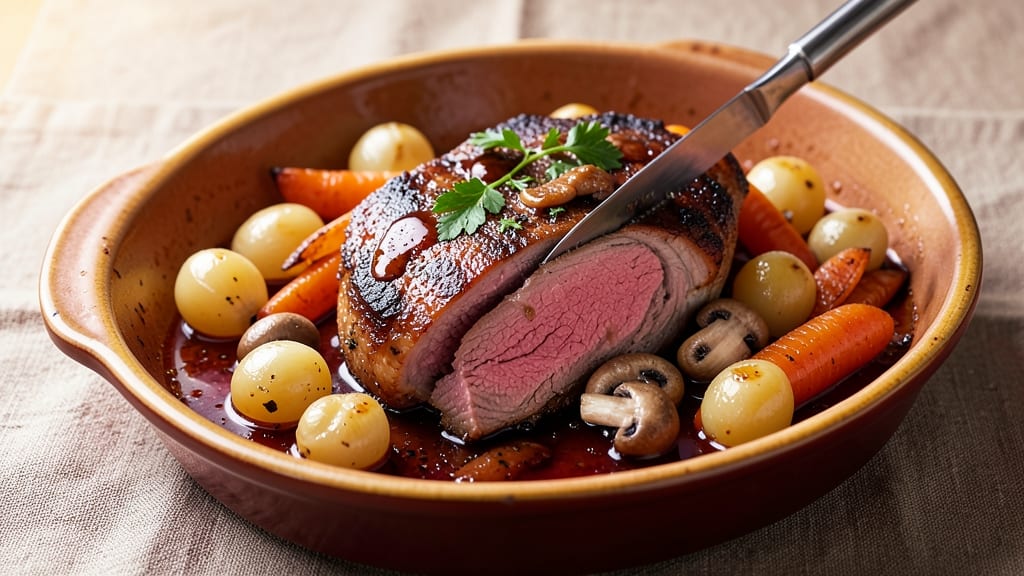
This America's Test Kitchen beef bourguignon recipe delivers restaurant-quality depth and tenderness in one rich, wine-braised dish. The secret lies in proper searing and slow cooking—transforming tough beef chuck into melt-in-your-mouth threads while developing layers of caramelized flavor.
I’ve refined the technique to balance acidity and sweetness, ensuring every bite is perfectly harmonized.
The process begins with a deep sear in a Dutch oven, creating a flavorful crust that dissolves into the sauce. Red wine reduction builds complexity, while aromatic vegetables (carrots, onions, mushrooms) infuse the dish with earthy sweetness.
What sets this apart is the precise timing—3 hours of slow braising—that guarantees fork-tender beef without drying it out.
By the end, you’ll have a deep red sauce clinging to beef that pulls apart effortlessly, served with crusty bread or mashed potatoes to soak up every last drop.
The aroma alone transforms your kitchen into a French bistro, while the technique remains approachable for home cooks. This isn’t just a recipe—it’s a masterclass in braising.
Leftovers reheat beautifully, making it ideal for meal prep or impressing guests. The key is patience and attention to detail, but the result—restaurant-worthy beef bourguignon—is worth every minute. Let’s get started on creating this timeless classic.
Ingredients for america's test kitchen beef bourguignon
Fifteen ingredients transform tough beef into melt-in-your-mouth threads with deep wine-braised richness.
| Ingredient | Amount | Notes |
|---|---|---|
| Beef Chuck Roast 🥩 | 2 ½ lb | Center-cut, 2-2.5 inches thick |
| Dry Red Wine 🍷 | 1 cup | Bold Cabernet Sauvignon or Merlot |
| Beef Broth 💧 | 2 cups | Low-sodium, homemade preferred |
| Pearl Onions 🧅 | 1 lb | Whole, peeled if preferred |
| Carrots 🥕 | 1 lb | Baby or sliced into 2-inch pieces |
| Cremini Mushrooms 🍄 | 8 oz | Quartered, stems removed |
| Garlic Cloves 🧄 | 4 cloves | Peeled, smashed with side of knife |
| All-Purpose Flour 🌾 | 2 tbsp | Diamond Crystal preferred |
| Tomato Paste 🍅 | 2 tbsp | San Marzano preferred |
| Fresh Thyme 🌿 | 2 sprigs | Stems removed, leaves only |
| Fresh Parsley 🌿 | ¼ cup | Chopped, for garnish |
| Olive Oil 🫒 | 2 tbsp | Extra-virgin, for searing |
| Kosher Salt 🧂 | 1 ½ tsp | Diamond Crystal preferred |
| Freshly Ground Black Pepper 🌶️ | ½ tsp | Coarsely ground |
| Balsamic Vinegar 🍶 | 1 tbsp | For acidity balance |
The beef chuck is non-negotiable—center-cut roast with visible marbling ensures tenderness. Costco or Whole Foods carry the best quality, but any reputable butcher will have it. Look for a piece 2-2.5 inches thick to prevent uneven cooking. Trim excess fat but leave a thin layer for flavor. The red wine should be bold—Cabernet Sauvignon or Merlot—and preferably one you'd drink, as it contributes significantly to the final flavor. If using a cheaper wine, decant it first to remove sediment that can make the sauce cloudy.
No dry red wine? Substitute with 1 cup beef broth plus 1 tbsp balsamic vinegar, though the depth will differ. The tomato paste can be omitted if unavailable, but it adds umami richness—San Marzano is ideal for its sweetness. Fresh thyme is preferred, but dried works at one-third the amount if needed. For the mushrooms, cremini or baby bella provide the best texture, but shiitake adds an earthy depth if you're adventurous. The pearl onions should be whole—peeling them isn't necessary unless you prefer a cleaner bite. All vegetables should be roughly the same size to ensure even cooking.
This dish tastes even better the next day as flavors meld. Store in an airtight container in the fridge for up to 5 days or freeze for 3 months. For reheating, add a splash of beef broth or water to prevent drying. The sauce thickens as it cools, so you may need to thin it slightly with broth when reheating. Portion into individual containers for easy meal prep—each serving reheats beautifully and makes for impressive leftovers. The Dutch oven can be refrigerated for up to 3 days if not used immediately after cooking.
Why You'll Love This Recipe
- No Chopping Hassle: I swear by this recipe because the pearl onions and carrots are prepped in minutes—no peeling, no fuss. Just toss them in whole, and they soften beautifully while the beef slow-cooks. (Yes, even on a Tuesday night.)
- Rich, Layered Depth: That beef chuck roast turns so tender it melts, while the red wine and broth create a sauce that’s both silky and packed with umami. Honestly, the first bite makes me forget about takeout menus.
- Leftovers That Shine: This dish actually improves the next day—better flavors melded together. I freeze portions for lazy nights, and reheating? Just a splash of broth to loosen it up. My go-to for when I’m too tired to cook.
- Budget-Friendly Luxury: A chuck roast and a bottle of wine stretch far, and the veggies add bulk without breaking the bank. Between us, it’s the kind of meal that feels fancy but costs less than half a restaurant entree.
Step-by-step instructions for america's test kitchen beef bourguignon
This method delivers melt-in-your-mouth beef threads and rich, velvety sauce every time.
Sear the Beef Chuck Roast for Maximum Flavor
Pat the 2.5 lb beef chuck roast thoroughly with paper towels to remove all moisture. Season generously with 1.5 tsp kosher salt and 0.5 tsp freshly ground black pepper, pressing the spices into the meat so they adhere. Heat 2 tbsp olive oil in a 6-quart Dutch oven over medium-high heat until shimmering.
Place the beef in the pot and sear for 4 minutes per side until deeply browned. This step develops the Maillard reaction, creating complex flavors that form the foundation of your bourguignon. For even browning, rotate the roast halfway through each side. Remove the beef and set aside on a plate, leaving all the browned bits in the pot - these are pure flavor gold.
Build the Flavor Base with Vegetables and Aromatics
In the same Dutch oven, add 1 lb pearl onions and 1 lb carrots (peeled if preferred). Cook for 8-10 minutes, stirring occasionally, until the vegetables begin to soften and develop color. Add 8 oz quartered cremini mushrooms and cook for another 5 minutes until they release their moisture and start to brown.
Push the vegetables to one side of the pot and add 4 smashed garlic cloves and 2 sprigs fresh thyme to the empty space. Cook for 30 seconds until fragrant. This layering technique ensures all components develop flavor simultaneously rather than sequentially, creating a more cohesive dish.
Create the Velvety Sauce Foundation
Sprinkle 2 tbsp all-purpose flour and 2 tbsp tomato paste over the vegetables in the pot. Stir vigorously for 1-2 minutes to cook off the raw flour taste completely. This creates a roux that will thicken your sauce beautifully. Pour in 1 cup dry red wine and scrape up all the browned bits from the bottom of the pot with a wooden spoon.
Let the wine simmer for 3-4 minutes until reduced by half. Add 2 cups beef broth and 1 tbsp balsamic vinegar, then bring to a gentle simmer. The acidity from the balsamic vinegar will brighten the flavors and balance the richness of the beef and wine.
Braise Until Beef is Fork-Tender
Return the beef to the Dutch oven, along with any accumulated juices from the plate. Bring the liquid to a simmer, then cover and transfer to a 325°F oven. Braise for 2.5-3 hours, turning the beef occasionally, until it reaches 203°F internal temperature and shreds easily with two forks.
Here's the thing - the beef needs to rest after braising. Remove the roast from the pot and tent loosely with foil. Let it rest for 15 minutes while you reduce the sauce. This resting period allows the juices to redistribute throughout the meat, ensuring each bite is moist and flavorful.
Finish the Sauce and Serve
Strain the braising liquid through a fine-mesh sieve into a clean saucepan, pressing on the vegetables to extract maximum flavor. Return the strained liquid to medium-high heat and simmer for 8-10 minutes until slightly thickened. The sauce should coat the back of a spoon but remain silky, not gluey.
Slice the rested beef against the grain into ¼-inch thick strips. Return the beef to the sauce and heat through for 2-3 minutes. Garnish with 0.25 cup chopped fresh parsley just before serving. This classic French dish serves beautifully over mashed potatoes or crusty bread to soak up every last drop of that rich, velvety sauce.
Pro Tips For Making America'S Test Kitchen Beef Bourguignon
- SEAR THE ROAST HARD: I learned this the hard way—skipping the high-heat sear means flavorless beef. Use a Dutch oven on medium-high heat for 5-6 minutes per side until deep brown crust forms. That’s where the meaty depth comes from, not just the wine.
- PEEL ONIONS LAZY: Skip the tedious peeling—just trim the ends of the pearl onions and slice them in half lengthwise. They’ll cook faster and look just as pretty. (Your future self will thank you for not wasting 20 minutes on this.)
- DON’T BOIL THE WINE: After deglazing, let the wine reduce slowly—low heat, uncovered. If you rush it, you’ll end up with a sad, watery sauce. A steady simmer for 5-7 minutes concentrates the flavor without turning it to vinegar.
- REST THE MEAT RIGHT: Pull the beef out of the pot 10 minutes before serving, tented with foil. The juices redistribute, and the temperature stays perfect. Cutting into it too soon dries it out—trust me, I’ve ruined a good bourguignon this way.
Regional styles of this recipe
Classic French Bistro
This is the dish that put beef bourguignon on the map—rich, wine-braised beef with mushrooms and pearl onions, just like you'd find in a Parisian bistro. The French version relies on dry red wine (Cabernet Sauvignon or Merlot) and a long braise to tenderize the beef.
I like to add a pinch of sugar (½ tsp) when deglazing to balance the wine's acidity, a trick I picked up from my time in Lyon. 🍷
Texas-Style Twist
Southern cooks love to put their own spin on French classics. In Texas, you'll often see smoked paprika (½ tsp) or chopped jalapeños (2, seeded) added to the braising liquid for a smoky kick.
Swap the red wine for 1 cup beef broth + ½ cup bourbon (like Maker's Mark) for a true Texan bourguignon. Serve with cornbread instead of crusty bread for a regional favorite. 🌶️
Italian-Inspired Version
For a rustic Italian take, replace the red wine with 1 cup dry Chianti and add 4 oz pancetta (diced) to render fat for searing. Stir in 1 tbsp tomato paste at the end for brightness, and finish with fresh basil instead of parsley.
Italians often serve this with polenta or creamy risotto to soak up the sauce. 🌿
Slow Cooker Adaptation
For a hands-off approach, sear the beef and vegetables as directed, then transfer everything to a 6-quart slow cooker. Add the wine, broth, and aromatics, then cook on LOW for 8 hours or HIGH for 5 hours. The slow cooker keeps the beef tender without drying it out—perfect for busy weeknights. Just
Vegetarian Alternative
Swap the beef for 2.5 lbs portobello mushrooms (stemmed and sliced) or extra-firm tofu (pressed and cubed). Use 1 cup vegetable broth instead of beef broth and add 1 tbsp soy sauce for umami depth. The mushrooms absorb the wine sauce beautifully, creating a hearty vegetarian version that still feels indulgent. 🍄
Modern Fusion Take
For a contemporary twist, add 1 cup cooked quinoa to the braising liquid for a protein boost, or stir in 1 tbsp miso paste at the end for a Japanese-inspired depth. Top with crispy fried shallots and sesame seeds for a fusion dish that surprises and delights.
This version works beautifully as a filling for sourdough crostini or over wild rice. 🌟
Nutrition facts
Frequently asked questions
Why does America's Test Kitchen recommend beef chuck for this recipe?
The beef chuck roast is ideal because its marbling and connective tissue break down during the 3-hour braise, creating melt-in-your-mouth threads. Unlike leaner cuts, chuck stays juicy while developing deep flavor. Look for a 2-2.5 inch thick center-cut piece with visible fat—this ensures both tenderness and richness in the final dish.
Can I use a different cut of beef, like sirloin or flank steak?
Not recommended! Sirloin and flank steak are too lean and will dry out during the long braising time. For best results, stick with chuck roast or short ribs. If you must substitute, try brisket (trimmed of excess fat) and reduce braising time to 2 hours—but expect slightly less tender results.
How do I know when the beef is fully cooked?
Use a meat thermometer to check for 203°F internal temperature—this ensures the connective tissue has fully broken down. The beef should also shred easily with two forks. If you don't have a thermometer, cut into a small piece: the juices should run clear, not pink. Overcooking can happen quickly, so monitor closely during the final 30 minutes of braising.
What's the best way to reheat leftovers without drying out the beef?
Reheat gently in the sauce on the stovetop over low heat (or in a 300°F oven) with a splash of beef broth to maintain moisture. Never microwave—it creates a rubbery texture. For extra flavor, add a pinch of balsamic vinegar or red wine while reheating. Leftovers keep well for 5 days in the fridge or 3 months frozen.
Can I make this recipe in a smaller pot?
Yes, but use a 4-5 quart Dutch oven and reduce all ingredients by 25% to maintain proper proportions. The key is keeping the beef submerged in liquid—if it sits above the sauce, it'll dry out. For a single serving, try 1 lb beef chuck, ½ cup wine, and 1 cup broth, braising for 2 hours. Just be prepared for longer cooking times in smaller vessels.