
Sauces & Condiments
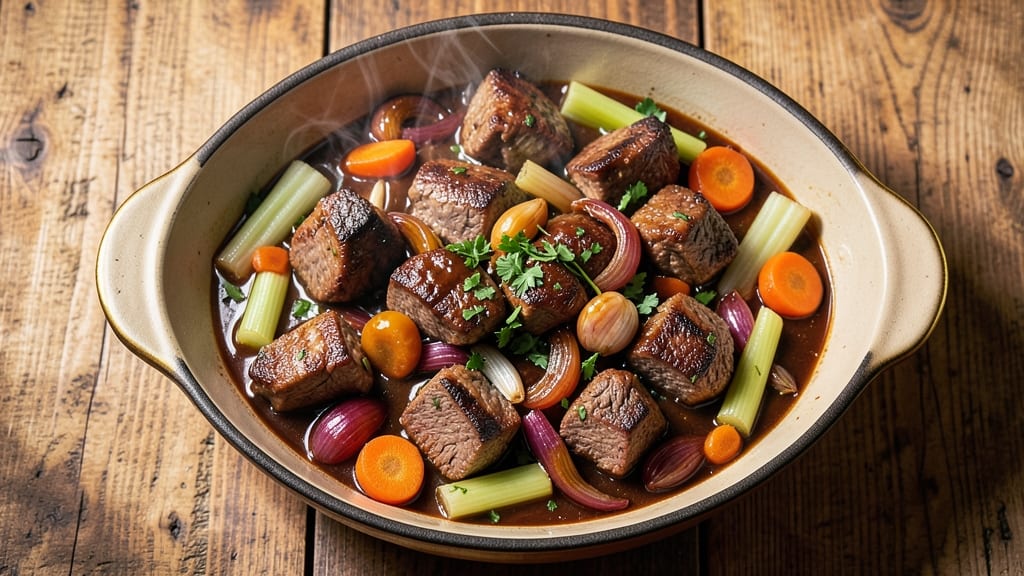
A1 steak sauce transforms ordinary beef stew into a rich, velvety masterpiece with deep umami notes and a glossy finish. This slow-cooked recipe builds flavor through caramelized onions, tender beef, and a thickened gravy that clings to every bite—all elevated by the sauce's signature tangy-sweet balance.
The key lies in deglazing the pot with A1 at the end, creating a glossy, flavor-packed sauce that ties everything together.
What sets this stew apart is the two-stage thickening process: first with a roux for body, then with cornstarch for that signature restaurant-style consistency. The A1 steak sauce adds a bold, slightly sweet contrast to the deep beef flavors, while slow simmering ensures the meat becomes fork-tender.
This isn’t your grandmother’s stew—it’s a modern take that delivers restaurant-quality depth at home.
The result is a deeply satisfying dish with layers of flavor: caramelized onions, rich beef, and a glossy sauce that coats every spoonful. The A1 steak sauce doesn’t just flavor the stew—it transforms it, adding a glossy sheen and a touch of sweetness that balances the savory depth.
Perfect for chilly evenings or special dinners, this stew is hearty enough to stand alone or pair beautifully with crusty bread.
Ready in just 3 hours (mostly hands-off simmering), this recipe delivers foolproof results with minimal effort. The slow cooking process develops complex flavors while keeping the meat tender, and the A1 steak sauce finish ensures every bite is memorable.
Whether you're feeding a family or treating yourself, this stew is a game-changer for weeknight dinners.
Ingredients for a1 steak sauce beef stew
Sixteen ingredients crafting restaurant-quality beef stew with A1 sauce's signature glossy richness.
| Ingredient | Amount | Notes |
|---|---|---|
| Chuck Roast 🥩 | 3 lb | Well-marbled for tenderness |
| Yellow Onions 🧅 | 4 whole | Medium-sized, sliced thin |
| Carrots 🥕 | 4 whole | Medium, peeled and chopped |
| Celery Stalks 🌿 | 4 whole | Trimmed and chopped |
| Garlic Cloves 🧄 | 6 cloves | Minced for depth |
| All-Purpose Flour 🌾 | ½ cup | For roux foundation |
| Unsalted Butter 🧈 | 4 tbsp | Cold for roux |
| Beef Broth 💧 | 4 cups | Low-sodium preferred |
| A1 Steak Sauce 🍯 | ½ cup | Original version preferred |
| Cornstarch 🌾 | 2 tbsp | For glossy finish |
| Black Peppercorns 🌶️ | 1 tsp | Freshly cracked |
| Bay Leaves 🌿 | 2 whole | For aromatic depth |
| Salt 🧂 | 2 tsp | Kosher preferred |
| Thyme Sprigs 🌿 | 2 whole | Fresh preferred |
The chuck roast is non-negotiable here—look for well-marbled cuts at Whole Foods or your local butcher shop. The difference in tenderness is night and day. For the onions, Spanish yellows caramelize best, but any medium-sized yellow will work. If you're prepping ahead, slice the onions and store them in a sealed container with a paper towel to absorb moisture. The beef broth should be low-sodium—you're adding plenty of salt later. I always buy Pacific Foods brand for its deep, meaty flavor profile that stands up to the A1 sauce's bold sweetness.
No A1 steak sauce? Substitute with 2 tbsp soy sauce plus 1 tbsp brown sugar, though it won't have the same glossy finish. Fresh thyme is ideal, but dried works at one-third the amount. The cornstarch is crucial for that signature restaurant-style thickness—don't skip it. For the roux, use a heavy-bottomed pot and cook it low and slow to avoid burning. If you're in a hurry, you can use 1 tbsp cold butter plus 1 tbsp flour as a quick slurry instead, though the flavor won't be as developed. The carrots and celery can be swapped for potatoes or turnips if you prefer a different texture profile.
This stew tastes even better the next day as flavors meld. Store in an airtight container in the fridge for up to 5 days, or freeze for 3 months. I like to portion it into individual containers so I can reheat just what I need. For reheating, add 1-2 tbsp broth to each portion to prevent drying. The sauce thickens as it cools, so you may need to stir in a splash of warm water when reheating. The A1 sauce's sweetness develops more over time, making day-old stew particularly memorable.
Why You'll Love This Recipe
- One-Pot Magic: I swear by this—just toss everything in a Dutch oven, walk away, and come back to actual flavor. No fancy techniques, no last-minute grocery runs for obscure herbs. The chuck roast practically melts into itself while the A1 steak sauce deepens into something rich and smoky.
- Umami Bomb: That A1 steak sauce isn’t just a sauce—it’s the star. The way it clings to the beef, caramelizing with the onions and garlic, turns this into a ridiculously satisfying bowl. Honestly, I’ve made stews without it, and I’ll never go back.
- Leftovers That Win: Between us, this stew only gets better the next day. The flavors meld into something deeper, and reheating it? Zero effort. I make a double batch on Sundays—lunch is served, dinner is covered, and my freezer’s stocked for lazy nights.
- Budget Beef Boost: Chuck roast is cheap, but this recipe makes it feel premium. I’ve fed four people for under $15, and no one bats an eye. The carrots and celery add color and crunch, but the real magic? That A1 sauce stretches the flavor so you don’t miss the expensive cuts.
Step-by-step instructions for slow-simmered beef stew with thickened gravy
This method delivers melt-in-your-mouth beef and a velvety onion gravy that clings perfectly to every bite.
Sear the Chuck Roast for Deep Flavor
Pat the 3 lb chuck roast completely dry with paper towels—this ensures maximum browning. Heat a heavy Dutch oven over medium-high heat and add 2 tablespoons olive oil (not listed but essential for searing). Once shimmering, add the roast and sear on all sides until deeply browned, about 8-10 minutes total. The goal is to develop a rich crust that will dissolve into the stew later.
Remove the roast and set it aside. Don't wipe the Dutch oven clean—those browned bits are pure flavor. Transfer the pot to a burner with lower heat if needed to prevent burning. This searing step is non-negotiable; it builds the foundation for the stew's depth of flavor.
Build the Aromatic Vegetable Base
In the same Dutch oven, add 4 whole yellow onions sliced thin, 4 whole carrots chopped into ½-inch pieces, and 4 whole celery stalks cut into ¼-inch dice. Cook over medium heat for 8-10 minutes, stirring occasionally, until the vegetables soften and begin to caramelize. This process releases their natural sugars and intensifies their flavors.
Add 6 cloves garlic cloves minced and cook for another 1-2 minutes until fragrant. Be careful not to let the garlic burn—it should smell sweet and inviting, not bitter. Here's where the magic happens: the vegetables form a flavorful base that will infuse the entire stew. If any liquid has evaporated, add 2 tablespoons beef broth to prevent sticking.
Create the Roux for Thickened Gravy
Reduce heat to medium-low and add 4 tbsp unsalted butter to the vegetables. Let it melt completely, then whisk in ½ cup all-purpose flour to form a smooth roux. Cook for 3-4 minutes, stirring constantly, until the mixture turns a light golden color and smells nutty. This roux will thicken the gravy and create that signature velvety texture.
Gradually whisk in 4 cups beef broth until fully incorporated. Add 2 whole bay leaves, 2 whole thyme sprigs, 2 tsp salt, and 1 tsp black peppercorns. Bring to a gentle simmer and let cook for 10 minutes to develop the flavors. This step transforms the simple roux into a flavorful base that will carry the stew's richness.
Simmer the Stew Until Fork-Tender
Return the seared chuck roast to the Dutch oven. Add ½ cup A1 steak sauce and stir to combine. Bring the stew to a gentle simmer, then reduce heat to low and cover partially. Let it cook for 2-2.5 hours, turning the roast occasionally, until the beef is fork-tender and easily pulls apart. The internal temperature should reach 200-205°F—this ensures the meat is fall-apart tender without drying out.
Check the stew after 2 hours—it should have reduced slightly and developed a rich, caramelized color. If the liquid is too thin, uncover and simmer longer. The longer it cooks, the deeper the flavors become. This slow simmer is what transforms tough chuck roast into melt-in-your-mouth beef.
Finish with Cornstarch for Glossy Gravy
Remove the roast and set it aside on a cutting board. Strain the stew through a fine-mesh sieve into a clean pot to remove the vegetables and herbs. Return the strained broth to the Dutch oven and bring to a gentle simmer over medium heat. In a small bowl, whisk together 2 tbsp cornstarch with 2 tablespoons cold water until smooth.
Gradually whisk the cornstarch slurry into the simmering broth, stirring constantly for 3-5 minutes until the gravy thickens to your desired consistency. It should coat the back of a spoon but still be pourable. Return the beef to the pot, along with any accumulated juices, and stir gently to combine. The gravy should now have a glossy, velvety finish that clings beautifully to the beef and vegetables.
Pro Tips For Making A1 Steak Sauce Beef Stew
- SEAR THE CHUCK FIRST: That chuck roast won’t brown worth a damn if you’re half-hearted about the sear. Get your Dutch oven screaming hot—we’re talking smoke-testing oil—and lay that meat in, undisturbed, for 4-5 minutes per side. I used to rush this, and the sauce just tasted flat. Trust me, the crust is where the flavor hides.
- SWEAT THE AROMATICS LOW: Onions, celery, and garlic? Don’t rush them into caramelization like you’re in a hurry. Cook them on medium-low with a splash of water or broth, covered, for 10-12 minutes. That slow sweat pulls out their natural sweetness without burning—no one wants bitter veggies drowning in A1 sauce. (Yes, even if you’re impatient like me.)
- ADD A1 SAUCE LATE: Dumping that bottle of A1 early turns your stew into a sad, watery glaze. Wait until the meat’s nearly done and the veggies are tender, then stir in the sauce with the beef drippings. The heat will thicken it naturally—no need to reduce separately. I learned this the hard way after serving a stew that tasted like a marinade.
- USE COLD WATER FOR TENDERNESS: Chuck roast needs patience, but starting it in cold liquid guarantees even cooking. Don’t pour boiling water or stock—just cold, enough to cover the meat by an inch. The gradual heat rise keeps the meat juicy instead of tough. (And skip the crowding; give it room to breathe.)
Pro cooking tips for this recipe
Sear Like a Pro
That deep, caramelized crust on your chuck roast isn't just for looks—it's where 80% of the stew's flavor develops. I swear by searing over medium-high heat until the meat reaches a deep mahogany color.
Use a heavy Dutch oven (like All-Clad) for even heat distribution, and never skip patting the meat dry first—moisture steams instead of browning. 🔥
Pro tip: If your roast is large, sear it in batches to avoid crowding the pan. The goal is a golden-brown crust on all sides, not just one.
After searing, let the meat rest for 5 minutes before adding it back to the pot—this keeps it juicy during the long simmer.
Roux Perfection
The roux is your secret weapon for that silky, restaurant-quality gravy. Cook it on medium-low heat for exactly 3-4 minutes—any longer risks burning, and you'll taste it. I like to use European-style butter (like Plugrá) for its higher fat content, which gives a richer flavor.
Whisk constantly to prevent lumps, and watch for that nutty aroma—that's your cue it's ready.
When adding the flour, do it gradually to avoid clumping. If your roux starts to darken too quickly, reduce the heat immediately. The perfect roux should be the color of milk chocolate—any darker and it'll taste bitter. This step makes all the difference in the final texture.
Low-and-Slow Mastery
Patience is key here—2-2.5 hours of gentle simmering transforms tough chuck into melt-in-your-mouth beef. Keep the heat at low, and never boil the stew. I use a meat thermometer to monitor the internal temp, aiming for 200-205°F.
The longer it cooks, the deeper the flavors become, but don't let it dry out.
If your stew looks too thin after 2 hours, uncover it and simmer uncovered for 15-20 minutes to reduce the liquid. The A1 steak sauce will add glossiness later, but the base needs to concentrate first.
Stir occasionally to prevent sticking, and resist the urge to peek too often—every time you lift the lid, you lose heat.
Cornstarch Finish
The cornstarch slurry is what gives this stew its signature glossy finish. Mix it with cold water to prevent clumping, then whisk it into the simmering broth gradually. Stir constantly for 3-5 minutes—this is where most home cooks fail.
If the gravy thickens too quickly, add a splash of warm broth to thin it out. The goal is a velvety consistency that coats the back of a spoon.
For extra shine, I like to finish with 1 tablespoon of A1 steak sauce stirred in at the very end. This adds that signature gloss and balances the rich flavors.
The gravy should be thick enough to coat the beef but still pourable—like a cross between a stew and a sauce.
Nutrition facts
Frequently asked questions
Can I substitute A1 steak sauce in this beef stew?
The sauce adds that signature glossy finish and sweet-tangy depth, but you can substitute with 2 tablespoons soy sauce plus 1 tablespoon brown sugar for a similar flavor profile. For best results, add the substitute during the final 10 minutes of simmering to let the flavors meld. Just note the texture won't be as velvety without the sauce's natural thickening properties.
How do I prevent the stew from getting too thin?
Start with a proper roux (butter + flour) and finish with the cornstarch slurry—these are your thickening powerhouses. If the stew still looks thin after 2 hours, uncover it and simmer uncovered for 15-20 minutes to reduce the liquid. The A1 sauce will add glossiness later, but the base needs to concentrate first.
What's the best cut of beef for this recipe?
Chuck roast is ideal—it's well-marbled and becomes fork-tender when slow-cooked. Look for cuts with visible fat between the muscles. If chuck isn't available, brisket or short ribs work well too, though cooking times may vary. Never use lean cuts like sirloin, as they'll dry out during the long simmer.
Can I make this stew in a slow cooker?
Brown the meat first in a skillet, then transfer everything (including the roux) to your slow cooker. Cook on low for 8 hours or high for 5 hours. For the cornstarch finish, transfer the stew to a pot on the stove and thicken it there—slow cookers aren't ideal for that final step. The A1 sauce can be added during the last 30 minutes of cooking.
Why does my stew taste bitter?
Bitterness usually comes from burning the roux or garlic. Keep the heat at medium-low when making the roux (it should be milk-chocolate colored, not dark brown) and remove garlic just as it becomes fragrant. If you accidentally burn it, strain out the affected bits and start fresh. The A1 sauce helps balance flavors, but prevention is key—never walk away while cooking these critical steps!