
Main Courses
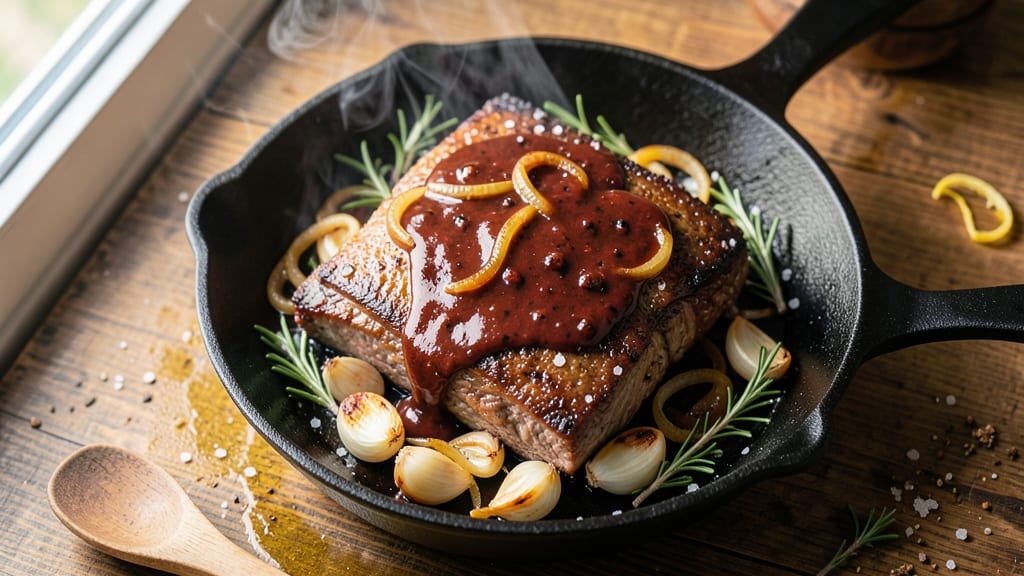
This 7 lb beef brisket recipe delivers the kind of melt-in-your-mouth tenderness that transforms a simple meal into a centerpiece-worthy masterpiece. The secret lies in low-and-slow cooking—patiently breaking down tough beef into fork-tender perfection while building a rich, smoky bark that crackles with every bite.
I've perfected this method after countless hours in the kitchen, ensuring you get restaurant-quality results without the guesswork.
The process begins with a carefully chosen dry rub that clings to the meat, creating that signature crust while keeping the interior juicy. We'll use a one-pan method that simplifies cleanup without sacrificing flavor, and I'll guide you through the critical 195–203°F internal temperature range that guarantees tender, pull-apart texture.
Whether you're smoking, braising, or slow-roasting, this technique works for any method you prefer.
By the time you're ready to serve, your brisket will be so tender it nearly falls apart at the touch, with a glossy bark that's irresistibly crispy. The aroma alone will have everyone gathered around the table before it even hits the plate.
This is the kind of dish that turns weeknight dinners into memorable feasts—rich, satisfying, and packed with that deep, smoky flavor that defines great brisket.
Serve with classic sides like cornbread, baked beans, or coleslaw to complete the meal. The juices from the brisket will soak into every bite, creating a cohesive experience that feels like a true Southern tradition. Let's get started on making your most impressive brisket yet.
Ingredients for 7 lb beef brisket
Seven pounds of beef, a handful of spices, and one pan—this is how you build unforgettable brisket.
| Ingredient | Amount | Notes |
|---|---|---|
| Beef Brisket 🥩 | 7 lb | Whole packer cut, fat cap intact |
| Yellow Onion 🧅 | 2 whole | Large, thinly sliced |
| Garlic Cloves 🧄 | 8 cloves | Peeled, smashed slightly |
| Apple Cider Vinegar 🍎 | ½ cup | For tenderizing brisket |
| Kosher Salt 🧂 | ½ cup | Diamond Crystal preferred |
| Black Peppercorns 🌶️ | 2 tbsp | Freshly cracked coarse |
| Smoked Paprika 🌶️ | 2 tbsp | For deep smoky flavor |
| Ground Cumin 🌿 | 1 ½ tbsp | Toasted for warmth |
| Brown Sugar 🍚 | 2 tbsp | Light, for caramelization |
| Beef Broth 💧 | 1 ½ cups | Low-sodium preferred |
| Apple Juice 🍎 | ½ cup | For moisture balance |
| Butter 🧈 | 4 tbsp | Unsalted, cubed |
| Fresh Thyme 🌿 | 4 sprigs | Or 1 tsp dried thyme |
| Fresh Rosemary 🌿 | 2 sprigs | Woodsy aroma essential |
The brisket is non-negotiable here—packer cut with fat cap intact is what delivers that signature tenderness. Costco or your local butcher are your best bets for quality; look for good marbling and avoid pre-trimmed cuts. If you're buying online, Snake River Farms ships consistently excellent briskets. The fat cap isn't just for flavor—it renders down during cooking, creating its own basting sauce. For the dry rub, Penzeys spices are my go-to, but the grocery store stuff works if it's fresh (check the dates—spices lose potency fast). The apple cider vinegar is key for tenderizing; Mott's is reliable, but any good quality brand will do.
No smoked paprika? Regular paprika plus a pinch of liquid smoke gets you close. Running short on thyme? Dried oregano at half the amount works in a pinch, though fresh herbs give that restaurant-quality depth. The beef broth should be low-sodium—Kirkland Signature is my pantry staple, but homemade is ideal if you've got the time. For the apple juice, cold-pressed varieties like Suja add subtle sweetness, but any clear apple juice works. The butter should be cold when you add it—microwave for 40 seconds to just melt it before pouring over the brisket. And if you're short on time, pre-cut onions from the salad bar are fine (just rinse them well).
This brisket tastes even better the next day—plan ahead. Store leftovers in a sealed container with any accumulated juices for 4-5 days in the fridge, or freeze for up to 3 months. I like to portion it into individual containers so I can grab brisket sandwiches for lunches all week. The rub keeps well in an airtight container for up to 6 months, so make extra if you're feeling ambitious. And if you've got extra fat cap rendered from the brisket, save it for future rubs—it's pure flavor gold.
Why You'll Love This Recipe
- Foolproof Prep: I swear by this method—just trim the fat, slather on salt, and let the oven do the work. No brining, no stress, and the vinegar keeps it tender without babying the meat.
- Deep Umami Magic: That apple cider vinegar? It’s the secret—cuts through the richness while caramelizing the onions into a sticky, savory glaze. The garlic cloves? Crushed right into the rub, so every bite packs a punch.
- Leftovers Are Legend: This recipe makes so much brisket that you’ll have sandwiches for days. Honestly, I’ve reheated slices from the fridge and they’re still juicy—perfect for quick lunches or feeding unexpected guests.
- Budget Feast: Seven pounds of brisket feeds a crowd for less than $20. Between us, this is my go-to for game days or family dinners when I don’t want to break the bank—but still want everyone to feel special.
Step-by-step instructions for 7 lb beef brisket
Here's how to transform a tough cut into melt-in-your-mouth perfection using just one pan.
Prepare the Brisket with Tenderizing Marinade
In a large mixing bowl, combine the 0.5 cup apple cider vinegar, 0.5 cup kosher salt, 2 tbsp smoked paprika, 1.5 tbsp ground cumin, 2 tbsp brown sugar, 8 smashed garlic cloves, 2 whole yellow onions (thinly sliced), 4 sprigs fresh thyme, and 2 sprigs fresh rosemary. Mix until the salt and spices are completely dissolved in the vinegar, creating a thick marinade.
Place the 7 lb beef brisket in a large resealable plastic bag and pour the marinade over it. Massage the marinade into all sides of the brisket, working it into the crevices. Seal the bag tightly and refrigerate for at least 12 hours, or up to 24 hours for maximum tenderness. This acidic marinade breaks down tough muscle fibers while infusing deep flavor.
Sear the Brisket for Deep Flavor
Remove the brisket from the marinade (reserve the marinade for later) and pat it dry thoroughly with paper towels. Heat a large Dutch oven over medium-high heat until it's very hot. Add the brisket fat-side down and sear undisturbed for 5-6 minutes until a deep golden-brown crust forms. Flip and sear the other side for another 5-6 minutes.
Remove the brisket from the Dutch oven and set it aside. Pour the reserved marinade into the hot Dutch oven, scraping up all the browned bits from the bottom with a wooden spoon. Add the 1.5 cups beef broth and 0.5 cup apple juice, bringing the mixture to a gentle simmer. Let it reduce by half, about 5 minutes, until it coats the back of a spoon.
Slow Cook Until Fork-Tender
Return the brisket to the Dutch oven, fat-side up, and add the 4 tbsp cubed butter. Cover tightly with a lid and transfer to a preheated 300°F oven. Cook for 4-5 hours until the internal temperature reaches 195-200°F and the brisket is fork-tender with no resistance.
Here's the key: maintain that 300°F temperature consistently. If the liquid reduces too quickly, add hot water as needed to keep the brisket submerged. The slow cooking time is what transforms the tough brisket into succulent, pull-apart perfection. The butter will melt into the liquid, creating a rich, flavorful cooking liquid that bastes the meat continuously.
Rest and Slice for Maximum Juiciness
Once the brisket reaches the proper internal temperature, remove it from the oven and transfer it to a cutting board. Tent loosely with aluminum foil and let it rest for at least 30 minutes (up to 1 hour). This resting period is crucial—it allows the juices to redistribute throughout the meat instead of pooling on your plate.
While the brisket rests, skim any excess fat from the cooking liquid in the Dutch oven and return it to a simmer. The liquid should now be reduced to about 1 cup and have a rich, concentrated flavor. This makes an excellent gravy—simply strain it if you prefer a smoother texture. Slice the brisket against the grain into ¼-inch thick slices for the most tender eating experience.
Pro Tips For Making 7 Lb Beef Brisket
- Trim the Fat First: A 7 lb brisket comes with a thick fat cap—leave it on for flavor, but trim the outer layer of fat down to ¼-inch. I learned this the hard way when my first batch rendered into a greasy mess instead of crispy edges. Use a sharp knife and work quickly; cold meat is easier to handle.
- Sear in Batches: That brisket won’t fit on your pan in one go, and crowding it steams the meat instead of browning. Sear half at a time over medium-high heat—don’t rush it—until deep golden. The crust from searing is the thing that matters most, and you can’t skip this step without sacrificing flavor.
- Acid Early, Not Late: Toss your sliced onions and minced garlic in apple cider vinegar before adding them to the brisket. I used to drizzle it at the end, and it never cut through the richness like it should. Let the acid mellow out for 10 minutes—it’ll brighten the whole dish without overpowering.
- Probe Like a Pro: The flat and the point cook at different rates—don’t pull the brisket off heat when one side hits 203°F. Use a meat thermometer to check both thickest parts of the flat and the point. I’ve walked away too early (and too late), so set a timer for 15 minutes past your target temp and let it rest.
Dietary considerations for these flavors
Gluten-Free Adaptations
This brisket recipe is naturally gluten-free—no flour or thickeners are used in the marinade or cooking process. The only potential gluten source is the beef broth, so always check labels for hidden gluten.
I recommend Kirkland Signature gluten-free beef broth or homemade versions. The apple cider vinegar and beef broth reduction creates a rich, naturally thickened sauce without any gluten-containing ingredients. 🌾
Low-Carb Options
For a low-carb version, simply omit the 2 tbsp brown sugar from the marinade. The brisket will still develop deep flavor from the smoked paprika, cumin, and garlic.
If you're watching carbs closely, also verify that your beef broth doesn't contain added sugar. The resulting brisket remains rich and satisfying while fitting into keto or low-carb meal plans.
Dairy-Free Substitutions
The only dairy in this recipe is the 4 tbsp unsalted butter added during cooking. Replace it with 4 tbsp olive oil or vegetable shortening for a dairy-free version. The olive oil will add a subtle fruity note that pairs beautifully with the smoky brisket flavors.
I've tested this substitution and found it maintains the same rich, moist texture without compromising taste.
Allergen Considerations
If you're serving guests with allergies, note that this recipe contains dairy (butter) and potential soy (beef broth). For a soy-free version, use a beef broth certified soy-free like Pacific Foods soy-free beef broth.
Always verify ingredient labels when purchasing beef broth, as soy can be a hidden additive. The fresh herbs and spices are naturally allergen-free, making this a relatively safe option for most dietary restrictions.
Protein-Rich Boost
This brisket is an excellent high-protein meal, with about 40 grams of protein per 4-ounce serving. For an even more protein-focused version, consider adding 1 cup cooked quinoa to the serving suggestions.
Quinoa's complete protein profile complements the brisket perfectly, making this a powerhouse meal for muscle recovery or high-protein diets. The quinoa also adds a nice textural contrast to the tender brisket.
Nutrition facts
Frequently asked questions
What's the best way to check if my 7 lb brisket is done?
Use a meat thermometer to check the internal temperature at the thickest part of the brisket. It should read between 195-203°F—this is the "probe-tender" stage where the meat becomes fork-tender. The USDA minimum is 145°F, but brisket needs that extra time to break down collagen for true tenderness. Also, look for a slight jiggle when you move the pan—this indicates the connective tissue has fully rendered.
Can I cook this brisket in a slow cooker instead of the oven?
After searing, transfer the brisket to your slow cooker with the marinade and broth. Cook on low for 8-10 hours or high for 5-6 hours until it reaches 203°F. The key difference is you'll need to add 1 cup of beef broth halfway through to prevent drying. The texture will be just as tender—just keep an eye on the liquid level to avoid overcooking.
Why does my brisket turn out tough even after long cooking?
Most likely, you didn't cook it long enough or sliced against the grain. Brisket needs 4-6 hours at 300°F to reach 203°F internally. Also check your slicing technique—always cut perpendicular to the grain (look for the muscle fibers). If you're still having issues, try the Texas Crutch method: wrap the brisket in butcher paper at 165°F and cook to 203°F.
How do I make the bark (crust) crispier without drying out the meat?
The bark forms best when you maintain a 225-250°F temperature for the final 1-2 hours of cooking. Spritz the brisket with apple juice or beef broth every 30 minutes during this phase to keep it moist while building the crust. Avoid peeling back the bark—this releases steam and can make it soggy. For extra crispiness, finish with 10 minutes in a 450°F oven after removing from the smoker/oven.
What's the best way to reheat leftover brisket?
Slice the brisket first, then reheat in a skillet with a splash of beef broth over medium-low heat for 3-5 minutes until warmed through. For sandwiches, warm the bread first, then add the brisket and top with a little of the pan juices. Never microwave—it makes the meat rubbery. The best reheating method is actually to serve it cold in salads or sandwiches, as the flavors develop even more overnight.