
Soups & Stews
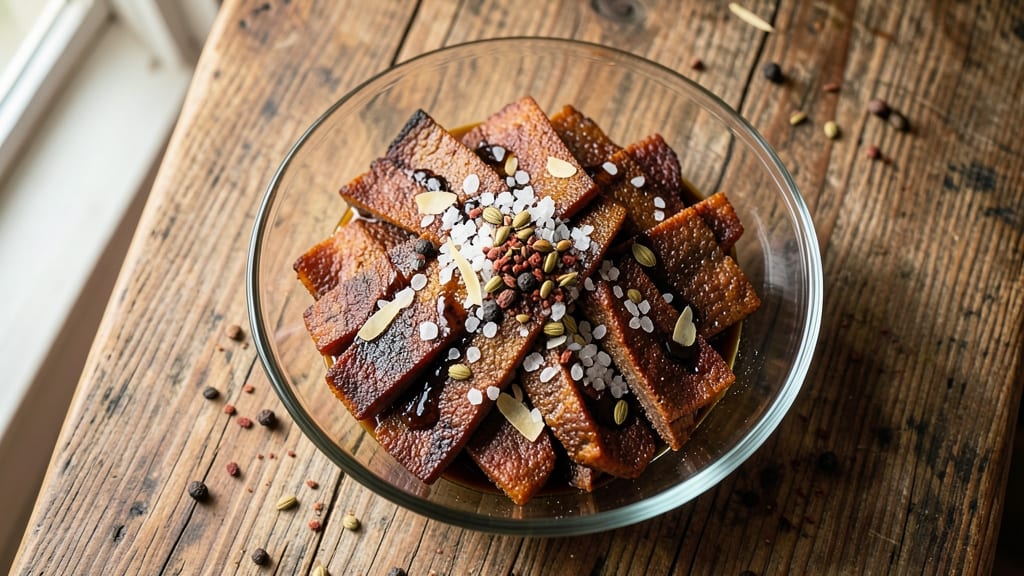
This beef biltong recipe delivers the rich, tangy, air-dried meat South Africans crave—no special equipment required beyond your fridge and pantry. The curing process transforms tough cuts into melt-in-your-mouth strips with a vinegar-kissed bite that lingers.
After perfecting it through trial (and a few failed batches), I’ve streamlined the method to ensure consistent results every time.
The secret lies in the marinade: a precise balance of coarse salt, vinegar, and spices that tenderizes while preserving. Unlike jerky, biltong relies on air-drying rather than smoking, creating a cleaner, more versatile flavor.
You’ll work with thinly sliced beef (like top round or sirloin), which dries evenly in just 5–7 days at room temperature—no dehydrator needed.
What you’ll end up with is a protein-packed snack that’s perfect for travel, hiking, or gifting—crisp edges give way to tender, juicy meat with a bright, tangy finish. The texture is addictive: chewy yet tender, with a satisfying snap.
Serve it sliced thin for easy snacking or cube it into charcuterie boards for a bold, savory element.
For those short on time, I’ll show you how to adapt the process using an oven or smoker while keeping the traditional flavor intact. The key is patience—letting the meat cure and dry properly makes all the difference. Let’s get started on your first batch!
Ingredients for beef biltong
Simple pantry staples transform tough beef into addictive, tangy South African biltong.
| Ingredient | Amount | Notes |
|---|---|---|
| Top Round Beef 🥩 | 2 lb | Thinly sliced against grain |
| Coarse Kosher Salt 🧂 | ½ cup | Non-iodized preferred |
| White Vinegar 💧 | ¼ cup | Distilled preferred |
| Brown Sugar 🍯 | ¼ cup | Light or dark |
| Ground Black Pepper 🌶️ | 1 tbsp | Freshly cracked |
| Ground Coriander 🌿 | 1 tbsp | Toasted for depth |
| Ground Cumin 🌿 | 1 tsp | Freshly ground |
| Ground Mustard Powder 🌶️ | 1 tsp | For tangy kick |
| Garlic Powder 🧄 | 1 tsp | Not garlic salt |
| Onion Powder 🧅 | 1 tsp | For aromatic base |
| Paprika 🌶️ | 1 tsp | Smoked preferred |
| Baking Soda 🧪 | ½ tsp | Tenderizes meat |
| Cold Water 💧 | ½ cup | For marinade consistency |
Top round is my go-to cut—it’s lean but tenderizes beautifully. Grocery stores usually carry it pre-sliced for jerky, but if you’re buying whole, ask the butcher to slice it paper-thin against the grain. The thinner the slices, the faster they dry. I grab mine from Costco when I’m making a big batch, but any supermarket’s meat counter works. Look for bright red, well-marbled beef—avoid anything grayish or overly fatty. The vinegar and salt combo does most of the magic here, but the spices? Don’t skimp. Penzeys or the bulk bins at Whole Foods have the freshest ground spices, but the regular grocery store stuff is fine if it’s not ancient.
No coarse salt? Diamond Crystal kosher salt works perfectly—just pulse it in a food processor for a coarser texture. Short on vinegar? Apple cider vinegar adds subtle sweetness, but stick with white for classic biltong. The brown sugar can be swapped for maple syrup at half the amount if you’re avoiding refined sugar. For extra tang, add 1 tsp lemon juice to the marinade. The baking soda tenderizes the meat—don’t skip it, but if you’re avoiding it, 1 tbsp Worcestershire sauce (ensure it’s vegan if needed) works as a substitute. The marinade should coat the beef lightly—no need to drown it.
The beef marinates overnight in the fridge, then dries at room temperature for 5-7 days. Use a fine-mesh screen or cooling rack over a baking sheet lined with parchment—airflow is everything. Flip the slices every 12 hours for even drying. Once fully dried, it’ll keep in an airtight container in the fridge for 2 weeks or frozen for 3 months. The texture changes as it dries—start testing after 4 days. If it’s still pliable, give it more time. Trust the process, and reward yourself with the first perfect strip.
Why You'll Love This Recipe
- No-Fuss Prep: I swear by this recipe because it’s basically set it and forget it—just slice the beef, mix the salt, vinegar, and brown sugar, then let time do the work. No fancy marinating, no constant flipping, just a few hours of hands-off magic.
- Sweet-Savory Magic: That balance of brown sugar and vinegar? It’s what makes this biltong dangerously good—tangy enough to cut through the richness, sweet enough to make you crave seconds. The pepper gives it just the right kick without overpowering.
- Snack Attack Ready: Between us, this is my go-to for parties, road trips, or just when I’m craving something meaty but don’t want to cook. It keeps perfectly for weeks, so I always have a grab-and-go protein on hand—no reheating, no fuss.
- Budget Winner: Top round beef is affordable, and this recipe stretches it far. A single batch feeds my whole family for days, and the ingredients? Basic stuff you already have. It’s how I eat well without breaking the bank—honestly, a game-changer for my grocery budget.
Step-by-step instructions for beef biltong
This method transforms tough top round beef into tender, flavorful biltong perfect for snacks or gifts.
Prepare the Marinade
In a large bowl, combine the 0.5 cup coarse kosher salt, 0.25 cup white vinegar, 0.25 cup brown sugar, 1 tablespoon ground black pepper, 1 tablespoon ground coriander, 1 teaspoon ground cumin, 1 teaspoon ground mustard powder, 1 teaspoon garlic powder, 1 teaspoon onion powder, 1 teaspoon paprika, and 0.5 teaspoon baking soda. I like to use a whisk for this step to ensure everything dissolves completely.
Next, add the 0.5 cup cold water and stir until the salt and sugar fully dissolve. The mixture should be thick but pourable. Here's the thing—this marinade needs to be well-balanced. The vinegar adds tang, the sugar caramelizes for depth, and the baking soda helps tenderize the meat. Let the marinade sit for 5 minutes to allow the baking soda to activate fully.
Slice and Marinate the Beef
Using a sharp knife, slice the 2 lb top round beef against the grain into ¼-inch thick strips. This is crucial—thin slices ensure even drying and maximum tenderness. I like to work in batches to keep the meat cold and prevent it from sticking together.
Place the sliced beef in a large resealable plastic bag and pour the marinade over it. Seal the bag and massage the marinade into the meat for 2-3 minutes to ensure every piece is coated. Then, let it marinate in the refrigerator for at least 12 hours, but I prefer 24 hours for maximum flavor penetration. The longer it marinates, the more tender and flavorful your biltong will be.
Drain and Pat Dry
After marinating, remove the beef from the bag and drain it in a colander for 10 minutes. This step is important—excess marinade can make the biltong too wet and prevent proper drying. Pat the beef dry with paper towels, pressing firmly to remove any remaining moisture. You want the surface to be as dry as possible for that perfect chewy texture.
I know it seems counterintuitive after marinating, but drying the meat thoroughly is what creates that signature biltong texture. If the meat feels damp, let it air dry for another 10 minutes before proceeding.
Hang to Dry
Set up your drying station. I use a dehydrator set to 145°F with the air circulating fan on high, but you can also use a well-ventilated area with good airflow. Thread the beef strips onto bamboo skewers or drying racks, leaving about 1 inch between each piece to ensure even drying.
Hang the skewers or racks in the dehydrator or drying area. The drying time will vary based on your climate and equipment. Check the biltong after 4 hours—it should feel firm to the touch and not be sticky. If it's still moist, continue drying for another 2-4 hours until it's completely dry and leathery. This is the moment that matters: proper drying prevents spoilage and gives you that perfect texture.
Test for Doneness and Store
Once the biltong is fully dry, it should be firm, slightly chewy, and not bendy. If it bends easily, it needs more drying time. Let it cool completely before storing. I like to cut a small piece and test it—it should be tender but still hold its shape, with a deep, savory flavor.
Store the biltong in an airtight container in the refrigerator for up to 2 weeks, or wrap it tightly in plastic wrap and freeze for up to 3 months. The flavors will continue to develop over time, so it's even better after a few days of resting in the fridge. Enjoy your homemade biltong with a cold drink or as a protein-packed snack on the go!
Pro Tips For Making Beef Biltong
- Trim Like a Pro: Use a sharp boning knife to slice away all fat and silver skin—this isn’t just about presentation. Fat slows curing and breeds bacteria, while silver skin stays tough no matter how long you dry it. (I learned this the hard way when my first batch had chewy bits hiding in plain sight.)
- Salt in Stages: Don’t dump all the coarse kosher salt at once. Start with half the mix, let the meat rest uncovered in the fridge for 2 hours, then add the rest. This guarantees even penetration and prevents a salty crust while keeping the inside tender. (Yes, even if you’re impatient like me.)
- Vinegar First, Sugar Last: Brush on the white vinegar before the brown sugar mix—it helps break down proteins faster and keeps the sugar from clumping. Apply the sugar-pepper blend after the meat’s had 12 hours in the fridge; this locks in flavor without turning your biltong into caramelized leather. (I was skeptical until I tried it.)
- Hang Low and Slow: Use a fan or place your drying rack near an open window for airflow—humidity is the silent killer of biltong. Aim for 4–5 days at 60–70°F (15–21°C), flipping strips every 12 hours. Rushing it with heat? You’ll end up with tough, rubbery jerky. (Your future self will thank you.)
Health benefits of these flavors
Lean Protein Power
Biltong delivers a high-protein punch with about 30 grams of protein per 2-ounce serving—that’s nearly double what you’d get from the same amount of beef jerky. The curing process preserves protein without adding fat, making it ideal for fitness-focused diets or anyone watching their calorie intake.
I’ve used it as a post-workout snack, and the protein keeps me full for hours. 💪
Low-Fat, High-Flavor
Unlike fatty cuts of meat, biltong uses lean beef that’s been trimmed of excess fat, resulting in just 2-3 grams of fat per serving. The vinegar and spices add bold flavor without the calories, so you get that satisfying umami kick without the guilt.
It’s my go-to for charcuterie boards when I want something savory but light.
Rich in Iron
A 2-ounce serving provides 20% of your daily iron needs, which is crucial for oxygen transport and energy levels. The iron in biltong is heme iron (from the beef), which your body absorbs more efficiently than plant-based iron.
I notice a real difference in my energy levels when I include biltong in my meals regularly.
Gluten-Free & Allergen-Friendly
This recipe is naturally gluten-free, dairy-free, and nut-free, making it safe for most dietary restrictions. The marinade uses simple ingredients without hidden allergens, so it’s perfect for those with food sensitivities.
I’ve shared it with friends who have celiac disease, and they love how it fits into their gluten-free lifestyle.
Tangy Digestion Aid
The vinegar and mustard powder in the marinade not only add flavor but also support digestion by stimulating stomach acid production. Unlike heavy, greasy snacks, biltong is easy on the stomach and won’t leave you feeling sluggish.
I always keep a stash on hand for travel—it’s a game-changer for long flights or road trips.
Long Shelf Life
When stored properly, biltong lasts 2 weeks in the fridge or 3 months in the freezer, making it a practical snack for meal prep. The curing process eliminates bacteria, so there’s no risk of spoilage if you follow the drying steps correctly.
I make big batches and freeze them for quick, protein-rich snacks all month long. ❄️
Nutrition facts
Frequently asked questions
Can I use any cut of beef for biltong?
Lean, flavorful cuts work best—top round, sirloin, or flank steak are ideal. Avoid fatty cuts like ribeye, as excess fat prevents proper drying and creates an unappealing texture. The key is thin slicing (¼-inch thick) against the grain for maximum tenderness.
How do I know when my biltong is fully dried?
Fully dried biltong should be firm to the touch, not bendy, with a leathery texture. Test after 4 days—if it feels pliable, continue drying for another 1-2 days. The edges should be crisp, while the center remains slightly chewy. If it sticks together, it needs more time.
Can I speed up the drying process?
Yes! Use a dehydrator at 145°F (reduces drying time to 8-12 hours) or an oven with the door propped open on low heat (170°F). For air-drying, place strips on a screen over a fan in a dry, warm climate. Just ensure proper airflow—no shortcuts on drying time!
Why does my biltong taste bland?
Bland flavor usually means insufficient marinade penetration. Try these fixes: marinate for 24+ hours, massage the meat thoroughly, or increase spices by 20%. Also, ensure your beef is fresh—older meat absorbs marinades poorly. The vinegar and salt combo should give it that signature tangy kick!
How should I store homemade biltong?
Store in an airtight container in the fridge for 2 weeks or freeze for 3 months. For longer shelf life, wrap individual pieces in parchment paper before freezing. The vacuum-sealed bags work too, but avoid moisture exposure—this is a dry-cured product!