
Soups & Stews
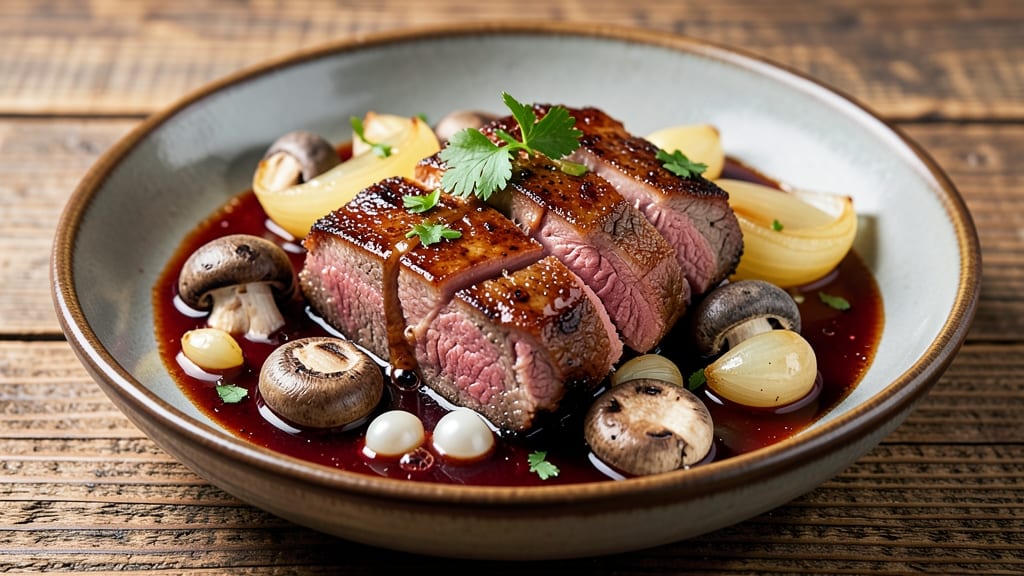
This beef au vin recipe transforms tough beef into melt-in-your-mouth threads bathed in deep, wine-infused sauce—classic French comfort food with restaurant-quality results. The secret lies in slow braising, where red wine reduces into a rich, aromatic sauce that tenderizes the beef while caramelizing onions and mushrooms into sweet, savory perfection.
I developed this version after years of perfecting the balance between bold flavors and foolproof technique, ensuring even home cooks can achieve that signature depth without shortcuts.
The process begins with searing beef in batches to develop a flavorful crust, followed by deglazing the pan with red wine—a critical step that extracts every drop of caramelized fond.
Aromatics like garlic, thyme, and bay leaf infuse the wine as it simmers, creating a sauce that's both complex and approachable. The result is beef that falls apart at the touch, swimming in a sauce that's equally impressive served over mashed potatoes or crusty bread.
What sets this recipe apart is the harmony of textures: fork-tender beef, caramelized mushrooms, and pearl onions that stay intact yet sweet. The wine reduction delivers layers of umami and acidity, cutting through the richness while enhancing every ingredient.
This isn't just a stew—it's a celebration of French technique made accessible, where every bite delivers the essence of a Parisian bistro.
Perfect for special occasions or cozy weeknights, this dish reheats beautifully and tastes even better the next day. The key to success? Patience—allowing the beef and vegetables to braise until they reach peak tenderness. Here's how to make it.
Ingredients for beef au vin
French technique meets home kitchen—where bold flavors transform humble ingredients into bistro-worthy beef au vin.
| Ingredient | Amount | Notes |
|---|---|---|
| Chuck Roast 🥩 | 2 lb | Pre-cut into 1.5-inch cubes |
| Red Wine 🍷 | 2 cups | Bold, dry variety like Cabernet Sauvignon |
| Yellow Onions 🧅 | 1 ½ lb | Sliced into 1/2-inch rounds |
| Button Mushrooms 🍄 | 16 oz | Whole, halved if large |
| Pearl Onions 🧅 | 1 lb | Whole, peeled |
| Garlic Cloves 🧄 | 6 cloves | Smashed, not minced |
| Fresh Thyme 🌿 | 2 tbsp | Leaves only, stems removed |
| Bay Leaves 🍃 | 2 whole | Standard size |
| Beef Broth 💧 | 2 cups | Homemade or high-quality store-bought |
| All-Purpose Flour 🌾 | 2 tbsp | For thickening sauce |
| Cold Butter 🧈 | 2 tbsp | For finishing sauce |
| Kosher Salt 🧂 | 1 ½ tsp | Diamond Crystal preferred |
| Ground Black Pepper 🌶️ | 1 tsp | Freshly cracked |
| Olive Oil 🫒 | 2 tbsp | For initial searing |
The chuck roast is non-negotiable for tender results—look for well-marbled cuts at specialty butchers or the meat counter. Whole Foods or D'Artagnan carry premium selections, but most grocery stores stock reliable options. Pre-cut cubes save time, though trimming excess fat ensures a cleaner sauce. For wine, local vineyards or Trader Joe's offer excellent dry reds at reasonable prices—avoid sweet varieties that won't reduce properly. Pearl onions should be firm and uniform in size, while mushrooms should feel dense without sliminess. Fresh thyme and bay leaves elevate the dish; Penzeys or bulk bins provide superior quality over dried packets.
No red wine? Substitute with beef broth plus 1 tbsp balsamic vinegar—it mimics acidity without alcohol. Pearl onions can be swapped for regular onions (peeled and halved), though they hold shape better. Mushrooms? Shiitake or cremini work equally well. The flour acts as a thickener—arrowroot powder at half the amount creates a glossier finish. For extra depth, add 1 tsp Worcestershire sauce (ensure it's vegetarian if needed). The butter at the end isn't optional—it emulsifies the sauce into velvety perfection. European-style unsalted butter like Plugrá adds nuanced flavor, but any good brand works.
This dish tastes better the next day as flavors meld—reheat gently with extra broth to maintain texture. Store in airtight containers for 4-5 days refrigerated or 3 months frozen. For make-ahead convenience, freeze the braised beef and sauce separately, then reheat together. The wine reduction can be made 1 day ahead—just reheat before adding the beef. For serving, pair with creamy mashed potatoes or crusty baguette to soak up every drop of sauce. Leftovers reheat beautifully in a skillet with a splash of broth to revive richness.
Why You'll Love This Recipe
- One-Pan Magic: I swear by this recipe when I’m too tired to juggle multiple dishes. Chuck roast, wine, and onions all simmer together—no extra pots, no fuss. Just slice, sear, and let the slow cooker or oven do the heavy lifting while I sip my wine (because, priorities).
- Wine-Infused Richness: That deep, savory flavor? Pure red wine magic. The chuck roast turns fork-tender, while the mushrooms and pearl onions soak up all the caramelized goodness—like a cozy hug in a bowl. Honestly, the first time I tasted it, I nearly spilled my glass.
- Leftovers for Days: This dish actually improves the next day. The flavors meld into something even more complex, and it reheats like a dream. I’ve fed my family for three meals straight from one batch—no takeout, no stress, just happy bellies.
- Budget-Friendly Luxury: Chuck roast is affordable, but it feels special. A bottle of red wine and a handful of onions stretch into a restaurant-worthy meal without breaking the bank. Between us, this is my secret for making weeknights feel fancy without the price tag.
Step-by-step instructions for beef au vin
Master this classic French technique for melt-in-your-mouth beef and velvety wine sauce.
Sear the Chuck Roast for Deep Flavor
Heat a Dutch oven over medium-high heat until hot. Add the 2 tablespoons olive oil and swirl to coat the bottom. Working in batches if needed, add the 2 lb chuck roast cubes and sear for 2-3 minutes per side until deeply browned. This caramelization forms the flavor base for your sauce.
Don't crowd the pan—give each piece space to develop that golden crust. Once all pieces are browned, transfer them to a plate and set aside. The residual fat in the pot will become the foundation for your reduction. If needed, add 1 tablespoon olive oil to help deglaze later.
Build the Aromatic Base
In the same Dutch oven, add the 1.5 lb yellow onions and 1 lb pearl onions. Cook for 5-6 minutes until softened and beginning to color. Add the 16 oz button mushrooms and cook for another 5 minutes, stirring occasionally, until they release their moisture and begin to brown.
Here's where the magic happens: add the 6 smashed garlic cloves, 2 whole bay leaves, and 2 tablespoons fresh thyme. Stir for 30 seconds until fragrant—this releases their essential oils into the pan. The onions should be tender but not caramelized yet, and the mushrooms should be golden with any excess liquid evaporated.
Deglaze and Reduce the Wine
Sprinkle the 2 tablespoons all-purpose flour over the vegetables and stir vigorously for 1 minute to coat everything evenly. This creates a roux that will thicken your sauce. Pour in the 2 cups red wine and scrape up all the browned bits from the bottom of the pot with a wooden spoon.
Bring to a simmer and reduce the wine by half—this should take about 8-10 minutes. You're looking for a syrupy consistency where the wine has reduced to about 1 cup of liquid. The sauce should coat the back of a spoon and smell rich with wine aromas. If it reduces too quickly, reduce the heat slightly to maintain gentle simmering.
Braise Until Tender
Return the seared beef to the Dutch oven along with any accumulated juices. Pour in the 2 cups beef broth and bring to a simmer. Add the 1.5 teaspoons kosher salt and 1 teaspoon ground black pepper. Cover tightly with a lid and transfer to a 325°F oven.
Braise for 2.5-3 hours until the beef is fork-tender and shreds easily. The sauce should be thick and glossy, coating the beef completely. Check occasionally to ensure there's enough liquid—if it reduces too much, add 2-3 tablespoons water to maintain moisture. The beef is done when it reaches an internal temperature of 203°F and pulls apart with minimal resistance.
Finish with Butter and Garnish
Remove the beef and vegetables from the sauce and transfer them to a serving platter. Strain the sauce through a fine-mesh sieve into a clean saucepan to remove any impurities. Return the sauce to medium heat and whisk in the 2 tablespoons cold butter until melted and incorporated.
Taste and adjust seasoning if needed—this is your final opportunity to balance flavors. Spoon the sauce over the beef and garnish with additional fresh thyme leaves. Serve immediately with crusty bread or mashed potatoes to soak up every last drop of that luxurious wine sauce. The beef should be so tender it practically falls apart at the touch, with a sauce that's rich, velvety, and perfectly balanced between wine acidity and meaty depth.
Pro Tips For Making Beef Au Vin
- Sear the Roast Hard: Chuck roast needs that deep, dark crust to stay tender, so don’t skimp on the sear. Use a heavy pan—cast iron if you have it—and let it sit undisturbed for 3-4 minutes per side until it’s got a rich, caramelized layer. I learned this the hard way when my first attempt came out gray and dry.
- Deglaze Immediately: As soon as you pull the roast out, hit that pan with the red wine right away—no waiting. The fond stuck to the bottom is pure flavor gold, and letting it cool turns it into a gummy mess. Add a splash of beef stock to help it loosen, then scrape like you’re trying to win a cooking contest.
- Trim Pearl Onions Precisely: Those little pearl onions? Cut them in half lengthwise before adding them to the pot—whole ones stay stubbornly undercooked. I used to peel and quarter them like regular onions, and they’d turn to mush instead of caramelizing beautifully. A quick trim makes all the difference.
- Simmer Low and Slow: After the initial sear and deglazing, drop the heat to a bare simmer—think tiny bubbles, not rolling. Too much heat and your wine will evaporate into nothing, leaving you with a sad, alcohol-free sauce. Cover the pot and let it work its magic for at least 2.5 hours (3-4 for extra tenderness). Patience here is your friend.
Troubleshooting this recipe
Sauce Too Thin?
If your sauce isn't thickening as expected during braising, don't panic—this happens when the wine reduction isn't concentrated enough. After the initial reduction, whisk in 1 tablespoon cornstarch mixed with 2 tablespoons cold water and simmer for 3-5 minutes until thickened.
Alternatively, remove the beef and reduce the sauce uncovered on the stovetop until syrupy, then return the beef to reheat. I've found that straining the sauce through a fine-mesh sieve before finishing with butter removes impurities that can prevent proper thickening. 🌡️
Beef Still Tough?
Undercooked beef is the most common issue, but it's easily fixed with patience. If your chuck roast isn't tender after 3 hours, extend the braising time by 30 minutes to 1 hour—the collagen will continue breaking down.
For extra insurance, add ½ cup beef broth when checking, then cover and return to the oven. I've had success with pressure cooking (30 minutes on high pressure) for quicker results, though traditional braising builds deeper flavor. Always check internal temperature with a meat thermometer—203°F is your target. 💡
Wine Taste Overpowering?
The wine should complement, not dominate, the dish. If your sauce tastes too acidic or boozy, balance it by adding 1 teaspoon brown sugar or ½ teaspoon Dijon mustard to mellow the acidity.
For alcohol-free versions, substitute 2 cups beef broth + 1 tablespoon balsamic vinegar (as mentioned in the notes). Deglaze with half the wine (1 cup) and reduce it fully before adding broth—this concentrates the flavor without overwhelming the dish. Taste as you go! 🍷
Vegetables Mushy?
Pearl onions and mushrooms should stay firm but tender—if they're turning to mush, they've absorbed too much liquid. To prevent this, add the pearl onions and mushrooms to the pot only after the beef has been braising for 1 hour.
This way, they cook quickly in the residual heat without over-softening. For extra structure, parboil them for 3 minutes before adding to the Dutch oven. I've also had success adding them only in the last 30 minutes of cooking. 🥕
Dutch Oven Too Small?
If your Dutch oven is overcrowded, the beef won't brown properly, and the vegetables will steam instead of caramelize. For tight spaces, sear the beef in batches (even 3-4 pieces per sear) and set aside.
Use a large skillet for initial browning if needed, then transfer everything to the Dutch oven for braising. If your pot lacks depth, use a heavy-bottomed saucepan instead—just ensure it has a tight-fitting lid for even heat distribution. 🔥
Sauce Separating?
A separated sauce usually means the fat and liquid haven't emulsified properly. To fix this, whisk in 1 tablespoon cold butter (or a 1:1 butter-to-sauce ratio) while simmering gently—this binds the sauce. For a smoother finish, strain the sauce through a fine-mesh sieve before adding the butter.
If the sauce is still grainy, blend it briefly with an immersion blender (though this removes texture). The cold butter trick is my go-to for instant velvety results. 🧈
Nutrition facts
Frequently asked questions
Can I use a different cut of beef instead of chuck roast?
While chuck roast is ideal for its marbling and tenderness, you can substitute with stew beef or brisket—both work well with long braising. Avoid lean cuts like sirloin or filet mignon, as they'll dry out. If using brisket, trim excess fat and cut into 1.5-inch cubes for even cooking.
How do I know when the wine reduction is ready?
The wine is perfectly reduced when it's syrupy and coats the back of a spoon—about 1 cup remaining. It should smell rich with wine aromas and take 8-10 minutes to reduce. If it evaporates too quickly, lower the heat slightly to maintain a gentle simmer.
Can I make this recipe ahead of time?
This dish tastes even better the next day! Store in an airtight container for 4-5 days refrigerated or 3 months frozen. Reheat gently with a splash of beef broth to restore moisture. The flavors deepen as the sauce and beef meld over time.
What if I don't have a Dutch oven?
Use a heavy-bottomed saucepan or large skillet with a lid. Ensure it has a tight-fitting lid for even heat distribution. If your pan lacks depth, sear the beef in batches and transfer everything to the saucepan for braising.
How can I make this dish vegetarian?
Replace the beef with mushroom or lentil stew (use 1.5 cups cooked lentils or 1 lb portobello mushrooms sliced thick). Keep the wine reduction and braising time the same, but reduce to 1.5 hours since vegetables cook faster. Add 1 tbsp soy sauce for umami depth.