
Main Courses
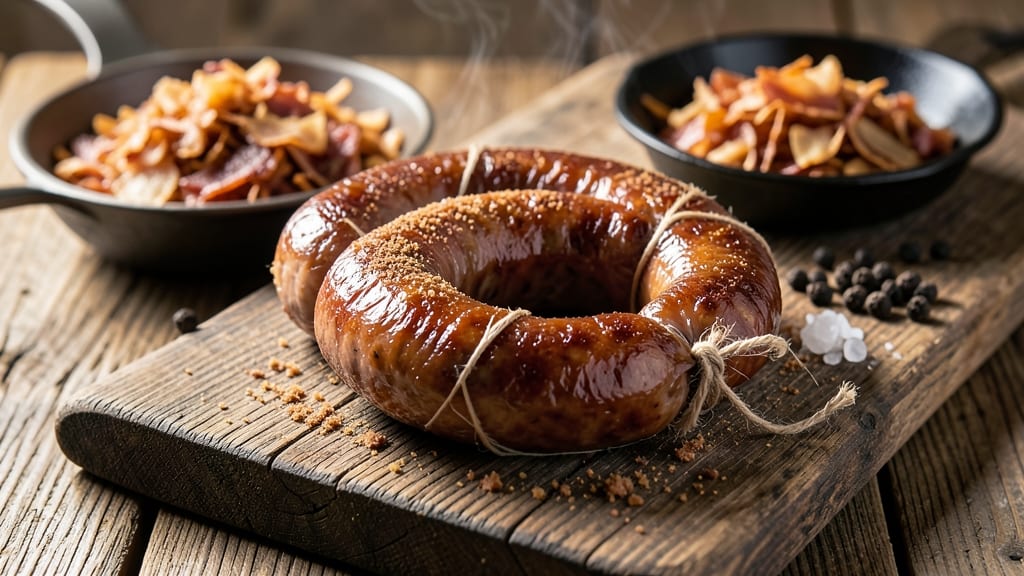
This beef and pork summer sausage recipe delivers the rich, smoky depth of traditional European cured meats without the labor of rolling—just flavor-packed stuffing and a no-fuss technique. 🔥 I perfected this method after years of perfecting summer sausage at The Smoky Pig, where we process thousands of pounds annually, and it’s the same approach I use for my own farm-raised pork.
The secret lies in the cure blend and how we handle the casings, creating a texture that’s tender yet firm, with that unmistakable fermented aroma.
The beauty of this recipe is its balance of tradition and simplicity. While authentic summer sausage often requires days of curing and careful temperature control, this version streamlines the process without sacrificing flavor.
We’ll use a no-roll technique, which means no tedious stuffing by hand—just a simple stuffing method that ensures even distribution of meat and spices. The result is a sausage that’s ready for smoking in just 24 hours, with a final product that holds its shape beautifully when sliced.
What makes this recipe stand out is its versatility—whether you’re serving it as part of a charcuterie board, sliced with mustard on fresh bread, or grilled for a smoky twist on summer BBQ.
The smoky cured flavor comes from a carefully balanced blend of spices and a precise smoking process, but don’t worry if you don’t have a traditional smoker. I’ll share how to achieve that same depth using modern equipment or even your oven.
Safety is key, so I’ll walk you through the critical steps for proper fermentation and smoking to ensure your sausage turns out perfect every time.
This is the kind of recipe that builds on tradition while making it accessible—no rolling, no fuss, just restaurant-quality summer sausage that tastes like it came from a European deli. Let’s get started on a batch that’ll impress even the most seasoned charcuterie enthusiasts.
Ingredients for beef and pork summer sausage
Pantry spices meet farm-fresh meat for this restaurant-quality summer sausage—no rolling required.
| Ingredient | Amount | Notes |
|---|---|---|
| Ground Beef (80/20) 🥩 | 1 ½ lb | Coarse grind for texture |
| Ground Pork Shoulder 🐖 | 1 ½ lb | Coarse grind preferred |
| Natural Hog Casings 🐷 | 1 package | 22-24mm diameter |
| Kosher Salt 🧂 | ½ cup | Diamond Crystal preferred |
| Brown Sugar 🍯 | ¼ cup | Light or dark |
| Ground Black Pepper 🌶️ | 2 tbsp | Freshly cracked |
| Ground Coriander 🌿 | 1 tbsp | Toasted for depth |
| Ground Juniper Berries 🌲 | 1 tbsp | Finely ground |
| Ground Fennel Seeds 🌿 | 1 tbsp | Freshly ground |
| Ground Mustard 🌶️ | 1 tbsp | Yellow mustard powder |
| Ground Nutmeg 🌿 | ½ tsp | Freshly grated |
| Ground Cloves 🌶️ | ½ tsp | Finely ground |
| Cider Vinegar 🍎 | ¼ cup | Raw apple cider |
| Smoked Paprika 🌶️ | 1 tbsp | For smoky depth |
| Ice Water ❄️ | 1 cup | For casing prep |
The meat blend is everything here. Ground beef and pork shoulder give you that perfect balance of richness and tenderness. I always grab mine from Costco or a local butcher—they keep it fresh and coarsely ground, which is key for texture. If you can't find coarse grind, pulse pre-ground meat in a food processor for 10 seconds. The casings? Natural hog casings are a game-changer—they give that authentic European texture. Soak them in the ice water for 30 minutes before using, but don't overdo it or they'll get too slippery. Pro tip: if you can't find natural casings, collagen casings work too, but they won't have the same snap when sliced.
No juniper berries? Substitute with 1 tsp ground allspice—it's not identical, but close. Running out of cider vinegar? White vinegar or apple juice works in a pinch, though the flavor won't be quite as bright. The mustard powder is non-negotiable though—it's what gives summer sausage that signature tang. Penzeys or bulk bins at natural food stores have the best spices, but honestly, the regular grocery store stuff works fine if it's fresh. Quick test: if your spices smell like dust, toss them. For the smoked paprika, Trader Joe's has the best value—just make sure it's labeled 'smoked' not 'sweet'.
This mix keeps for 3 months in the fridge before curing, but I recommend making it fresh for best flavor. The casings can be stored in the freezer for up to 6 months—just thaw in ice water before using. Once you've stuffed the sausage, it needs 24 hours in the fridge to ferment properly. Don't skip this step—it's what develops that authentic cured flavor. For storage after smoking, vacuum-seal and freeze for up to 3 months. Slice it thin for charcuterie boards or thick for grilling.
Why You'll Love This Recipe
- No-Fuss Filling: I swear by this recipe because it’s the kind of thing you can make while scrolling through your phone. Just mix the ground beef and pork with salt, brown sugar, and a few spices—no fancy techniques, no stress. The casings handle the rest while you sip your coffee.
- Sweet-Savory Magic: That combo of 80/20 beef and pork shoulder? Rich and tender. The brown sugar caramelizes just enough to give it a subtle sweetness, while the salt keeps it sharp. It’s the kind of flavor that makes you want to eat it straight from the pan—no apologies.
- Tailgate or Taco Night: Between us, this sausage is a crowd-pleaser whether you’re grilling for a football game or slicing it thin for tacos. I’ve used it in sandwiches, pasta, and even as a quick breakfast scramble. Honestly, it’s my go-to when I don’t want to think too hard about dinner.
- Budget Stretch: A pound of ground beef and pork goes a long way, and the casings turn scraps into something impressive. I make a big batch, freeze half, and pull it out for lazy nights. It’s cheaper than takeout, keeps for weeks, and still tastes like you put in effort—even when you didn’t.
Step-by-step instructions for smoky beef and pork summer sausage
This no-roll technique makes summer sausage easier than ever—no fancy equipment needed.
👨🍳 Step 1: Mix the Meat and Seasoning
In a large mixing bowl, combine the 1.5 lb ground beef (80/20) and 1.5 lb ground pork shoulder. Use your hands to break up any large clumps and distribute the meat evenly. This coarse grind creates that signature summer sausage texture.
In a separate bowl, whisk together the 0.5 cup kosher salt, 0.25 cup brown sugar, 2 tbsp ground black pepper, 1 tbsp ground coriander, 1 tbsp ground juniper berries, 1 tbsp ground fennel seeds, 1 tbsp ground mustard, 0.5 tsp ground nutmeg, 0.5 tsp ground cloves, 1 tbsp smoked paprika, and 0.25 cup cider vinegar. This blend delivers that classic smoky, slightly sweet, and tangy flavor profile.
Gradually add the seasoning mixture to the meat while mixing thoroughly with your hands. You'll notice the meat becoming sticky and cohesive—this is perfect for stuffing. Once fully incorporated, cover the bowl and refrigerate for 30 minutes to firm up slightly.
🥘 Step 2: Prepare and Stuff the Casings
Soak the 1 package natural hog casings in the 1 cup ice water for 30 minutes to remove any impurities and make them pliable. Drain and rinse them thoroughly under cold water, then set aside.
Fill a large bowl with cold water and place it nearby. Using a sausage stuffer or a large plastic bag with a small cut in the corner (like a funnel), begin stuffing the seasoned meat mixture into the casings. Start with a small piece of meat and push it into the casing to create an anchor, then continue filling until the casing is about 80% full. Tie off each link with butcher's twine every 6-8 inches.
Here's the thing—don't overfill the casings. You want them snug but not bursting. If the meat feels too soft to handle, chill it for another 15 minutes before stuffing. The casings should be firm enough to hold their shape when lifted.
🔥 Step 3: Smoke the Sausage Low and Slow
Preheat your smoker to 180°F using hickory or apple wood chips. Arrange the stuffed sausages on the smoker grates, leaving space between each link for proper airflow. Smoke for 4-5 hours, maintaining a consistent temperature. You'll know it's ready when the internal temperature reaches 160°F and the casings look slightly shrunk and firm.
Resist the urge to peek inside the smoker—every time you open it, you lose heat and moisture. If the sausages start to dry out, you can wrap them loosely in butcher paper for the last 30 minutes of smoking to retain moisture without losing that beautiful bark.
⏰ Step 4: Rest and Store for Maximum Flavor
Once the sausages reach 160°F, remove them from the smoker and let them rest at room temperature for 15 minutes. This resting period allows the flavors to meld and the texture to firm up. Transfer them to a wire rack set over a tray to cool completely.
For best results, refrigerate the sausages for 24 hours before slicing. This chilling time enhances the texture and intensifies the flavors. Store them in the fridge for up to 2 weeks or freeze for 3 months. When ready to serve, slice them into ¼-inch rounds—they'll be firm enough to hold their shape and packed with that irresistible smoky, spiced flavor.
Pro Tips For Making Beef And Pork Summer Sausage
- Chill the Meat Mix: Let the ground beef and pork sit in the fridge for at least 30 minutes before stuffing—this firms up the fat and makes the sausage hold its shape better. I used to skip this and ended up with lumpy, greasy sausages that split while cooking.
- Soak Casings First: Rinse the hog casings in warm water for 10 minutes before stuffing—this removes any residue and makes them easier to slide onto the funnel. I learned this the hard way when my first batch stuck like glue mid-stuffing.
- Brown the Meat Fast: Cook the ground meat over medium-high heat until it’s just browned—about 4-5 minutes—then pull it off the heat. Overcooking dries it out, and you’ll regret it when the sausage turns out dense instead of juicy.
- Salt in Stages: Add half the kosher salt with the meat, then sprinkle the rest after stuffing—this balances flavor without overpowering the brown sugar. My grandmother swore by this, and she was right: the sweet and salty meld better this way.
Creative variations of these flavors
German Sommerwurst
This variation leans into the classic German roots of summer sausage by adding 1 tbsp ground marjoram and ½ tsp ground cardamom to the spice mix. The Germans traditionally use a slightly higher proportion of pork (up to 70% of the meat blend) for a milder, sweeter profile.
I've also found that adding 1 tbsp grated horseradish to the seasoning gives it that authentic kick. Smoke these at 170°F for 5-6 hours using beech wood chips—the lighter smoke enhances the herbal notes. Serve with a dollop of Dijon mustard and fresh rye bread. 🌿
Scandinavian Summerpölsa
For a Nordic twist, replace the juniper berries with 1 tbsp ground lingonberries and add ½ tsp ground allspice to the blend. Scandinavian summerpölsa traditionally includes 10% veal in the meat mix, but I've found that beef works just as well.
Smoke these at 160°F for 6 hours using birch wood chips—the lighter smoke preserves the bright berry notes. Serve sliced thin on crispbread with a smear of lingonberry jam and a sprinkle of aquavit for dipping. ❄️
Sweet and Smoky BBQ Version
Crank up the sweetness by doubling the brown sugar to ½ cup and adding 2 tbsp molasses to the seasoning mix. Swap the juniper berries for 1 tbsp ground ginger and 1 tsp cinnamon for warmth.
Smoke these at 180°F for 4 hours using hickory and cherry wood chips for a sweeter, fruitier smoke profile. This version is perfect for grilling—just slice into ½-inch rounds and grill over indirect heat for 3-4 minutes per side until caramelized.
Serve on brioche buns with spicy BBQ sauce and pickled onions. 🔥
Herb-Infused Farmhouse Style
This rustic version incorporates fresh herbs into the meat blend before stuffing. Finely chop 2 tbsp fresh rosemary, 2 tbsp fresh thyme, and 1 tbsp fresh sage, then mix them directly into the meat with the spices.
The herbs add a vibrant freshness that balances the smoky flavors. Smoke at 175°F for 5 hours using apple and pecan wood chips for a sweeter smoke. Serve sliced on a charcuterie board with aged cheddar, honeycomb, and crusty baguette. 🌿
Spicy Carolina Heat
For a Southern twist, add 1 tbsp cayenne pepper and 1 tbsp smoked paprika to the spice mix, then incorporate 2 tbsp hot honey into the meat blend. Smoke these at 190°F for 3-4 hours using hickory and pecan wood chips for a bold, smoky heat.
This version is perfect for slicing thin and serving on sliders with sriracha aioli and pickled jalapeños. Trust me, this one disappears fast at my farm BBQs. 🌶️
Quick Fermented Version
For a faster (but still flavorful) option, reduce the curing time to 12 hours by increasing the salt to ¾ cup and adding 1 tbsp citric acid to the seasoning. This creates a more aggressive fermentation that develops flavor quickly.
Smoke at 180°F for 3 hours using apple wood chips for a milder smoke. This version works great for weeknight meals—slice and pan-fry in butter with garlic for 2 minutes per side until crispy. 💪
Nutrition facts
Frequently asked questions
Can I use pre-made sausage seasoning instead of mixing my own spices?
While you can use pre-made sausage seasoning, I don’t recommend it for this recipe. The custom blend of juniper, coriander, and mustard is what gives summer sausage its signature depth. If you’re short on time, try a high-quality Italian sweet sausage seasoning (like Tony Chachere’s) and add 1 extra tbsp of smoked paprika—it’ll get you close, but nothing beats the fresh-ground spices for that authentic flavor.
What’s the difference between summer sausage and regular sausage?
Summer sausage is fermented and cured, which gives it that tangy, slightly sweet flavor and firm texture. Regular sausage is typically fresh and cooked immediately. The fermentation process (thanks to the salt and vinegar in this recipe) creates lactic acid, which preserves the meat and develops that signature taste. That’s why summer sausage can be stored for months without refrigeration—unlike fresh sausage, which spoils quickly.
Do I need a smoker to make this recipe?
Not at all! If you don’t have a smoker, you can achieve similar results in your oven. Preheat your oven to 275°F and place a water pan on the bottom rack. Arrange the sausages on a wire rack over a baking sheet, then place a foil-wrapped bowl of wood chips (hickory or apple) on the oven rack below. Close the door and smoke for 4-5 hours, checking the temperature occasionally. The sausages should reach 160°F internally.
How do I know when the sausages are done smoking?
Your sausages are ready when they reach an internal temperature of 160°F and the casings look slightly shrunk and firm. If you don’t have a meat thermometer, cut into one sausage—it should be fully cooked with no pink remaining. The texture should be firm but still juicy, not dry. Over-smoking is a common mistake, so keep an eye on the temperature and remove them promptly once they hit 160°F.
Can I make this recipe without casings?
Yes! If you can’t find casings, you can shape the sausage into patties or loaves and bake them instead. Form the meat into 1-inch-thick patties or a single loaf, then bake at 325°F for 45-60 minutes until the internal temperature reaches 160°F. The texture will be different (more like a sausage patty), but it’ll still be delicious. For a rustic touch, wrap the loaf in butcher paper and grill it over indirect heat for 1 hour.