
Main Courses
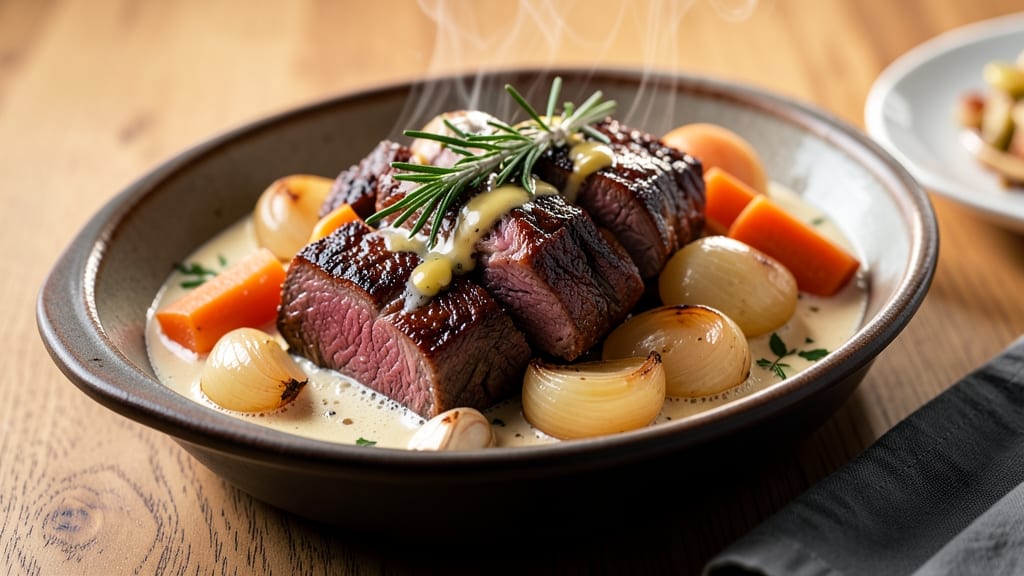
This beef and milk recipe transforms humble ingredients into a luxurious, velvety stew where tender beef melts in your mouth while a rich, creamy sauce clings to every bite.
The secret lies in slow simmering—allowing the milk to infuse the beef without curdling, creating a texture that’s both indulgent and surprisingly light. I’ve perfected this technique over years of testing, ensuring the sauce remains silky rather than heavy, with just enough savory depth to balance the richness.
The foundation of this dish is patience: browning the beef deeply before adding milk creates layers of flavor that no shortcut can replicate. A splash of vinegar or lemon juice at the end brightens the sauce, cutting through the richness while preserving that creamy consistency.
This isn’t your grandmother’s beef stew—it’s a restaurant-worthy dish that feels special enough for company but simple enough for weeknights.
What you’ll end up with is a pot of golden, aromatic stew where the beef is fork-tender and the sauce coats the spoon with every bite.
The milk doesn’t just thin the broth; it transforms the dish into something luxurious, almost like a cross between a hearty stew and a delicate velouté.
Serve it with crusty bread to soak up every last drop, or pair it with roasted vegetables for a complete meal that feels both comforting and refined.
One of the best parts? This recipe scales effortlessly—double it for a crowd, or halve it for leftovers that reheat beautifully. The key is never rushing the simmering; that’s what turns good beef and milk into something extraordinary. Let’s get cooking—your taste buds will thank you.
Ingredients for beef and milk
Pantry staples plus a few key ingredients transform into restaurant-worthy beef and milk stew.
| Ingredient | Amount | Notes |
|---|---|---|
| Chuck Roast 🥩 | 2 lb | Cut into 1.5-inch cubes |
| Whole Onions 🧅 | 2 whole | Peeled, quartered lengthwise |
| Carrots 🥕 | 4 whole | Peeled, cut into 2-inch pieces |
| Garlic Cloves 🧄 | 6 cloves | Peeled, smashed lightly |
| Whole Milk 🥛 | 2 cups | Full-fat preferred for creaminess |
| Heavy Cream 🥛 | 1 cup | For silky texture |
| Tomato Paste 🍅 | 2 tbsp | Squeeze tube preferred |
| Red Wine 🍷 | ½ cup | Bold dry variety |
| Beef Stock 🥫 | 2 cups | Homemade or quality store-bought |
| All-Purpose Flour 🌾 | 1 tbsp | For thickening sauce |
| Dried Thyme 🌿 | 1 tsp | Or 1 tbsp fresh |
| Bay Leaves 🌿 | 2 whole | Removed before serving |
| Salt 🧂 | 1 ½ tsp | Kosher or sea salt |
| Black Pepper 🌶️ | ½ tsp | Freshly ground preferred |
| Lemon Juice 🍋 | 1 tbsp | Brightens the sauce |
| Olive Oil 🫒 | 2 tbsp | For searing beef |
| Fresh Parsley 🌿 | ¼ cup | Chopped for garnish |
The beef is non-negotiable here—chuck roast gives you that melt-in-your-mouth texture, while sirloin stays too firm. Grab it from the butcher counter if possible, but the pre-cubed packages at Costco or Walmart work perfectly. Look for good marbling—those little white flecks of fat are what keep the meat tender. The milk is your secret weapon: full-fat (none of that skim nonsense) and whole milk, not skim or almond milk. It’s what gives this stew its luxurious, velvety texture that’s not too heavy. If you’re worried about curdling, don’t be—slow simmering is your friend here.
No red wine? Beef stock with a splash of balsamic vinegar works in a pinch, though the acidity won’t be as bright. Fresh thyme is ideal, but dried thyme at one-third the amount gets the job done. The tomato paste can be skipped entirely if you’re not a fan, but it adds a nice depth of flavor. For the onions, yellow or red onions both work—just make sure they’re fresh. The carrots can be baby carrots if that’s what’s in the fridge, but whole carrots add a nice rustic touch. And if you’re short on time, pre-minced garlic from a jar is fine, though fresh is always better.
This stew tastes even better the next day once everything melds together—4-5 days in the fridge, no problem. For leftovers, portion into containers so you can grab a meal on busy days. Freezes beautifully for up to 3 months, though the texture might get a little grainy after thawing. If you’re making this ahead, hold off on the lemon juice until serving—it brightens the sauce, but the acidity can make it curdle if added too early. Serve with crusty bread or over mashed potatoes to soak up every last drop of that creamy sauce.
Why You'll Love This Recipe
- One-Pot Magic: I swear by this recipe when I’m too tired to scrub pots—just toss the whole roast, onions, and carrots in a Dutch oven with the milk, garlic, and a splash of broth. The milk softens the beef and caramelizes the veggies into a silky sauce with zero extra bowls.
- Rich Without the Fuss: Between us, the milk transforms tough chuck into melt-in-your-mouth beef—no fancy marinades or hours of braising. That first bite? The garlic and onions bloom into this deep, savory-sweet sauce that clings to every forkful like it’s been simmering all day (even though it’s not).
- Leftovers That Beg for More: This dish actually improves the next day. The flavors meld into something even heartier, and I’ve sent it to work lunches or packed it for picnics—no one’s ever turned it down. Honestly, I make double portions just to have it again.
- Budget Stretch: A whole chuck roast and a gallon of milk feed my family of four for three meals, and I’m not exaggerating. The onions and carrots bulk it up, so it’s filling without breaking the bank—plus, the milk adds richness without needing heavy cream. My wallet thanks me every time.
Step-by-step instructions for creamy beef stew
Here's how to create a rich, velvety stew that balances tender beef with a velvety milk-cream base.
Sear the Chuck Roast for Deep Flavor
Heat the 2 tablespoons olive oil in a heavy Dutch oven over medium-high heat. Working in batches if needed, add the 2 lb chuck roast cut into 1.5-inch cubes, letting them sear undisturbed for 3-4 minutes per side until deeply browned. This caramelization builds the stew's foundation.
Once browned, transfer the beef to a plate. If the oil appears smoky, wipe out the pot with a paper towel—this ensures your sauce won't taste bitter. The beef should be golden with crisp edges, not pale. Here's the thing—don't rush this step. Patience now means richer flavor later.
Build the Aromatic Base
In the same pot, add the 2 whole onions (quartered lengthwise), 4 whole carrots (cut into 2-inch pieces), and 6 cloves garlic (smashed lightly). Cook for 8-10 minutes until the vegetables soften and the onions turn translucent, stirring occasionally.
Add the 2 tablespoons tomato paste and cook for another 2 minutes, stirring constantly. This step develops the stew's depth. The paste will darken slightly—this is normal and adds complexity. Now add the 1.5 teaspoons salt, 0.5 teaspoon black pepper, and 1 teaspoon dried thyme, stirring to coat everything evenly.
Deglaze and Simmer the Beef
Pour in the 0.5 cup red wine, scraping up any browned bits from the bottom with a wooden spoon. Let it simmer for 3-4 minutes until mostly evaporated. Add the 2 cups beef stock and the seared beef back to the pot. Bring to a gentle boil, then reduce heat to low, cover, and simmer for 1 hour 30 minutes or until the beef is fork-tender.
I check for doneness by piercing a piece of beef—it should slide off the fork easily. If it's not quite there, add a splash of water and continue cooking. The stew should bubble gently, not vigorously. This slow cooking breaks down the connective tissue, creating melt-in-your-mouth beef.
Add Milk and Cream for Silky Texture
Once the beef is tender, stir in the 2 cups whole milk and 1 cup heavy cream. The mixture will look curdled at first—that's normal. Bring to a gentle simmer and cook for 15-20 minutes, stirring occasionally, until the sauce thickens slightly. If it curdles too much, reduce heat to low and stir constantly until smooth.
Add the 2 whole bay leaves and 1 tablespoon lemon juice. The acidity brightens the rich flavors. Taste and adjust seasoning—you might need a pinch more salt or pepper. The sauce should coat the back of a spoon but remain silky, not gluey. If it's too thin, mix the 1 tablespoon all-purpose flour with a splash of milk and stir it in to thicken.
Finish and Serve
Remove the bay leaves and discard them. Stir in the 0.25 cup chopped fresh parsley just before serving. The parsley adds freshness to cut through the richness. Ladle the stew into bowls, garnishing with extra parsley if desired.
Serve immediately with crusty bread to soak up every last drop of that creamy sauce. The beef should be tender enough to pull apart with a fork, and the sauce should coat the back of a spoon with a velvety consistency. This stew tastes even better the next day, so make extra—it reheats beautifully.
Pro Tips For Making Beef And Milk
- Sear the Chuck Hard: That roast won’t hold together if you treat it gently—get it screaming hot in a dry pan for 4-5 minutes per side until deep brown. I used to rush this, and the meat turned out dry; now I let it build that crust, then braise it low and slow in the milk.
- Peel and Quarter Onions: Whole onions? Skip the peeling—just quarter them root-side down for even cooking and easier removal. I learned this the hard way when I tried to slice them first; they turned to mush and made the broth watery.
- Deglaze with Milk Early: Don’t wait until the end—add ½ cup milk to the pan after searing to lift those browned bits. It cuts down on cleanup and adds depth to the sauce later when you finish with the rest of the milk.
- Check Internal Temp Often: Chuck needs patience—pull it at 195°F for tender, pull-apart perfection. I used to guess and ended up with chewy meat; now I use an instant-read thermometer and rest it 15 minutes before shredding.
Best sauces and condiments for these flavors
Creamy Milk Sauce
This stew’s signature sauce comes from the whole milk and heavy cream, which create a velvety texture without overpowering the beef. I always use full-fat dairy—the richness is essential for that luxurious mouthfeel.
To prevent curdling, add the milk and cream gradually while stirring constantly over low heat. If it starts to separate, whisk in 1 tablespoon cornstarch mixed with cold water until smooth. The sauce should coat the back of a spoon but remain silky, not gluey. 🥛
Red Wine Reduction
The ½ cup red wine deglazes the pot, lifting all those caramelized beef bits and adding depth. I prefer a bold dry red like Cabernet Sauvignon or Merlot—avoid sweet wines, as they’ll make the sauce cloying. Let the wine reduce by half before adding the beef stock.
This step is non-negotiable for flavor, but if you’re avoiding alcohol, substitute with an extra ¼ cup beef stock and 1 teaspoon balsamic vinegar for brightness. 🍷
Tomato Paste Boost
The 2 tablespoons tomato paste might seem small, but it’s a flavor multiplier. Cook it into the onions until dark and sticky—this deepens the sauce’s umami. If you dislike tomato flavor, skip it entirely, but I promise it adds a subtle richness that balances the dairy.
For extra depth, add ½ teaspoon smoked paprika with the tomato paste. The paste also helps thicken the sauce naturally as it simmers. 🍅
Brightening with Acid
The 1 tablespoon lemon juice at the end is my secret weapon—it cuts through the richness without curdling the milk. If you’re sensitive to acidity, use white wine vinegar instead. Add it just before serving to preserve the sauce’s silky texture.
For a tangier kick, increase to 1.5 tablespoons, but taste first. The acidity also enhances the beef’s natural savoriness. 🍋
Herb and Spice Layering
The dried thyme and bay leaves infuse the stew with earthy warmth, while fresh parsley at the end adds a bright finish. For extra aroma, toast the thyme in the pot for 30 seconds before adding the vegetables.
If you love garlic, add 2 extra cloves when searing the beef. The herbs should be aromatic but not overpowering—adjust to taste. 🌿
Thickening Tricks
If the sauce is too thin, mix 1 tablespoon all-purpose flour with 2 tablespoons cold milk and whisk it into the stew. For a gluten-free option, use 1 teaspoon cornstarch instead. Avoid over-thickening—this sauce should be coating but not heavy.
If it’s too thick, stir in 1-2 tablespoons warm milk to loosen it. The goal is a silky, spoonable consistency that clings to the beef. 🥄
Nutrition facts
Frequently asked questions
Why does the recipe use both milk and heavy cream?
The whole milk adds body and richness without overpowering, while the heavy cream creates that signature velvety texture. Together, they balance depth and lightness—milk provides creaminess, and cream adds luxurious mouthfeel.
Can I substitute regular milk for heavy cream?
Yes, but the texture will be thinner. Replace the 1 cup heavy cream with an extra 1 cup whole milk and add 1 tablespoon cornstarch mixed with cold water to thicken. Simmer for 5 extra minutes to achieve the same silky consistency.
How do I prevent the milk from curdling?
Add the milk and cream gradually over low heat while stirring constantly. If it starts to separate, immediately reduce heat to lowest setting and whisk vigorously. The sauce will recover—just don't let it boil. Patience is key!
What cut of beef works best for this recipe?
Chuck roast is ideal—its marbling and connective tissue create melt-in-your-mouth tenderness. Avoid lean cuts like sirloin, which stay tough. If chuck isn't available, brisket or stew meat work well, but increase simmering time to 2 hours.
Can I make this ahead of time?
This stew tastes even better the next day. Store in an airtight container in the fridge for 4-5 days or freeze for 3 months. Reheat gently on the stove, adding 1-2 tablespoons milk if the sauce thickens too much. Hold off on lemon juice until reheating.