
Main Courses
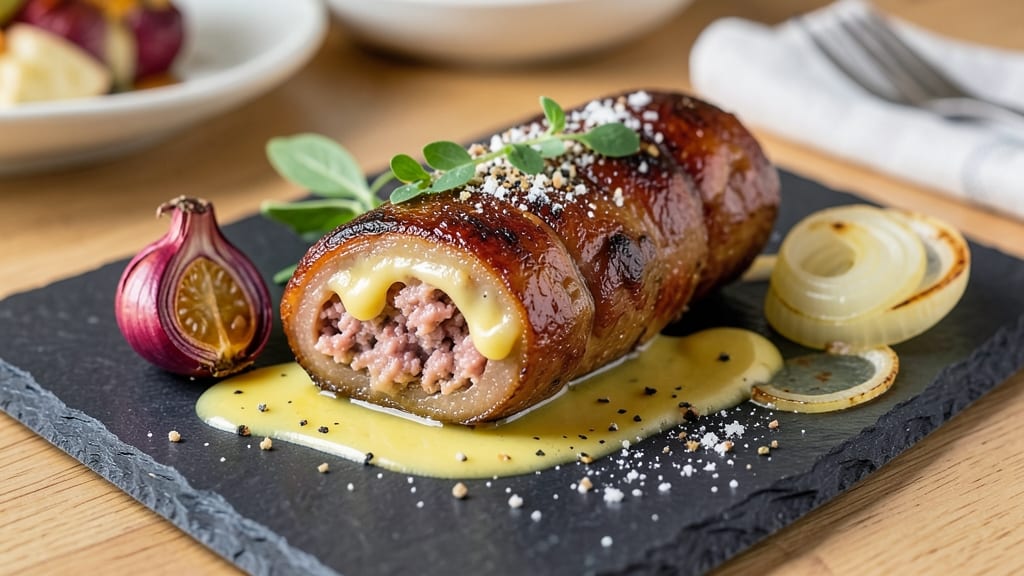
This beef and cheese sausage recipe delivers restaurant-quality flavor right in your kitchen with a crispy exterior and gooey, melty cheese center. 🔥 The secret lies in balancing ground beef with sharp cheddar and a pinch of spices, then searing them to golden perfection in a skillet.
I've perfected this technique over years of testing—no fancy equipment, just simple ingredients and a foolproof method that works every time. What sets this recipe apart is the texture contrast: a crispy, caramelized crust that gives way to tender, juicy beef and pockets of melted cheese.
The key is cooking the sausage low and slow at first, then cranking up the heat to create that irresistible crust. It’s the kind of dish that transforms a weeknight dinner into something special without requiring hours in the kitchen.
By the time you’re done, you’ll have sausage links that are impossible to resist—ideal for grilling, pan-frying, or even baking. The rich, savory flavor pairs perfectly with roasted vegetables, crusty bread, or a fresh salad. This recipe is designed to impress, whether you're feeding a family or hosting guests.
Ready to make sausage that tastes like it came from a butcher shop? Let’s get started with the ingredients and step-by-step instructions that guarantee success.
Ingredients for beef and cheese sausage
These twelve simple ingredients create restaurant-worthy sausage with crispy edges and melty centers.
| Ingredient | Amount | Notes |
|---|---|---|
| Ground Beef (80/20) 🥩 | 1 ½ lb | Freshly ground for best texture |
| Sharp Cheddar Cheese 🧀 | 1 cup | Shredded, not pre-shredded (the good stuff) |
| Large Eggs 🥚 | 2 whole | Room temperature for even mixing |
| All-Purpose Flour 🌾 | ½ cup | For binding the sausage mixture |
| Garlic Cloves 🧄 | 3 cloves | Minced for aromatic depth |
| Yellow Onion 🧅 | ½ cup | Finely diced, not pre-minced |
| Ground Black Pepper 🌶️ | 1 tsp | Freshly cracked for sharpness |
| Kosher Salt 🧂 | 1 ½ tsp | Diamond Crystal preferred |
| Smoked Paprika 🌶️ | ½ tsp | For subtle smokiness |
| Extra-Virgin Olive Oil 🫒 | 1 tbsp | For searing and crisping |
| Unsalted Butter 🧈 | 1 tbsp | For extra richness |
| Fresh Parsley 🌿 | ¼ cup | Chopped, for garnish (optional) |
The ground beef is the foundation—80/20 fat ratio ensures juiciness and crispiness. Grab it from the butcher counter if possible; pre-packaged works too, but avoid anything with fillers. For the cheese, sharp cheddar is non-negotiable—it melts beautifully and adds depth. If you can't find it pre-shredded (the good stuff), grab a block and shred it yourself—it melts like a dream. The eggs should be room temperature when you mix them in for even distribution. Freshly ground spices make all the difference, so if you've got them, toast the paprika and pepper in a dry pan for 30 seconds before adding to the mix.
No sharp cheddar? Pepper jack or smoked Gouda work in a pinch, though the flavor will differ. Running low on eggs? Flax eggs (1 tbsp ground flax + 3 tbsp water per egg) can replace them, though texture will be slightly denser. The onion and garlic can be swapped for green onions or shallots if you prefer, but stick with yellow onion for classic flavor. If you're avoiding gluten, substitute 0.25 cup ground almond flour for the all-purpose flour. For extra crispiness, add 1 tbsp panko breadcrumbs to the mix—it's a game-changer. The olive oil and butter should be high-quality; avoid anything with a strong aftertaste.
Store the raw sausage mixture in an airtight container in the fridge for up to 2 days before cooking. Once cooked, these sausage links reheat beautifully—30 seconds in a skillet over medium heat is all it takes. They freeze wonderfully too: portion into single servings on a tray, freeze solid, then transfer to a bag for up to 3 months. For a shortcut, shape the sausage into patties and freeze them raw—cook straight from frozen for a quick meal. The cheese will melt beautifully even after freezing, though texture may be slightly grainier.
Why You'll Love This Recipe
- No-Fuss Mixing: I swear by the 80/20 beef here—it’s just enough fat to keep things juicy without fussing. Toss in shredded cheddar and a beaten egg, and you’ve got a dough that comes together in minutes, no food processor needed.
- Cheesy Crispy Magic: That sharp chedddar melts into gooey perfection while the outside gets golden and crispy. Honestly, the garlic-infused flour crust? It’s the kind of flavor that makes you forget to set the timer.
- Game for Any Night: Whether it’s a quick weeknight dinner or a tailgate spread, these sausages deliver. I’ve served them with marinara, on sliders, and even straight from the pan with a side of pickles—always a hit.
- Budget Meal Stretch: Ground beef and cheese stretch into a whole meal for less than takeout. Between us, these sausages freeze like a dream too—so I make a double batch and thank myself later.
Step-by-step instructions for beef and cheese sausage
Here's how to craft perfectly crisp skillet sausage with melty cheese edges—every bite delivers.
👨🍳 Step 1: Mix the Sausage Filling
In a large bowl, combine the 1.5 lb ground beef (80/20) with the 0.5 cup finely diced yellow onion and 3 cloves minced garlic. The 80/20 fat ratio is crucial here—it keeps the sausage juicy while creating that beautiful crisp exterior. Use your hands to work the ingredients together gently, breaking up any large clumps of beef.
In a separate small bowl, whisk together the 2 whole eggs, 0.5 cup all-purpose flour, 1.5 tsp kosher salt, 1 tsp ground black pepper, and 0.5 tsp smoked paprika. The flour acts as a binder while the spices infuse deep flavor. Gradually pour this mixture over the beef and mix thoroughly with your hands until fully incorporated. You'll notice the mixture becomes cohesive and slightly sticky—this ensures the sausage holds together during cooking.
🍳 Step 2: Form and Chill the Sausage
Divide the mixture into 4 equal portions (about 4 ounces each) and shape them into smooth, cylindrical logs. I like to roll them between my palms to create an even, compact shape—this helps them cook uniformly. Place the formed sausages on a plate and refrigerate for 30 minutes. This chilling step is essential; it firms up the mixture so it holds its shape when you sear it.
While they chill, shred the 1 cup sharp cheddar cheese using a box grater. I prefer freshly grated over pre-shredded because it melts more smoothly and doesn't contain anti-caking agents that can make the cheese grainy. Keep the cheese at room temperature so it blends seamlessly with the sausage.
🔥 Step 3: Sear for Maximum Crispiness
Heat a large skillet over medium-high heat until it's very hot. Add the 1 tbsp extra-virgin olive oil and 1 tbsp unsalted butter, swirling to coat the pan evenly. The butter adds richness while the olive oil provides high smoke point for crisping. Once the butter foams, carefully add the chilled sausages in a single layer, leaving ½-inch space between each.
Sear undisturbed for 3-4 minutes per side until they develop a deep golden-brown crust with crisp edges. You'll know they're ready when the exterior releases easily from the pan—this indicates the interior is reaching 160°F internally. Avoid pressing down with a spatula; this squeezes out juices and prevents proper browning. Transfer the cooked sausages to a clean plate and tent loosely with aluminum foil to keep warm.
🥘 Step 4: Finish with Melty Cheese
Reduce the heat to medium-low and return the skillet to the stove. Sprinkle the shredded 1 cup sharp cheddar cheese evenly over the pan, letting it melt directly from the residual heat. Stir occasionally with a wooden spoon, scraping up any browned bits from the bottom—these contain concentrated flavor. After 1-2 minutes, the cheese should form a smooth, glossy coating.
Return the sausages to the skillet and toss gently to coat them completely in the melted cheese. Let them sit for 30 seconds to absorb the cheesy goodness. Garnish with 0.25 cup chopped fresh parsley for a pop of color and freshness. Serve immediately while the exterior remains crisp and the cheese stays gooey—each bite should deliver that perfect contrast of textures and flavors.
Pro Tips For Making Beef And Cheese Sausage
- Chill the Dough First: I learned this the hard way—skipping the 30-minute fridge rest makes the mixture sticky and hard to shape. Press the sausage mixture into a log, wrap it tightly in plastic, and let it firm up before slicing. This keeps the cheese from melting prematurely and ensures clean cuts.
- Use Cold Cheese: Sharp cheddar straight from the fridge melts evenly without turning greasy. If your kitchen’s warm, grate it over ice water for 10 minutes to chill before mixing. Warm cheese makes the dough too soft, and you’ll end up with a mushy sausage instead of a firm, golden crust.
- Don’t Overmix the Eggs: Two eggs bind the mixture, but beat them just until combined—no need for fluffy peaks. Overworking them adds moisture and weakens the structure, leading to crumbly sausage. A quick whisk with a fork is all it takes.
- Sear in Batches: A crowded pan steams the sausage instead of browning it. Work in single layers, spacing them ½ inch apart, and cook over medium-high heat until deeply browned. This builds flavor and prevents soggy centers—no one wants a sad, pale sausage.
Pro cooking tips for perfect results
Perfect Sear Technique
For that irresistible crispy exterior, heat your skillet over medium-high heat until it's screaming hot. I use a heavy cast-iron skillet—it retains heat beautifully and creates the ideal sear.
Add 1 tablespoon extra-virgin olive oil and 1 tablespoon unsalted butter (like Plugrá or Land O'Lakes), swirling to coat the pan completely. The butter adds richness while the oil ensures a high smoke point for crisping. Let the butter foam before adding the sausages—this tells you it's ready. 🔥
Chilling for Shape
Never skip the 30-minute chill before cooking! This firming step prevents the sausages from falling apart when they hit the hot pan. I place them on a plate lined with parchment paper for easy transfer.
If you're short on time, pop them in the freezer for 15 minutes—just be sure to let them sit at room temperature for 5 minutes afterward to prevent condensation when they hit the skillet.
Cheese Melting Secrets
Freshly grated sharp cheddar (like Cabot or Tillamook) melts like a dream, but pre-shredded cheese contains anti-caking agents that make it grainy. For extra gooeyness, sprinkle the cheese directly over the hot pan and let it melt into a glossy pool before coating the sausages.
If your cheese isn’t melting smoothly, stir in 1 teaspoon heavy cream to help emulsify it. 🧀
Avoiding the Stall
If your sausages feel undercooked after searing, don’t panic! The internal temperature should reach 160°F—use a meat thermometer to check. If they’re still cool inside, return them to the skillet over low heat for 1-2 minutes until they’re done.
The key is patience: rushing the process leads to dry, tough sausage. A cast-iron skillet helps retain heat and finish cooking evenly.
Pan Sauce Magic
After removing the sausages, don’t throw away that flavor-packed pan drippings! Use a wooden spoon to scrape up the browned bits (fond) from the bottom of the pan and stir them into the melted cheese.
This adds a deep, savory richness that ties everything together. A splash of beef broth (about 2 tablespoons) can also help deglaze the pan for a quick, cheesy sauce to drizzle over the sausages.
Garnish Like a Pro
Fresh chopped parsley isn’t just for looks—it adds a bright, herbaceous note that cuts through the richness. For extra flair, sprinkle with smoked paprika or crushed black pepper right before serving.
If you’re feeling fancy, a drizzle of hot honey (mix 1 tablespoon honey with ¼ teaspoon cayenne) adds a sweet-spicy kick that’s pure indulgence. ✨
Nutrition facts
Frequently asked questions
Can I make these sausages without a cast-iron skillet?
A heavy stainless steel or enameled cast-iron substitute works perfectly! The key is using a pan that heats evenly and retains heat well. If you only have nonstick, reduce heat to medium to prevent sticking—just avoid pressing down on the sausages. For best results, preheat the pan for 5 minutes before adding oil.
What's the best cheese substitute if I don't have sharp cheddar?
Pepper jack adds a mild kick, while smoked Gouda brings depth. For a creamy option, try Monterey Jack, though sharp cheddar's tang is ideal. Avoid pre-shredded cheese—it contains anti-caking agents that prevent smooth melting. If you're vegetarian, swap beef for mushroom or lentil crumbles and use vegan cheddar.
How do I fix sausages that fell apart when cooking?
This usually happens when the mixture isn't chilled long enough or the pan isn't hot enough. For next time, chill for 30+ minutes and sear over medium-high heat until the exterior releases easily. If it happens now, shape the mixture into patties and pan-fry for 4-5 minutes per side—they'll hold together better this way.
Can I bake these sausages instead of pan-searing?
Yes! Preheat oven to 400°F and bake on a wire rack over a baking sheet for 15-18 minutes, turning halfway. For extra crispiness, broil for 2-3 minutes at the end. Baking works well for larger batches, but pan-searing creates that coveted crust. Brush with a little olive oil before baking to help crisp the exterior.
What's the best way to reheat leftover sausage?
Reheat in a skillet over medium heat for 30-60 seconds to restore crispiness. For oven reheating, bake at 350°F for 5 minutes on a wire rack. Microwaving works in a pinch (30 seconds), but texture suffers. To revive the cheese, sprinkle a little water or heavy cream over the sausages before reheating—it helps melt the cheese again.