
Main Courses
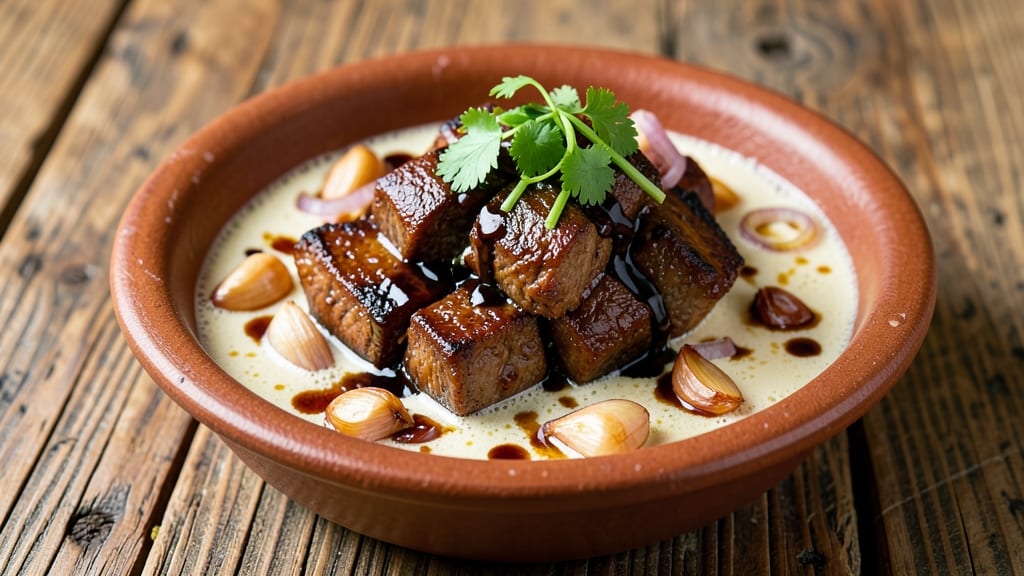
This beef adobo sa gata recipe transforms tough cuts into melt-in-your-mouth tenderness using a rich blend of vinegar, soy sauce, and coconut milk. The silky gata (coconut milk) softens the beef while balancing the dish’s signature tangy depth—every bite delivers a perfect harmony of flavors that’s both comforting and restaurant-worthy.
The secret lies in slow braising, where the beef simmers until fork-tender while absorbing the aromatic sauce. No marinating is needed—just let the vinegar and soy sauce work their magic during cooking. This method ensures deep flavor penetration without overpowering the natural taste of the beef.
By the end, you’ll have a velvety, caramelized sauce clinging to perfectly tender beef chunks, ready to be served over steamed rice or with crisp atchara for contrast. The coconut milk adds a luxurious richness that makes this dish feel special, even on a weeknight.
Whether you’re serving a family gathering or meal prepping for the week, this recipe delivers authentic Filipino comfort food with minimal effort. The balance of tangy, sweet, and savory flavors makes it a crowd-pleaser every time.
Ingredients for beef adobo sa gata
The perfect blend of tender beef and velvety coconut milk creates restaurant-quality adobo sa gata.
| Ingredient | Amount | Notes |
|---|---|---|
| Beef Chuck Roast 🥩 | 3 lb | Cut into 2-inch cubes |
| Coconut Milk 🥥 | 1 ½ cups | Full-fat for richness |
| White Vinegar 💧 | 1 cup | Distilled preferred |
| Soy Sauce 🍶 | ½ cup | Dark soy for color |
| Garlic Cloves 🧄 | 8 cloves | Minced for depth |
| Onion 🧅 | 1 whole | Yellow, sliced |
| Bay Leaves 🌿 | 2 whole | Dried, crushed |
| Black Peppercorns 🌶️ | 1 tsp | Freshly cracked |
| Brown Sugar 🍚 | 2 tbsp | Packed, light |
| Olive Oil 🫒 | 2 tbsp | Extra-virgin for searing |
| Salt 🧂 | 1 ½ tsp | Kosher or sea salt |
| Fresh Ginger 🌿 | 1 inch | Peeled, sliced |
| Green Onions 🧅 | 4 whole | Sliced for garnish |
The beef cut is everything here—chuck roast delivers that signature fall-apart texture. Look for well-marbled pieces at your local butcher or Costco's bulk section for the best value. If you're buying whole, trim excess fat but leave some for flavor. For coconut milk, Thai Kitchen brand is my go-to for that rich, creamy consistency—avoid the light versions, they lack depth. The vinegar should be distilled, not apple cider, for that classic tang. Fresh ginger and garlic are non-negotiable; frozen just won't cut it for this dish's complexity.
No dark soy sauce? Regular soy sauce plus 1 tsp molasses gets you close. The brown sugar can be swapped for white sugar if you're watching carbs, though it won't caramelize as beautifully. Running short on bay leaves? Dried thyme at half the amount works in a pinch. For the ginger, if you only have powdered, 1/4 tsp ground ginger equals about 1 inch fresh. The green onions are purely decorative but add that fresh finish—skip them if you're prepping ahead, they'll wilt in the sauce. Pro tip: Toast your peppercorns before grinding for maximum aroma.
This sauce gets better with time—plan to make it a day ahead if possible. Store in an airtight container in the fridge for up to 5 days, though I rarely have leftovers that last that long. The beef reheats beautifully; just warm through on the stove with a splash of water. For freezing, portion into individual containers—3 months max for best texture. The sauce thickens as it cools, so thin with a splash of water or coconut milk when reheating. Always serve over steamed jasmine rice to soak up every last bit of that luxurious sauce.
Why You'll Love This Recipe
- One-Pot Magic: Honestly, I swear by this—just sear the beef, toss in the vinegar and soy sauce, then let the coconut milk work its magic. No fancy techniques, no extra pots. That rich sauce practically cooks itself while you chop a few garlic cloves.
- Silky Tangy Perfection: The vinegar gives it that bright, tangy kick, but the coconut milk softens it into something luxurious. Between us, the first bite of that tender beef with that creamy-savory sauce? It’s the kind of dish that makes you want to slow down and savor every mouthful.
- Leftovers That Shine: Between us, this recipe begs to be made in bulk. The sauce thickens beautifully overnight, and reheating it turns it into an even richer, more flavorful meal. My kids actually ask for seconds—yes, even on a Tuesday night.
- Budget-Friendly Luxury: You’re getting restaurant-quality comfort without breaking the bank. A chuck roast stretches far, the coconut milk adds depth without costing a fortune, and the flavors? They’re the kind that make you feel like you splurged. (Spoiler: You didn’t.)
Step-by-step instructions for beef adobo sa gata
Master this Filipino classic where coconut milk transforms tough beef into fork-tender perfection.
Sear the Beef Chuck Roast for Deep Flavor
Heat a large Dutch oven over medium-high heat until hot. Add the 2 tablespoons olive oil and swirl to coat the bottom. Working in batches to avoid crowding, add the 3 lb beef chuck roast cut into 2-inch cubes and sear for 3-4 minutes per side until deep golden brown. This creates the Maillard reaction that builds rich, caramelized flavors.
As you sear, I press down gently on the beef cubes with a spoon to ensure even browning. Don't rush this step—you want maximum surface area to develop that caramelized crust. Once all pieces are browned, remove them from the pot and set aside on a plate. The residual fat in the pot will become the flavor base for your sauce.
Build the Aromatic Base with Onions and Garlic
In the same Dutch oven, add the 1 whole onion sliced into ½-inch rounds and the 1 inch fresh ginger sliced into ¼-inch pieces. Cook over medium heat for 5-6 minutes until the onions soften and turn translucent, about 80% cooked. Stir occasionally to prevent burning.
Add the 8 cloves minced garlic cloves and cook for another 30 seconds until fragrant. The garlic should sizzle slightly but not burn—this releases its full aromatic potential. Immediately add the 1 teaspoon freshly cracked black peppercorns and 2 whole crushed bay leaves, stirring to combine. These spices will infuse the cooking liquid with their distinctive flavors.
Deglaze with Vinegar and Soy Sauce
Pour in the 1 cup white vinegar and 0.5 cup soy sauce simultaneously, scraping up any browned bits from the bottom of the pot with a wooden spoon. This deglazing step captures all the meaty flavors that would otherwise stick to the pot. Let the mixture simmer for 2-3 minutes until it reduces slightly and the acidity mellows.
Here's where the magic begins—the vinegar starts breaking down the tough collagen in the beef while the soy sauce adds umami depth. The liquid should smell tangy and savory, with hints of garlic and onion. If you notice the mixture is too acidic at this point, don't worry—it will balance as we add the coconut milk.
Simmer with Coconut Milk for Tender Perfection
Return the seared beef cubes to the pot. Add the 1.5 cups coconut milk, 2 tablespoons brown sugar, and 1.5 teaspoons salt, stirring to combine. Bring the mixture to a gentle simmer over medium-low heat. The coconut milk should coat the beef completely—this is crucial for tenderizing.
Cover the pot and let it simmer for 1.5 to 2 hours until the beef is fork-tender. You'll know it's ready when a fork slides in easily and the meat pulls apart with minimal resistance. The sauce should thicken slightly, coating the beef in a creamy, velvety glaze. Stir occasionally to prevent the sauce from sticking to the bottom.
Finish and Garnish for Restaurant-Quality Presentation
Once the beef is tender, remove the pot from heat and let it sit covered for 5 minutes. This resting period allows the juices to redistribute throughout the meat. Discard the 2 whole bay leaves and adjust the seasoning if needed—you might need a touch more salt or sugar to balance the flavors.
Transfer the beef and sauce to a serving dish. Garnish with the 4 whole green onions sliced into ¼-inch pieces, scattering them evenly over the top. The bright green color provides a beautiful contrast to the rich, caramelized beef. Serve immediately with steamed rice to soak up that luxurious coconut sauce.
Pro Tips For Making Beef Adobo Sa Gata
- SEAR THE BEEF FIRST: Don’t skip browning that chuck roast—high heat for 3-4 minutes per side builds flavor that coconut milk alone can’t replicate. I used to rush this, and the dish always tasted flat until I committed to the crust.
- USE THICK COCONUT MILK: Grab the can labeled "full-fat" or "thick" coconut milk—it’s richer and won’t thin out your sauce into a watery mess. The cheap, watery brands turn your adobo into a sad, diluted stew.
- SIMMER LOW AND SLOW: After the initial boil, drop the heat to a bare simmer (tiny bubbles, occasional skimming) or the vinegar will cook off too fast, leaving your sauce bitter. I learned this the hard way—now I check the heat every 10 minutes.
- GARLIC: MINCE, DON’T CHOP: Finely minced garlic (almost paste-like) blends into the sauce better than chopped pieces, which turn to mush and clog your pot. Use a knife—no food processor needed, just elbow grease.
Common mistakes when making your beef adobo sa gata
Skipping the Sear
I’ve seen beginners rush this step, but searing is where the deep, caramelized flavors start. If you skip it, your beef will end up bland and mushy. Use medium-high heat and let those beef cubes develop a rich brown crust—this isn’t optional.
The residual fat from searing also forms the flavor base for your sauce. Trust me, your taste buds will thank you. 🔥
Underestimating Vinegar
Some recipes call for less vinegar, but 1 cup is essential for breaking down collagen in tough beef cuts. Too little, and your beef won’t tenderize properly. Too much, and the sauce will taste harsh.
The key is balancing it with 1.5 cups coconut milk—this neutralizes the acidity while keeping the sauce silky. Taste as you go and adjust gradually.
Ignoring the Simmer Time
Rushing the 1.5 to 2-hour simmer is the fastest way to end up with chewy beef. The coconut milk needs time to work its magic, tenderizing the meat while infusing it with flavor.
Cover the pot and let it cook low and slow—this is where patience pays off. Check for doneness with a fork; if it resists, give it another 20-30 minutes.
Overcrowding the Pot
Searing beef in crowded batches leads to steaming instead of browning. Work in small batches (about ½ lb at a time) to ensure a proper sear. The same goes for the onions and garlic—give them space to cook evenly.
Overcrowding steams instead of caramelizes, and that’s a missed opportunity for flavor. A hot Dutch oven is your friend here. ⚡
Using Light Coconut Milk
Light coconut milk lacks the richness needed for this dish. Full-fat is non-negotiable—it’s what gives adobo sa gata its velvety texture. Brands like Thai Kitchen or Aroy-D deliver the creamy consistency you want.
If you’re out of full-fat, don’t substitute with water or skim milk—it’ll fall flat. The sauce should coat the back of a spoon; light coconut milk won’t cut it.
Forgetting to Rest
Skipping the 5-minute rest after cooking means juicy beef turning dry as the flavors redistribute. Let it sit covered while you prep the green onions for garnish.
This step is especially critical if you’re serving a crowd—every minute counts for keeping the meat tender. Patience here ensures every bite is juicy and flavorful. 💫
Nutrition facts
Frequently asked questions
Can I substitute coconut milk with another dairy product?
While coconut milk is essential for authentic flavor, you can use 1 cup heavy cream + ½ cup whole milk in a pinch for similar richness. However, the dish will lose its signature tropical depth. For a dairy-free alternative, try cashew cream (blend soaked cashews with water) but reduce the liquid by ¼ cup since it's thicker. The sauce won't be identical, but it'll still be delicious.
How do I adjust this recipe for a slow cooker?
Transfer all ingredients to your slow cooker after searing the beef. Cook on low heat for 6-7 hours or high heat for 3-4 hours until the beef is fork-tender. The longer cook time works perfectly with the coconut milk, creating an even more velvety texture. Just stir occasionally and add 1-2 tablespoons water if the sauce gets too thick.
Why does my beef adobo sa gata turn out too acidic?
This happens when the vinegar isn't balanced properly. Add ½ cup more coconut milk and simmer for 10 minutes to mellow the acidity. If it's still too sharp, stir in 1 teaspoon brown sugar or ½ teaspoon baking soda (just a pinch!) to neutralize. Taste as you go—you want tangy, not sour. The coconut milk should always be the last ingredient added to prevent curdling.
Can I make this with chicken or pork instead of beef?
For chicken, use 2 lbs bone-in thighs and reduce cooking time to 45-60 minutes after adding coconut milk. For pork, try 2 lbs pork shoulder and cook for 1.5 hours (pork tenderizes faster). Adjust vinegar to ½ cup for poultry to avoid overpowering the delicate meat. The coconut milk still works magic on both proteins!
What are the best sides to serve with this dish?
Steamed jasmine rice is the classic pairing, but you can also serve with garlic fried rice, sautéed string beans, or pinakbet (Filipino mixed vegetable stew). For a refreshing contrast, add atchara (pickled papaya salad) or a simple cucumber salad. The creamy sauce pairs beautifully with crisp, fresh vegetables that cut through its richness.