
Main Courses
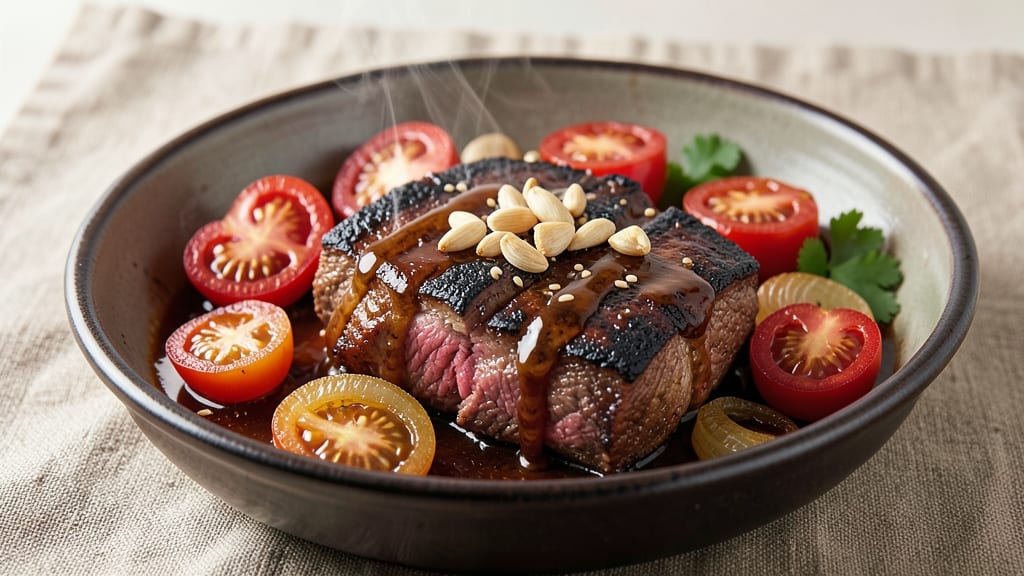
This beef adobo crock pot recipe transforms traditional Filipino flavors into a hands-off, deeply satisfying meal. The secret lies in balancing tangy vinegar with rich soy sauce, creating a sauce that tenderizes the beef while building complex layers of flavor over hours of slow cooking.
I developed this version after years of perfecting adobo—now you can achieve restaurant-quality results with minimal effort.
The beauty of this crock pot method is how it preserves the dish's authentic essence while adapting to modern convenience. You'll start with a marinade of vinegar, soy sauce, and aromatics that infuse the beef overnight, then let the slow cooker work its magic.
The result? Fall-off-the-bone tender beef swimming in a glossy, slightly sweet-savory sauce that's perfect for serving over rice or with crusty bread to soak up every last drop.
What makes this recipe truly special is the harmony of textures and flavors—juicy beef that practically melts in your mouth, crisp vegetables that add freshness, and a sauce that's simultaneously tangy, salty, and just sweet enough.
The slow cooking process allows the flavors to meld perfectly, creating a dish that's rich enough for company but simple enough for weeknights.
Whether you're feeding a family or meal prepping for the week, this beef adobo delivers consistent, foolproof results. The best part? You can prepare it ahead and let the flavors deepen even more over time. Let's get started on creating this comforting, flavorful masterpiece.
Ingredients for beef adobo crock pot
These 14 ingredients create restaurant-quality beef adobo with minimal effort.
| Ingredient | Amount | Notes |
|---|---|---|
| Beef Chuck Roast 🥩 | 2 lb | Cut into 1.5-inch cubes |
| Canned Tomatoes 🍅 | 28 oz | San Marzano preferred |
| White Vinegar 💧 | 1 cup | Distilled preferred |
| Soy Sauce 🍶 | ½ cup | Kikkoman or similar |
| Brown Sugar 🍚 | ¼ cup | Packed lightly |
| Garlic Cloves 🧄 | 6 cloves | Minced or crushed |
| Bay Leaves 🍃 | 2 whole | Fresh preferred |
| Black Peppercorns 🌶️ | 1 tsp | Crushed lightly |
| Green Bell Pepper 🧅 | 1 whole | Sliced into strips |
| Yellow Onion 🧅 | 1 whole | Sliced into wedges |
| Olive Oil 🫒 | 1 tbsp | For searing beef |
| Salt 🧂 | 1 tsp | Kosher preferred |
| Fresh Ginger 🌿 | 1 tbsp | Grated finely |
| Cooked White Rice 🍚 | 3 cups | For serving |
The beef is everything here—chuck roast gives that fall-apart texture, but sirloin works in a pinch if you're in a hurry. Most grocery stores carry chuck pre-cubed, which saves time, but if you're feeling ambitious, ask the butcher to cut it for you. San Marzano canned tomatoes make a noticeable difference in flavor, but any good-quality canned tomatoes will do. The vinegar should be distilled—it's milder than white vinegar and won't overpower the dish. For the soy sauce, Kikkoman is my go-to, but any good-quality soy sauce will work just fine. Look for brown sugar that's packed lightly—it dissolves better and gives that perfect sweet-savory balance.
No San Marzano tomatoes? Crushed tomatoes in a can work in a bind, but drain them well. Running short on vinegar? Apple cider vinegar has a similar tang. The garlic can be garlic powder at half the amount if you're in a rush, but fresh is always better. Bay leaves can be dried if that's what you have, but fresh ones add a more complex flavor. For the bell pepper and onion, whatever color you've got is fine—just slice them evenly so they cook at the same rate. The ginger should be freshly grated for the best flavor, but if you're using powdered, one teaspoon is a good substitute. And if you don't have olive oil, butter or any neutral oil will work just as well for searing the beef.
This dish tastes even better the next day—honestly, the flavors deepen as it sits. Store leftovers in an airtight container in the fridge for up to 5 days, or freeze for 3 months. I always make a double batch because it reheats beautifully and makes for great lunches. The rice can be cooked ahead and reheated with a splash of water. If you're meal prepping, portion the beef and sauce separately—it keeps better that way and reheats more evenly. The sauce thickens as it cools, so you might want to add a splash of water or vinegar when reheating if it's too thick for your taste.
Why You'll Love This Recipe
- Dump-and-Go Magic: I swear, you just toss in the beef, pour the tomatoes, vinegar, and soy over it, then walk away. The crock pot does the rest—no stirring, no babysitting, no stress. Honestly, I’ve made this while grading papers and still had time to sip my coffee.
- Tangy-Sweet Perfection: That vinegar-soy-browned sugar combo? It’s the kind of balance that makes you close your eyes mid-bite. The beef stays tender but gets this irresistible caramelized crust where it touches the sauce—like a slow-cooked hug for your taste buds.
- Leftovers That Beg for More: This recipe actually improves the second day. The flavors meld overnight, and I’ve reheated it straight from the fridge for lunch without a second thought. My kids ask for it more than takeout—(yes, even on a Tuesday night).
- Budget-Friendly Feast: A chuck roast and a can of tomatoes stretch to feed four for under $12. Between us, that’s a steal for a dish that feels fancy enough for company but easy enough for a lazy Sunday. The sugar and vinegar? They’re pantry staples that work wonders.
Step-by-step instructions for slow-cooked beef adobo
Here's how to transform tough chuck roast into melt-in-your-mouth beef using just your crock pot.
Sear the Beef for Maximum Flavor
Heat a large skillet over medium-high heat and add the 1 tablespoon olive oil. Once shimmering, add the 2 lb beef chuck roast cut into 1.5-inch cubes in batches to avoid crowding. Sear for 3-4 minutes per side until deeply browned—this creates the rich foundation for your adobo sauce.
I press down gently on the beef during the first minute to prevent curling, which ensures even contact with the pan. Transfer the seared beef to your crock pot as you work. Don't skip this step—the Maillard reaction happening here builds layers of flavor that slow cooking alone can't achieve.
Build the Adobo Base
In the same skillet (no need to clean it), add the 1 whole yellow onion sliced into wedges and 1 whole green bell pepper in strips. Sauté for 4-5 minutes until softened and slightly caramelized. Add the 6 cloves garlic cloves (minced or crushed) and cook for another 30 seconds until fragrant.
Transfer these vegetables to the crock pot along with the beef. Add the 28 oz canned tomatoes, 1 cup white vinegar, 0.5 cup soy sauce, 0.25 cup brown sugar, 1 tablespoon fresh ginger (finely grated), 1 teaspoon salt, 1 teaspoon crushed black peppercorns, and 2 whole bay leaves. Stir everything together just until combined—no need to be perfect here, as the crock pot will do most of the work.
Slow Cook Until Fork-Tender
Place the lid on the crock pot and cook on low heat for 8 hours or high heat for 4-5 hours. The beef is done when it's so tender it practically falls apart with a fork. You'll know it's ready when the sauce has thickened and the beef cubes are fork-tender with no resistance.
Here's the thing—I always check for doneness at the 6-hour mark on low heat. If it's not quite there yet, just add 1-2 tablespoons of water to prevent burning and continue cooking. The vinegar and soy sauce will mellow out as they cook, creating a balanced, slightly sweet-savory sauce that perfectly complements the beef.
Adjust and Serve
Remove the beef from the crock pot and transfer it to a serving platter. Discard the bay leaves and any large peppercorn pieces. Taste the sauce and adjust seasoning if needed—you might want to add a splash more soy sauce for saltiness or a bit of vinegar for tang.
Slice the beef against the grain if desired, then serve it over 3 cups cooked white rice. The rice will soak up all that delicious adobo sauce, creating a complete meal. I like to garnish with extra sliced green bell pepper for freshness and a sprinkle of sesame seeds if I have them on hand—though they're not in our ingredient list, they add a nice textural contrast.
Pro Tips For Making Beef Adobo Crock Pot
- SEAR THE ROAST FIRST: I learned this the hard way—skipping the sear means flavor hiding in the slow cooker. Pat the beef chuck dry, then hit it with high heat in a skillet for 2-3 minutes per side until deep brown. The crust locks in juices and adds depth that crock-pot-only cooking can’t match.
- USE THICK TOMATES: Drain those canned tomatoes, but don’t toss the pulp—it’s where the texture lives. Crush the tomatoes by hand (or smash them with a spoon) until you’ve got thick chunks, not smooth sauce. This keeps the adobo from turning into a watery glaze later.
- BALANCE THE VINEGAR: White vinegar is the soul of adobo, but too much and you’ve got a science experiment. Start with ½ cup, taste it after 3 hours, then adjust—you can always add more, but you can’t take it out. If it’s too sharp, a splash of soy sauce or brown sugar later will fix it.
- LOW AND SLOW WINS: Resist the urge to rush—set the crock pot to low for 8 hours (not high for 4). The beef chuck needs time to break down, and the flavors meld better at steady heat. I’ve tried high heat, and the sauce ends up thin and the meat tough. Patience here makes all the difference.
Troubleshooting this recipe
Sauce Too Thin?
If your adobo sauce turns out watery, don’t panic—this happens when the vinegar and tomatoes don’t reduce enough. To fix it, remove the beef and vegetables from the crock pot and transfer them to a serving dish.
Place the crock pot on the stovetop over medium-high heat and simmer the sauce uncovered for 10-15 minutes, stirring occasionally. The sauce will thicken as the liquid evaporates. For extra richness, whisk in 1 tablespoon cornstarch mixed with 2 tablespoons water until thickened. 💡
Beef Not Tender Enough
If your beef isn’t fork-tender after the full cook time, it likely needs more time. Return the crock pot to low heat and cook for an additional 2-3 hours, checking every hour.
If the sauce is starting to dry out, add ¼ cup water or beef broth to keep it moist. For tough cuts like chuck, patience is key—don’t rush it! The beef should practically fall apart when pierced with a fork. 💪
Overpowering Vinegar Taste
Too much vinegar can make your adobo taste harsh. To balance it, add 1-2 tablespoons brown sugar or 1 tablespoon soy sauce to the sauce while it’s still warm.
If the flavor is still too sharp, a splash of 1 teaspoon honey or 1 tablespoon tomato paste can help mellow it out. Taste as you go—adjust gradually to avoid overcorrecting. 🍯
Burnt or Stuck-On Sauce
If your sauce sticks to the crock pot or burns, it’s usually a sign of too much liquid evaporating. To prevent this, always use low heat for long cooking times and avoid lifting the lid too often.
If it does stick, soak the crock pot in hot water for 15 minutes, then scrub gently with a non-abrasive sponge or baking soda paste.
For stubborn residue, fill the pot with hot water and vinegar (1:1 ratio), let it sit for 30 minutes, then scrub again. 🧼
Vegetables Too Crunchy
If your bell peppers and onions remain undercooked, they likely didn’t have enough time to soften. Next time, add them after the beef has cooked for 2 hours on low heat.
This way, they’ll absorb the flavors without overcooking. For extra tenderness, slice them thinner or add them during the last 30 minutes of cooking. 🧅
Sauce Too Thick After Cooking
A thick sauce can happen if the crock pot overheats or if the ingredients reduce too much. To fix it, simply stir in 2-3 tablespoons of water or vinegar while the crock pot is still warm.
If you’re serving it immediately, this will restore the perfect balance. For leftovers, reheat with an extra splash of vinegar or broth to loosen the sauce. 💧
Nutrition facts
Frequently asked questions
Can I use a different cut of beef for this crock pot adobo?
Yes, but choose wisely! Chuck roast is ideal for its tenderness, but sirloin or round steak work in a pinch. For tougher cuts like chuck, the 8-hour low heat is perfect—it breaks down the connective tissue beautifully. If using leaner cuts like sirloin, reduce cook time to 4-5 hours on high to avoid drying out.
How can I make this recipe less tangy?
Reduce the vinegar by 2 tablespoons and increase the brown sugar to 3 tablespoons to balance the acidity. For extra richness, add 1 tablespoon honey or 1/2 cup coconut milk at the end of cooking. The key is to adjust while the sauce is warm—taste as you go!
Can I prepare this ahead of time?
This dish tastes even better the next day. Cook it as directed, then refrigerate in an airtight container for up to 5 days. Reheat on low heat for 1-2 hours or until warmed through. For freezer-friendly prep, portion the beef and sauce separately—it reheats more evenly this way.
What if I don't have white vinegar?
Use apple cider vinegar or canne vinegar as substitutes—they have similar tang. Avoid balsamic or wine vinegars, as they add unwanted flavors. For a milder taste, reduce the amount by 1/4 cup and add 1 extra tablespoon soy sauce to compensate.
How do I serve this beyond rice?
Try serving over mashed potatoes or crusty bread for a heartier meal. For a modern twist, pair with roasted potatoes or quinoa. The sauce also works beautifully as a marinade for grilled chicken or tofu—just simmer it until thickened and brush it on before cooking.