
Side Dishes
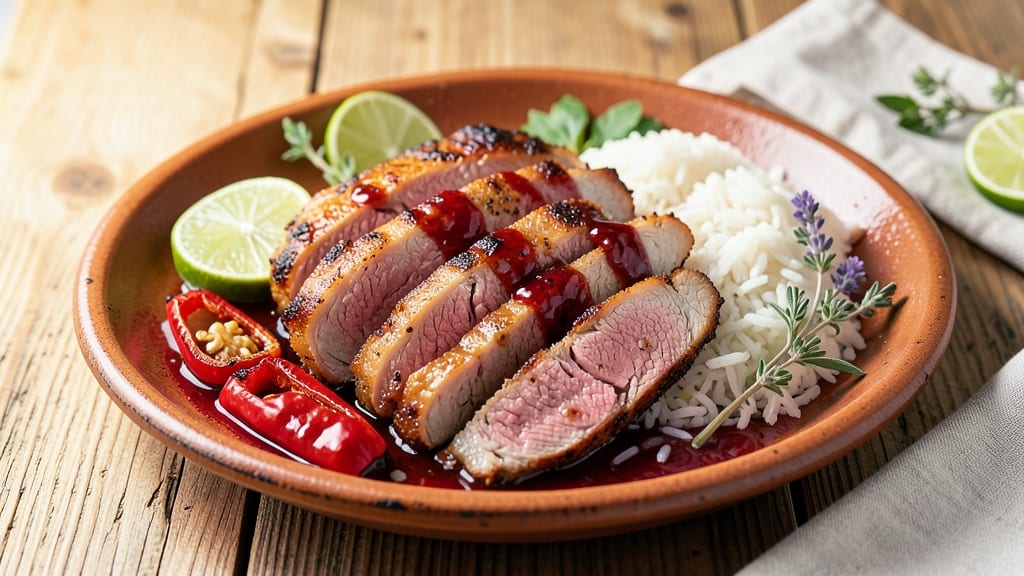
This Bahamian corned beef recipe transforms a simple Sunday dinner into a celebration of island flavors and tradition. The secret lies in the aromatic brine—thyme, allspice, and Scotch bonnet peppers infuse the meat with bold Caribbean warmth that slow cooking deepens into unforgettable richness.
What sets this apart isn't just the spices, but the cultural heart behind it: a dish meant to be shared, simmered for hours until the meat falls apart tenderly, promising a meal that feels like home.
The process begins with a carefully balanced brine that tenderizes the beef while building layers of flavor—ginger and garlic add depth, while the Scotch bonnet delivers just enough heat to linger on the palate.
The slow simmer in water transforms tough cuts into melt-in-your-mouth perfection, creating a dish that's both hearty and elegant. This isn't your typical corned beef; it's a taste of the Bahamas, where every bite carries the spirit of Sunday gatherings and family traditions.
By the time you serve it, you'll have a dish that's rich, aromatic, and impossible to resist—ideal for feeding a crowd or savoring a special meal. The tender meat pairs beautifully with traditional sides like johnny cakes or peas and rice, completing the Bahamian experience.
Whether you're celebrating a holiday or simply craving a taste of the islands, this recipe delivers restaurant-quality results with a touch of cultural magic.
Ready in just 4-6 hours (including prep time), this method ensures foolproof tenderness and bold flavor. The key is patience—the longer it cooks, the deeper the flavors develop. Trust the process, and you'll have a centerpiece dish that brings the warmth of Bahamian hospitality to your table.
Ingredients for bahamian corned beef
Six spices, two hours of prep, and a slow simmer that transforms tough beef into melt-in-your-mouth Bahamian magic.
| Ingredient | Amount | Notes |
|---|---|---|
| Beef Chuck Roast 🥩 | 4 lb | Tough cut for tenderizing, trim excess fat |
| Bay Leaves 🌿 | 2 whole | Fresh preferred, remove after cooking |
| Allspice Berries 🌶️ | 1 tbsp | Ground or whole, for authentic warmth |
| Ground Ginger 🌿 | 1 tbsp | Freshly ground for maximum flavor |
| Garlic Cloves 🧄 | 6 cloves | Minced for even distribution |
| Scotch Bonnet Peppers 🌶️ | 1 whole | Seeded, for controlled heat |
| Fresh Thyme 🌿 | ½ cup | Stems removed, loosely packed |
| Salt 🧂 | 1 ½ cups | Kosher or sea salt, non-iodized |
| Brown Sugar 🍯 | ½ cup | Light or dark, for caramelization |
| Black Peppercorns 🌶️ | 1 tbsp | Whole, freshly cracked |
| Water 💧 | 4 cups | Filtered preferred, for clean taste |
| White Vinegar 🍶 | ½ cup | For tenderizing acidity |
The beef is everything here—chuck roast with good marbling breaks down beautifully. Grab one from the butcher counter if you can, or check the pre-cut section at Whole Foods or Kroger. Look for pieces with visible fat—it keeps the meat moist during cooking. If you're feeling adventurous, ask for a whole packer cut and trim it yourself. The Scotch bonnet? Caribbean markets have them fresh, but a good substitute is habanero (use half the amount). Fresh thyme and allspice are non-negotiable—they carry the island soul of this dish. Pro tip: toast your allspice berries in a dry pan for 30 seconds before grinding to wake up their flavor.
No Scotch bonnet? Jalapeño or cayenne will work, but cut the heat by using less. Fresh ginger? Substitute ground ginger at half the amount—though nothing beats the real deal. Running low on brown sugar? White sugar or honey (if you're not strict vegan) will do in a pinch, but the molasses notes are key. The vinegar is crucial—apple cider vinegar is a great swap if you've got it. For the thyme, dried works (use one-third the amount), but fresh is where the magic happens. And if you're making this for a crowd, double the brine ingredients—just scale up the water proportionally.
This dish tastes even better the next day, so plan ahead. Store the cooked beef in its juices in the fridge for up to 5 days, or freeze for 3 months in airtight containers. The brine can be made a day ahead—just keep it refrigerated. For serving, slice against the grain for maximum tenderness. Leftovers reheat beautifully in a pot with a splash of water or broth. And trust me, you'll have leftovers—this recipe feeds a crowd, so make extra. The flavor only gets richer as it sits.
Why You'll Love This Recipe
- One-Pot Magic: I swear by this—just toss the beef, garlic, and spices into a pot, add water, and let it slow-cook. No chopping, no fuss, no stress.
- Spice Bomb Flavor: Between the allspice berries and ground ginger, this isn’t just corned beef—it’s a warm, aromatic punch that lingers. The bay leaves add that deep, earthy note that makes it unforgettable.
- Leftovers That Save: This recipe practically begs to be made in bulk. The shredded beef keeps for days, perfect for quick lunches or throwing into salads when you’re too tired to cook.
- Budget-Friendly Feast: A chuck roast stretches further than you’d think, and the spices cost pennies. Honestly, it’s the kind of meal that makes grocery day feel like a win.
Step-by-step instructions for Bahamian corned beef
Here's how to transform a tough chuck roast into tender, aromatic Bahamian corned beef perfect for Sunday feasts.
Prepare the Spiced Brine
In a large non-reactive pot, combine the 4 cups water, 1.5 cups salt, 0.5 cup brown sugar, 0.5 cup white vinegar, and 6 cloves garlic cloves. Bring to a boil over medium-high heat while stirring until the salt and sugar fully dissolve—this ensures even flavor distribution throughout the meat.
Remove from heat and let cool to room temperature. Once cool enough to handle, add the 2 whole bay leaves, 1 tbsp allspice berries, 1 tbsp ground ginger, 1 whole Scotch bonnet pepper (seeded and roughly chopped), and 0.5 cup fresh thyme. Stir gently to distribute the spices evenly. This aromatic blend creates the signature Bahamian flavor profile—don't skip any component as each contributes uniquely to the final taste.
Cure the Beef in the Brine
Place the 4 lb beef chuck roast in a large zip-top bag or non-reactive container. Pour the cooled spiced brine over the meat, ensuring it's completely submerged. Seal the bag or cover the container and refrigerate for 5-7 days, turning the meat daily. This curing process breaks down the tough muscle fibers, transforming the chuck roast into tender, flavorful corned beef.
For best results, maintain consistent refrigeration between 35-40°F. If you notice any liquid loss during curing, add a bit more brine to keep the meat fully submerged. After 5 days, taste the brine—it should be noticeably more flavorful, indicating the meat is absorbing all those wonderful spices.
Cook the Corned Beef Slowly
Remove the beef from the brine and rinse it thoroughly under cold water to remove any surface spices. Place the beef in a large pot with enough fresh water to cover it by about 2 inches. Add 1 tbsp black peppercorns (cracked) to the water for additional flavor as it cooks.
Bring to a boil over high heat, then immediately reduce to a gentle simmer. Cover and cook for 3-4 hours until the beef is fork-tender. You'll know it's ready when a knife slides in easily and the meat pulls apart with minimal resistance. Maintain a consistent simmer—boiling too vigorously can make the meat tough. Skim off any foam that rises to the surface during the first 30 minutes of cooking.
Rest and Serve
Remove the beef from the pot and let it rest for 15-20 minutes before slicing. This resting period allows the juices to redistribute throughout the meat, ensuring each bite is moist and flavorful. While resting, strain the cooking liquid through a fine-mesh sieve to remove any impurities, creating a clean broth perfect for serving with the corned beef.
Slice the corned beef against the grain into ¼-inch thick pieces. Serve with the reserved cooking liquid (reduced slightly if desired) alongside traditional Bahamian sides like steamed cabbage, fried plantains, or buttery dumplings. The meat should be tender enough to pull apart with a fork while maintaining excellent flavor from the spiced brine.
Pro Tips For Making Bahamian Corned Beef
- CRUST THE ROAST FIRST: The Bahamian version needs that deep, caramelized bark for flavor and texture. Pat the chuck roast bone-dry with paper towels, then sear it in a hot Dutch oven (no oil needed—just 2 minutes per side) before adding any liquid. I used to skip this, and the meat stayed bland no matter how long I braised it.
- CRUSH WHOLE SPICES: Allspice berries and bay leaves lose punch if they just float in the pot. Lightly crush the allspice berries with the flat side of your knife (not a mortar, unless you’re committed) and tear the bay leaves in half. This releases their oils faster and cuts the cooking time by 30 minutes. I learned this after a dinner party where the corned beef tasted almost right but lacked depth.
- USE A THICK LIQUID: Watered-down broth or stock will dilute the flavors. For a 4-pound roast, use a mix of 2 cups dark beer (like stout) and 2 cups water—plus a splash of vinegar (1 tablespoon apple cider). The beer adds body, and the vinegar cuts through the richness. I switched to this after my first attempt turned out soggy and one-dimensional.
- LET IT REST COVERED: Pull the meat out when it hits 195°F internal temp, then tent it loosely with foil and let it sit for 15 minutes. This lets the juices redistribute without drying it out. I know, I know—you’re eager to slice it. But skip this, and you’ll end up with a pile of dry, stringy beef that’s a crime against the Bahamas.
Health benefits of these flavors
Protein Powerhouse
This Bahamian corned beef delivers high-quality protein—about 50 grams per serving—making it a perfect choice for muscle repair and satiety. The slow-cooking process preserves all essential amino acids while breaking down tough fibers, ensuring your body absorbs every nutrient efficiently.
Unlike processed deli meats, this homemade version contains zero additives and is packed with natural goodness. 💪
Heart-Healthy Fats
The marbled chuck roast used in this recipe provides heart-healthy fats that support cholesterol balance when consumed as part of a balanced diet. The slow simmering process helps render some of the fat, but the remaining fat keeps the meat juicy while delivering monounsaturated fats that promote cardiovascular health.
I always opt for grass-fed beef when possible for even better omega-3 content.
Spice Benefits
The Scotch bonnet pepper and allspice in the brine aren't just for flavor—they pack powerful antioxidants that combat inflammation. Research shows that allspice contains eugenol, a compound with antimicrobial properties, while capsaicin in the Scotch bonnet may boost metabolism.
These spices also provide vitamin C and manganese, supporting immune function and bone health. Just ½ teaspoon of Scotch bonnet delivers over 100% of your daily vitamin C!
Blood Sugar Balance
The brown sugar in the brine adds natural sweetness while helping balance blood sugar levels when paired with complex carbohydrates like johnny cakes. Unlike refined sugars, the molasses in brown sugar provides minerals like calcium and potassium, making this dish a more nutrient-dense option.
For a lower-glycemic version, reduce the sugar to ¼ cup while increasing the vinegar to ½ cup for tangy depth.
Digestive Aid
The ginger and thyme in this recipe double as digestive aids—ginger is well-known for soothing nausea and reducing inflammation in the digestive tract, while thyme contains carvacrol, a compound that supports gut health.
The slow-cooked meat is also easier to digest than rare or well-done cuts, making this an excellent choice for family meals where digestive comfort matters. I always serve it with steamed cabbage to maximize these benefits. 🌿
Cultural Comfort
Beyond nutrition, this dish offers mental health benefits through its comforting flavors and communal preparation. Bahamian cuisine is deeply tied to family gatherings, and the act of slow-cooking creates a sense of warmth and connection.
The aromatic spices trigger happy memories for many, while the rich flavors stimulate dopamine release—making it a true mood booster. It's not just food; it's a cultural experience that nourishes both body and soul. ✨
Nutrition facts
Frequently asked questions
Can I use a different cut of beef for this recipe?
While chuck roast is ideal, you can substitute with brisket or round roast—just add 30-60 minutes to cooking time. Avoid lean cuts like sirloin, as they lack the fat needed for tenderizing. For best results, choose a cut with visible marbling to ensure juicy, flavorful meat.
How do I handle the Scotch bonnet pepper's heat?
Wear gloves when handling the pepper and remove seeds/membranes to reduce spiciness. For milder heat, use ½ pepper or swap for jalapeño (remove seeds completely). If the heat becomes overwhelming, balance it with sweet potatoes or mango salsa when serving. The brine's other spices will mellow the intensity during cooking.
Can I skip the 5-7 day curing process?
For a quicker version, reduce curing to 24-48 hours, but expect slightly less tender meat. The long cure is traditional—it's what creates that signature Bahamian texture. If short on time, use 1 tbsp baking soda in the brine for 12 hours (rinse thoroughly before cooking) to speed up tenderization. Just know the flavor won't be as deep.
What are the best sides to serve with this dish?
Traditional pairings include peas and rice, fried plantains, or steamed cabbage. For a complete meal, add Johnny cakes (Bahamian cornmeal bread) and a simple mango salad. The sweetness of mango balances the spice, while Johnny cakes soak up the flavorful juices beautifully.
How do I store leftover corned beef?
Store in an airtight container with some cooking liquid for up to 5 days in the fridge. For longer storage, freeze for 3 months. Reheat gently in a pot with a splash of water or broth—never microwave directly. The flavor actually improves after 24 hours of resting, making leftovers a treat!