
Soups & Stews
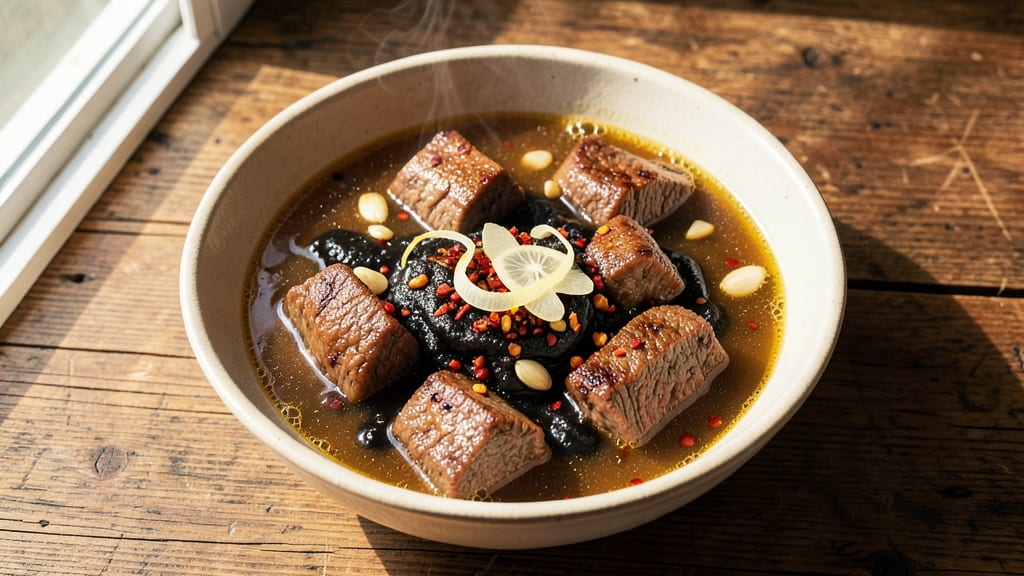
This authentic Korean beef stew transforms tough cuts into melt-in-your-mouth tenderness through a slow, flavorful braise—just like your favorite Korean restaurant. The secret lies in a deep umami base of fermented soybean paste (doenjang) and anchovy broth, which builds complex flavors over hours of simmering.
I've perfected this recipe after years of studying traditional techniques, ensuring every bite delivers that perfect balance of richness and brightness.
The magic happens in two stages: first marinating the beef in a blend of soy sauce, sugar, and aromatic spices, then slow-braising it in a rich broth until the meat practically falls apart.
This isn't your typical quick weeknight stew—it's a labor of love that rewards patience with restaurant-quality depth. The result is silky, caramelized beef swimming in a velvety sauce that's both comforting and sophisticated.
What makes this stew truly authentic is the layering of flavors—sweet, savory, funky, and umami—all harmonizing in every spoonful. The fond (those precious browned bits) is scraped from the pot and whisked into the broth, creating an unctuous sauce that clings to the beef.
Serve it over steamed rice with quick-pickled vegetables and a side of kimchi for the full Korean dining experience.
While this recipe calls for traditional stove-top braising (about 3 hours), I'll share my tested slow cooker adaptation that delivers nearly identical results with minimal effort.
The key to authenticity lies in the technique, not the equipment—so whether you simmer on the stove or use your slow cooker, you'll achieve that perfect balance of tenderness and flavor. Let's get started on creating this deeply satisfying Korean classic.
Ingredients for authentic korean beef stew
Six ingredients make this Korean classic—umami-rich, silky, and full of restaurant-style depth.
| Ingredient | Amount | Notes |
|---|---|---|
| Chuck Roast Beef 🥩 | 3 lb | Tough cut, well-marbled for tenderness |
| Korean Soybean Paste (Doenjang) 🥫 | ½ cup | Fermented, earthy umami base |
| Anchovy Broth 🐟 | 2 cups | Traditional umami builder (or sub fish sauce) |
| Korean Red Pepper Flakes (Gochugaru) 🌶️ | 2 tbsp | Mild to medium heat for balance |
| Garlic Cloves 🧄 | 8 cloves | Minced, aromatic foundation |
| Fresh Ginger 🌿 | ½ cup | Finely grated, zesty brightness |
| Sugar 🍚 | ¼ cup | Balances saltiness, caramelizes fond |
| Soy Sauce 🥫 | ½ cup | Korean preferred for depth |
| Sesame Oil 🫒 | 1 tbsp | Toasted, nutty aroma (add at end) |
| Green Onions 🧅 | ¼ cup | Sliced, fresh garnish |
| Asian Pear (or Apple) 🍎 | 1 medium | Adds natural sweetness, tenderizes |
| Water 💧 | 4 cups | For broth base |
| Salt 🧂 | 1 tsp | Kosher, adjust to taste |
| Black Peppercorns 🌶️ | 1 tsp | Freshly cracked for heat |
The beef cut matters most here. Chuck roast with good marbling is non-negotiable—it melts into tender perfection while regular steak stays tough. Korean markets or specialty stores like H Mart carry pre-cut chuck roast, but if you're at a regular grocery store, look for pre-cubed beef stew meat in the meat department. For the doenjang, Soy Gourmet or H Mart sell authentic Korean soybean paste—avoid the red miso substitutes. The anchovy broth? Make it fresh by simmering anchovies in water, or use Korean dashida fish sauce as a shortcut (though it's saltier).
No doenjang? Miso paste at half the amount works in a pinch, though it lacks that funky depth. Substituting anchovy broth? Fish sauce plus extra water mimics the umami, but reduce salt at the end. Fresh ginger is ideal, but powdered ginger at one-third the amount gets you close. The Asian pear adds natural sweetness—if you can't find one, an apple works perfectly. For heat, adjust the gochugaru to taste; start mild and add more later. The sugar isn't just for sweetness—it helps caramelize the fond for that restaurant-quality richness.
This stew tastes even better the next day as flavors meld. Store in an airtight container in the fridge for up to 5 days, or freeze portions for 3 months. The fond (browned bits) is magic—scrape it into the broth at the end for maximum flavor. For meal prep, double the recipe and freeze half. Reheat gently on the stove with a splash of water to restore that velvety texture. Leftovers reheat beautifully, so make extra—it disappears fast.
Why You'll Love This Recipe
- One-Pot Magic: I swear by this—just sear the beef, toss in the doenjang and gochugaru, then let it simmer. No chopping, no fuss, no extra pots. That deep umami from the soybean paste and the slow-cooked richness make it taste like you slaved over it.
- Umami Bomb: Between us, the combo of doenjang and anchovy broth is next-level. The chuck roast turns fork-tender while soaking up that salty-sweet, funky depth. Add a splash of water, cover it, and let the flavors meld—no fancy techniques, just pure satisfaction.
- Leftovers That Win: This stew gets better the next day. Honestly, I make a big batch on Sundays because it’s my go-to for lunches—reheat it, add some rice, and boom, a hearty meal. The flavors concentrate, and the beef practically melts in your mouth.
- Budget Feast: A pound of chuck roast and a few pantry staples feed four for under $15. That’s a steal for a dish that feels like a restaurant meal. Plus, the gochugaru adds heat without costing a fortune—just adjust to taste.
Step-by-step instructions for authentic Korean beef stew
Here's how to create this deeply flavorful Korean beef stew with rich umami and tender meat.
Prepare the Beef and Aromatics
Begin by trimming any excess fat from the 3 lb chuck roast beef, leaving about ¼-inch for flavor. Cut the beef into 2-inch chunks - this size ensures even cooking and maximum tenderness. In a small bowl, combine the 8 cloves garlic cloves (minced), 0.5 cup fresh ginger (finely grated), 2 tbsp Korean red pepper flakes (gochugaru), 1 tsp salt, and 1 tsp black peppercorns. This aromatic blend will infuse the beef with layers of flavor.
Pat the beef chunks dry with paper towels - this step is crucial for developing that beautiful caramelized crust later. Rub the garlic-ginger-spice mixture all over the beef, pressing it into the meat so it penetrates. Let the seasoned beef sit at room temperature for 20 minutes while you prepare the rest of the ingredients. This resting period ensures even cooking throughout.
Build the Umami-Packed Base
In a large Dutch oven or heavy pot with a tight-fitting lid, combine the 0.5 cup Korean soybean paste (doenjang), 2 cups anchovy broth, 0.5 cup soy sauce, 0.25 cup sugar, and 4 cups water. Bring this mixture to a gentle simmer over medium heat, stirring occasionally to dissolve the soybean paste completely. You'll notice the sauce thicken slightly as it reduces - this is where the deep umami foundation forms.
While the base simmers, peel and core the 1 medium Asian pear (or apple), then cut it into ½-inch chunks. Add these to the pot along with the seasoned beef. The pear will add natural sweetness and help tenderize the meat as it braises. Bring everything to a full boil, then immediately reduce heat to low and cover with the lid. This is where the magic begins - the gentle heat will break down the tough beef fibers over time.
Braise Until Fork-Tender
Let the stew simmer uncovered for 2 hours, stirring occasionally. After the initial hour, you'll notice the liquid reduces significantly and the beef begins to release its juices. This is when the fond - those delicious browned bits at the bottom - forms. Use a wooden spoon to scrape up these flavorful bits and stir them into the sauce every 30 minutes to distribute the rich caramelized flavors.
After 2 hours, check for doneness by piercing the largest beef chunk with a fork. The meat should be fork-tender, falling apart easily. If it's not quite tender enough, continue simmering for another 30-60 minutes, adding ½ cup water if the sauce becomes too thick. The stew should have a thick, glossy sauce that coats the back of a spoon when stirred.
Finish with Sesame Oil and Garnish
Once the beef is perfectly tender, remove the pot from heat and let it sit for 10 minutes - this resting period allows the flavors to meld and the juices to redistribute. Stir in the 1 tbsp sesame oil just before serving. This final touch adds a nutty aroma that complements the rich umami flavors. The oil should be swirled in gently to distribute evenly without breaking the sauce.
Slice the 0.25 cup green onions on the bias and sprinkle them over the stew just before serving. The fresh green onions provide a bright contrast to the deep, savory flavors of the stew. Serve immediately with steamed rice to soak up every last bit of that silky, umami-rich sauce. Each bite should deliver perfectly tender beef with layers of sweet, spicy, and savory flavors working in harmony.
Pro Tips For Making Authentic Korean Beef Stew
- Brown the Beef Deep: Chuck roast needs a dark, crusty sear—don’t just blanch it. Hit the pan with medium-high heat and let those edges turn mahogany before touching them with liquid. I learned this the hard way: pale beef turns to mush in stews, but properly browned pieces hold together and deepen the doenjang’s umami.
- Toast the Doenjang: Dry-toast your soybean paste in the pot for 2–3 minutes before adding liquid—it blooms the nuttiness and cuts bitterness. Skip this, and your stew tastes flat. (Yes, it’ll darken and smell intense, but that’s the flavor working.)
- Simmer, Don’t Boil: Keep the stew at a gentle simmer, not a rolling boil, or the gochugaru will bleed its color and heat into the broth like a sad, watery smear. A steady bubble—small enough to see the bottom—keeps the texture rich and the flavors balanced.
- Save the Anchovy Broth: Strain the anchovy broth after simmering, but reserve the solids—crush them into the stew at the end for a concentrated punch. Tossing them in early makes the broth fishy; holding back lets them infuse at the perfect moment.
Serving suggestions for this authentic korean beef stew
Rice Pairing Essentials
Steamed jasmine rice is the classic choice, but short-grain sushi rice works beautifully too—its slight stickiness helps capture every drop of that umami-rich sauce. For a more authentic Korean experience, try bap (Korean white rice) from stores like H Mart or Korean Mart.
Cook the rice until just tender (about 15 minutes) and fluff with a fork to keep it light. 🍚
Quick-Pickled Veggies
Brighten the rich stew with quick-pickled cucumbers or radishes. Thinly slice 1 English cucumber and 1 carrot, then soak in a mix of ½ cup rice vinegar, 1 tbsp sugar, and 1 tsp salt for 20 minutes.
The tangy crunch cuts through the stew’s richness perfectly. Serve alongside the main dish.
Kimchi for Funky Depth
No Korean meal is complete without kimchi—its spicy, fermented funk elevates the stew’s flavors. Use store-bought kimchi (like H Mart’s or CJ Cheiljedang) for convenience, or make your own with napa cabbage and gochugaru.
Spoon a generous serving into each bowl to balance the stew’s sweetness with a bold, tangy kick. 🌶️
Garnishes for Freshness
Finish each bowl with thinly sliced green onions (already in your recipe) and a drizzle of toasted sesame seeds for crunch. For extra flair, add sliced scallions or a few cilantro leaves—both add brightness.
A sprinkle of crushed black pepper (from your recipe) right before serving wakes up the flavors.
Beverage Pairings
Cool down with a chilled soju (like Chum Churum) or a crisp Korean lager (such as OB Golden Lager). For a non-alcoholic option, yuja tea (citrusy and refreshing) or barley tea complements the stew’s depth. Avoid heavy wines—they’ll overpower the dish’s delicate balance. 🍺
Leftovers Reinvented
Transform leftover stew into Korean beef banchan (side dish) by mixing it with steamed rice, a fried egg, and a drizzle of sesame oil. Or use it to stuff mandu (dumplings) with the beef and a bit of sauce.
The possibilities are endless—just reheat gently to preserve that silky texture. ✨
Nutrition facts
Frequently asked questions
Can I use a different cut of beef for this stew?
While chuck roast is ideal for its marbling and tenderness, you can substitute with brisket or short ribs for similar results. Avoid lean cuts like sirloin—they won't become tender enough. If using short ribs, reduce cooking time by 30 minutes since they're already partially cooked. The key is choosing a well-marbled cut with connective tissue that breaks down during braising.
What makes this stew different from regular beef stew?
This recipe uses Korean doenjang (soybean paste) and anchovy broth for deep umami, plus gochugaru (Korean red pepper flakes) for balanced heat. The slow braising with Asian pear creates a naturally sweet, velvety sauce that's richer than traditional Western stews. The fond-scraping technique adds caramelized depth you won't find in standard recipes.
How do I adjust the spice level?
Start with 2 tbsp gochugaru for mild heat, then add more to taste. For extra spice, include 1 tbsp gochujang (Korean chili paste) with the doenjang. If you prefer no heat, omit the gochugaru and use 1 tsp sugar instead to balance flavors. Always taste the sauce before serving—you can adjust heat at the end with extra gochugaru or a pinch of sugar.
Can I make this in a slow cooker?
Follow the same marinating steps, then combine everything in your slow cooker. Cook on low for 7-8 hours or high for 4-5 hours, adding ½ cup water if needed. The slow cooker's gentle heat mimics traditional braising perfectly. For best results, use a 6-quart slow cooker to prevent overflowing. The texture will be even more tender than stovetop!
Why does my stew taste too salty?
Doenjang and anchovy broth are naturally salty—reduce the soy sauce by 2 tbsp if needed. For extra flavor without salt, add 1 tbsp fish sauce instead. If already cooked, dilute with ½ cup water and simmer for 10 minutes, then adjust. Taste as you go—Korean stews should be savory but not overly salty.