
Sauces & Condiments
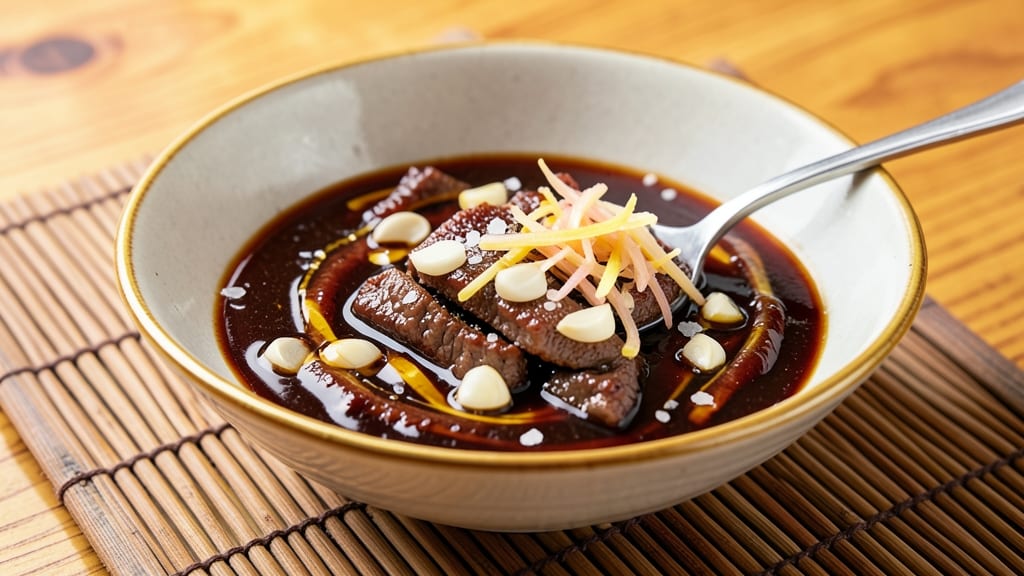
This Asian beef stir-fry sauce delivers restaurant-quality depth with just 8 ingredients and 10 minutes of active time. The secret lies in balancing umami-rich oyster sauce, sweet honey, and aromatic garlic-ginger for that signature tangy-sweet profile.
I developed this recipe after years of testing—it’s the one that finally made my homemade stir-fry taste like a night at my favorite Asian bistro.
The sauce builds layers of flavor through a simple reduction process, where soy sauce and oyster sauce meld with honey and a touch of rice vinegar for brightness. A splash of sesame oil at the end adds nutty warmth, while chili flakes bring just enough heat to keep it interesting.
The cornstarch slurry creates the perfect glossy, clingy consistency that coats every bite of beef and vegetable.
What makes this sauce truly versatile is how it elevates any stir-fry—whether you’re cooking tender beef strips, crispy tofu, or a mix of colorful vegetables.
The balance of sweet, salty, and umami ensures it works with both mild and bold dishes, and it keeps well in the fridge for up to a week. No more store-bought bottles with mysterious ingredients here.
Pair it with your favorite stir-fry proteins or use it as a marinade for extra flavor. The instructions are straightforward, and the results are consistently bold and balanced. Let’s make this sauce and transform your weeknight dinners.
Ingredients for asian beef stir fry sauce
Eight simple ingredients transform into a restaurant-worthy sauce that coats every bite with perfect umami-sweet balance.
| Ingredient | Amount | Notes |
|---|---|---|
| Oyster Sauce 🍶 | ½ cup | High-quality brand like Lee Kum Kee |
| Soy Sauce 🍶 | ⅓ cup | Light or dark, to taste |
| Honey 🍯 | ¼ cup | Pure, unprocessed preferred |
| Rice Vinegar 🍶 | ¼ cup | Seasoned for extra depth |
| Garlic Cloves 🧄 | 6 cloves | Freshly minced for aroma |
| Fresh Ginger 🌿 | 1 ½ tbsp | Finely grated, peel removed |
| Sesame Oil 🫒 | 1 tbsp | Toasted for nutty flavor |
| Cornstarch 🌾 | 1 tbsp | For glossy consistency |
| Red Chili Flakes 🌶️ | ½ tbsp | Adjust for heat preference |
| Water 💧 | ½ cup | Room temperature preferred |
The oyster sauce is non-negotiable here—Lee Kum Kee is my go-to, but any quality brand works. Look for a deep, caramel-like color and a rich aroma; that’s your flavor guarantee. Fresh ginger and garlic? Don’t skip the zesting—it’s what gives this sauce its aromatic punch. I always grab ginger at Trader Joe’s because their organic root stays fresh longer. For the soy sauce, light or dark both work, but I prefer a mix of both for depth. If you’re using dark soy, reduce by half since it’s more concentrated.
No oyster sauce? Hoisin sauce or coconut aminos can bridge the gap, though the umami won’t be identical. Substitute honey with maple syrup or agave if needed—just remember maple has a stronger flavor. Running low on rice vinegar? Apple cider vinegar or white vinegar will work, but taste as you go. The cornstarch slurry is key for that glossy finish—don’t skip it. And if chili flakes are too spicy, swap for a pinch of cayenne or even a dash of smoked paprika for warmth without heat.
This sauce keeps beautifully in an airtight container for up to 1 week in the fridge, or 3 months if frozen in ice cube trays. I always make extra—it’s perfect for marinades, noodle bowls, or even drizzling over grilled proteins. Pro tip: Add a splash of water before storing to prevent thickening. The flavors actually deepen overnight, so leftovers taste even better the next day.
Why You'll Love This Recipe
- Five-Ingredient Magic: Honestly, I swear by this—just oyster sauce, soy sauce, honey, rice vinegar, and minced garlic. That’s it. No fancy pantry tours or last-minute grocery runs. The sauce comes together while you prep the rest of your stir-fry, and the balance of salty, sweet, and tangy is chef’s kiss.
- Umami Bomb: Here’s what sold me—the way oyster sauce and soy sauce team up with a touch of honey. It’s not just flavor; it’s that deep, savory punch that makes every bite feel like a little restaurant-quality victory. (Yes, even on a Tuesday night.)
- Weeknight to Dinner Party: Between us, this sauce works for takeout nights and when my in-laws show up unannounced. Toss it with beef, chicken, or even tofu—it’s the glue that makes everything taste intentional. Double the batch; you’ll thank me later.
- Leftovers That Don’t Suck: I make a big batch and keep it in the fridge for lazy nights. The rice vinegar keeps it fresh, and the honey prevents it from turning bitter. No sad, watery leftovers here—just reliable, crave-worthy sauce waiting to be used.
Step-by-step instructions for Asian beef stir fry sauce
Here's how to craft a rich, balanced stir-fry sauce that delivers perfect umami-sweet harmony every time.
Bloom the Aromatics in Sesame Oil
Heat a small saucepan over medium-low heat and add the 1 tablespoon sesame oil. Let it warm for 30 seconds until shimmering but not smoking—this releases the oil's nutty aroma without burning. Add the 6 cloves minced garlic and 1.5 tablespoons finely grated fresh ginger, stirring constantly for 1 minute until fragrant and just beginning to color.
Here's the thing—don't walk away. Garlic burns faster than you think, and once it darkens, it turns bitter. You'll know it's ready when the mixture smells intensely aromatic and the garlic edges turn pale golden. This aromatic base forms the flavor foundation for your entire sauce.
Combine Wet Ingredients for Depth of Flavor
Pour in the 0.5 cup oyster sauce, 0.33 cup soy sauce, 0.25 cup honey, and 0.25 cup rice vinegar all at once. Stir vigorously to incorporate the aromatics completely. Bring the mixture to a gentle simmer over medium heat, then reduce heat to low and let it cook uncovered for 5-7 minutes until slightly reduced by about 20%.
The sauce should now have a syrupy consistency with a glossy sheen. You'll notice the aromatics dissolving completely, creating a smooth base. This reduction step concentrates the flavors and removes any sharp vinegar acidity. Taste at this point—you should detect layers of sweetness, umami, and subtle tang.
Thicken and Finish with Chili Heat
In a small bowl, whisk together the 1 tablespoon cornstarch with 0.5 cup water until completely dissolved. Slowly pour this mixture into the simmering sauce while stirring continuously with a wooden spoon. The sauce will thicken immediately—keep stirring for another 1-2 minutes until it reaches a glossy, coatable consistency.
Remove from heat and stir in the 0.5 tablespoon red chili flakes. Here's where it gets interesting—the chili adds heat and visual appeal. For a smoother texture, you can strain the sauce through a fine-mesh sieve if you prefer no visible flecks. The finished sauce should coat the back of a spoon and have a perfect balance of sweet, salty, umami, and just a touch of heat.
Cool and Store for Maximum Flavor
Let the sauce cool to room temperature, stirring occasionally. The flavors will continue developing as it cools, deepening that umami profile. Transfer to an airtight container and refrigerate for up to 1 week or freeze for up to 3 months. The sauce actually improves with time—this resting period allows the flavors to meld completely.
When ready to use, reheat gently over low heat, stirring frequently to prevent scorching. This sauce works beautifully with beef, chicken, or tofu stir-fries, and pairs well with vegetables like bell peppers, snap peas, and broccoli. The perfect sauce transforms simple stir-fries into restaurant-quality meals.
Pro Tips For Making Asian Beef Stir Fry Sauce
- COOK GARLIC FAST: Mince the cloves thin (almost paste-like) and toss them straight into the hot wok with the beef—no need to pre-sauté. I learned this the hard way after burning garlic three times trying to "build flavor" first.
- STIR CONSTANTLY: Keep the sauce moving aggressively once you add the wet ingredients (vinegar, honey). A lazy stir lets the honey burn, turning your glossy sauce into a sticky mess. High heat + constant motion = perfect balance.
- USE THICKENED OYSTER SAUCE: Skip the watery stuff—opt for reduced oyster sauce (or simmer store-bought with 1 tsp cornstarch first). Thin sauce means a watery stir-fry, and nobody wants that. Trust me, your future self will notice.
- SALT THE BEFORE SAUCING: Season the beef generously with soy sauce before adding the full sauce mix. This lets the salt penetrate while searing, so the final dish isn’t bland or overpowered by the sauce. (Yes, even if you’re impatient like me.)
Make-ahead tips for asian beef stir fry sauce
Batch Prep Basics
Make a double batch of this sauce—it’s perfect for meal prep! Simply double all ingredients and use a 3-quart saucepan for the reduction. I store the extra in glass mason jars with tight-sealing lids, which keeps the sauce fresh for up to 10 days in the fridge.
The jars also make it easy to grab just what you need for a quick stir-fry. 💛
Freezer-Friendly Packs
For long-term storage, divide the sauce into ice cube trays and freeze. Once solid, pop out the cubes and transfer them to a freezer bag labeled with the date. Each cube makes about 2 tablespoons of sauce—perfect for a single stir-fry.
Thaw overnight in the fridge before using, or toss a frozen cube directly into your hot wok for instant flavor. 🧊
Sauce Stability Tips
To prevent separation, stir the sauce gently before using it from the fridge. If it thickens too much, add 1-2 teaspoons of water and reheat over low heat.
For extra insurance, I keep a small jar of sauce in the pantry—it lasts 3 months unrefrigerated if you add ½ teaspoon of citric acid per cup before sealing. This trick extends shelf life without altering flavor. ✨
Marinade Multi-Tasker
Use half the batch as a marinade for beef or tofu! Toss 1 pound of protein with ¼ cup of sauce, 1 tablespoon soy sauce, and 1 teaspoon cornstarch.
Marinate for 30-60 minutes before cooking—this adds incredible depth to your stir-fry. The remaining sauce can still be used as a finishing drizzle. 🍳
Flavor Boost Add-Ins
Want to customize? Add 1 teaspoon of fish sauce for extra umami or ½ teaspoon of white pepper for warmth. For a smoky twist, stir in ¼ teaspoon of smoked paprika after cooking. These tweaks let you adapt the sauce to your taste while keeping prep simple. 🌶️
Stir-Fry Prep Hack
Prep your stir-fry ingredients while the sauce cools—this saves time later. Slice beef into ¼-inch strips and store in a ziplock bag with 1 tablespoon cornstarch to tenderize. Chop veggies and keep them in separate containers.
When ready to cook, toss everything in the wok and pour the sauce over at the end for maximum flavor. ⏱️
Nutrition facts
Frequently asked questions
Can I make this sauce without oyster sauce?
Yes! For a similar umami depth, substitute with 2 tablespoons hoisin sauce or 1 tablespoon coconut aminos plus 1 teaspoon fish sauce. The texture will be slightly thinner, but the flavor remains balanced. If you're avoiding seafood entirely, use 1 extra tablespoon soy sauce and ½ teaspoon white miso paste for a vegetarian-friendly version.
How do I adjust the heat level?
Start with 0.25 tablespoon chili flakes if you prefer mild heat, or increase to 1 tablespoon for spicy. For smoky warmth without heat, replace chili flakes with ½ teaspoon smoked paprika. Always taste as you go—you can reduce heat by adding 1 teaspoon honey after cooking to balance.
What's the best way to store leftovers?
Transfer to an airtight container and refrigerate for up to 1 week. For long-term storage, freeze in ice cube trays (each cube = 2 tablespoons) or small jars. Thaw overnight in the fridge or toss frozen cubes directly into hot oil when stir-frying. Add 1 teaspoon water when reheating if it thickens too much.
Can I use this sauce for other proteins?
It works perfectly with chicken, shrimp, tofu, or even vegetables. For seafood, reduce the chili flakes to ¼ teaspoon to avoid overpowering delicate flavors. The sauce also makes an excellent marinade—combine with 1 tablespoon soy sauce and 1 teaspoon cornstarch for extra tenderness in proteins.
Why did my sauce turn bitter?
This usually happens when garlic burns or the sauce reduces too long. For next time, keep heat at medium-low and remove from heat as soon as it thickens. If it's already bitter, balance it with 1 teaspoon honey or a splash of rice vinegar. Always taste during cooking to catch flavors early!