
Main Courses
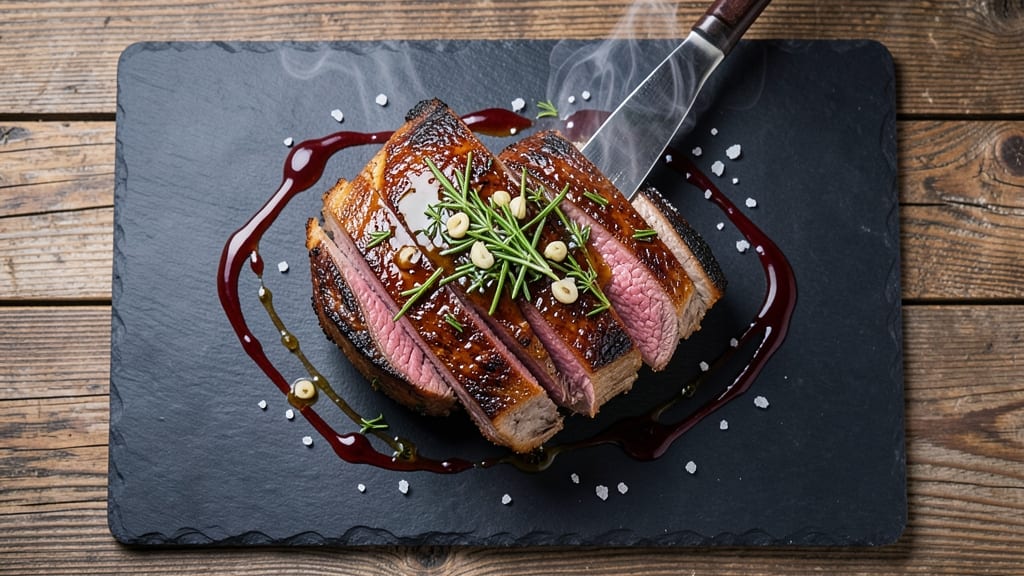
The Angus beef ribeye roast transforms Sunday dinners into a culinary event where every bite delivers melt-in-your-mouth tenderness and rich, beefy flavor. This recipe focuses on precision—from properly seasoning the herb crust to mastering the perfect internal temperature—so you achieve restaurant-quality results at home.
The key lies in balancing high heat for a caramelized crust with slow cooking for deep, even doneness throughout.
What sets this method apart is the herb-crusted exterior, which adds aromatic depth while protecting the meat during roasting. Whether you prefer classic reverse searing or a traditional oven approach, the technique ensures a juicy center and crispy edges.
The ribeye’s natural marbling guarantees a luxurious mouthfeel, while the herb crust elevates the dish from ordinary to extraordinary.
By the time you serve this roast, your table will be adorned with a centerpiece that’s visually stunning and packed with flavor—golden-brown crust, perfectly seared surfaces, and tender meat that practically falls apart.
The aroma alone will have everyone anticipating the first bite, making it a showstopper for family gatherings or special occasions.
Pair it with classic sides like roasted garlic mashed potatoes or a crisp green salad to complete the meal. The recipe’s flexibility allows you to adapt it to your preferred cooking style, ensuring success whether you’re a seasoned chef or a home cook looking to impress.
Let’s get started on creating this masterpiece.
Ingredients for angus beef ribeye roast
Six ingredients transform a simple roast into a Sunday centerpiece of restaurant-quality beefy perfection.
| Ingredient | Amount | Notes |
|---|---|---|
| Angus Beef Ribeye Roast 🥩 | 4 lb | Bone-in, 1.5-2 inches thick |
| Fresh Rosemary 🌿 | ¼ cup | Finely chopped, stems removed |
| Fresh Thyme 🌿 | ¼ cup | Leaves only, stems discarded |
| Fresh Garlic Cloves 🧄 | 8 cloves | Minced, skin left on |
| Extra-Virgin Olive Oil 🫒 | ⅓ cup | For crust and searing |
| Diamond Crystal Kosher Salt 🧂 | 1 ½ tbsp | Coarse grain preferred |
| Freshly Ground Black Pepper 🌶️ | 1 tbsp | Freshly cracked preferred |
| Unsalted Butter 🧈 | ½ cup | Cold, cubed for basting |
| Yellow Onion 🧅 | 1 whole | Thinly sliced, for garnish |
| Fresh Parsley 🌿 | ⅛ cup | Chopped, for garnish |
| Red Wine 🍷 | ½ cup | Bold dry variety, like Cabernet |
| Beef Tallow or Duck Fat 🧈 | 2 tbsp | For extra crust crispiness |
The Angus beef ribeye roast is where this masterpiece begins—look for USDA Prime or Choice grade with visible marbling. Costco or local butchers often carry the best cuts, but the supermarket's Angus section works too. A 4-pound bone-in roast gives you generous portions while keeping the cooking time manageable. The thicker the cut (1.5-2 inches), the better it holds up to high heat without overcooking. If your roast has a thick fat cap, leave it on—it renders beautifully during cooking and adds flavor. For the herbs, fresh is non-negotiable—dried won't give that aromatic punch you're going for here.
No fresh rosemary? Fresh thyme and a splash of lemon zest can cover, but it won't be the same. Running short on red wine? Beef broth with a splash of balsamic vinegar works in a pinch, though it lacks the depth. The butter should be cold and cubed—don't melt it ahead of time, or the crust won't form properly. For the garlic, peel and smash the cloves with the flat side of your knife for maximum flavor infusion. If you're feeling fancy, add 1 tsp of smoked paprika to the herb mix for an extra layer of complexity. And trust me, skip the pre-minced garlic—freshly minced makes all the difference.
This roast is best served fresh, but leftovers reheat beautifully—low and slow in a skillet with a splash of beef broth brings back that juicy texture. Store in the fridge for up to 4 days, wrapped tightly in butcher paper (not plastic) to keep it moist. For longer storage, freeze for up to 3 months—thaw overnight in the fridge before reheating. The herb crust keeps best when made fresh, but you can prep the dry ingredients ahead and mix just before roasting. Save the fat from the roasting pan—it's pure flavor gold for basting or future pan sauces.
Why You'll Love This Recipe
- Minimal Prep Required: I swear by this—just sear the roast in olive oil, toss in whole garlic cloves and sprigs of rosemary and thyme, then roast. No dicing, no mincing, no stress. The herbs release their aroma right into the meat as it cooks, so you’re basically setting it and forgetting it.
- Rich, Herby Magic: That first bite? The ribeye’s buttery marbling melts into your mouth while the garlic and rosemary sing in the background. I’ll be real: I’ve tried fancier herb blends, but this simple combo—just thyme, garlic, and olive oil—is the secret weapon. It’s bold but not overpowering, and the crust? Chef’s kiss.
- Weeknight or Sunday Feast: Between us, this roast is my go-to for both lazy Fridays and when the in-laws come over. Slice it thin for sandwiches or serve thick for a hearty dinner. The leftovers? Perfect for hash the next day or tossed into pasta. It’s the kind of dish that works hard for you without trying too hard.
- Leftovers That Don’t Suck: Most roasts turn into sad, dry scraps by day two. Not this one. The fat in the ribeye keeps it juicy, and the herb crust adds flavor even when reheated. I pack half the leftovers for lunch—my coworkers actually ask for seconds, which never happens. Plus, it’s way cheaper than takeout. Win-win.
Step-by-step instructions for herb-crusted Angus beef ribeye roast
Here's how to create a showstopping centerpiece that transforms your Sunday dinner into a gourmet experience.
Prepare the Herb Crust Mixture
In a food processor, pulse the 0.25 cup fresh rosemary and 0.25 cup fresh thyme with the 8 cloves fresh garlic cloves until finely chopped but not pasty. Transfer to a mixing bowl and combine with 0.33 cup extra-virgin olive oil, 1.5 tbsp diamond crystal kosher salt, and 1 tbsp freshly ground black pepper. The mixture should have a vibrant green hue and an intoxicating aroma—this is your flavor foundation.
Add the 0.5 cup unsalted butter (cold and cubed) and 2 tbsp beef tallow or duck fat to the herb mixture. Pulse briefly in the food processor until the butter begins to break down but still holds some texture. This combination creates a luxurious crust that's both aromatic and rich. Spread this mixture evenly over the entire surface of the 4 lb angus beef ribeye roast, pressing gently to adhere. Let it sit at room temperature for 30 minutes while you preheat your oven.
Sear the Roast for Maximum Flavor
Preheat your oven to 425°F with a rack positioned in the lower third. Heat a large oven-safe skillet over high heat until smoking hot. Place the herb-coated roast in the skillet and sear for 4-5 minutes per side until deep golden brown with crispy crust forming. Real talk: this step is non-negotiable for developing that perfect crust and locking in juices.
Once seared, transfer the skillet to the preheated oven. The residual heat will help carry the roast to the perfect internal temperature. Pour the 0.5 cup red wine into the skillet and scrape up any browned bits from the bottom—this creates a pan sauce that will elevate your dish. Roast for 20 minutes, then reduce oven temperature to 325°F for even cooking.
Roast to Perfect Medium-Rare
Continue roasting for 2-2.5 hours until the internal temperature reaches 120-125°F for medium-rare (use a meat thermometer for accuracy). The roast should have a beautiful mahogany crust and the herbs should be caramelized. Here's the thing—Angus beef has excellent marbling, so it needs this precise temperature control to stay tender without drying out.
About 30 minutes before the roast is done, prepare your basting butter by melting 0.25 cup unsalted butter in a small saucepan over low heat. Once the roast reaches 115°F, brush it generously with the basting butter every 15 minutes until it reaches the target temperature. This creates a glossy finish and adds another layer of richness.
Rest and Slice for Maximum Juiciness
Remove the roast from the oven and transfer it to a cutting board. Tent loosely with aluminum foil and let it rest for 30-45 minutes—this is crucial for redistributing juices throughout the meat. Don't skip this step (I learned the hard way). While resting, keep the roast warm by placing it on a wire rack set over a baking sheet.
Slice the roast against the grain into 1-inch thick portions. Garnish each serving with thinly sliced yellow onion and chopped fresh parsley for a pop of color and freshness. The finished roast should have a perfect balance of crispy herb crust, tender beef, and juicy interior. Serve immediately with your favorite sides to complete the Sunday dinner experience.
Pro Tips For Making Angus Beef Ribeye Roast
- USE A MEAT THERMOMETER: I learned this the hard way—ribeye roast looks done when it’s not. Aim for 120°F (49°C) for medium-rare (yes, even if it’s still pink inside), then pull it when the internal temp hits 125°F (52°C) for medium. Angus is forgiving, but guessing leads to overcooked disappointment.
- DRY THE ROAST WELL: Pat that beef dry with paper towels—not just once, but twice—before searing. Moisture steams instead of browns, and you’ll end up with sad, pale crust instead of the deep, caramelized flavor you’re after. (I know, I know, but trust the process.)
- SALT THE GARLIC SLICES: Skip the whole clove hack—slice those garlic cloves in half horizontally and sprinkle them with a pinch of salt before pressing them into the meat. The salt draws out moisture, making them crispier and more flavorful when roasted. (Your future self will thank you.)
- REST IT UNDER FOIL: After roasting, tent that ribeye with foil for 10-15 minutes—not just 5—before carving. The heat redistributes, keeping juices locked in instead of pooling on the cutting board. I used to skip this, and the meat always felt dry by the time I served it. (Yes, even if you’re impatient like me.)
Flavor customization for this dish
Bold Herb Variations
Swap the rosemary-thyme blend for fresh sage and rosemary (1:1 ratio) for a more earthy, slightly peppery crust that pairs beautifully with the beef's richness. I've found that 1 tbsp of fresh oregano added to the herb mix enhances the wine reduction's depth when deglazing the pan.
For a smoky twist, mix in 1 tsp of smoked sea salt with the coarse kosher salt—it adds complexity without overpowering. 🌿
Spice-Forward Crust
Add 1 tsp of crushed juniper berries to the herb mixture for a Nordic-inspired depth that complements the wine reduction. For heat lovers, include ½ tsp of cayenne pepper with the black pepper—it creates a subtle kick that balances the buttery richness.
I recommend Penzeys Spices for high-quality juniper berries and cayenne. The key is to toast the spices lightly in a dry pan for 30 seconds before adding them to the herb mix to intensify their flavors.
Citrus Brightening
Zest 1 lemon and add it to the herb mixture for a bright, aromatic contrast that cuts through the beef's richness. The acidity also helps tenderize the meat slightly. For a more pronounced citrus note, add 2 tbsp of lemon juice to the red wine reduction while deglazing the pan.
I've noticed this works especially well with Cabernet Sauvignon—the wine's tannins pair beautifully with the citrus. 🍋
Umami Boosters
Add 1 tbsp of soy sauce to the herb mixture for an umami punch that deepens the flavor profile. For a more traditional approach, include 1 tsp of Worcestershire sauce in the wine reduction.
I've found that 1 tsp of fish sauce (just a whisper!) adds another layer of complexity without overpowering. The key is to use high-quality sauces—Annie Chun's or Lee Kum Kee work well for soy sauce, while Heinz 57 is a reliable choice for Worcestershire.
Cheese-Enhanced Crust
Mix ½ cup of grated Parmesan cheese into the herb butter for a nutty, salty crust that adds texture. I recommend Parmigiano-Reggiano for its rich flavor.
For a creamier option, fold ¼ cup of cream cheese into the herb butter mixture—it creates a luxurious, spreadable crust that melts slightly during roasting. The cheese adds a beautiful golden color to the finished roast while enhancing its savory depth. 🧀
Seasonal Adaptations
In summer, add 1 tbsp of fresh basil to the herb mix for a bright, Mediterranean-inspired twist. For fall, include ½ tsp of cinnamon and ¼ tsp of allspice in the herb mixture—these warm spices complement the beef's richness while adding seasonal depth.
Winter calls for 1 tsp of fresh thyme and ½ tsp of ground nutmeg in the crust, which pairs beautifully with the wine reduction's depth. Spring is perfect for 1 tbsp of fresh dill mixed into the herb butter for a fresh, herbaceous note. 🌸
Nutrition facts
Frequently asked questions
What's the best internal temperature for medium-rare Angus beef?
For perfect medium-rare doneness, aim for 120-125°F internal temperature. Use a meat thermometer inserted into the thickest part of the roast—this ensures juicy, tender beef without overcooking. The natural marbling in Angus beef helps maintain moisture at these temperatures.
Can I use a different cut of beef instead of ribeye?
Ribeye is ideal for its marbling and flavor, but you could use New York strip or filet mignon with similar success. Avoid leaner cuts like sirloin—they lack the fat needed for juicy results. The herb crust works best on cuts with good marbling for maximum flavor.
How do I prevent the roast from drying out?
Keep the roast covered with foil after the initial sear to trap moisture, and baste with melted butter every 15 minutes during the last 30 minutes of cooking. Never overcook—remove it when it reaches 115°F and let it rest to reach the final temperature. The resting period redistributes juices throughout the meat.
What's the best way to reheat leftovers?
Slice leftovers into ½-inch thick portions and reheat in a skillet over medium-low heat with a splash of beef broth for 2-3 minutes per side. Avoid microwaving—it makes the meat tough. For whole roast leftovers, wrap tightly in butcher paper and reheat at 300°F for 15-20 minutes.
Can I make this recipe in a slow cooker?
Not ideal for this cut—slow cooking breaks down the meat's texture and removes juices. Instead, try the reverse sear method: sous vide at 130°F for 4-6 hours, then sear in a hot pan. The herb crust works best when formed fresh before searing, not during slow cooking.