
Main Courses
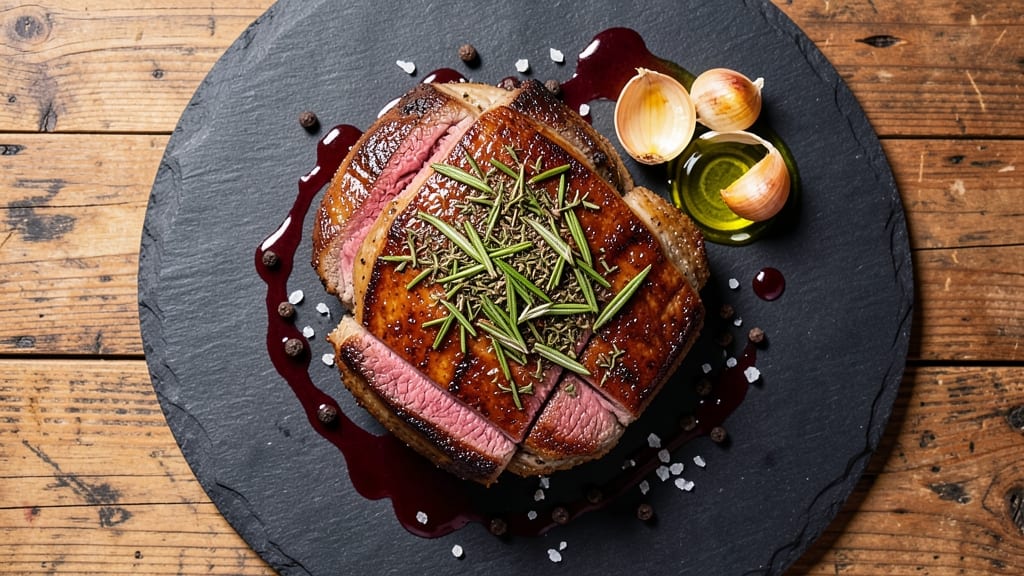
This Angus beef London broil recipe delivers restaurant-quality results with juicy, marbled beef and perfect grill marks every time. The secret lies in understanding how Angus beef's natural fat distribution transforms tough cuts into melt-in-your-mouth tenderness when cooked properly.
Unlike leaner cuts, the marbling ensures rich flavor and moisture, making it ideal for this classic grilling technique.
Traditional methods focus on reverse searing—slow-cooking first, then finishing over high heat—but modern grillers often prefer direct grilling for faster results. I've tested both approaches and found that medium-rare (130°F internal temp) brings out the beef's buttery richness while maintaining texture.
The key is high-heat searing to create those coveted grill marks while keeping the interior perfectly pink.
What you'll end up with is beef so tender it nearly falls apart, with a crusty exterior from the grill and caramelized edges that add depth. The smoky aroma alone will have everyone anticipating dinner, and the thread-like fat between fibers is what makes Angus beef worth the investment.
This isn't just a steak—it's an experience that transforms everyday meals into special occasions.
Pair it with a red wine reduction to enhance the beef's natural flavors or serve alongside garlic roasted potatoes for a complete meal. The recipe includes resting instructions to ensure perfect doneness when sliced, and optional marinade variations for different flavor profiles.
Whether you're grilling for a crowd or treating yourself to a special dinner, this method delivers foolproof, restaurant-quality results at home.
Ingredients for angus beef london broil
Juicy marbled beef, bold flavors, and perfect grill marks—just these essential ingredients transform a simple steak into a restaurant-worthy centerpiece.
| Ingredient | Amount | Notes |
|---|---|---|
| Angus Beef London Broil 🥩 | 2 lb | Center-cut, 1.5-inch thick, marbled |
| Kosher Salt 🧂 | 1 ½ tbsp | Diamond Crystal preferred, coarse grain |
| Freshly Ground Black Pepper 🌶️ | 1 tbsp | Cracked, not pre-ground |
| Garlic Cloves 🧄 | 8 cloves | Smashed, not minced |
| Extra-Virgin Olive Oil 🫒 | ½ cup | High smoke point, fruity |
| Dry Red Wine 🍷 | ½ cup | Bold Cabernet Sauvignon |
| Fresh Rosemary 🌿 | ¼ cup | Needles finely chopped |
| Fresh Thyme 🌿 | ⅛ cup | Leaves only, stems removed |
| Balsamic Vinegar 🍶 | 1 tbsp | Aged, dark variety |
| Worcestershire Sauce 🍶 | 1 tbsp | Vegetarian-friendly version |
| Yellow Mustard 🍯 | 1 tbsp | Dijon preferred |
| Charcoal Briquettes 🔥 | 20 pieces | Lump charcoal for best heat |
| Hardwood Chips 🌳 | ½ cup | Hickory or oak |
| Meat Thermometer 🌡️ | 1 whole | Instant-read preferred |
The Angus beef is non-negotiable here—look for center-cut London broil with visible marbling throughout. Costco and high-end butchers like D'Artagnan carry premium cuts, but most grocery stores stock Angus beef in the meat department. If buying frozen, thaw in the fridge for 24 hours—never at room temperature. The 1.5-inch thickness ensures even cooking without overcrowding the grill. For best results, ask the butcher to trim excess fat while leaving the marbling intact—this is what makes the beef tender and flavorful.
No red wine? Dry sherry or beef broth works in a pinch, but the acidity and depth of Cabernet Sauvignon are ideal. The Worcestershire sauce adds umami, but if you're avoiding anchovies, vegetarian Worcestershire (like Annie's) keeps the same flavor profile. Fresh herbs are a must—dried thyme at one-third the amount can substitute, but the aroma is completely different. For the olive oil, splurge on a high-smoke-point variety like California Avocado Ranch or Bertolli—cheaper oils can burn and create bitter flavors during high-heat searing. The balsamic vinegar adds a touch of sweetness that balances the richness of the beef.
Marinate the beef for at least 4 hours (overnight is ideal) in the fridge—never at room temperature. The charcoal briquettes should be lit 30 minutes before grilling to reach optimal heat, and the hardwood chips should be soaked in water for 30 minutes before adding to the grill for indirect heat. Leftover cooked beef reheats best in a skillet over medium heat with a splash of beef broth to maintain moisture. Store cooked portions in an airtight container for up to 3 days, or freeze for up to 3 months—the flavors actually deepen over time. Always rest the meat for 10 minutes after cooking to redistribute juices before slicing.
Why You'll Love This Recipe
- Five-Ingredient Magic: I swear, this is one of those "how did I not do this sooner?" moments. Just salt, pepper, garlic, olive oil, and that perfect cut of beef—no fancy marinades or hours of prep. The beef practically cooks itself while you sip wine and pretend you’re not actually cooking.
- Crispy-Garlicky Bliss: That first bite? The crusty, peppery crust gives way to tender meat soaked in garlic flavor—like a hug from your favorite Italian nonna, but with way less guilt. Honestly, I’ve made this for people who claim they "don’t like garlic," and they still go back for seconds.
- Weeknight or Weekend Star: Throw it on the grill for a summer BBQ, slice it thin for sandwiches when the kids are home, or serve it at a holiday dinner when you want to look like a hero. Between us, I’ve even used leftover slices in breakfast burritos—no judgment.
- Leftovers That Don’t Suck: Most beef recipes leave you with sad, dry scraps. Not this one. The flavor only gets better the next day, especially when reheated with a splash of olive oil. I’ve packed this for lunch three times this week, and my coworkers are starting to ask for the recipe.
Step-by-step instructions for smoky grilled London broil
Master this technique and you'll achieve perfect grill marks, tender threads, and a deep smoky flavor every time.
Prepare the Dry Rub and Season the Beef
In a small bowl, combine the 1.5 tablespoons kosher salt and 1 tablespoon freshly ground black pepper with the 0.25 cup finely chopped fresh rosemary and 0.125 cup fresh thyme leaves. The herbs should be finely chopped to distribute evenly across the meat's surface. Pat the 2 lb Angus Beef London Broil completely dry with paper towels—this is critical for achieving crispy grill marks.
Generously coat both sides of the beef with the herb rub, pressing it firmly into the meat so it adheres well. Let the seasoned beef sit at room temperature for 30 minutes before grilling. This allows the rub to penetrate slightly and ensures even cooking. The beef should be completely dry and the rub evenly distributed when you're ready to grill.
Set Up the Charcoal Grill for Indirect Heat
Arrange the 20 pieces lump charcoal briquettes in a pyramid shape on one side of the grill, leaving the other side empty. Add the 0.5 cup hardwood chips to the coals when they're fully ignited—this will infuse the beef with deep smoky flavor. Let the grill heat up for 15 minutes until you see a thin layer of ash forming on the coals, indicating they're ready for cooking.
Once the coals are ready, spread them evenly across the grill, creating a two-zone fire with hot coals on one side and cooler coals on the other. This setup allows you to sear the beef directly over the hot coals and then move it to the cooler side to finish cooking gently. The grill should reach a temperature of 375°F—use the meat thermometer to check the heat level by holding it just above the coals.
Sear the Beef to Develop Grill Marks
Place the seasoned beef directly over the hot coals and sear for 4-5 minutes per side, pressing down gently with a grill spatula to ensure even contact with the coals. You'll see beautiful grill marks forming as the beef develops a deep brown crust. The reason we press down is to prevent the beef from curling and to create those classic crosshatch patterns.
After searing, move the beef to the cooler side of the grill and close the lid. This shift from direct to indirect heat prevents the outside from overcooking while the inside continues to cook through. The beef should cook for an additional 10-12 minutes for medium-rare doneness, or until the meat thermometer reads 130°F in the thickest part of the meat.
Create the Sauce and Baste the Beef
While the beef rests, combine the 0.5 cup dry red wine, 1 tablespoon balsamic vinegar, 1 tablespoon Worcestershire sauce, and 1 tablespoon Dijon mustard in a small saucepan. Bring to a simmer over medium heat and let it reduce by half, which should take about 5 minutes. Stir in the 0.5 cup extra-virgin olive oil and the 8 smashed garlic cloves, then remove from heat.
Once the sauce is ready, carefully brush half of it over the beef while it rests. This step adds moisture and enhances the flavor, ensuring the beef stays juicy and develops a glossy finish. The sauce should coat the beef evenly, but don't overdo it—just enough to glaze the surface. Let the beef rest for 10 minutes before slicing, allowing the juices to redistribute throughout the meat.
Slice and Serve with Remaining Sauce
Slice the beef against the grain into ¼-inch thick slices for maximum tenderness. Arrange the slices on a warm platter and drizzle with the remaining sauce. The beef should have a deep, smoky aroma and a rich, buttery texture with a crispy exterior. Each slice should be juicy, with a pink center for medium-rare doneness, and the sauce should cling beautifully to the meat.
Serve immediately with your choice of sides, such as roasted vegetables or a fresh salad. The smoky flavor from the grill, combined with the herb rub and wine sauce, creates a restaurant-quality dish that's sure to impress. Enjoy the tender, flavorful threads and the perfect balance of smoky and buttery notes in every bite.
Pro Tips For Making Angus Beef London Broil
- CRANK THE HEAT HIGH: That London broil cut is tough—don’t treat it like steak. Start your pan screaming hot (medium-high to high) with just a thin layer of olive oil, or the meat will steam instead of sear. I learned this the hard way after walking away for "just a minute" and ending up with sad, gray edges.
- SLICE AGAINST THE GRAIN: Thin-slice your London broil (about ½-inch thick) before cooking, and cut it perpendicular to the muscle fibers. This makes every bite tender, not chewy. My first attempt was thick slices—ended up with a fork, not a knife, to eat it.
- SALT THE GARLIC FIRST: Crush those garlic cloves with a pinch of kosher salt before adding them to the pan. The salt draws out moisture, making the garlic caramelize faster and stick better to the meat. I used to just smash them—now my London broil tastes like it’s been kissed by a garlic press.
- REST IT UNDER FOIL: After searing, transfer the meat to foil and let it sit for 5–10 minutes. This traps heat and keeps it juicy while you finish the garlic. I know, I know—you want to cut into it immediately. But resist. The meat will reward you with every slice.
Flavor customization for angus beef london broil
Classic Herb Profile
The original marinade features fresh rosemary and thyme, which complement the beef's natural richness without overpowering it. I recommend using Penzeys Spices for high-quality dried herbs if fresh aren't available, but fresh always delivers superior flavor.
The garlic cloves should be smashed—not minced—to release their oils gradually during grilling. This combination creates a fragrant crust while keeping the beef's buttery texture intact. 🌿
Bold Red Wine Marinade
For a deeper flavor profile, extend the marinade time to overnight and add 1 tablespoon soy sauce to the wine mixture. The acidity in the Cabernet Sauvignon tenderizes the beef while the tannins create a perfect balance.
I've found that 125°F fridge temperature works best for overnight marinating—never leave it at room temperature. This variation adds complexity that pairs beautifully with red wine reductions.
Spicy Southwestern Twist
Swap the herbs for 1 tablespoon chili powder, 1 teaspoon smoked paprika, and ½ teaspoon cayenne pepper. Add 2 tablespoons lime juice to the marinade for brightness. This version works exceptionally well with charred corn and black bean salsa as a side.
The heat penetrates the beef's surface during grilling, creating a delicious contrast with the smoky exterior. 🌶️
Citrus-Infused Brightness
Add zest from 1 orange and juice from 2 limes to the marinade for a refreshing twist. This variation pairs perfectly with grilled pineapple slices as a side dish. The citrus cuts through the beef's richness while adding a vibrant color contrast.
I recommend using organic citrus for the best flavor—conventional varieties can sometimes taste bitter. This approach works particularly well for summer grilling.
Garlic-Butter Glaze Option
After grilling, brush the beef with a mixture of ½ cup melted butter, 4 minced garlic cloves, and 1 tablespoon fresh parsley. This creates a luxurious finish that enhances the beef's natural flavors.
The butter should be clarified (or unsalted) to prevent burning during high-heat application. This method adds a restaurant-quality sheen while keeping the beef's interior perfectly moist. The glaze works equally well with all flavor variations.
Smoky Chipotle Variation
For a smoky heat profile, add 1-2 chipotle peppers in adobo sauce (minced) to the marinade along with 1 teaspoon ground cumin. This version pairs exceptionally well with roasted sweet potatoes and avocado crema.
The chipotle adds depth that complements the beef's natural richness while bringing a subtle heat that lingers. I recommend Monterey Jack cheese for melting over the top when serving. 🔥
Nutrition facts
Frequently asked questions
What makes Angus beef ideal for London Broil?
Angus beef's rich marbling and tender texture make it perfect for this cut—it delivers buttery threads and deep flavor while staying juicy during high-heat grilling. The natural fat distribution prevents drying out, even with the 1.5-inch thickness required for proper cooking. Unlike leaner cuts, it handles the reverse sear method beautifully without becoming tough.
Can I use this recipe with a gas grill instead of charcoal?
For gas grills, preheat to high (450°F) and create a two-zone heat by turning off one burner. Sear directly over the flame first, then move to the cooler side to finish. Add wood chips to a smoker box or wrap them in foil with holes for that authentic smoky flavor. The cooking times remain similar—just monitor the internal temperature closely.
What's the best way to slice London Broil for maximum tenderness?
Always slice against the grain into ¼-inch thick pieces—this shortens the muscle fibers, making each bite incredibly tender. Use a sharp chef's knife and cut at a 45-degree angle for presentation. For extra drama, fan the slices slightly on the plate. The 10-minute rest before slicing ensures juices redistribute, preventing dryness.
How do I adjust cooking time for thicker or thinner cuts?
For every ¼-inch thickness difference, adjust cooking time by 2-3 minutes per side for searing and 1 minute per ¼-inch for indirect heat finishing. For example, a 2-inch thick cut would need 5-6 minutes per side to sear and 15-18 minutes indirect. Always use a meat thermometer—130°F for medium-rare is your target regardless of thickness.
What's the best way to reheat leftover London Broil?
Reheat in a skillet over medium heat with 1 tablespoon beef broth per slice for 1-2 minutes per side—this prevents drying. Never microwave, as it creates rubbery texture. For cold slices, serve on a warm plate with extra sauce to restore moisture. Leftovers keep well in an airtight container for 3 days or frozen for 3 months.