
Main Courses
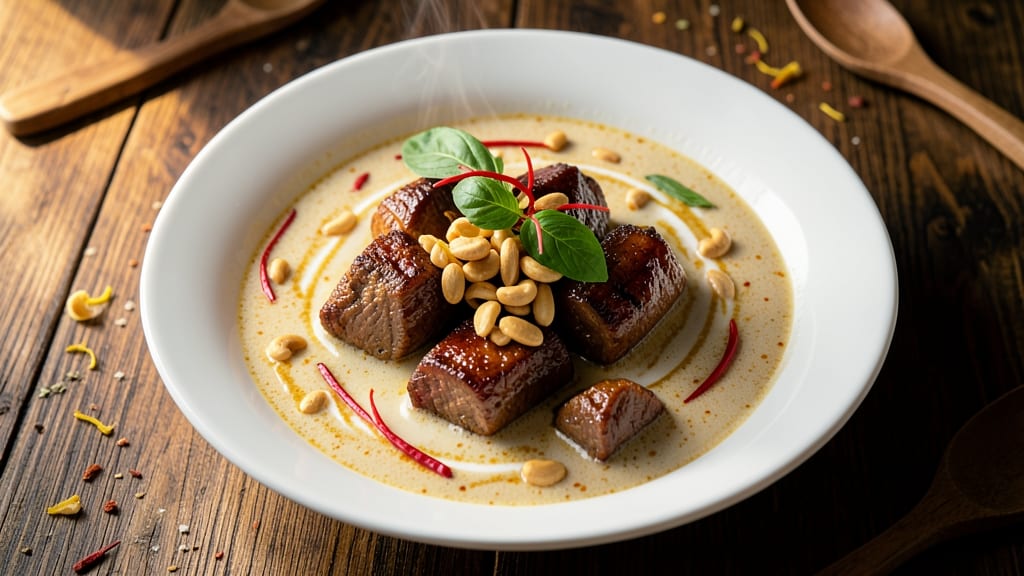
America's Test Kitchen's Panang beef curry delivers restaurant-quality depth with balanced spice and coconut harmony. This recipe transforms tough beef into tender, flavorful pieces swimming in a rich, aromatic sauce that's sweet, tangy, and just spicy enough.
The secret lies in proper searing and slow simmering to develop layers of umami without overpowering the delicate balance of ingredients.
What sets this curry apart is the careful combination of spices and coconut milk, creating a sauce that's both creamy and complex. We'll start with a proper sear to build flavor, then build the sauce through gradual reduction—never letting it boil vigorously, which would break the emulsion.
The result is a curry that's deeply satisfying yet approachable for home cooks.
By the end, you'll have perfectly tender beef with a caramelized exterior, all coated in a velvety sauce that's rich but not heavy. The aroma alone will transform your kitchen into a Thai-inspired haven.
This method ensures every bite delivers that perfect harmony of sweet, spicy, and umami notes that makes this curry so universally loved.
The beauty of this recipe is its versatility—serve it over jasmine rice for a complete meal or with crusty naan for extra texture. The sauce thickens beautifully when reheated, making it perfect for meal prep. Let's create this balanced, flavorful curry that rivals your favorite Thai restaurant.
Ingredients for america's test kitchen panang beef curry
Pantry staples plus a few Thai market finds for restaurant-quality Panang beef curry.
| Ingredient | Amount | Notes |
|---|---|---|
| Chuck Roast 🥩 | 1 ½ lb | Cut into 1-inch cubes |
| Coconut Milk 🥥 | 1 can | Full-fat, 13.5 oz can |
| Panang Curry Paste 🌶️ | 2 tbsp | Store-bought or homemade |
| Fish Sauce 🍶 | 1 tbsp | High-quality brand preferred |
| Brown Sugar 🍯 | 2 tbsp | Light or dark variety |
| Lime Juice 🍋 | 2 tbsp | Freshly squeezed |
| Garlic Cloves 🧄 | 4 cloves | Minced for aromatic base |
| Shallots 🧅 | 2 whole | Finely chopped |
| Vegetable Oil 🫒 | 2 tbsp | For searing beef |
| Jasmine Rice 🍚 | 1 ½ cups | Uncooked, for serving |
| Salt 🧂 | 1 tsp | Kosher or sea salt |
| Black Pepper 🌶️ | ½ tsp | Freshly ground |
| Fresh Cilantro 🌿 | ¼ cup | Chopped for garnish |
| Red Curry Paste 🌶️ | 1 tbsp | Optional for extra depth |
The chuck roast is your secret weapon—it stays tender through long simmering while developing deep flavor. Costco or Trader Joe's usually have it pre-cubed, but if you're buying a whole roast, ask the butcher to cut it into 1-inch pieces. Look for good marbling—this fat renders out during cooking, keeping the beef moist. For the curry paste, Maesri or Thai Kitchen brands are reliable, but if you're feeling adventurous, making your own from scratch takes it to the next level. The coconut milk? Full-fat only—anything less and the sauce won't be creamy enough to stand up to the beef.
No fish sauce? Soy sauce at half the amount works in a pinch, though it won't be quite the same. Running short on lime juice? Lemon juice works, but the flavor profile shifts slightly. The brown sugar is non-negotiable—it balances the heat and adds that signature sweetness. For the shallots, red or yellow work fine, but avoid the green tops. Want to deepen the flavor? Add 1 tsp of shrimp paste if you can find it. The jasmine rice is traditional, but basmati or even long-grain white will work if that's what you've got. And if you're curious about that optional red curry paste? It adds layers of complexity—use it if you love bold flavors.
This curry tastes even better the next day as the flavors meld together. Store leftovers in an airtight container in the fridge for up to 5 days, or freeze for 3 months. I like to portion it into meal prep containers with rice so I can grab it straight from the fridge. The sauce thickens nicely when reheated—just add a splash of water if it gets too stiff. And if you make extra, naan or flatbread soaks up all the delicious sauce. The fresh cilantro is just for garnish, so don't stress if you don't have any—it's not essential.
Why You'll Love This Recipe
- One-Pot Magic: I swear by this recipe—just brown the chuck roast, toss in the Panang paste, and let it simmer. No chopping, no fussing, and that coconut milk melts into the meat like it was made for each other.
- Umami Bomb: Between the fish sauce’s salty punch and brown sugar’s caramelized warmth, every spoonful is ridiculously balanced. The paste brings all the smoky, citrusy depth without needing extra spices.
- Leftovers That Shine: This curry tastes even better the next day—perfect for meal prep. I make a big batch on Sundays, and by Wednesday, it’s still my go-to when I’m too tired to cook.
- Budget Stretch: Chuck roast is cheap, and this recipe stretches it into three or four meals. Honestly, it’s my secret weapon for feeding the family without breaking the bank.
Step-by-step instructions for america's test kitchen Panang beef curry
Here's the method that delivers rich, balanced flavors with tender beef every time.
Sear the Chuck Roast for Maximum Flavor
Heat the 2 tablespoons vegetable oil in a large Dutch oven over medium-high heat until shimmering. Pat the 1.5 lb chuck roast dry with paper towels—this ensures a proper sear. Add the beef in a single layer and let it cook undisturbed for 3-4 minutes until deeply browned on one side.
Flip the beef and sear the other side for another 3-4 minutes. Here's the thing—don't rush this step. You want those caramelized crusts that pack serious flavor. Once both sides are golden brown, remove the beef and set it aside on a plate. The residual heat will keep it warm while you build the curry base.
Build the Aromatic Curry Base
In the same Dutch oven, reduce heat to medium and add the 2 whole shallots and 4 cloves garlic cloves that you've finely chopped. Cook for 3-4 minutes until the shallots turn translucent and the garlic releases its fragrant aroma. You'll smell it before you see it—this is when the kitchen gets good.
Stir in the 2 tablespoons panang curry paste and 1 tablespoon red curry paste (if using), cooking for 1 minute to toast the spices. This step develops their flavors before adding liquids. Pour in the 1 can coconut milk, scraping up any browned bits from the bottom of the pot. Bring to a gentle simmer, then reduce heat to low and let it cook for 5 minutes to meld the flavors.
Simmer the Beef Until Tender
Return the seared beef to the Dutch oven along with any accumulated juices. Add the 1 tablespoon fish sauce, 2 tablespoons brown sugar, and 1 teaspoon salt. The sugar will help balance the acidity and deepen the flavors. Bring the mixture to a simmer, then cover and cook for 1 hour to 1 hour 15 minutes, until the beef is fork-tender.
Here's where patience pays off. The beef should practically fall apart when pierced with a fork. Stir occasionally to prevent sticking, but don't worry about browning the bottom—this rich sauce will coat everything beautifully. If the sauce starts to reduce too much, add ¼ cup water to maintain the proper consistency.
Finish with Bright, Balanced Flavors
Once the beef is tender, stir in the 2 tablespoons lime juice and ½ teaspoon black pepper. This brightens the dish and cuts through the richness of the coconut milk. Taste and adjust seasoning—you might need a little more salt or lime juice to balance the flavors. The curry should be rich but not overwhelmingly salty or sour.
Let the curry simmer uncovered for another 5 minutes to thicken slightly. The sauce should coat the back of a spoon but still be spoonable. If it's too thin, simmer a bit longer. If it's too thick, stir in a splash more coconut milk or water. The perfect consistency should cling to the beef and rice without being gloppy.
Serve with Jasmine Rice and Fresh Garnish
While the curry simmers, cook the 1.5 cups jasmine rice according to package instructions. Fluffy, separate grains are key—don't skip rinsing the rice first if the instructions suggest it. The rice should be hot when you serve it alongside the curry.
To serve, spoon the beef and curry sauce over the jasmine rice. Garnish with the ¼ cup chopped fresh cilantro just before serving. The cilantro adds a fresh contrast to the rich, spicy curry. Serve immediately while everything is hot and the flavors are at their peak. This dish tastes even better the next day, so make extra if you can!
Pro Tips For Making America'S Test Kitchen Panang Beef Curry
- Brown the Roast First: The chuck roast needs a deep, dark crust to carry the curry’s flavors—don’t skip browning. Sear it in batches over medium-high heat for 5-6 minutes per side until it’s deeply caramelized, or you’ll end up with a pale, bland base.
- Bloom the Paste Dry: Sauté the Panang curry paste in the pot for 2-3 minutes before adding oil or liquid. This lets the spices toast and release their aroma—skipping this step means missing half the flavor, no matter how much coconut milk you add.
- Simmer Low and Slow: After adding the coconut milk, keep the heat at a gentle simmer (not a rolling boil) for the full 2.5–3 hours. High heat will split the milk and turn the curry greasy—patience here makes the difference between rich and watery.
- Taste Early, Adjust Late: Check the fish sauce and brown sugar balance at the 1.5-hour mark, not the end. The curry will deepen in flavor as it cooks, so if it’s too salty or sweet now, it’ll be overpowering by the finish—better to tweak early.
Pro cooking tips for great america's test kitchen panang beef curry
Sear Like a Pro
That initial sear is where all the magic starts. Use a large Dutch oven—I recommend a 10-quart Lodge—and heat your 2 tablespoons vegetable oil until it's hot enough to make a ripple when you add the beef.
Pat the 1.5 lb chuck roast completely dry with paper towels before searing. Wet beef steams instead of browning, and you need that golden crust for deep flavor. Let each piece sear undisturbed for 3-4 minutes—this builds the Maillard reaction that creates complex flavors. 🔥
Low-and-Slow Simmer
After searing, the real test begins: patience. Cover the pot and simmer the beef on low heat for 1 to 1.5 hours. The key is maintaining a gentle simmer—not a rolling boil, which can make the sauce break.
I use a meat thermometer to check doneness at 203°F internal temperature. If the sauce reduces too much, add ¼ cup water to keep it luscious. The beef should be fork-tender but still hold its shape slightly.
Balancing Act
The sauce needs three elements in perfect harmony: sweetness (brown sugar), acidity (lime juice), and umami (fish sauce). Taste as you go—this is where most home cooks go wrong. Start with the 2 tablespoons lime juice and ½ teaspoon black pepper, then adjust.
Need more brightness? Add another teaspoon of lime. Want deeper flavor? A splash more fish sauce (but don’t overdo it—it’s salty!). The sauce should coat the back of a spoon but still be spoonable—not gloppy or watery.
Curry Paste Toasting
Never skip toasting the Panang curry paste! Cook it in the Dutch oven for 1 full minute after adding the shallots and garlic. This step develops the spices' oils, which carry flavor. If you’re using red curry paste (optional but recommended), toast it too.
The aroma will fill your kitchen—this is your cue that you’re doing it right. Pro tip: Use Maesri or Thai Kitchen paste for authentic flavor; store-bought versions can vary wildly in quality.
Thickening Tricks
If your sauce is too thin after simmering, let it reduce uncovered on low heat for an extra 5-10 minutes. Need it thicker faster? Mash 2-3 beef pieces with a fork and stir them back in—their juices will help thicken the sauce.
Avoid adding cornstarch unless absolutely necessary; it can make the sauce taste artificial. The goal is a velvety, clingy consistency that coats the beef and rice beautifully. 💫
Equipment Upgrades
Invest in a good Dutch oven—I’ve tried cheaper brands, and they just don’t handle the heat like a Lodge or All-Clad. A meat thermometer (like the ThermoWorks Smoke) is a game-changer for checking beef doneness.
For prep, a sharp chef’s knife and microplane make mincing garlic and shallots a breeze. And trust me, a fine-mesh strainer comes in handy if you ever want to strain the sauce for a smoother texture. These tools make all the difference in restaurant-quality results at home.
Nutrition facts
Frequently asked questions
Can I substitute chuck roast with another beef cut?
Yes, but choose wisely! Brisket or chuck shoulder work best—they have enough fat and connective tissue to stay tender during long cooking. Avoid lean cuts like sirloin, which will dry out. If using brisket, cut it into 1-inch cubes and trim excess fat to prevent greasy sauce. The key is marbling—look for cuts with visible fat streaks.
How do I adjust the spice level for picky eaters?
Start by reducing the Panang curry paste to 1 tablespoon instead of 2. Skip the optional red curry paste entirely, and use ½ teaspoon less fish sauce. For extra mildness, add 1 tablespoon more brown sugar to balance any remaining heat. Taste after adding lime juice—this is your last chance to adjust before serving.
Can I make this curry in a slow cooker?
Sear the beef first in a skillet, then transfer everything (including the sear juices) to a 6-quart slow cooker. Cook on low for 6-7 hours or high for 3-4 hours, then finish by stirring in lime juice and simmering on the stove for 5 minutes to thicken. The slow cooker method works well for hands-off prep, but the sauce may need extra reduction time.
What if my sauce breaks or separates?
This happens when the sauce boils too vigorously. To fix it, remove from heat and stir in 1-2 tablespoons cornstarch mixed with 2 tablespoons cold water until smooth. Simmer gently for 2 minutes to thicken. For prevention, always maintain a gentle simmer—never let it bubble hard. The coconut milk should stay creamy, not curdle.
How do I reheat leftovers without drying out the beef?
Reheat gently in a skillet with 2 tablespoons water or coconut milk over low heat for 5-7 minutes, stirring occasionally. Avoid microwaving—it makes the sauce watery. For extra richness, add a splash of fish sauce or lime juice while reheating. Store leftovers in an airtight container for up to 5 days.