
Main Courses
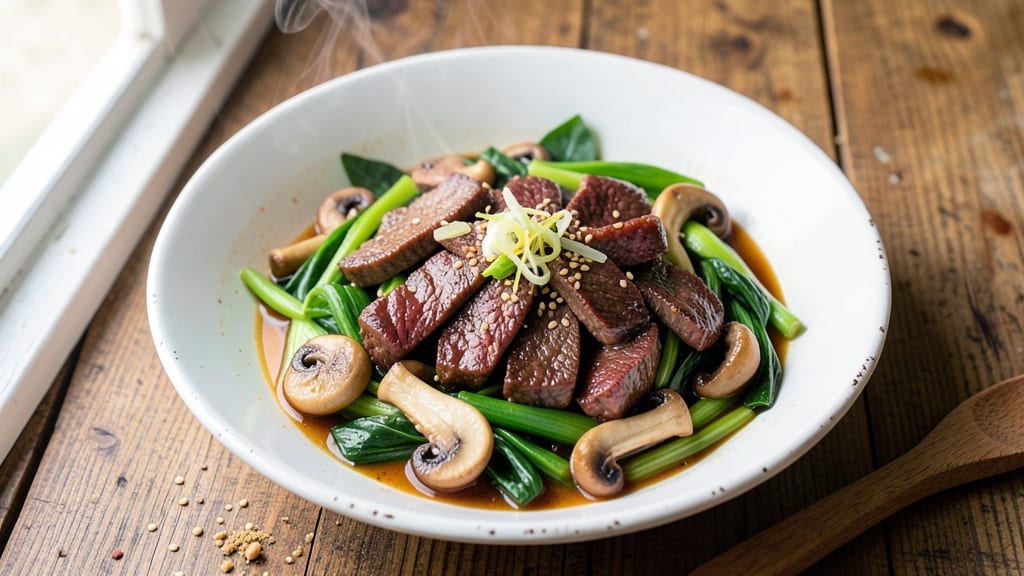
This amazing beef stir fry transforms simple ingredients into a restaurant-quality meal with just 30 minutes of active time and a sizzling wok technique that locks in flavor.
The secret lies in high-heat searing and precise timing—where tender beef strips meet crisp vegetables in a sauce that's perfectly balanced between sweet, savory, and umami. I've perfected this recipe over countless weeknight dinners, and it never fails to impress, even with picky eaters.
The foundation starts with a marinade that tenderizes the beef while building depth of flavor—ginger, garlic, and soy sauce work together to create a base that caramelizes beautifully during stir-frying.
What sets this apart is the two-stage cooking process: first searing the beef until it develops a deep brown crust, then tossing in vegetables that stay crisp-tender. The sauce ties everything together with a glossy finish that coats every bite.
By the time you plate it—steaming rice or noodles as the base, beef and vegetables artfully arranged on top, and a drizzle of that glossy sauce—you'll have a dish that looks as impressive as it tastes.
The textures contrast perfectly: tender beef, crisp vegetables, and that silky sauce that clings to every forkful. This is the kind of meal that turns a busy weeknight into a satisfying dining experience.
Whether you're feeding a family or treating yourself to a quick but elegant dinner, this stir fry delivers restaurant-quality results without the fuss. The technique is straightforward, but the flavor impact is undeniable. Let's get cooking—your taste buds will thank you.
Ingredients for amazing beef stir fry
Restaurant-quality stir fry starts with these bold ingredients—where tender beef meets crisp veggies in a sauce that sings.
| Ingredient | Amount | Notes |
|---|---|---|
| Flank Steak 🥩 | 1 ¼ lb | Thinly sliced against grain |
| Low-Sodium Soy Sauce 🍶 | ¼ cup | For marinade and sauce |
| Brown Sugar 🍯 | 2 tbsp | Packed, for marinade |
| Sesame Oil 🫒 | 1 tbsp | Toasted, for aroma |
| Garlic Cloves 🧄 | 6 cloves | Minced for marinade |
| Fresh Ginger 🌿 | 1 ½ tbsp | Grated, for marinade |
| Bell Peppers 🌶️ | 2 whole | Red/yellow, sliced |
| Broccoli Florets 🥦 | 2 cups | Cut into bite-sized pieces |
| Snap Peas 🌱 | 1 cup | Trimmed, whole |
| Carrots 🥕 | 2 whole | Julienned, medium |
| Vegetable Oil 🫒 | 2 tbsp | High smoke point |
| Honey 🍯 | 1 tbsp | For sauce gloss |
| Cornstarch 🌾 | 1 tbsp | For sauce thickening |
| Sesame Seeds 🌰 | 1 tbsp | Toasted, for garnish |
| Green Onions 🧅 | 3 whole | Thinly sliced, for garnish |
The beef is non-negotiable—flank steak delivers that perfect chew, but sirloin or skirt steak work too. Slice it thin against the grain for tenderness (about 1/8-inch slices). Costco or Whole Foods carry pre-sliced stir-fry beef, but slicing yourself ensures even cooking. For the marinade, low-sodium soy sauce prevents salt overload, and toasted sesame oil adds depth—don't skip toasting it first (heat 1 tsp in a dry pan for 30 seconds). Fresh ginger and garlic? Penzeys sells pre-grated ginger if you're short on time, but fresh is always better.
No bell peppers? Substitute with zucchini or mushrooms—just adjust cooking time since they soften faster. Broccoli florets should be uniform in size so they cook evenly. The cornstarch slurry (cornstarch + 1 tbsp water) is key for that glossy sauce—don't rush it. For extra umami, add 1 tsp fish sauce to the marinade (or 1 tsp soy sauce + 1/2 tsp mushroom powder for vegetarian). The honey balances the soy's saltiness, so don't skimp. And if your sesame seeds aren't toasted? Microwave them 20 seconds—they'll still work.
This dish reheats beautifully—just add a splash of water or soy sauce to the pan before warming. Keeps for 4 days in the fridge, or freeze portions for 3 months (sauce separates when frozen, so stir well before reheating). For meal prep, cook the beef and veggies separately, then toss with sauce when ready to eat. The green onions add freshness, but if you're prepping ahead, add them right before serving so they stay vibrant. Store sauce separately if freezing—it thickens when chilled and thins when reheated.
Why You'll Love This Recipe
- One-Pan Magic: I swear by this for nights when I’m too tired to scrub pots—just sear the flank steak, toss in the veggies, and let the soy, brown sugar, and sesame oil work their magic in one pan. The garlic cloves sizzle into oblivion, releasing that deep, sticky aroma that makes my kitchen smell like a restaurant.
- Sweet-Savory Balance: That touch of brown sugar in the sauce? It’s the secret weapon. The soy gives it depth, the sesame oil adds warmth, and the garlic? Oh, it’s chef’s kiss when it caramelizes just right. Every bite has this perfect contrast—salty, sweet, umami—with that tender, slightly crispy steak.
- Leftover Goldmine: Make a double batch and thank me later. This stir fry reheats like a dream (seriously, just toss it in the microwave with a splash of water) and tastes even better the next day. I pack it for lunches all week, and my coworkers keep asking for the recipe.
- Budget-Friendly Powerhouse: Flank steak stretches farther than you’d think when sliced thin, and the other ingredients? Basic pantry staples. A pound of beef feeds four, and the sauce costs pennies to make. Honestly, it’s my go-to when I need a restaurant-quality meal without the price tag—or the guilt.
Step-by-step instructions for sizzling wok beef stir fry
Here's how to transform simple ingredients into restaurant-quality stir fry with perfect texture and bold flavor.
Marinate the Flank Steak for Maximum Tenderness
Slice the 1.25 lb flank steak thinly against the grain into ¼-inch strips. This is crucial—thin slices ensure quick cooking and maximum tenderness. Transfer the sliced steak to a bowl and add the 0.25 cup low-sodium soy sauce, 2 tbsp packed brown sugar, 1 tbsp toasted sesame oil, 6 cloves minced garlic, and 1.5 tbsp grated fresh ginger. The sugar will caramelize during cooking, adding depth of flavor.
Mix everything thoroughly with your hands, ensuring each piece of beef absorbs the marinade completely. Cover and refrigerate for at least 30 minutes (or up to 4 hours for deeper flavor). This resting time allows the beef to tenderize and the flavors to meld. Don't skip this step—it makes all the difference in the final texture and taste.
Prepare the Vegetable Medley for Even Cooking
While the beef marinates, slice the 2 whole bell peppers into ½-inch strips and cut the 2 whole carrots into ¼-inch julienne strips. Trim the 1 cup snap peas and separate the 2 cups broccoli florets into bite-sized pieces. The key here is uniform cutting—this ensures all vegetables cook at the same rate and maintain their vibrant colors.
Keep the prepared vegetables separate in bowls until ready to use. This organization prevents premature wilting and makes the stir-frying process smoother. I like to have everything prepped and within arm's reach before I start cooking—this is what we call "mise en place" in the kitchen, and it keeps everything moving efficiently.
Master the High-Heat Wok Technique
Heat a 14-inch wok or large skillet over high heat until it's smoking hot. Add the 2 tbsp vegetable oil and swirl to coat the bottom evenly. You want the oil to shimmer but not smoke excessively—this indicates it's ready for the beef. Add half of the marinated beef (about ½ lb) and stir-fry for 1-2 minutes until it turns deep brown and begins to caramelize.
Remove the beef to a plate and repeat with the remaining beef. The high heat is crucial here—it creates that signature wok hei (breath of the wok) flavor. If your pan isn't hot enough, the beef will steam instead of sear. Work quickly but carefully, keeping the heat high throughout this process. This is where the magic happens—those beautiful browned bits on the bottom of the pan are packed with flavor.
Stir-Fry Vegetables and Combine with Sauce
Return the beef to the wok and add the prepared vegetables in batches, starting with the bell peppers and carrots (they take longer to cook). Stir-fry for 2-3 minutes until the vegetables begin to soften but still retain a satisfying crunch. Add the snap peas and broccoli florets, cooking for another 1-2 minutes until everything is tender-crisp.
In a small bowl, whisk together 1 tbsp cornstarch, 1 tbsp honey, and 2 tbsp water to create a slurry. Pour this into the wok along with the remaining beef and vegetables. Stir constantly for 1-2 minutes until the sauce thickens and coats everything evenly. The cornstarch will create a glossy, slightly sticky sauce that clings beautifully to the beef and vegetables. If the sauce thickens too quickly, add a splash of water to achieve the perfect consistency.
Garnish and Serve Immediately for Peak Flavor
Remove the stir fry from heat and let it rest for 1 minute to allow the flavors to meld. Garnish with 1 tbsp toasted sesame seeds and 3 whole green onions, thinly sliced. The sesame seeds add a nutty crunch, while the green onions provide a fresh, bright finish that cuts through the richness of the dish.
Serve immediately over steamed jasmine rice or noodles to soak up every last bit of that delicious sauce. Each bite should deliver perfectly tender beef, crisp-tender vegetables, and a glossy sauce that's perfectly balanced between sweet, salty, and umami. This stir fry is all about that sizzle and the wok hei flavor—don't let it sit too long or you'll lose that restaurant-quality texture.
Pro Tips For Making Amazing Beef Stir Fry
- Slice Against the Grain: Flank steak’s muscle fibers run long—cutting perpendicular to them (about ¼-inch thick) keeps the meat tender when stir-fried. Use a sharp knife and don’t rush; jagged edges mean chewier bites.
- Salt the Steak First: Toss the raw flank steak with 1 teaspoon of kosher salt and ½ teaspoon black pepper before slicing. This seasons the meat evenly and prevents it from drying out during the high-heat sear.
- Prep Garlic Like a Pro: Mince the garlic cloves very finely—almost like a paste—so they dissolve into the sauce instead of sitting as chunks. I learned this the hard way after finding a surprise garlic clove in every bite.
- Finish with Sesame Oil Last: Add the sesame oil after the stir-fry is done, just before serving. A splash (¼ teaspoon) over everything brightens the dish and keeps the aroma intact—pouring it in too early burns off its delicate flavor.
Common mistakes when making great amazing beef stir fry
Overcrowding the Pan
One of the biggest mistakes is adding too much beef and vegetables to the pan at once. When you overcrowd, the food steams instead of searing, resulting in soggy beef and mushy vegetables. I've learned the hard way—always work in batches!
Start with half the beef, cook it until deeply browned, then remove it to a plate before adding the rest. The same goes for vegetables: add them in stages so they get that perfect crisp-tender texture.
A crowded pan loses heat quickly, and that's when you lose the wok hei flavor we all love. 🔥
Skipping the Resting Time
You might be eager to serve immediately, but skipping the 30-minute marinade rest or the 1-minute final rest after cooking leads to tough beef and uneven flavors. The marinade needs time to penetrate the meat, and that final rest lets the juices redistribute.
I once served stir fry straight from the wok, and the beef was chewy—never again! Let the beef rest in the marinade, and give the finished dish that last minute to shine.
Low Heat Cooking
Using medium heat instead of high heat is a surefire way to end up with bland, steamed beef instead of flavorful, caramelized bites. Your wok or skillet needs to be screaming hot before adding oil—you should see smoke when you add the beef.
If you're not getting that wok hei flavor, crank up the heat. I use a gas burner on high for this, but if you're on electric, give it a few extra minutes to preheat. That initial sear creates the Maillard reaction that builds all those delicious flavors. 🌡️
Uneven Vegetable Prep
I can't stress enough how important uniform vegetable cutting is. If your bell peppers are in big chunks while your broccoli is tiny, they won't cook at the same rate. The peppers will be mushy while the broccoli stays crunchy.
Take the extra 5 minutes to cut everything into similar-sized pieces—about ½-inch strips for peppers and carrots, and bite-sized florets for broccoli. This ensures everything cooks perfectly together, maintaining that beautiful texture contrast we all love in stir fry.
Sauce Timing Issues
Adding the sauce too early or too late can ruin the perfect texture we're working toward. If you add it with the raw beef, you'll steam everything instead of searing. If you wait too long, the vegetables will overcook.
The trick is to add the sauce just as the vegetables are tender-crisp, then stir constantly for 1-2 minutes until everything is coated. I like to make the cornstarch slurry first and have it ready before I need it—this keeps the cooking process flowing smoothly. 💫
Using Cold Ingredients
Pulling ingredients straight from the fridge without letting them sit at room temperature can cause temperature drops in your hot pan, leading to uneven cooking. Let your beef and vegetables sit for 10-15 minutes before cooking so they come to room temperature.
This helps maintain consistent heat in your pan and ensures everything cooks evenly. I keep a small plate on the counter where I can let everything warm up while I finish prepping—it makes all the difference in the final texture.
Nutrition facts
Frequently asked questions
Can I use a different cut of beef for this stir fry?
While flank steak is ideal, sirloin or skirt steak work beautifully too. The key is slicing thinly against the grain—about ¼-inch strips—to ensure tenderness. Ribeye or chuck steak can be used but may require longer marinating (up to 4 hours) to break down the tougher fibers. Always slice against the grain for maximum tenderness.
How do I make this stir fry without a wok?
No wok? No problem! A 12-inch cast iron skillet or heavy-bottomed stainless steel pan works perfectly. The goal is high heat—your pan should be smoking hot before adding oil. If your stove doesn't get hot enough, preheat the pan for 5 minutes on high heat before starting. A nonstick pan can work too, but avoid overcrowding to prevent sticking. The technique is the same—just focus on that quick, high-heat sear.
Can I make this stir fry ahead of time?
Yes, but with a few adjustments. Cook the beef and vegetables separately, then store them in airtight containers in the fridge for up to 2 days. When ready to serve, reheat the beef and vegetables separately over medium heat, then toss with the sauce (made fresh) for 1-2 minutes to warm through. For best texture, add fresh green onions and sesame seeds right before serving. The sauce can be made ahead too—just reheat it gently and adjust consistency with water if needed.
What's the best way to make the sauce thicker or thinner?
For a thicker sauce, add ½ tsp more cornstarch mixed with 1 tsp water and stir in at the end. If the sauce is too thick, thin it with 1 tsp water or beef broth while stirring. The sauce should coat the back of a spoon but still be pourable. Remember, cornstarch thickens when heated, so add it gradually. For extra richness, stir in 1 tsp oyster sauce or ½ tsp fish sauce when reheating.
Can I make this vegetarian?
Swap the beef for extra-firm tofu (pressed and cubed) or mushrooms (shiitake or cremini). For tofu, marinate it in the same sauce for 20 minutes before cooking. Add 1 tbsp vegetable oil and cook until golden brown. For extra umami, add 1 tsp soy sauce + ½ tsp mushroom powder to the marinade. The cooking technique remains the same—high heat and quick stir-frying for that perfect texture.