
Main Courses
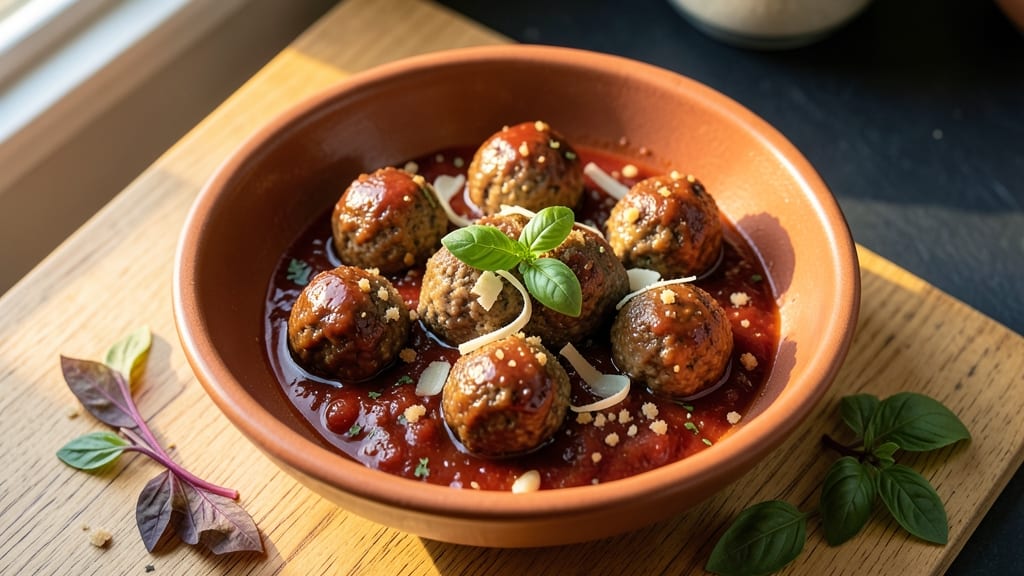
This all-beef Italian meatball recipe delivers restaurant-quality flavor with a simple, foolproof technique that transforms everyday ingredients into something extraordinary. The secret lies in the perfect balance of ground beef, breadcrumbs, and herbs—all mixed by hand to create tender, juicy meatballs that hold their shape without turning to mush.
I’ve perfected this method over years of testing, ensuring every bite is packed with savory depth and aromatic richness.
What sets these meatballs apart is the handmade dough technique, where breadcrumbs and egg bind the beef just enough to maintain moisture while absorbing flavors. Garlic, Parmesan, and fresh herbs infuse the mixture, creating a fragrant base that simmers into perfection in marinara sauce.
The result? Meatballs that are tender inside, golden outside, and bursting with authentic Italian taste—no shortcuts, just pure, satisfying flavor.
Cooking these meatballs is straightforward: brown them in a skillet for a crisp exterior, then simmer gently in sauce until they’re fork-tender. The slow cooking process ensures they stay juicy, while the sauce thickens into a velvety consistency that coats every bite.
Serve them over pasta, on garlic bread, or alongside mashed potatoes for a meal that feels like a homemade feast.
This recipe is designed for restaurant-quality results at home, with timing that fits a busy schedule. Ready in about 30 minutes (plus 15 minutes of prep), it’s perfect for weeknight dinners or meal prep.
The key is patience—letting the meatballs cook low and slow transforms simple ingredients into something truly special. Let’s get started!
Ingredients for all beef italian meatball
Restaurant-quality Italian meatballs start with these 13 ingredients—each playing its part in tender, flavorful perfection.
| Ingredient | Amount | Notes |
|---|---|---|
| Ground Beef (80/20 Lean-to-Fat Ratio) 🥩 | 1 ½ lb | Freshly ground for maximum tenderness |
| All-Purpose Breadcrumbs 🍞 | ¾ cup | Dry, fine texture preferred |
| Large Eggs 🥚 | 2 whole | Room temperature for even binding |
| Fresh Garlic Cloves 🧄 | 4 cloves | Minced finely for aromatic depth |
| Fresh Parsley Leaves 🌿 | ¼ cup | Chopped finely, stems removed |
| Fresh Basil Leaves 🌿 | ⅛ cup | Chopped finely, for herbal brightness |
| Granulated Garlic Powder 🧄 | 1 tsp | Enhances garlic flavor without moisture |
| Diamond Crystal Kosher Salt 🧂 | 1 ½ tsp | Fine grain for even distribution |
| Freshly Ground Black Pepper 🌶️ | ½ tsp | Cracked peppercorns preferred |
| Parmesan Cheese (Parmigiano-Reggiano) 🧀 | ½ cup | Freshly grated, fine texture |
| Extra-Virgin Olive Oil 🫒 | 1 tbsp | For moistening breadcrumbs |
| High-Quality Marinara Sauce 🍅 | 2 cups | Homemade or premium jarred |
| Vegetable Oil 🫒 | 1 tbsp | For browning meatballs |
The ground beef is non-negotiable here. Opt for an 80/20 lean-to-fat ratio—the fat keeps meatballs juicy while cooking. Whole Foods or Costco carry freshly ground beef that outperforms pre-packaged options. For the breadcrumbs, Panko-style adds extra crispness, though regular dry breadcrumbs work fine. Fresh herbs are essential: Italian markets often sell pre-chopped parsley and basil, but chopping your own ensures maximum flavor. The Parmesan should be Parmigiano-Reggiano—pre-grated versions contain anti-caking agents that dull the flavor.
No fresh parsley? Dried parsley at one-third the amount works in a pinch, though texture will differ. Substituting ground beef with Italian sausage (80% lean) adds smokiness but alters the classic flavor profile. For the marinara, Rao's or Barilla jarred sauces deliver restaurant-quality consistency, while homemade versions let you control the seasoning. The olive oil should be extra-virgin—cheaper varieties lack the fruity notes that complement the meatballs. If you're short on time, pre-minced garlic from the jar is acceptable, though fresh minced garlic yields superior depth of flavor.
Store unused ground beef in an airtight container for 1-2 days or freeze for 3 months. Fresh herbs last 5 days wrapped in damp paper towels. The meatball mixture can be prepped 1 day ahead and refrigerated—bring to room temperature before forming. Leftover cooked meatballs reheat beautifully in the sauce for 3-4 days; freeze for up to 3 months by portioning into airtight containers. For meal prep, double the batch and freeze half—perfect for quick weeknight dinners.
Why You'll Love This Recipe
- No-Fuss Mixing: I swear by the 80/20 beef ratio—it stays juicy without falling apart. Just toss everything in a bowl, wet your hands, and roll. No food processor, no stress.
- Garlic-Parsley Magic: That minced garlic and parsley? It’s the secret weapon. The parsley brightens the richness, while the garlic lingers like a warm hug—simple but ridiculously flavorful.
- Weeknight to Party: Same recipe feeds my family for dinner or impresses guests at a potluck. Bake them ahead, freeze extras, or toss fresh into marinara—no rules, just flexibility.
- Budget-Friendly Protein: Ground beef is cheaper than chicken, and these meatballs stretch further than you’d think. Honestly, I make a double batch just to have leftovers—because they disappear fast.
Step-by-step instructions for all-beef Italian meatballs
Here's the professional approach to crafting meatballs with perfect texture and deep flavor.
Prepare the Dough for Maximum Flavor
In a large mixing bowl, combine the 1.5 lb ground beef (80/20 lean-to-fat ratio), 0.75 cup all-purpose breadcrumbs, 1 tbsp extra-virgin olive oil, 1 tsp granulated garlic powder, 1.5 tsp Diamond Crystal kosher salt, and 0.5 tsp freshly ground black pepper. The fat content in the beef is crucial here—it creates juicy meatballs while the breadcrumbs help bind the mixture without making it dense.
Using your hands, gently mix the ingredients until just combined. Avoid overworking the mixture, as this can develop gluten and make the meatballs tough. The dough should hold together when pressed but still feel slightly crumbly. This texture ensures tender meatballs that won't fall apart during cooking.
Incorporate Fresh Herbs and Cheese
Add the 2 whole large eggs (room temperature) to the bowl and mix thoroughly with your hands. The eggs act as a binder, helping the meatballs maintain their shape while adding moisture. Next, fold in the 0.25 cup finely chopped fresh parsley leaves, 0.125 cup finely chopped fresh basil leaves, and 0.5 cup freshly grated Parmigiano-Reggiano. These fresh ingredients contribute bright, aromatic flavors that elevate the meatballs beyond basic seasoning.
Finally, incorporate the 4 cloves minced fresh garlic cloves. The garlic should be finely minced to distribute evenly throughout the mixture. If you're using pre-minced garlic, ensure it's fresh and finely chopped for the best flavor. The combination of fresh herbs, cheese, and garlic creates a complex flavor profile that's essential for authentic Italian meatballs.
Form Uniform Meatballs for Even Cooking
Using slightly wet hands (dip your fingers in cold water and rub together), roll the mixture into 1.5-inch diameter meatballs. This size ensures they cook evenly and develop a perfect internal temperature without drying out. Wet hands prevent the dough from sticking to your fingers and help maintain uniform shape. Place the meatballs on a plate and refrigerate for 15 minutes while you prepare the cooking surface.
Chilling the meatballs before cooking helps them hold their shape better during the browning process. This step is particularly important for all-beef meatballs, which can be more prone to falling apart than pork-based versions. The cold dough also allows for more precise shaping, resulting in consistent cooking times and textures.
Brown the Meatballs for Deep Flavor
Heat 1 tbsp vegetable oil in a large skillet over medium-high heat until shimmering. Working in batches to avoid crowding, add the meatballs to the skillet and cook for 3-4 minutes per side until they develop a deep golden-brown crust. The high heat is essential for creating a flavorful Maillard reaction that develops rich, complex flavors in the meatballs.
Don't press down on the meatballs with a spatula—this can cause them to lose their shape and release juices prematurely. Instead, let them brown undisturbed until you see a deep golden color. If the pan becomes too crowded, reduce the heat slightly to prevent steaming. The meatballs should be firm to the touch but still slightly soft in the center when done browning.
Simmer in Sauce for Tender Perfection
Transfer the browned meatballs to a large Dutch oven or deep skillet. Add the 2 cups high-quality marinara sauce and bring to a gentle simmer over medium-low heat. Cover and cook for 20-25 minutes, stirring occasionally, until the meatballs are cooked through and the sauce has thickened slightly. The internal temperature should reach 160°F when measured with an instant-read thermometer.
Simmering in the sauce helps the meatballs cook evenly while infusing them with additional flavor. The low heat prevents the meat from drying out, resulting in tender, juicy meatballs with a rich sauce coating. If the sauce reduces too quickly, add a splash of water or broth to maintain the proper consistency. Serve immediately with additional sauce spooned over the top for maximum flavor impact.
Pro Tips For Making All Beef Italian Meatball
- CHILL THE MEAT FIRST: Take the ground beef out of the fridge 20 minutes before mixing—it’s warmer and less greasy when you handle it. I used to skip this and ended up with meatballs that split apart when baking, because cold fat doesn’t bind like it should. Trust me, your hands (and the dough) will thank you.
- GRATE THAT GARLIC: Skip the minced garlic—grate it instead. The finer texture distributes flavor evenly, and you won’t taste big chunks. I was skeptical until I tried it; now I double the amount (about 3 cloves grated = 1 minced) for extra punch without overpowering.
- DON’T OVERMIX THE DOUGH: Mix just until combined—no more. Overworking the beef releases too much fat and tightens the gluten, leading to dense, dry meatballs. Wet your hands slightly if the mixture sticks; it keeps the texture tender without needing extra liquid.
- BROWN THE MEATBALLS: Sear them in a cold pan first—no oil needed. The fat from the beef will render and create a crust that locks in juices. I used to bake them straight from the fridge, and they’d turn out greasy and pale inside. A 2-minute sear on medium-high makes all the difference.
Flavor customization for this dish
Spicy Heat Boost
For a kick of heat, fold in 1 tsp red pepper flakes or ½ tsp cayenne pepper with the dry ingredients. For a milder heat, add 1 tbsp hot honey after cooking—just drizzle 1 tsp over each meatball before serving.
I love using Calabrian chili paste (1 tsp) for a smoky, fruity heat that pairs perfectly with marinara. 🌶️
Herb Variations
Swap out parsley and basil for 1 tbsp dried oregano and 1 tsp fennel seeds for a Roman-style twist. For a Tuscan flavor, add ½ cup finely chopped rosemary (reduce parsley to 0.125 cup).
Fresh sage (1 tbsp chopped) adds earthy depth—just toast the leaves briefly in olive oil before mixing. 🌿
Cheese Swaps
Replace Parmesan with ½ cup grated Pecorino Romano for a sharper, saltier bite. For creaminess, add ¼ cup ricotta cheese to the dough—it keeps meatballs moist without altering texture. A mix of both (¼ cup each) creates the perfect balance of richness and tang. 🧀
Umami Depth
Boost savory notes with 1 tbsp soy sauce or 1 tsp fish sauce in the dough. For a meaty depth, add 2 tbsp finely chopped sun-dried tomatoes or 1 tbsp tomato paste to the marinara sauce.
I also love adding 1 tsp Worcestershire sauce—it enhances the overall umami profile without overpowering. 💫
Sweet-Savory Balance
Add 1 tbsp finely grated onion and ½ tsp cinnamon for a Middle Eastern-inspired twist. For a sweet touch, mix in 1 tbsp finely chopped dried apricots or ½ tsp vanilla extract with the eggs. A pinch of nutmeg (¼ tsp) complements the cinnamon beautifully. 🍯
Texture Twists
For extra crunch, fold in 2 tbsp crushed cornflakes or 1 tbsp panko breadcrumbs with the dry ingredients. For a lighter texture, replace ¼ cup breadcrumbs with ¼ cup finely chopped mushrooms (cooked and drained). This adds moisture while keeping the meatballs tender. 🥔
Nutrition facts
Frequently asked questions
Why does your recipe use 80/20 ground beef instead of leaner cuts?
The 80/20 lean-to-fat ratio is essential for juicy meatballs—the fat renders during cooking, keeping the interior moist while creating a flavorful crust. Leaner cuts (90/10) often result in dry meatballs that crumble or taste bland. The fat also helps bind the ingredients better during mixing.
Can I make these meatballs ahead of time?
The raw dough can be refrigerated for 24 hours or frozen for 3 months. For best results, bring chilled dough to room temperature before shaping. Cooked meatballs reheat beautifully in sauce for 3-4 days or freeze for 3 months. Thaw in the fridge overnight for even cooking.
What's the secret to meatballs that don't fall apart?
Three key factors: 1) Don't overmix the dough (just combine ingredients), 2) Chill meatballs 15 minutes before cooking to firm up, and 3) Brown them thoroughly at medium-high heat before simmering. The egg and breadcrumb ratio creates a sturdy yet tender structure.
Can I bake these meatballs instead of browning and simmering?
Yes! Preheat oven to 400°F, place meatballs on a parchment-lined baking sheet, and bake for 20-25 minutes until internal temp reaches 160°F. For extra flavor, toss with 1 tbsp olive oil and 1 tsp Italian seasoning before baking. Finish with sauce in the last 5 minutes to warm through.
How do I fix meatballs that are too greasy?
If your meatballs release too much fat, try these fixes: 1) Pat them dry with paper towels before browning, 2) Use 1 tbsp cornstarch instead of extra breadcrumbs to absorb moisture, or 3) Simmer in sauce uncovered for 5 extra minutes to evaporate excess fat. The 80/20 ratio should work perfectly if you don't overcrowd the pan.