
Main Courses
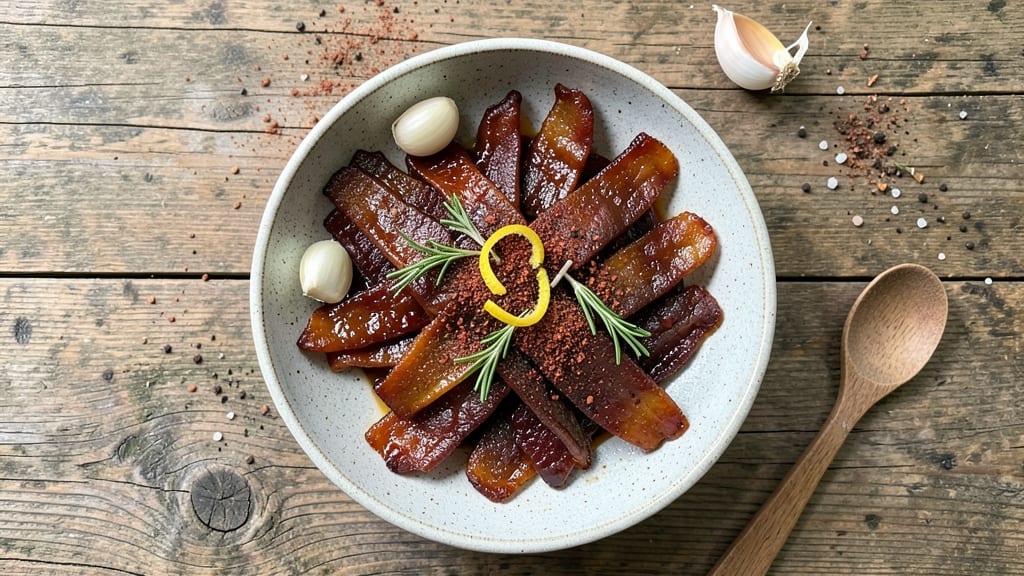
This air-dried beef jerky recipe transforms tough cuts of beef into smoky, spice-infused strips that pack a punch—no special equipment required. The secret lies in proper meat prep and controlled drying, whether you use a dehydrator, oven, or traditional air-drying methods. I’ve perfected this process over years of experimentation, ensuring every batch turns out tender, flavorful, and safe to store for months.
What sets this recipe apart is the balance of traditional techniques and modern convenience. You’ll start with lean cuts like top round or flank steak, trimmed and sliced thinly for even drying.
A bold marinade—garlic, smoked paprika, and brown sugar—penetrates the meat, while proper dehydration (or oven drying) locks in flavor without overcooking. The result? Jerky that’s crisp yet tender, with deep, smoky notes that linger.
Safety is critical, so we’ll cover USDA guidelines for drying times and temperature control to prevent spoilage. Whether you’re using a dehydrator, oven, or even a smokehouse, the goal is consistent airflow and precise temperature management. This method delivers restaurant-quality jerky at home, with none of the preservative-heavy shortcuts.
Perfect for camping trips, snacking, or gifting, this jerky keeps for months in a cool, dark place. Let’s get started—your pantry (and taste buds) will thank you.
Ingredients for air dried beef jerky
Lean beef, bold spices, and precise drying create restaurant-quality jerky at home.
| Ingredient | Amount | Notes |
|---|---|---|
| Top Round Beef 🥩 | 2 lb | Lean cut, trimmed of fat |
| Garlic Cloves 🧄 | 6 whole | Minced for marinade |
| Smoked Paprika 🌶️ | 2 tbsp | For deep smoky flavor |
| Brown Sugar 🍯 | ½ cup | Lightly packed |
| Kosher Salt 🧂 | 1 ½ tbsp | Diamond Crystal preferred |
| Ground Black Pepper 🌶️ | 1 tbsp | Freshly ground |
| Worcestershire Sauce 🍶 | 2 tbsp | Ensure vegetarian version |
| Liquid Smoke 🔥 | 1 tbsp | For authentic smokiness |
| Apple Cider Vinegar 🍏 | ¼ cup | For tenderizing |
| Extra-Virgin Olive Oil 🫒 | 2 tbsp | For even coating |
| Onion Powder 🧅 | 1 tbsp | For depth of flavor |
| Ground Cumin 🌿 | 1 tsp | Toasted for warmth |
| Dehydrator Trays or Baking Sheets 🍳 | 2 whole | For even drying |
| Parchment Paper 📄 | 1 sheet | For easy cleanup |
The beef is everything here—top round or flank steak delivers that perfect lean-to-fat ratio for jerky. Grab it from the butcher counter if possible, as pre-packaged cuts often have more fat trim. Look for bright red meat with good marbling, not gray or discolored. Trim any visible fat or silver skin before slicing—this keeps your jerky tender and flavorful. Costco or local butchers often have the best quality for bulk purchases, but even the grocery store meat section works if you pick carefully. Slice against the grain for maximum tenderness, about 1/4-inch thick strips.
No smoked paprika? Substitute with half the amount of regular paprika plus a pinch of liquid smoke—it won’t be identical, but close. Running low on Worcestershire? Soy sauce plus a dash of vinegar mimics the umami punch. Brown sugar substitutes? Coconut sugar or honey (if not vegan) work in a pinch, though the flavor profile shifts slightly. The vinegar is non-negotiable though—it tenderizes the meat and balances the salt. For extra safety, add 1/4 tsp of citric acid to the marinade if you’re concerned about spoilage. And if you’re using an oven instead of a dehydrator, prop the door open with a wooden spoon for airflow.
Marinate the beef for at least 12 hours—overnight is ideal. Store the mixture in a sealed container in the fridge. Once dried, let the jerky cool completely before storing in an airtight container or vacuum-sealed bags. Properly dried jerky keeps for 3-6 months in a cool, dark place or up to a year in the freezer. For gifting, portion into small bags with a handwritten tag—it’s always a hit. And if you’re drying in bulk, label each batch with the date to track freshness. The first batch is always the best—save some for yourself!
Why You'll Love This Recipe
- No-Fuss Hang Time: I swear by my dehydrator’s 24-hour setting—just slice the top round thin, toss it in the garlic-infused marinade, and walk away. No babysitting, no second-guessing. The beef stays tender while the edges crisp up just enough to make it irresistible.
- Garlic-Smoke Magic: That first bite? Pure flavor payoff. The smoked paprika gives it a deep, rustic warmth, while the brown sugar caramelizes into these tiny, sweet pockets. Honestly, I’ve had people ask if it’s store-bought—until I hand them the bag of kosher salt I used.
- Snack Attack Ready: Between us, this jerky is my go-to for road trips, gym bags, or when I’m too tired to cook. It’s the kind of thing that disappears fast—my kids grab it for lunchboxes, and I sneak pieces when I think no one’s looking. (Yes, even on a Tuesday night.)
- Budget-Friendly Protein: A pound of top round stretches farther than you’d think, and the marinade costs pennies. I make a big batch, portion it out, and freeze what I won’t use in a month. No waste, no last-minute takeout runs—just pure, satisfying protein that won’t break the bank.
Step-by-step instructions for smoky spice-infused air-dried beef jerky
Here's the method that delivers restaurant-quality jerky with perfect texture and bold flavor.
Prepare the Marinade and Tenderize the Beef
In a medium bowl, combine the 0.5 cup brown sugar, 1.5 tbsp kosher salt, 1 tbsp ground black pepper, 2 tbsp Worcestershire sauce, 1 tbsp liquid smoke, 0.25 cup apple cider vinegar, 2 tbsp extra-virgin olive oil, 1 tbsp onion powder, and 1 tsp ground cumin. Whisk vigorously until the brown sugar and salt dissolve completely, creating a thick, syrupy marinade. This blend of sweetness, acidity, and smokiness is what transforms tough beef into tender jerky.
While the marinade thickens, slice the 2 lb top round beef against the grain into ¼-inch thick strips. The grain runs lengthwise, so you'll need to rotate the meat 90 degrees between each slice to cut perpendicular to the fibers. This cross-cutting creates shorter muscle fibers that cook more evenly and result in a tender final product. Place the sliced beef in a large resealable plastic bag and pour the marinade over it, ensuring every strip is thoroughly coated. Seal the bag and massage the marinade into the beef, working it into all the crevices. Refrigerate for at least 4 hours, but I recommend marinating overnight for maximum tenderness and flavor penetration.
Prep the Dehydrator Trays for Even Drying
Line the 2 whole dehydrator trays (or baking sheets) with the 1 sheet parchment paper, leaving a slight overhang on the sides for easy transfer. Arrange the marinated beef strips in a single layer, leaving about ½ inch between each piece. This spacing is crucial—it prevents the strips from sticking together during the drying process and ensures even exposure to the drying air. If you're using a dehydrator, set it to 160°F and allow it to preheat for 10 minutes before adding the beef. If using an oven, preheat to 160°F with the oven door slightly ajar to allow moisture to escape.
Here's where precision matters: the 160°F temperature is the sweet spot for jerky. Too hot, and you'll end up with dry, leathery strips. Too cool, and you risk bacterial growth. Use an oven thermometer to verify your appliance's accuracy—many ovens run hot or cold. The beef should begin to firm up slightly as it dries, losing its glossy marinade coating within the first 2 hours. This is normal and indicates the moisture is evaporating as intended.
Dry the Jerky to Perfect Texture
Place the prepared trays in the dehydrator or oven and begin the drying process. For dehydrator users, dry at 160°F for 12-16 hours, flipping the strips every 4 hours to ensure even drying on both sides. If using an oven, prop the door open with a wooden spoon and bake for 6-8 hours, checking frequently to prevent moisture buildup. The key is patience—rushing this step leads to chewy jerky. You'll know it's ready when the strips are dry to the touch, flexible but not brittle, and no longer sticky. They should bend slightly without snapping, indicating the perfect moisture level for a tender yet firm texture.
Real talk: the drying time can vary based on humidity levels in your kitchen. On humid days, you might need to extend the drying time by 2-4 hours. If you're unsure, use the finger test—press a strip gently with your finger. If it springs back slowly, it needs more time. If it feels slightly damp or sticks to your finger, return it to the dehydrator for another hour. The jerky should have a deep, rich color with no visible moisture on the surface. Once fully dried, remove the strips from the trays and let them cool completely on a wire rack before storing.
Store and Enjoy Your Homemade Jerky
Allow the jerky to cool to room temperature, which helps it firm up further. Transfer the cooled strips to an airtight container or resealable bag, pressing out any excess air to maximize shelf life. Store in a cool, dark place for up to 2 weeks, or freeze for up to 6 months to preserve freshness. The flavors will continue to develop over time, becoming more complex and robust as the spices meld with the beef. When ready to enjoy, simply tear off a piece and savor the perfect balance of smoky, sweet, and savory notes that make homemade jerky worth the effort.
Here's the thing—homemade jerky tastes nothing like the store-bought variety. The deep, smoky aroma from the liquid smoke and smoked paprika will fill your kitchen as it dries, and the first bite delivers a burst of flavor that's impossible to replicate with commercial products. This method ensures you control every ingredient, from the quality of the beef to the intensity of the spices. Plus, you'll have a pantry staple that's perfect for hiking trips, snacking, or adding protein to salads and wraps.
Pro Tips For Making Air Dried Beef Jerky
- CHILL THE MEAT FIRST: Grab that top round and stick it in the fridge for 30 minutes before slicing—cold meat tears cleanly, not ragged. I learned this the hard way after struggling with uneven strips that dried at different rates.
- SALT BEFORE GARLIC: Rub the kosher salt on the beef first, then add the garlic paste—this helps the seasoning stick and keeps the slices from getting mushy. My grandmother swore by this, and she was right: the flavor penetrates better when you let the salt draw out just a little moisture first.
- DON’T CROWD THE DRYER: Space those strips at least 1 inch apart on the dehydrator trays, or they’ll steam instead of dry. I used to pack them tight, and half the batch ended up chewy. Trust me, a little patience here saves a lot of disappointment.
- USE A FAN FOR FASTER DRYING: If your dehydrator has a fan, turn it on high for the first 2 hours—this kicks off evaporation fast. After that, drop it to low to avoid over-drying. I was skeptical until I tried it: the jerky was done in 6 hours instead of 8, and it didn’t turn to leather.
Creative variations of this dish
Spicy Chipotle Heat
For a fiery kick, swap out the smoked paprika for 1 tbsp chipotle powder and add 1 tbsp cayenne pepper to the marinade. I recommend using Penzeys chipotle powder for authentic smokiness with heat.
Increase the apple cider vinegar to ¼ cup to balance the spice, and let the jerky dry for 18-20 hours—the extra time helps mellow the heat slightly while keeping the bold flavor.
Store in a vacuum-sealed bag to preserve the intensity for up to 6 months in the freezer. 🌶️
Honey-Glazed Sweet
Transform your jerky into a sweet-and-savory treat by replacing the brown sugar with ½ cup honey and adding 1 tsp ground cinnamon to the marinade. The honey caramelizes during drying, creating a glossy glaze. I use local wildflower honey for depth, but any high-quality honey works.
Reduce the apple cider vinegar to 2 tbsp to avoid overpowering the sweetness. This variation keeps for 2 weeks at room temperature and pairs perfectly with sharp cheeses like aged cheddar. 🍯
Herb-Infused Mediterranean
Give your jerky a Mediterranean twist by adding 1 tbsp dried oregano, 1 tsp dried thyme, and 1 tsp garlic powder to the marinade. Swap the Worcestershire sauce for 2 tbsp balsamic vinegar and reduce the liquid smoke to ½ tbsp.
This variation works beautifully with flank steak and dries in 14-16 hours. Serve with hummus or tzatziki for a protein-packed snack. Store in an airtight container for 3 weeks to maintain freshness. 🌿
Classic Teriyaki Style
For an Asian-inspired twist, replace the Worcestershire sauce with ¼ cup soy sauce and add 2 tbsp honey, 1 tbsp grated fresh ginger, and 1 tbsp sesame oil to the marinade. Use top sirloin instead of top round for a slightly richer flavor.
Dry at 150°F for 12-14 hours—lower heat preserves the marinade’s glossy finish. This variation keeps for 2 weeks and pairs wonderfully with steamed rice or miso soup. 🍶
Smoky BBQ Rub
Create a smoky BBQ flavor by mixing 1 tbsp brown sugar, 1 tbsp smoked paprika, 1 tsp onion powder, 1 tsp garlic powder, and ½ tsp cayenne pepper into a dry rub. Coat the marinated beef strips thoroughly before drying.
Use applewood-smoked bacon for an extra smoky touch. Dry at 160°F for 16-18 hours, flipping every 4 hours. This variation is perfect for game day snacks and keeps for 3 weeks in the fridge. 🔥
Nutrition facts
Frequently asked questions
Can I use any cut of beef for this air-dried jerky?
Lean cuts work best—top round, flank steak, or sirloin are ideal. Avoid fatty cuts like ribeye, as excess fat prevents proper drying and can spoil. Trim all visible fat and silver skin before slicing. For extra tenderness, freeze the beef for 20-30 minutes before slicing against the grain.
How do I know when my jerky is fully dried?
Use the finger test: press a strip gently. If it springs back slowly and feels dry to the touch, it's ready. The jerky should bend slightly without snapping. 160°F is the magic temperature—too hot creates leathery jerky, too cool risks spoilage. Drying times vary by humidity: 12-16 hours in dehydrators, 6-8 hours in ovens (door propped open).
What's the safest way to store homemade jerky?
Cool completely before storing in airtight containers or vacuum-sealed bags. At room temperature, it lasts 2-3 weeks; in the fridge, 1-2 months; and frozen, 6-12 months. For longer shelf life, add ¼ tsp citric acid to the marinade. Label with dates—jerky should never feel sticky or smell sour.
Can I make jerky without a dehydrator?
Use an oven at 160°F with the door slightly open for airflow. Line racks with parchment paper and prop the door open with a wooden spoon. For traditional air-drying, hang strips in a cool, dry place (like a breezy porch) for 3-5 days, flipping daily. Humidity is the enemy—aim for 50% or lower.
Why did my jerky turn out chewy instead of tender?
Over-drying or slicing with the grain are the top culprits. Always slice against the grain (perpendicular to muscle fibers) for tenderness. Check your temperature—160°F is critical. If your kitchen is humid, extend drying time by 2-4 hours. For extra tenderness, marinate for 24 hours and use apple cider vinegar in the marinade.