
Main Courses
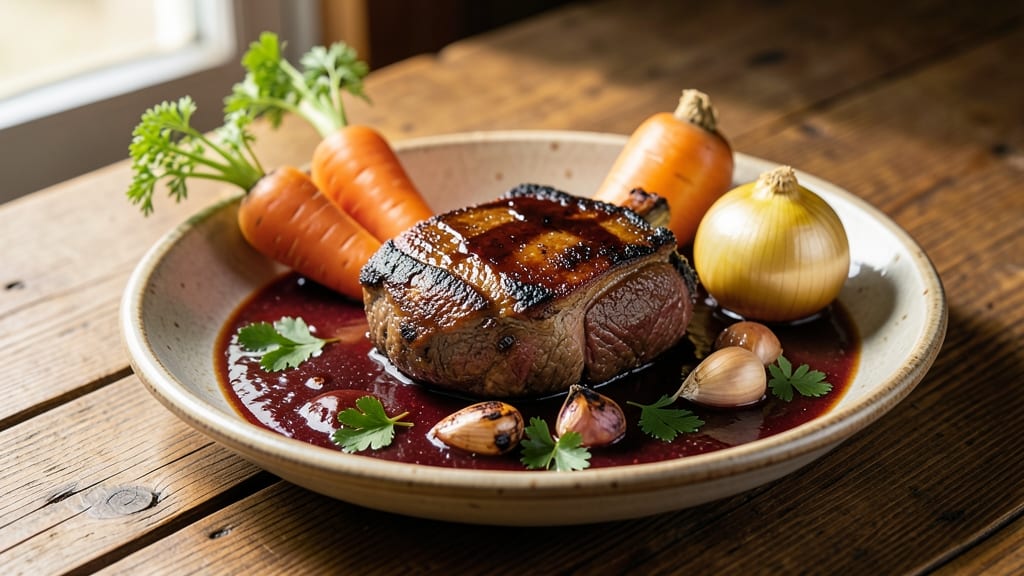
A 500g beef shin recipe transforms tough cuts into melt-in-your-mouth tenderness through slow-cooked precision. This method unlocks the natural marbling and collagen-rich texture that makes beef shin a culinary gem—when prepared correctly. The secret lies in patience and technique, ensuring every bite delivers rich, savory depth without requiring expensive cuts.
Slow cooking breaks down connective tissue, turning fibrous beef shin into fork-tender perfection. You'll start with a dry brine and aromatic spices, then braise until the meat practically falls apart.
The result? A dish that feels indulgent yet uses an economical cut, perfect for feeding a family or impressing guests without breaking the bank.
What you'll achieve is a restaurant-worthy centerpiece with caramelized edges and a velvety interior. The slow process develops deep, complex flavors that pair beautifully with classic sides like mashed potatoes or crusty bread. This isn't just a recipe—it's a technique that elevates humble ingredients into something extraordinary.
The beauty of beef shin lies in its versatility. Use it for hearty stews, elegant braises, or even as a showstopping roast. Once you master this method, you'll never waste a tough cut again. Let's get started on transforming this affordable protein into a showpiece dish.
Ingredients for 500g beef shin
Precision ingredients unlock beef shin's transformative potential through slow-cooked mastery.
| Ingredient | Amount | Notes |
|---|---|---|
| Beef Shin (Osso Buco Cut) 🥩 | 1.1 lb | Bone-in, marbled, 500g equivalent |
| Kosher Salt 🧂 | 1 ½ tbsp | Diamond Crystal preferred |
| Black Peppercorns 🌶️ | 1 tsp | Freshly cracked, coarse grind |
| Garlic Cloves 🧄 | 4 cloves | Smash lightly for aromatic oils |
| Carrots 🥕 | 2 whole | Large, peeled, cut into chunks |
| Yellow Onion 🧅 | 1 whole | Yellow or red, sliced thick |
| Celery Stalks 🥬 | 2 whole | Cut into 1-inch pieces |
| Tomato Paste 🍅 | 2 tbsp | San Marzano preferred |
| Dry Red Wine 🍷 | ½ cup | Bold Cabernet Sauvignon |
| Beef Stock 💧 | 1 ½ cups | Homemade or high-quality store |
| Fresh Thyme Sprigs 🌿 | 4 whole | Or 1 tsp dried thyme |
| Fresh Rosemary 🌿 | 1 sprig | Large sprig, woody stems |
| Olive Oil 🫒 | 2 tbsp | Extra-virgin, for searing |
| Bay Leaves 🍃 | 2 whole | Dried, standard size |
The beef shin is the star—look for marbled cuts with visible fat at specialty butchers like D'Artagnan or your local Whole Foods meat counter. A 500g piece (about 1.1 lbs) should have thick bones and substantial connective tissue for optimal texture. If using a pre-cut osso buco, verify it's bone-in—the marrow adds depth. For dry brining, Diamond Crystal kosher salt is ideal due to its coarse texture, which clings better than table salt. Freshly cracked peppercorns (not pre-ground) release more aromatic oils during searing, a non-negotiable for this technique. San Marzano tomato paste provides sweeter acidity without bitterness, elevating the sauce's complexity.
No bold red wine? Dry sherry or port works as a substitute, though the tannin structure differs slightly. Fresh thyme and rosemary are essential—dried substitutes should be used at half the amount, but the fresh herbs' piney notes are critical for balance. Vegetable stock can replace beef stock, though homemade bone broth delivers superior depth. Pre-cut vegetables (like baby carrots) are fine, but whole carrots and celery yield better texture when chunked. For tomato paste, Trader Joe's offers affordable, high-quality options in squeeze tubes—no waste, and it keeps for months in the pantry.
Store raw beef shin in the coldest part of your fridge, wrapped in parchment paper, for up to 3 days before cooking. Fresh herbs should be wrapped in damp paper towels and stored in a sealed container for 4-5 days. The dry brine (salt applied 24 hours ahead) enhances tenderness—never skip this step. Once cooked, the dish reheats beautifully—simmer in the original juices for 2-3 minutes to restore moisture. Portion leftovers into airtight containers for up to 5 days refrigerated or 3 months frozen. The collagen-rich sauce thickens upon reheating, making it ideal for meal prep.
Why You'll Love This Recipe
- One-Pot Magic: I swear by this—just toss the beef shin, carrots, and garlic into a pot, add water, and let it simmer. No chopping like a fine-diner, no fussy prep. The carrots soften into sweet, melt-in-your-mouth strands while the shin turns tender without a single knife wound.
- Rich Umami Bomb: That beef shin? It’s like nature’s flavor bomb—deep, meaty, and packed with collagen that dissolves into the broth like a secret sauce. The garlic and peppercorns? They caramelize right into the liquid, turning every bite into a savory, aromatic punch.
- Weeknight to Weekend: Between us, this is my go-to for lazy Mondays and Sunday dinners. Serve it over polenta for a fancy vibe, or pile it onto crusty bread with a side salad for a no-fuss family meal. It’s the kind of dish that feels special without trying too hard.
- Budget Feast: Honestly, 500g of beef shin stretches farther than you’d think—especially when you’re turning it into a broth-based stew. I’ve fed four people with leftovers that taste even better the next day. Plus, carrots and garlic? Always affordable. This is comfort food that doesn’t break the bank.
Step-by-step instructions for slow-cooked beef shin
Transform tough beef shin into melt-in-your-mouth tenderness using this precise slow-cooking method.
Prepare the Beef Shin for Maximum Flavor
Pat the 1.1 lb beef shin dry with paper towels, removing any excess moisture from the surface. This step is crucial—wet surfaces prevent proper browning and flavor development. Using a sharp boning knife, trim any excess fat but leave a thin layer over the bone to protect the meat during cooking.
In a small bowl, combine the 1.5 tbsp kosher salt and 1 tsp freshly cracked black peppercorns. Rub this mixture all over the beef shin, pressing firmly so the seasoning penetrates the surface. Pay special attention to the bone side and any deep crevices. Let the seasoned shin sit at room temperature for 30 minutes while you prepare the vegetables.
Sear the Beef Shin for Deep Flavor
Heat a large Dutch oven over medium-high heat until it's very hot. Add the 2 tbsp olive oil and swirl to coat the bottom evenly. Place the beef shin in the pot, bone-side down, and sear for 4-5 minutes until a deep golden brown crust forms. This crust, known as the fond, contains concentrated flavors that will dissolve into your sauce later.
Flip the shin and sear the other side for another 3-4 minutes. Once both sides are deeply browned and the meat releases easily from the pan, remove the shin and set it aside. The Dutch oven should now have a rich, caramelized layer at the bottom—this is where the magic happens.
Build the Aromatic Vegetable Base
In the same Dutch oven, add the 2 tbsp tomato paste and cook for 1 minute, stirring constantly, until it darkens slightly and becomes fragrant. This step deepens the sauce's complexity by adding umami richness. Add the 1 whole yellow onion, 2 whole carrots cut into chunks, and 2 whole celery stalks cut into 1-inch pieces.
Cook the vegetables for 5-6 minutes, stirring occasionally, until they begin to soften and release their natural juices. Add the 4 lightly smashed garlic cloves, 4 whole fresh thyme sprigs, 1 sprig fresh rosemary, and 2 whole bay leaves. Stir for 30 seconds until the garlic becomes fragrant but doesn't brown.
Deglaze and Simmer the Beef Shin
Pour in the 0.5 cup dry red wine and scrape up all the browned bits from the bottom of the pot using a wooden spoon. This deglazing step captures all the flavor you worked so hard to create. Let the wine simmer for 2-3 minutes until it reduces by half and the alcohol smell dissipates.
Add the 1.5 cups beef stock, bringing the liquid to a gentle simmer. The liquid should come about halfway up the sides of the beef shin. Return the shin to the pot, bone-side down, and cover with a tight-fitting lid. Transfer the pot to the oven preheated to 300°F.
Slow-Cook to Perfect Tenderness
Cook the beef shin for 3 to 3.5 hours, or until the meat is fork-tender and pulls away from the bone with minimal resistance. I check for doneness by inserting a meat thermometer into the thickest part of the meat—it should read 195-200°F. The long, slow cook time breaks down the connective tissue, transforming tough shin into melt-in-your-mouth perfection.
Once tender, remove the beef shin from the pot and let it rest on a cutting board for 10 minutes. Skim any excess fat from the cooking liquid, then strain the sauce through a fine-mesh sieve to remove the vegetables and herbs. Shred the meat directly over serving plates, discarding the bones. Serve the beef shin with the strained sauce spooned over the top, accompanied by crusty bread to soak up every last drop.
Pro Tips For Making 500g Beef Shin
- SEAR IN BATCHES: High heat for 3-4 minutes per side—no crowding the pan. I learned this the hard way after trying to rush 500g all at once and ending up with steamed shin instead of golden crust. Let the first batch get that deep caramel before adding more.
- TRIM EXTRA FAT: Use kitchen scissors to snip off the thickest layers of fat—leave just a thin layer for flavor. Too much fat in the pot means a greasy sauce instead of a rich, velvety reduction. (Yes, even if you love crispy bits, balance matters here.)
- BLANCH CARROTS FIRST: Drop whole carrots in boiling water for 5 minutes, then shock in ice. They’ll soften faster in the pot and won’t turn to mush while the shin tenderizes. I skip this and end up with sad, splintery sticks every time.
- LOW AND SLOW AFTER SEARING: Cover the pot and simmer at 160°F (71°C)—not a rolling boil. The collagen needs time to break down, and rushing it turns the meat tough. Set a timer for 2.5 hours, then taste: if it’s still chewy, add another 30 minutes. (Patience pays off here.)
Flavor customization for this 500g beef shin
Classic Red Wine Braise
The foundational flavor profile uses bold Cabernet Sauvignon to create a rich, velvety sauce that complements the beef's natural richness. Start with 0.5 cup dry red wine and reduce it by half to concentrate the flavors.
The tomato paste adds umami depth, while fresh thyme and rosemary provide aromatic complexity. For extra richness, finish with 1 tbsp butter and a pinch of sugar to balance acidity. 🍷
Spicy Asian-Inspired Glaze
Transform your beef shin into a bold Asian fusion dish by replacing the wine with 0.5 cup soy sauce, 2 tbsp hoisin, 1 tbsp grated ginger, and 1 tbsp rice vinegar. Add 1 tsp chili flakes and 1 minced garlic clove for heat.
Simmer for 10 minutes to reduce the sauce before adding the beef shin. Garnish with sesame seeds and sliced green onions for freshness. 🌶️
Smoky Chipotle Twist
Infuse your dish with smoky heat by adding 1-2 chipotle peppers in adobo sauce (minced) along with the wine. Include 1 tsp ground cumin and ½ tsp smoked paprika for depth.
The chipotle's smokiness pairs beautifully with the beef's natural richness. Serve with avocado slices and lime wedges for brightness. 🔥
Herb-Forward Mediterranean Style
Swap the red wine for 0.5 cup white wine and add 1 tbsp capers, 1 tsp dried oregano, and zested lemon peel for a bright, herbaceous twist.
Finish with fresh parsley and a drizzle of extra-virgin olive oil. This variation works beautifully with roasted potatoes or crusty sourdough. 🌿
Sweet and Tangy BBQ Glaze
Create a sweet-tangy glaze by mixing 0.5 cup BBQ sauce (like Sweet Baby Ray's) with 1 tbsp apple cider vinegar and 1 tsp brown sugar.
Simmer until thickened, then pour over the beef shin in the final 30 minutes of cooking. Garnish with pickled red onions for a tangy crunch. 🍯
Creamy Mushroom Sauce
For a luxurious twist, sauté 8 oz sliced mushrooms with the vegetables, then deglaze with 0.5 cup white wine. After adding the beef stock, stir in ¼ cup heavy cream and 1 tbsp Dijon mustard in the last 20 minutes of cooking.
Top with fresh parsley for a restaurant-worthy finish. 🍄
Nutrition facts
Frequently asked questions
Why does beef shin need such a long cooking time?
Beef shin contains abundant connective tissue that requires 3-3.5 hours of slow cooking to break down into gelatin. This process transforms tough fibers into silky, melt-in-your-mouth texture. The collagen-rich sauce also develops through this time, creating a rich, velvety finish that's impossible with quick cooking methods.
Can I substitute beef shin with another cut?
For best results, stick with beef shin or osso buco—these cuts have the perfect balance of fat and connective tissue. However, you could use chuck roast or brisket as alternatives, though they'll require slightly longer cooking times (4-5 hours) to reach similar tenderness. Never use lean cuts like sirloin—they lack the fat needed for flavor development.
What if my beef shin isn't tender after 3 hours?
Check your oven temperature—it must be a precise 300°F. If the meat is still tough, continue cooking for another 30-60 minutes until it reaches 195-200°F internally. For stubborn connective tissue, add ½ cup extra beef stock and simmer uncovered for 15 minutes to help break it down. Never rush this process!
How do I know when the sauce is ready?
The sauce should coat the back of a spoon with a thick, velvety consistency. If it's too thin, simmer uncovered for 5-10 minutes to reduce. For extra richness, whisk in 1 tbsp cold butter at the end. The perfect sauce will cling to the beef shin without being gluey, creating a perfect balance of texture and flavor.
Can I make this recipe in a slow cooker?
Yes! Sear the beef shin first, then transfer it to your slow cooker with all ingredients (except herbs). Cook on low for 8 hours or high for 5 hours). Finish by skimming fat and reducing the sauce on the stovetop for 10 minutes to concentrate flavors. The slow cooker method works well but requires more attention to sauce reduction.